How Many Wildlife Areas Ohio Manages
Finding prime hunting spots in Ohio can feel like a real uphill battle sometimes, especially when you're constantly running into "No Trespassing" signs on what feels like every other parcel of land. It's enough to make even the most dedicated hunter throw up their hands in frustration, wondering where exactly they are allowed to go to pursue their passion. That's why Ohio's extensive system of Wildlife Areas is such a crucial resource, offering hundreds of thousands of acres managed specifically for wildlife and, critically, for public access. This guide will take a deep dive into just how many of these incredible areas Ohio manages, what makes them so special, and how you can make the most of them for your next hunting adventure.
The Ohio Wildlife Area System: An Overview
When you're looking for public land in Ohio, it’s easy to get overwhelmed by all the different designations: state forests, national forests, and then these "wildlife areas." But understanding the sheer scale and purpose of the Ohio Wildlife Area system is key to unlocking some truly fantastic hunting opportunities across the state. These aren't just random patches of woods; they're thoughtfully managed landscapes designed to support a diversity of wildlife and provide vital recreational access.
More Than Just Acres: Understanding the Purpose
At its heart, the Ohio Wildlife Area system is a testament to conservation and public access. These lands aren't simply acquired and left to their own devices; they are actively managed with specific goals in mind. The primary mission is often to enhance habitat for game species, but it extends far beyond that, encompassing non-game wildlife, water quality improvements, and overall ecological health. Think about it: a bustling wetland in a wildlife area isn't just for ducks; it's also a haven for amphibians, wading birds, and a host of aquatic insects that are all part of a larger ecosystem. The management efforts might include controlled burns to rejuvenate grasslands, selective timber harvests to create early successional habitat for deer and grouse, or planting specific food plots for turkeys and small game.
What this means for you, the hunter, is that these aren't just "land to hunt on" but dynamic, living laboratories where wildlife populations are carefully monitored and supported. This targeted approach means that when you step onto a wildlife area, you're often stepping into an environment optimized for the very creatures you're hoping to pursue. It's a level of dedication to wildlife that you might not always find on other public land types, which often have broader mandates like timber production or general recreation. This proactive management makes them invaluable assets for Ohio hunters.
The Sheer Number and Scope of Ohio's Wildlife Areas
So, let's get down to the core question: exactly how many wildlife areas does Ohio manage? The Ohio Department of Natural Resources (ODNR) oversees a truly impressive network of over 150 dedicated wildlife areas scattered throughout the state. This isn't just a handful of large tracts; it’s a diverse collection ranging from sprawling properties spanning tens of thousands of acres to smaller, more intimate parcels of just a few hundred. Collectively, these areas provide access to hundreds of thousands of acres of public land. To put it into perspective, this means a hunter in almost any corner of Ohio can likely find a wildlife area within a reasonable drive, offering a nearby escape into the wild.
This extensive system provides a fantastic counterpoint to the more generalized hunting opportunities found in Ohio's state forests or the sprawling Wayne National Forest Hunting lands. While those areas are certainly vital, wildlife areas are often more intensely managed for hunting and wildlife viewing. For instance, a dedicated waterfowl production area will be designed with specific water levels and vegetation to attract ducks and geese, whereas a state forest might focus more broadly on timber management. The variety is truly remarkable. Some of these areas are renowned hotspots, drawing hunters from across the state, while others are quieter gems waiting to be discovered. This broad distribution means whether you're looking for Hunting Northwest Ohio Farmland Deer or chasing gobblers in the southern hills, there's likely a wildlife area tailored to your pursuit.
Where to Find and Navigate Ohio's Wildlife Areas
With so many wildlife areas spread across the state, the next logical question is: how do you find them, and once you do, how do you figure out where you can actually hunt? It’s not always as simple as driving down a gravel road and hoping for the best. Luckily, modern technology and a bit of homework can make navigating these public lands much easier.
Tools for Discovery: Online Maps and Apps
Gone are the days when you needed a stack of paper maps and a compass just to locate public hunting ground. While those tools still have their place, especially for backup, digital resources have revolutionized how we discover and navigate Ohio's wildlife areas. The ODNR itself offers an excellent starting point with its online Using the Ohio HuntFish Map Tool. This interactive map allows you to zoom in on different regions, see property boundaries, and often get an idea of the habitat types present. It’s a fantastic first step for identifying potential hunting grounds.
However, for truly detailed, on-the-ground navigation, many hunters swear by sophisticated mapping applications. I personally find that apps like onX Hunt are indispensable. With onX Hunt, you can overlay property lines, locate access roads, identify specific habitat features like creek bottoms or clear-cuts, and even mark your treestand locations, all from your phone. It's like having a hyper-detailed, GPS-enabled topo map right in your pocket. Similarly, platforms like GoHunt offer valuable insights into public land opportunities, helping you filter by game species or region to pinpoint areas that best suit your hunting style. These apps become even more critical when you're delving into larger wildlife areas, where distinguishing between state-owned land, private inholdings, or restricted zones can be challenging. Always download offline maps before you head out, especially if you plan to explore remote corners where cell service is spotty – something that's definitely a reality in many of Ohio's wilder tracts.
Types of Wildlife Areas and Their Hunting Opportunities
It's a common misconception that all wildlife areas are created equal, but nothing could be further from the truth. Just as Ohio's landscape varies dramatically from the flat farmlands of the northwest to the rugged Appalachian foothills in the southeast, so too do the characteristics and primary hunting opportunities within its wildlife areas. Understanding these distinctions can save you a lot of time and effort, ensuring you're targeting the right type of land for your chosen game.
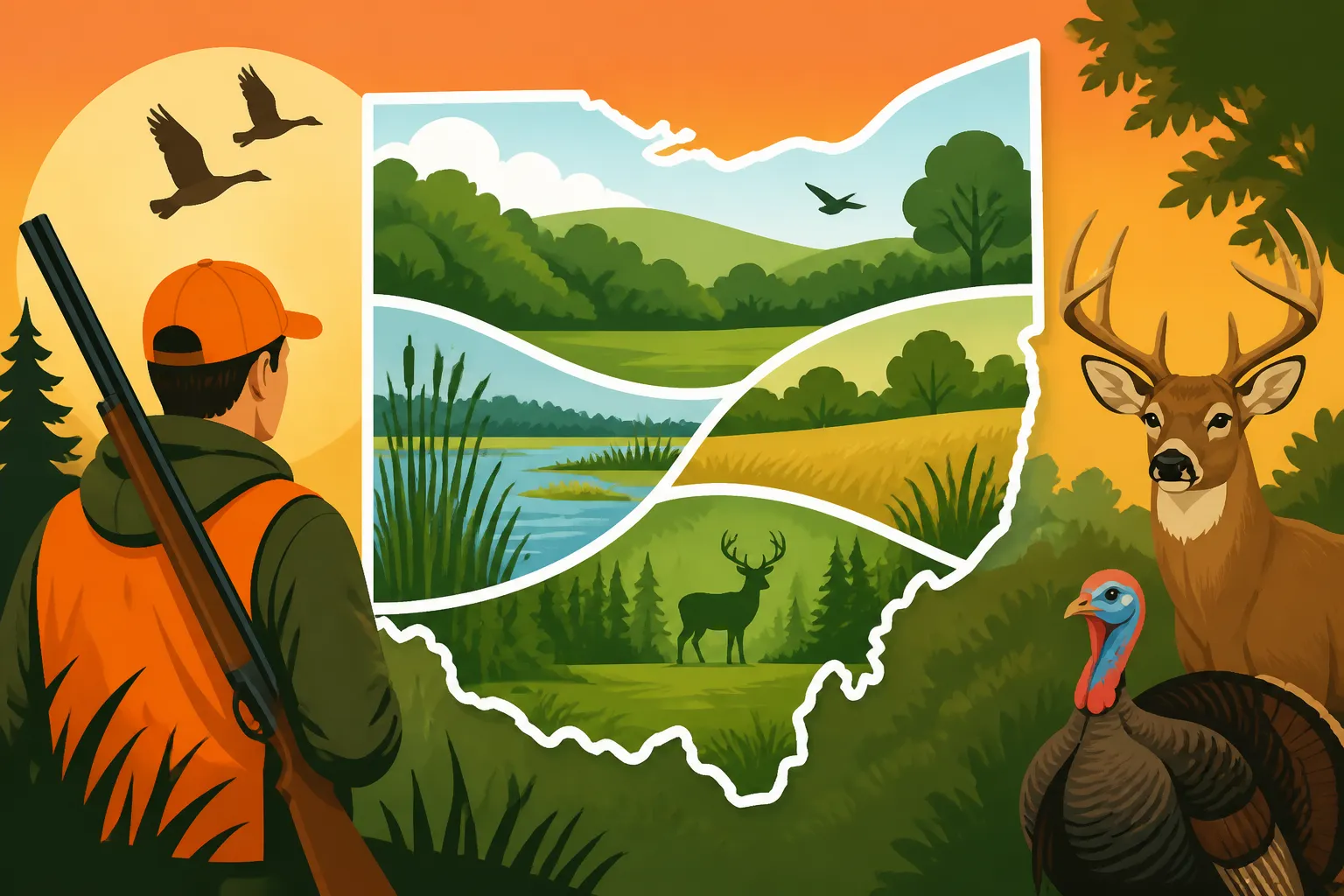
Some wildlife areas are specifically designed as waterfowler's paradises, featuring extensive wetlands, shallow impoundments, and managed crop fields to attract migrating ducks and geese. You might find areas like Killdeer Plains Wildlife Area or Magee Marsh, which are renowned for their incredible waterfowl hunting, especially during the peak migration periods. If your passion is Ohio Waterfowl Hunting on Lake Erie and Inland, these are the places you'll want to focus your scouting efforts.
Then you have the heavily forested wildlife areas, particularly prevalent in eastern and southeastern Ohio. These are your prime locations for White-Tailed Deer Across Ohio and Wild Turkeys in Ohio. Areas like Woodbury Wildlife Area or Salt Fork Wildlife Area offer rolling hills, mature timber, and deep ravines—perfect for those long walks scouting for deer sign or listening for distant gobblers. These areas often mimic the terrain of state forests but might have more intensive habitat management geared directly towards deer and turkey populations.
Finally, many wildlife areas are a mix of habitats, combining woodlands, grasslands, and agricultural fields. These diverse landscapes are often excellent for Ohio's Squirrel and Rabbit Populations, as well as pheasants and other upland birds, especially in the farm-belt regions. For example, some areas will have specific plots managed for corn or soybeans, providing critical food sources that attract a variety of game species. The key takeaway here is to always research the specific wildlife area you plan to visit, looking for details on its dominant habitat type and the game species it's known to support. Don't assume that a general "wildlife area" sign means it's ideal for whatever you're hoping to hunt.
Here's a quick overview of typical wildlife area types and what you might find:
| Wildlife Area Type | Primary Habitat Focus | Common Game Species | Typical Location in Ohio |
|---|---|---|---|
| Wetland/Marsh | Impoundments, cattails, open water | Ducks, Geese, Coot, Snipe | Lake Erie marshes, major river floodplains |
| Forested/Hill Country | Mature timber, ridges, ravines | Deer, Turkey, Squirrel, Raccoon, Coyote | Southeastern Ohio, Appalachian foothills |
| Farmland/Mixed Habitat | Crop fields, fencerows, woodlots | Deer, Rabbit, Pheasant, Squirrel, Fox | Northwestern, Central, and Southwestern Ohio farmlands |
| Prairie/Grassland | Native grasses, brush | Rabbit, Pheasant, Deer (edge), Turkey | Patches across the state, often near farmlands |
Rules, Regulations, and Respecting Wildlife Area Management
Hunting on public land comes with a unique set of responsibilities. Unlike hunting on private ground where you might have more leeway, wildlife areas are managed under strict guidelines to ensure fair chase, safety, and the sustainability of wildlife populations for all users. Understanding and adhering to these rules isn't just about avoiding a ticket; it's about being a responsible hunter and ensuring these precious resources remain open for generations to come.
Understanding General Regulations (and Local Exceptions)
It’s absolutely critical to remember that while there are statewide hunting regulations in Ohio, wildlife areas often have specific rules that can differ from, say, a state forest or even from another wildlife area just a county away. This can be a point of frustration for hunters who just want a straightforward set of rules, but these local variations are usually in place to address unique habitat features, high public use, or specific management goals for that particular area. Always, and I mean always, check the current regulations for the specific wildlife area you plan to hunt before you even leave your driveway. You can usually find these detailed rules on the ODNR website, often under the individual wildlife area's page.
Common rules you might encounter on wildlife areas include:
- Restricted Vehicle Access: Many interior roads might be closed to vehicles, requiring you to walk or use a bicycle. ATV Rules on Ohio Forest Roads are typically very strict, if not entirely prohibited, except for designated trails or administrative use.
- Treestand and Blind Regulations: There are specific Treestand Rules on Ohio Public Land and Ground Blind Rules on Ohio Wildlife Areas regarding their placement, removal, and whether they can be left overnight. Often, stands must be removed daily or within a certain timeframe.
- Hunting Methods: Some areas might have specific limitations on firearms or archery equipment, or be designated for specific seasons (e.g., archery-only deer hunting).
- Blaze Orange Requirements: Even during archery season, some wildlife areas might have Ohio Blaze Orange Requirements that differ from statewide regulations, especially during overlaps with muzzleloader or gun seasons.
- Camping: While primitive camping might be allowed in state or national forests, it's often prohibited or heavily restricted on wildlife areas.
Ignoring these rules, even unintentionally, can lead to fines, loss of hunting privileges, and damage the reputation of all hunters. Taking the time to read up is a small price to pay for a successful and legal hunt.
The Hunter's Role in Conservation and Access
When you buy an Ohio hunting license and any necessary permits, a portion of those funds directly supports the acquisition, maintenance, and management of these very wildlife areas. So, every time you purchase a license, you're directly contributing to the conservation efforts that make these public lands possible. This connection makes hunters inherent stewards of these lands, and it's a role we should all take seriously.
Being a responsible hunter on a wildlife area extends beyond simply following the rules. It means practicing ethical hunting, ensuring you leave no trace, and being respectful of other users. Remember, wildlife areas are often multi-use public lands, meaning you might encounter hikers, birdwatchers, photographers, or anglers sharing the space. A friendly nod and a shared understanding of common courtesy go a long way in fostering positive public perception of hunting. Pick up any trash you see, whether it's yours or not. Be mindful of noise, especially during sensitive times like early morning or late evening. If you come across a violation, know how to Reporting a Poacher in Ohio—it's part of protecting our shared resources. By upholding these standards, we ensure that these invaluable Public Hunting Land in Ohio remain accessible and healthy for generations of hunters and outdoor enthusiasts to come. Your actions directly reflect on the hunting community as a whole, so let's make sure that reflection is a positive one.
Disclaimer
This article is for general informational purposes only and does not constitute professional advice. Laws, prices and regulations vary by location and change over time. Consult a qualified professional for guidance on your specific situation.