Ohio Deer Camps and Cabins
The crisp bite in the early morning air, the scent of damp earth and woodsmoke, the quiet camaraderie shared around a flickering lantern – for many Ohio hunters, these aren't just moments; they're the soul of deer season. But let's be honest, trying to juggle a multi-day hunt with day trips from home, or squeezing into a cramped motel room with all your gear, can quickly drain the joy right out of the experience. This guide is all about finding and setting up that perfect Ohio deer camp or cabin, transforming your hunt into a cherished tradition, not just another outing.
The Spirit of an Ohio Deer Camp: More Than Just Shelter
For generations, the "deer camp" has been a cornerstone of hunting culture, especially in a state like Ohio where hunting whitetails is a deeply rooted passion. It's so much more than just a place to lay your head after a long day in the woods. It’s a hub, a sanctuary, and often, the very heart of the entire hunting experience.
A Legacy of Connection and Camaraderie
Think about it: the stories told around the campfire, the strategizing over maps, the shared triumphs and even the commiseration over missed opportunities. An Ohio deer camp fosters an unparalleled sense of connection. Whether it's a rustic shack deep in Wayne National Forest Hunting or a comfortable cabin bordering a prime patch of private farmland, the camp creates a space for hunters to bond, share knowledge, and forge memories that last a lifetime. It’s where new hunters learn from seasoned veterans, where old friends rekindle annual traditions, and where the often-solitary pursuit of hunting becomes a collective experience. The shared meals, the early morning rituals, the late-night card games – these are the threads that weave together the fabric of deer camp, making it an essential part of the season for many.
Evolution from Necessity to Tradition
Historically, deer camps were born out of pure necessity. Hunters venturing into remote areas for extended periods needed a base of operations, a place to process game, dry wet clothes, and get some rest. Ohio's hunting landscape, with its diverse terrain from the rugged Appalachian foothills to vast agricultural lands, often demands this kind of temporary home. Over time, these functional necessities evolved into cherished traditions. Today, while modern conveniences might make it possible to hunt without a dedicated camp, the desire for that immersive, communal experience remains strong. It’s about more than just efficiency; it’s about embracing the slower pace, the disconnection from daily life, and the deeper connection to the land and the hunt itself. It’s where the anticipation of the next morning’s hunt truly comes alive.
Decoding Your Options: Types of Ohio Deer Camps and Cabins
When you envision an "Ohio deer camp," what comes to mind? For some, it's a wall tent pitched under a stand of ancient oaks. For others, it's a cozy cabin with a wood-burning stove. Ohio offers a spectrum of possibilities, catering to every budget and comfort level.
The Bare-Bones: Tents, RVs, and Temporary Setups
For the rugged individualist or the budget-conscious group, a temporary camp setup is a fantastic option. This could range from a durable canvas wall tent, complete with a small stove for heat, to a pop-up camper or a recreational vehicle (RV). These setups offer immense flexibility, allowing you to move your camp as scouting or deer movement dictates. They're particularly popular for public land hunts where permanent structures aren't permitted, such as in many of Ohio's State Forests or Wildlife Areas. The beauty of these options is their adaptability. You can pull your RV right into a campground near your hunting grounds, or pack in a lightweight tent for a more remote, backcountry experience. Just remember that Ohio weather can be notoriously fickle, especially during Ohio's Two-Weekend Gun Deer Season or Muzzleloader Deer Hunting in Ohio, so proper insulation and reliable heating are paramount for comfort and safety.
Stepping Up: Rustic Cabins and Hunting Shacks
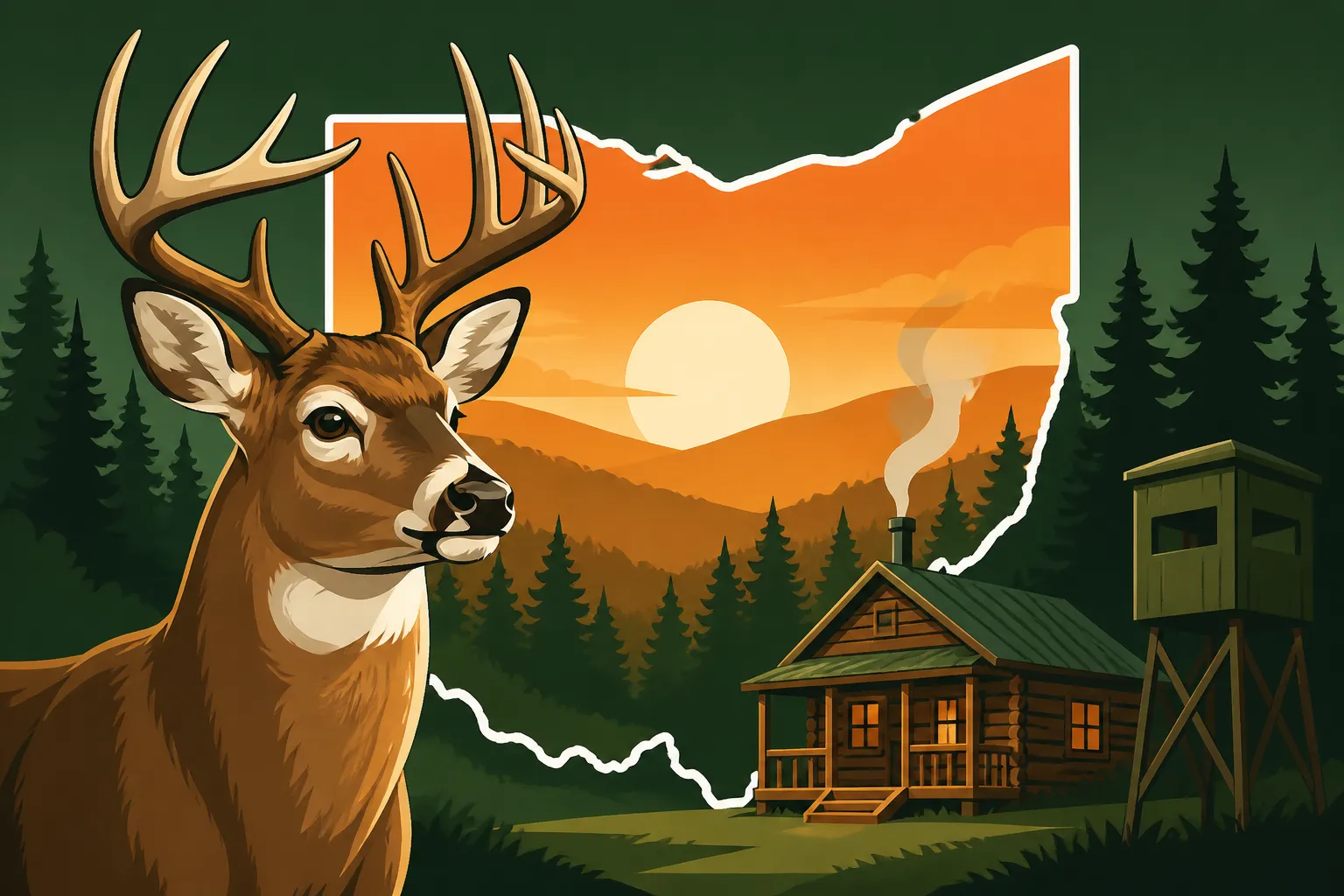
Moving up a notch from canvas and wheels, rustic cabins and dedicated hunting shacks provide a more permanent, weather-resistant base. These often feature basic amenities – a roof, walls, perhaps a cot, a table, and a wood stove. You might find these on private land that's been leased or owned by a hunting club, or occasionally available for rent in more rural areas. They offer greater protection from the elements, a more secure place for gear, and a solid foundation for repeated use season after season. Many of these cabins become infused with decades of hunting history, their walls adorned with old maps, successful buck photos, and a palpable sense of shared memory. They require a bit more commitment in terms of location and potentially a higher cost, but they deliver significantly on comfort and tradition.
Home Away From Home: Fully Equipped Lodges and Rentals
At the higher end of the spectrum, you'll find fully equipped lodges, vacation rentals, or even dedicated hunting outfitters that offer comfortable, modern accommodations. These often come with running water, electricity, full kitchens, and comfortable beds – essentially, all the comforts of home, but situated right in the heart of prime hunting country. This option is perfect for groups who prioritize comfort and convenience, or for those traveling from a distance who want to minimize the logistical hassle. Many such rentals can be found near popular hunting destinations, especially in the more scenic regions like Hunting Southeast Ohio Appalachian Foothills. While a more significant investment, the ease of coming back to a warm, dry, and well-appointed lodge after a long day afield can significantly enhance the overall hunting experience, allowing you to focus purely on the hunt itself.
Here's a quick comparison of the common types of Ohio deer camps:
| Camp Type | Pros | Cons | Ideal For |
|---|---|---|---|
| Tent/RV/Pop-Up | Flexible, mobile, generally lower cost, closer to nature | Weather-dependent, less secure, limited amenities | Public land hunters, short trips, budget-conscious |
| Rustic Cabin/Shack | Durable, weather-resistant, secure, traditional camp feel | Limited amenities, can be remote, requires more maintenance | Dedicated groups, private land leases, longer stays |
| Equipped Lodge/Rental | Comfortable, full amenities, secure, easy logistics, clean | Higher cost, less "rustic" feel, may be further from specific spots | Groups prioritizing comfort, non-resident hunters, families |
Strategic Location: Where to Set Up Your Ohio Deer Camp
Choosing the right location for your Ohio deer camp is just as crucial as the type of camp you pick. It dictates your access to hunting grounds, the type of terrain you'll encounter, and ultimately, the overall success and enjoyment of your hunt.
Navigating Ohio's Public Land Opportunities
Ohio boasts a surprising amount of public hunting land, from expansive state forests to numerous wildlife areas. Setting up a camp near these areas requires careful planning but opens up vast hunting opportunities. The Ohio Wildlife Areas system, for example, offers diverse habitats across the state. In southeastern Ohio, you might consider areas adjacent to Shawnee State Forest Hunting or the various units of Wayne National Forest Hunting. When utilizing public land for camping, it's absolutely vital to understand and follow all rules regarding overnight stays, vehicle access, and fire regulations. Some areas allow primitive camping, while others might have designated campgrounds with varying amenities. Before you even pack your first piece of gear, use resources like the Ohio Department of Natural Resources (ODNR) website or mapping apps like onX Hunt to scout potential camp locations, identify property lines, and understand access points. Having detailed maps, especially offline capabilities, is a game-changer when exploring new public tracts. Remember, public land often sees more pressure, so a remote camp might mean a longer hike to your hunting spot, but it could also put you closer to undisturbed deer. Scouting Ohio Public Land Before Season is not just good practice, it's essential for public land success.
Cultivating Private Land Access for Your Camp
While public land offers freedom, private land often provides better quality hunting due to less pressure and more consistent habitat management. Securing access to private property for both hunting and camping can be a gold mine. This usually means building relationships with landowners, offering help with chores, or leasing hunting rights. If you're fortunate enough to have a long-term lease or ownership, the possibilities for your deer camp are endless, from simply parking an RV to constructing a permanent hunting cabin. When considering private land, look for properties that offer diverse habitat – woodlots, creek bottoms, and field edges – which are magnets for deer. Remember that Getting Private Land Permission in Ohio is a process built on respect and trust; always ask permission, respect boundaries, and leave no trace. If you're looking at a lease, consider areas in Ohio's farm belt where woodlots are scattered amidst agricultural fields, offering fantastic deer sign and food sources.
Regional Considerations: Appalachian Hills vs. Farm Country
Ohio's geography dramatically influences where and how you'll set up your deer camp. In the rugged, heavily forested Appalachian hills of southeastern Ohio, your camp might be nestled in a hollow, offering quick access to steep ridges and deep ravines. Here, a more primitive tent camp or rustic cabin fits the landscape, and a strong emphasis on navigation and physical fitness is key. Expect challenging terrain, but also the potential for older, wiser bucks. Hunting Southeast Ohio Appalachian Foothills demands a different approach than other areas of the state.
Conversely, in the flat, fertile farmlands of western and northwestern Ohio, your camp might be situated near a woodlot island, bordering vast corn or soybean fields. Access is often easier, but cover can be limited, making concealment crucial. Here, an RV or a portable ground blind setup can be highly effective, especially when hunting the edges of agricultural fields. Knowing the local agricultural cycles is critical, as standing crops offer both cover and food for deer. Your choice of camp will directly reflect the challenges and opportunities of these distinct Ohio landscapes.
Building Your Base: Essential Gear and Comforts for Camp Life
Once you've nailed down the location and type of camp, it's time to equip it. A well-prepared camp can make the difference between a miserable trip and a memorable one. You don't need to break the bank, but you do need to be thoughtful about what you bring.
Survival Necessities: Shelter, Heat, and Light
Even if you're in a rustic cabin, thinking about fundamental survival needs is critical. Your primary shelter, whether it's a tent, RV, or cabin, needs to be sound and weather-tight. For heat, a wood stove is traditional and effective in cabins, but propane heaters are common in tents and RVs. Always ensure proper ventilation if using gas heaters to prevent carbon monoxide buildup. Reliable light sources are non-negotiable. Headlamps are indispensable for navigating in the dark, both in camp and to and from your stand. Lanterns, whether propane or battery-powered, provide ambient light inside the camp for cooking, cleaning, and socializing. Don't forget extra fuel, batteries, or a portable power station, especially if your camp is off-grid. A well-stocked first aid kit should also be at the top of your list for any camp.
Field Kitchen and Sustenance: Eating Well in the Woods
Good food is the glue of any deer camp! You don't need to be a gourmet chef, but planning your meals and having the right cooking gear will elevate the experience. A reliable camp stove (propane or multi-fuel) is essential for hot meals and coffee. Bring plenty of water, or have a reliable purification system if you're drawing from natural sources. Coolers, especially high-quality insulated ones, are vital for keeping food fresh and, importantly, for storing harvested game. Meat Care Gear for Ohio Hunters is critical, especially during warmer early archery days. Pre-made meals, dehydrated foods, or simple one-pot dishes can save time and effort. Don't forget sturdy utensils, pots, pans, a good knife, and cleaning supplies. A designated wash station, even if it's just a couple of buckets and biodegradable soap, keeps things hygienic.
Practical Amenities and Creature Comforts
Beyond the absolute essentials, a few creature comforts can make a huge difference. Comfortable sleeping pads or cots will vastly improve your rest, ensuring you're refreshed for early mornings. A camp chair or two provides a welcome place to relax by the fire. A dry rack or clothesline for wet hunting gear is invaluable in damp Ohio conditions. A small table for eating or working on maps can be surprisingly useful. Consider a portable power bank for charging phones or other small electronics, even if you’re trying to disconnect. For navigation and scouting, a reliable mapping app like onX Hunt is an absolute must, allowing you to mark stand locations, track your routes, and verify property lines, even when cell service is spotty. Similarly, research tools like GoHunt can help inform your decisions before you even leave home. Even simple things like a deck of cards or a good book for downtime can enhance the overall camp atmosphere.
The Logistics of Shared Success: Managing Your Deer Camp
A deer camp, especially when shared with friends or family, operates best with a bit of planning and clear communication. Overlooking these logistical aspects can lead to unnecessary friction and detract from the enjoyment of the hunt.
Budgeting and Splitting Costs for Group Hunts
One of the quickest ways for a group hunt to unravel is through unspoken assumptions about money. Before the season even begins, have an open conversation about budgeting. Factor in costs for the camp itself (rent, lease fees, materials for a DIY shack), utilities (propane, firewood, generator fuel), shared food, and communal gear (coolers, cooking equipment). Decide on a fair way to split these expenses – whether it's an even split, contributions based on usage, or a "camp fund" where everyone chips in a set amount. For non-resident hunters, understanding Ohio Nonresident Hunting License Cost and permit fees, along with potential travel expenses, will be a major part of this budget. A simple spreadsheet can work wonders, keeping track of who contributed what and where the money went. Transparency is key to maintaining good relationships and ensuring everyone feels fairly treated.
Establishing Rules and Responsibilities
A well-run camp has clear, albeit often unwritten, rules and responsibilities. These aren't meant to stifle fun but to ensure harmony and efficiency. Who's on breakfast duty? Who's responsible for splitting firewood or topping off the water tank? What time is "quiet hours" for those who want to sleep in before a late-season sit? Discuss expectations for camp cleanliness, gun safety protocols (always unload and case firearms when entering camp!), and game processing. Having a clear plan for Field Dressing a Deer in Cold Weather or handling deer brought back to camp, including waste disposal, is crucial. You might even want to establish rules around tracking wounded game – who goes, when, and with what equipment. Remember, these discussions should be collaborative, allowing everyone to contribute to a shared understanding of how the camp will operate.
Safety, Security, and Emergency Preparedness
Safety should always be paramount at any deer camp. This includes proper firearm handling, knowing how to operate any heating or cooking equipment safely, and being aware of potential hazards in the surrounding environment. Make sure at least one person in the group is certified in first aid and that a well-stocked kit is readily accessible. Have a plan for emergencies: what if someone gets lost, injured, or has a medical emergency? Know the nearest hospital or urgent care facility, and ensure someone always knows the camp's exact location, especially if it's remote. For security, especially if you're leaving gear unattended, consider secure storage options. In Ohio's diverse hunting terrain, especially during busy gun seasons, Ohio Blaze Orange Requirements are critical for personal safety both in the field and around camp if you're moving about. Always carry a whistle and a fully charged cell phone (with a power bank!) even if service is spotty. Using the Ohio HuntFish App can also provide critical location and regulatory information.
Beyond the Harvest: Creating Lasting Ohio Deer Camp Memories
The true value of an Ohio deer camp extends far beyond the number of deer harvested. It's about the traditions you build, the bonds you strengthen, and the unique stories that become part of your personal hunting legacy.
Fostering Tradition and Fellowship
Every deer camp has its own traditions. It might be a specific meal cooked on opening night, a friendly competition for the biggest rack, or a ceremonial toast to fallen comrades. These traditions, big or small, are what make your camp unique and eagerly anticipated year after year. Encourage storytelling around the fire, sharing tales from past seasons or recounting the day's events. Take the time to teach younger hunters about responsible hunting, game care, and the ethics of the sport, solidifying a love for the outdoors. Ohio Deer Camp Traditions are rich and varied, from singing campfire songs to sharing stories of legendary bucks. These shared moments of fellowship are what truly define the deer camp experience, creating a sense of belonging and continuity that enriches everyone involved.
Post-Hunt Care and Camp Maintenance
After a successful hunt, whether it's during Bowhunting Ohio's Long Archery Season or a cold January muzzleloader trip, the work isn't over. Proper care of harvested game is essential. If you're butchering at camp, ensure you have the right tools, a clean workspace, and methods for keeping the meat cool. If you're taking your deer to a processor, make sure it's properly tagged and prepared for transport. Checking an Ohio Deer Online is a mandatory step after harvesting.
Once the hunting wraps up, diligent camp maintenance is crucial. Clean up thoroughly, leaving no trace behind, especially on public lands. Store gear properly for the off-season, addressing any repairs that might be needed. Winterize any water systems or appliances if it's a permanent structure. Discuss what worked well and what could be improved for next year. A clean, well-maintained camp ensures a welcoming return for future seasons, keeping the tradition alive for years to come.
Disclaimer
This article is for general informational purposes only and does not constitute professional advice. Laws, prices and regulations vary by location and change over time. Consult a qualified professional for guidance on your specific situation.