Ohio Beaver Population and Damage
There’s nothing quite like the sight of a healthy Ohio waterway, but for many landowners, that tranquility can quickly turn to frustration when beavers decide to make themselves at home. These industrious rodents, while fascinating, can cause a significant amount of damage, from felling valuable timber to flooding fields and undermining vital infrastructure. This guide is here to help you understand Ohio's beaver population, recognize the signs of their activity, and arm you with practical strategies to manage the damage they can inflict on your property.
The Resurgence of Ohio's Beaver Population
If you've been seeing more beaver activity lately, you're not imagining things. Ohio's beaver population has made an incredible comeback over the last century, and while that's a testament to successful conservation efforts, it also means more interactions—and sometimes conflicts—with humans.
A History of Comeback
It’s hard to believe now, but beavers were almost entirely extirpated from Ohio by the early 1800s, primarily due to relentless unregulated trapping for their valuable fur. Imagine an Ohio without beavers; that was once our reality. Their return is a genuine success story, a testament to the resilience of nature and the impact of thoughtful management. Small populations began to trickle back into the state from neighboring Pennsylvania and West Virginia in the mid-20th century.
These initial pioneering beavers, along with some strategic reintroduction efforts by wildlife agencies, found ideal conditions in Ohio's recovering forests and abundant waterways. They adapted quickly, spreading throughout river systems and establishing new colonies. This steady recolonization process has continued for decades, bringing them back from the brink of local extinction.
Today, beavers are thriving across Ohio, often returning to areas where they haven't been seen for well over a hundred years. This comeback is fantastic for biodiversity, creating unique wetland habitats that benefit countless other species. However, it also means that landowners who haven't dealt with beavers in generations are now encountering their industrious, and sometimes destructive, habits firsthand. Understanding this history helps us appreciate the delicate balance we now seek to maintain.
Where Beavers Thrive in Ohio
Beavers are water engineers, and they seek out environments where they can build their dams and lodges, creating stable water levels that protect them from predators and give them easy access to food. This means almost any area with reliable water and available woody vegetation is fair game. From the meandering rivers of southern Ohio to the drainage ditches and smaller creeks crisscrossing our agricultural heartland, beavers have found a way to make it home.
They are particularly fond of smaller, slower-moving streams, marshy areas, and the edges of ponds and lakes. The riparian zones—those rich strips of land along water bodies—provide them with a constant supply of their favorite foods: aspen, willow, birch, cottonwood, and even many fruit trees. You'll find them in both heavily forested regions, like portions of the Wayne National Forest Hunting area, and surprisingly, right alongside agricultural fields where drainage ditches and small woodlots offer sanctuary.
Their adaptability is truly remarkable. While you might associate them with pristine wilderness, beavers are increasingly common even near suburban areas, quietly going about their business in neglected drainage systems or woodlots bordering housing developments. This widespread distribution means that beaver damage isn't just a "rural" problem; it can affect property owners in a variety of landscapes across the state.
Current Population Trends
Generally speaking, Ohio's beaver population is considered stable and healthy, if not still slowly expanding in certain pockets. Unlike some other furbearer species, beavers aren't experiencing significant statewide declines. Their numbers have reached a point where they are well-established, and their presence is felt in nearly every county.
The Ohio Department of Natural Resources (ODNR) monitors furbearer populations through various methods, including trapper harvest reports and aerial surveys of dams. While specific population numbers can fluctuate locally due to habitat availability, trapping pressure, or environmental factors like severe drought, the overall trend has been one of robust recovery and sustained presence. This means that while localized issues might arise, the species as a whole is doing quite well in Ohio.
This healthy population status is why managing conflicts is so important. When beavers become too numerous in an area, or when their activities directly impact human interests, proactive management becomes essential. It’s not about eradication, but about finding a way to coexist when possible, and mitigate damage when necessary, ensuring both healthy beaver populations and protected human property. This balance is key for long-term land stewardship in Ohio.
Understanding the Scope of Beaver Damage in Ohio
While their dam-building prowess is fascinating, it's this very instinct that can lead to significant headaches for landowners. The changes beavers make to the landscape, from felling trees to altering water flow, often have a direct and costly impact.
Timber and Agricultural Losses
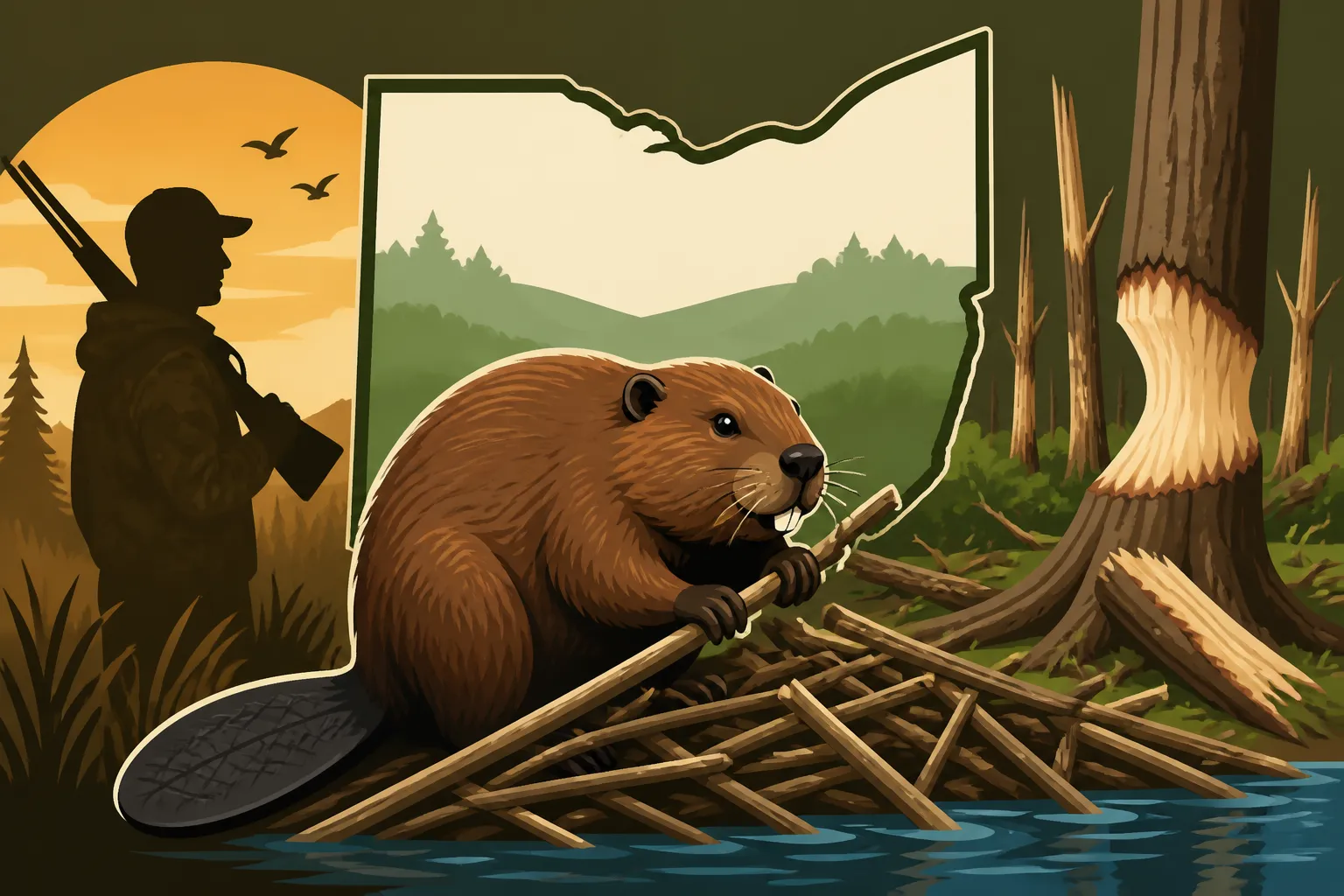
One of the most visually dramatic forms of beaver damage is their impact on trees. Beavers fell trees for food, using the bark and cambium (the layer just under the bark) as a primary food source, especially in winter. They also use woody material to construct their dams and lodges. This can lead to the loss of valuable timber, ornamental trees in yards, or even entire stands of young trees planted for conservation purposes. They don't discriminate much, though they do prefer softer woods like aspen, willow, and maple, they will chew on almost anything, including mature oaks.
Beyond direct tree felling, beavers' dam-building habits often lead to widespread flooding, which can drown trees not adapted to prolonged inundation. Imagine a beautiful stand of white oak along a creek bottom, slowly dying from standing water. This can be heartbreaking for a property owner. Furthermore, agricultural lands are highly vulnerable. Flooded fields can delay planting, destroy existing crops, and make harvesting impossible, leading to substantial economic losses for Ohio farmers. Hunting Northwest Ohio Farmland Deer often involves navigating areas with extensive drainage systems, precisely the kind of habitat beavers are drawn to, making their presence a real concern for crop production in these regions.
Infrastructure and Property Damage
The ingenious nature of beaver dams can be a nightmare for human infrastructure. Beavers are masters at blocking culverts and drainage pipes, causing roads to flood and become impassable. This isn't just an inconvenience; it can be a public safety issue, necessitating expensive repairs by local townships or private landowners. Water backing up from beaver dams can erode roadbeds, compromise bridge footings, and even breach pond dikes, leading to washouts and major structural failures.
Their burrowing habits can be equally destructive. Beavers dig extensive tunnels into stream banks, pond dikes, and even road embankments, creating hollow spaces that can collapse under weight. This undermines the integrity of these structures, leading to dangerous sinkholes or catastrophic failures of retention ponds. A homeowner with a decorative pond could find its carefully constructed bank riddled with beaver tunnels, risking a complete drainage or structural collapse. It’s a constant battle for many landowners trying to maintain their property boundaries and water features.
Ecological Impacts Beyond Flooding
While often viewed as solely destructive, beavers also create significant ecological changes, some of which are beneficial. However, these changes are not always positive from a human perspective or for all wildlife species. Their dams drastically alter stream hydrology, slowing water flow and creating impoundments. This can lead to increased water temperatures downstream, which might negatively impact cold-water fish species like trout, even though Ohio isn't known for extensive wild trout populations, some of our headwater streams could be affected.
The newly formed wetlands, while excellent for waterfowl like those found during Ohio Waterfowl Hunting on Lake Erie and Inland, amphibians, and certain plant species, can also displace other wildlife that rely on free-flowing streams. The increased standing water can change forest composition, turning wooded areas into marshlands. This means species like ruffed grouse, which depend on dense, early successional upland forests, might find their habitat reduced or altered beyond their needs, highlighting a complex web of ecological interactions. It's a vivid reminder that while beavers are natural ecosystem engineers, their engineering doesn't always align with every other natural or human interest.
Practical Strategies for Managing Beaver Damage
When beavers become a problem, it's important to have a toolkit of strategies at your disposal. From preventing damage before it starts to working with professionals, there are effective ways to mitigate their impact.
Proactive Prevention and Deterrents
The best defense is often a good offense, and for beavers, that means making your property less appealing or protecting vulnerable assets before damage occurs. One simple but effective method is wrapping the base of valuable trees with heavy-gauge wire mesh (like hardware cloth) or sheet metal. This creates a physical barrier that prevents beavers from gnawing through the bark. Make sure the wrap is several feet high, as beavers can stand on their hind legs to reach higher, and buried slightly into the ground to deter digging underneath.
Another innovative approach involves installing "beaver deceiver" or "pond leveler" devices. These are specially designed culverts or pipes that penetrate the beaver dam, allowing water to flow through at a regulated level without the beavers being able to easily plug them. This prevents excessive flooding while still allowing the beavers to maintain their lodge and dam, promoting a form of coexistence. Habitat modification can also play a role; clearing preferred food trees from immediate waterways might deter them, but this is often a large undertaking and less effective in areas with abundant natural food sources. You can also monitor your property for early signs of beaver activity, using tools like GoHunt to identify potential waterways or low-lying areas that might attract them before they establish a full-fledged colony.
Trapping and Dam Removal Efforts
When prevention isn't enough, or if a colony is already well-established and causing active damage, direct removal strategies become necessary. Trapping is the most effective method for reducing beaver populations and is often the quickest way to stop ongoing damage. In Ohio, beavers are classified as furbearers, and their harvest is regulated by the ODNR. This means you need to be aware of Ohio Trapping and Furbearer Seasons and hold the appropriate licenses, such as those covered under Ohio Trapping License Requirements and Ohio Furbearer Trapping Tag Requirements. It's not a free-for-all; specific rules dictate when and how you can trap.
Landowners can trap beavers themselves if they are properly licensed and understand the regulations, or they can hire a licensed nuisance wildlife control operator (NWCO). Common trapping methods include using conibear (body-grip) traps, which are highly effective for a quick, humane dispatch, or live traps for relocation (though relocation options are limited and often require specific permits). Dam removal can be done manually or with heavy equipment once the beavers have been removed. However, simply removing a dam without addressing the resident beavers is often a temporary solution, as they will quickly rebuild. For those looking to set up a comprehensive trapping strategy, understanding concepts like Running a Trapline in Rural Ohio can provide valuable insights into efficient and ethical furbearer management. Before undertaking any trapping or dam removal, always consult current Ohio regulations to ensure compliance.
| Damage Type | Description | Common Solutions |
|---|---|---|
| Tree Felling & Gnawing | Beavers chew down trees for food and building materials. | Tree wrapping (wire mesh/sheet metal), removing preferred food trees near water. |
| Flooding of Fields/Roads | Dams block culverts and raise water levels, inundating land. | Beaver deceiver/pond leveler pipes, dam removal, trapping beavers. |
| Undermining Dikes/Banks | Beavers dig burrows into earthen structures, causing collapse. | Trapping, rip-rap along banks, professional repair. |
| Crop Destruction | Flooded fields ruin crops, beavers may eat some plants. | Flow devices to control water, trapping, fencing valuable crops. |
| Water Quality Changes | Slowed water flow can increase temperature, sediment. | Dam removal where ecological impact is severe, trapping. |
Working with Wildlife Professionals
Sometimes, the scale of beaver damage or the complexity of the situation calls for professional help. This is especially true if you're dealing with extensive flooding, damage to critical infrastructure, or if you're uncomfortable with trapping yourself. Nuisance wildlife control operators (NWCOs) are licensed professionals who specialize in resolving conflicts between humans and wildlife. They have the expertise, equipment, and permits to handle beaver removal safely and effectively.
A good NWCO will assess your property, identify the source of the problem, and develop a tailored management plan. They can deploy traps, manage dam removal, and even suggest long-term preventative measures. While there's a cost involved, hiring a professional can save you significant time, frustration, and potential liability, especially when dealing with large or persistent beaver colonies. They are also knowledgeable about local regulations and can ensure all actions are legal and humane. Don't hesitate to reach out to the ODNR or local extension offices for recommendations on reputable NWCOs in your area if you're facing a challenging beaver problem.
Balancing Wildlife and Land Management in Ohio
Managing beavers in Ohio isn't just about eliminating problems; it's about finding a sustainable balance between protecting our properties and appreciating the significant ecological role these animals play.
The Beaver's Role in Ecosystems
It's easy to view beavers solely through the lens of the damage they cause, especially when they're flooding your back forty. However, it's crucial to remember that beavers are often considered "ecosystem engineers" for a reason. Their dam-building activities, despite their drawbacks for human interests, create unique and vital wetland habitats. These impoundments slow water flow, which helps filter pollutants, recharge groundwater, and reduce downstream flooding during heavy rains. They essentially create natural water storage systems.
These beaver ponds and wetlands become havens for a huge diversity of other wildlife. Amphibians like frogs and salamanders thrive in the still waters, providing food for snakes and birds. Migratory waterfowl, a key target for Ohio Waterfowl Hunting on Lake Erie and Inland expeditions, find essential resting and feeding grounds in beaver-created marshes. Even fish populations can benefit from the deeper, more stable water in some cases, and the dead standing timber (snags) left by flooding provides nesting sites for cavity-dwelling birds. Beavers contribute significantly to biodiversity, acting as a keystone species that shapes the landscape in ways that benefit many others, including Ohio River Otter Recovery, whose populations often overlap with beavers.
Ohio's Approach to Beaver Management
The Ohio Department of Natural Resources (ODNR) acknowledges this dual nature of beavers. Their management approach aims to maintain healthy beaver populations across the state while providing landowners with the tools to address nuisance issues. Beavers, as furbearers, are managed through regulated trapping seasons, which help control their numbers and provide recreational opportunities for trappers. The regulations for Ohio Raccoon and Fox Season Dates also often align with beaver trapping windows, reflecting the broader furbearer management strategy.
The ODNR offers guidance on damage prevention and provides information on nuisance wildlife control. They understand that a farmer facing crop losses or a homeowner with a flooded driveway needs practical solutions, but they also advocate for strategies that minimize harm to the animals where possible, like the use of flow devices. It's a pragmatic approach that recognizes the challenges posed by a thriving wildlife population in a developed landscape. Consulting their resources is a wise first step for any Ohioan grappling with beaver-related issues. You'll find valuable insights into legal methods and best practices on their website, perhaps even more detailed information than you might pull from general mapping tools like GoHunt in terms of regulations.
Long-Term Landowner Strategies
Successfully managing beaver damage often requires thinking beyond a quick fix and adopting a long-term perspective. Instead of simply reacting to each new dam or felled tree, consider integrating beaver management into your overall land management plan. This might involve identifying areas where beavers are likely to cause minimal harm and allowing them to thrive, while actively protecting more vulnerable areas. For instance, if you have a remote woodlot that occasionally floods without impacting infrastructure or crops, you might tolerate a beaver colony there, knowing the ecological benefits it provides.
Regular monitoring of your property is crucial. Early detection of beaver activity—new cuttings, fresh mud on a dam, or subtle changes in water levels—can prevent minor issues from becoming major disasters. Proactive measures, like those mentioned earlier, should be viewed as ongoing maintenance. If you plan to manage populations through trapping, familiarize yourself with Ohio Trapping and Furbearer Seasons and consider what impact your efforts might have year after year. It's about developing a strategy that suits your specific property, your tolerance for beaver activity, and your long-term goals for the land, ultimately working towards a more harmonious coexistence with these remarkable, if sometimes troublesome, creatures of Ohio.
Disclaimer
This article is for general informational purposes only and does not constitute professional advice. Laws, prices and regulations vary by location and change over time. Consult a qualified professional for guidance on your specific situation.