Ohio Wildlife Area Deer Check Station Data
Ohio wildlife area deer check station data shows localized harvest success, sex ratios, and population health for public lands.
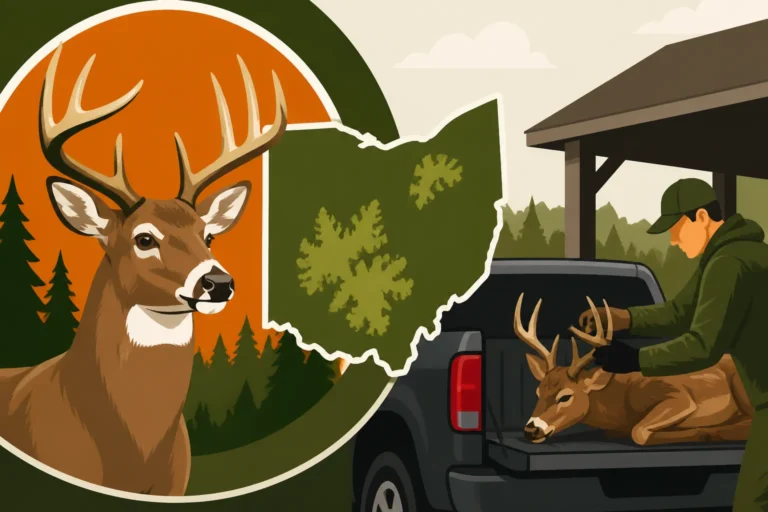
Ohio wildlife area deer check station data shows localized harvest success, sex ratios, and population health for public lands.
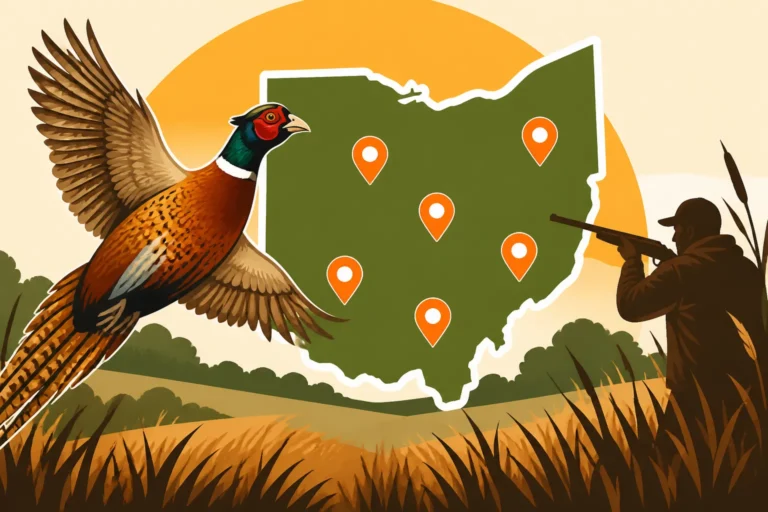
Ohio’s ODNR stocking program keeps pheasant hunting alive as wild birds decline; where released ringnecks can be found and what to expect on those areas.
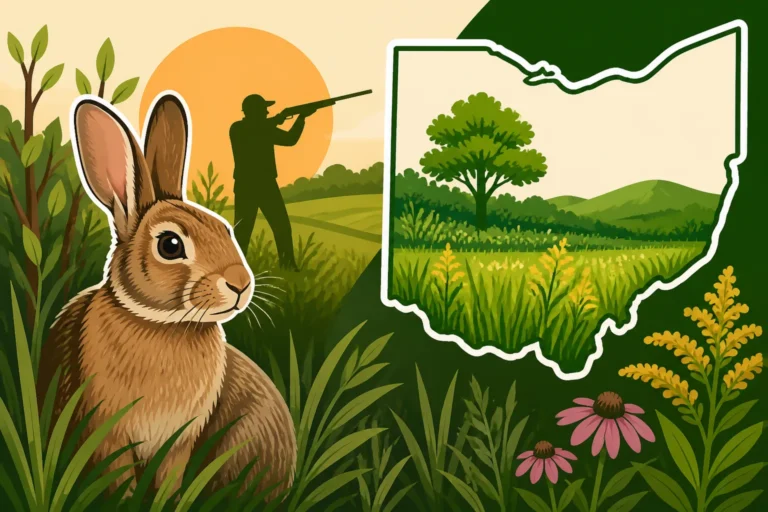
Ohio rabbit habitat restoration efforts explain how declining cottontail populations recover through improved security cover and food sources.
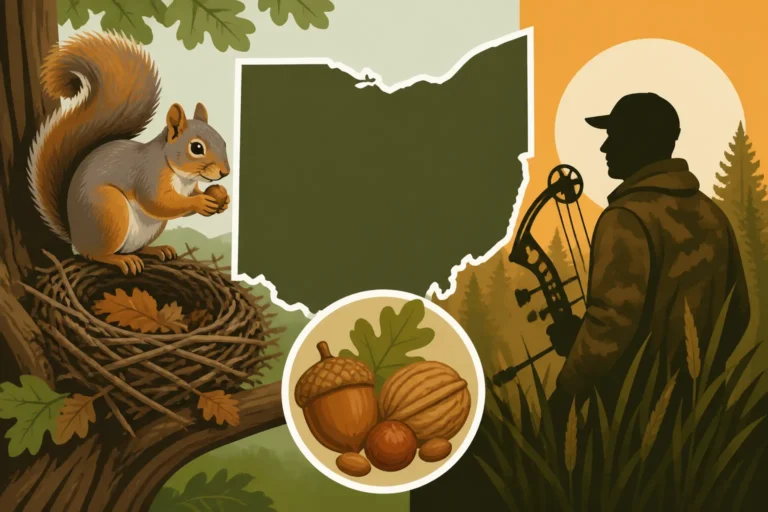
Ohio squirrel nest counts and mast crops explain seasonal population shifts and help hunters locate acorns in the timber.
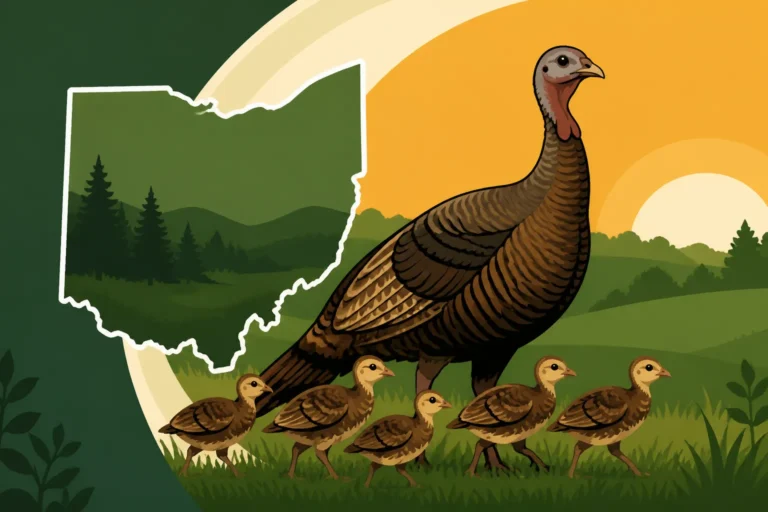
Ohio turkey brood survey results reveal wild flock health and poult to hen ratios collected by ODNR volunteers from July to August.
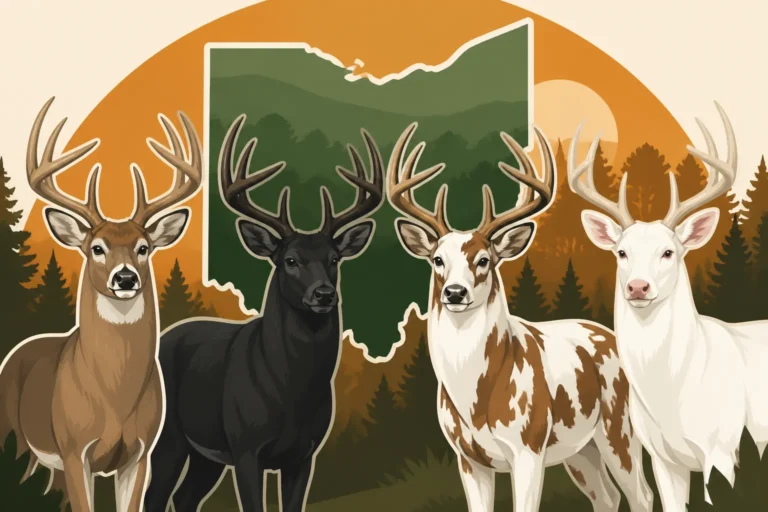
Ohio whitetail deer color phase rarities are genetic anomalies causing unusual coats like albino, leucistic, and melanistic forms.
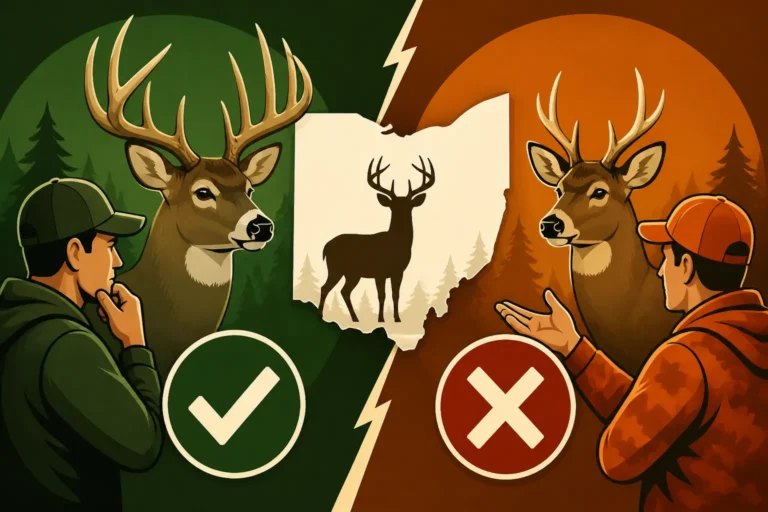
Ohio deer antler restrictions debate divides hunters between harvesting legal deer and protecting mature buck populations.
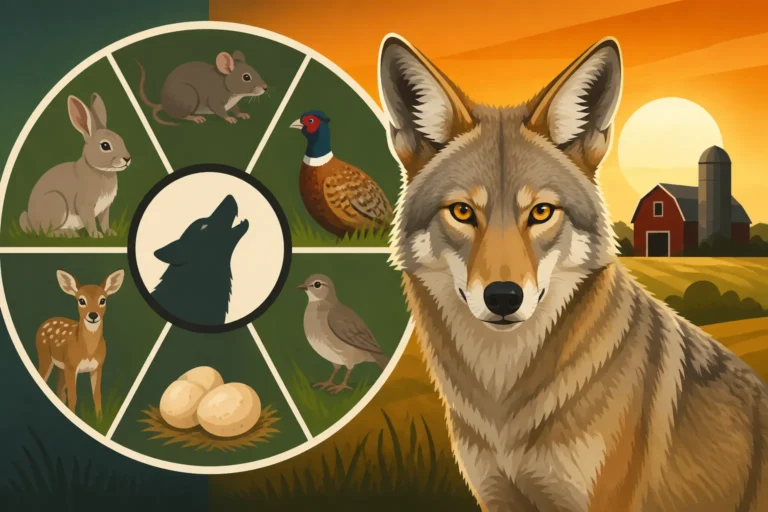
Ohio coyote diet in farm country includes small mammals, fruits, and insects, driven by seasonal changes and agricultural practices.
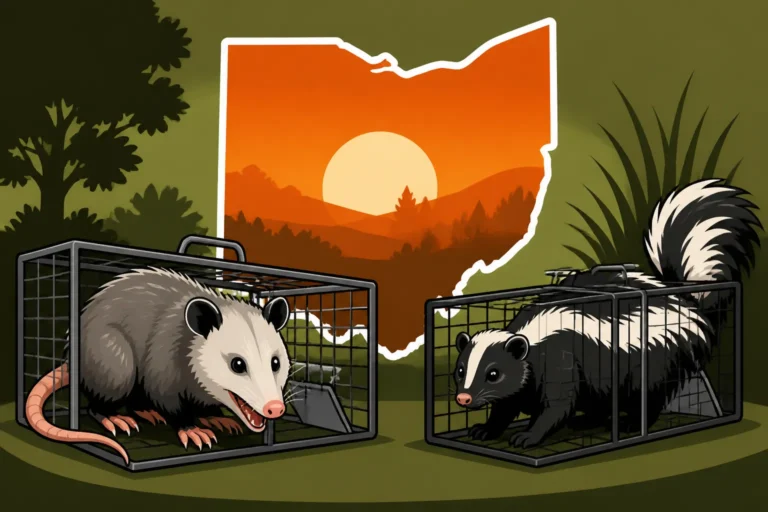
Ohio opossum and skunk trapping rules, habits, and license requirements help landowners lawfully remove nuisance animals.
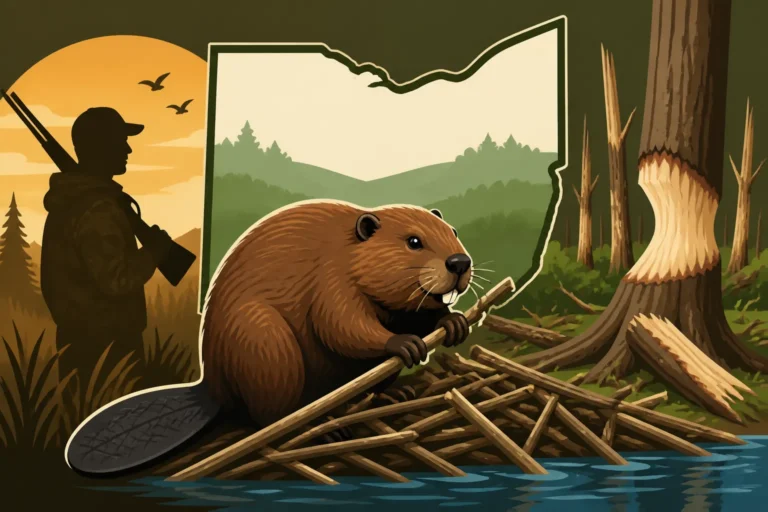
Ohio beaver population history and habitat details explain property damage risks and management strategies for landowners across the state.