How Many Coyotes Ohio Has
Ohio coyote population estimates remain impossible due to their nomadic nature, wide range, and liberal hunting regulations.
Know what you’re after.
Big game, small game, upland birds, and waterfowl — identification, behavior, rut and migration timing, and how each species moves through the season.
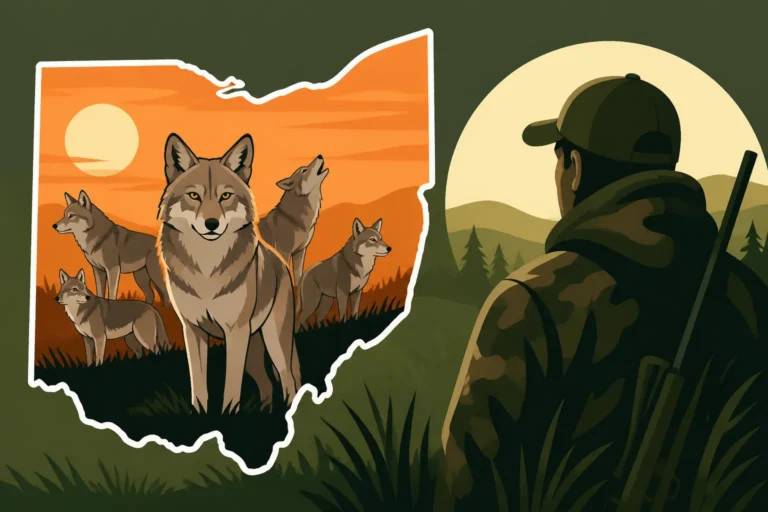
Ohio coyote population estimates remain impossible due to their nomadic nature, wide range, and liberal hunting regulations.
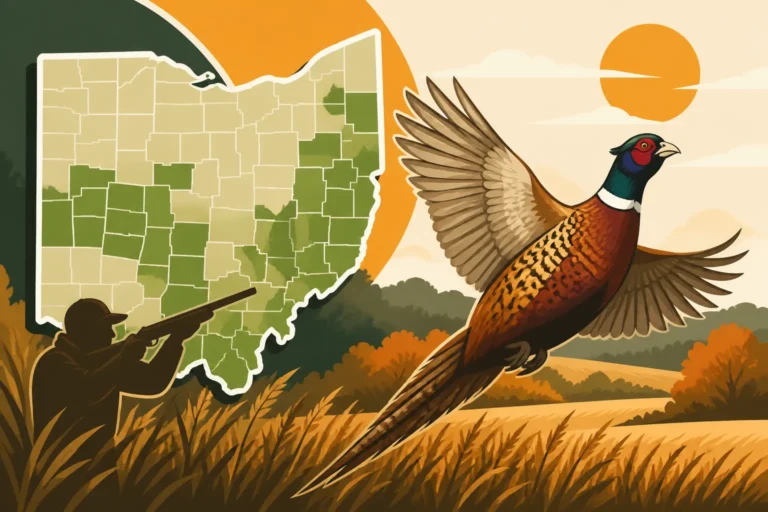
Northwest Ohio counties such as Van Wert, Paulding, Putnam, Henry, Wood, and Hancock offer the best wild pheasant hunting.
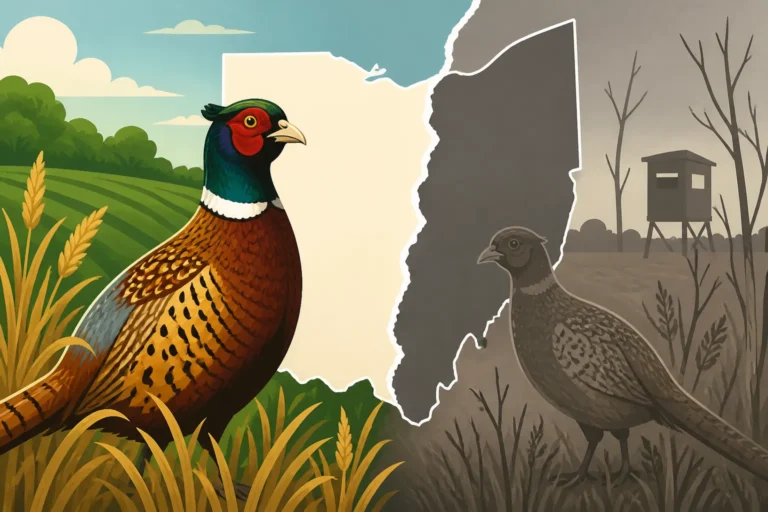
The decline of wild ring-necked pheasants in Ohio farmlands is explained through changing agricultural practices and habitat loss.
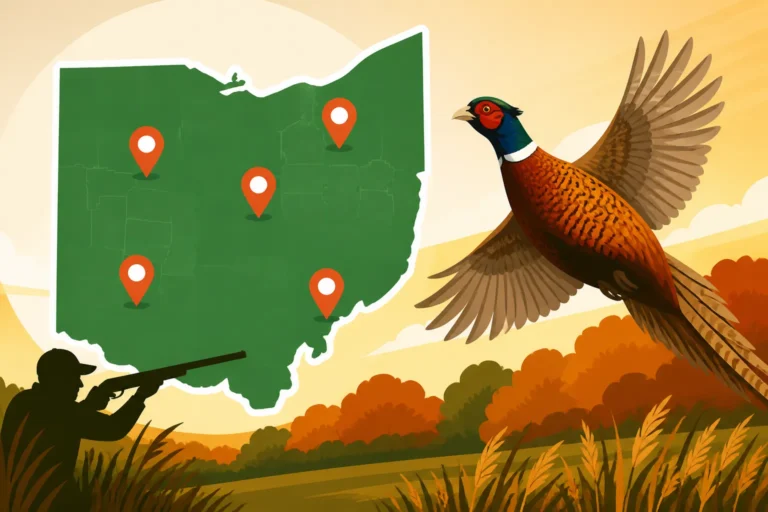
Ohio pheasant stocking locations managed by the Department of Natural Resources provide hunters with reliable put and take hunting opportunities.
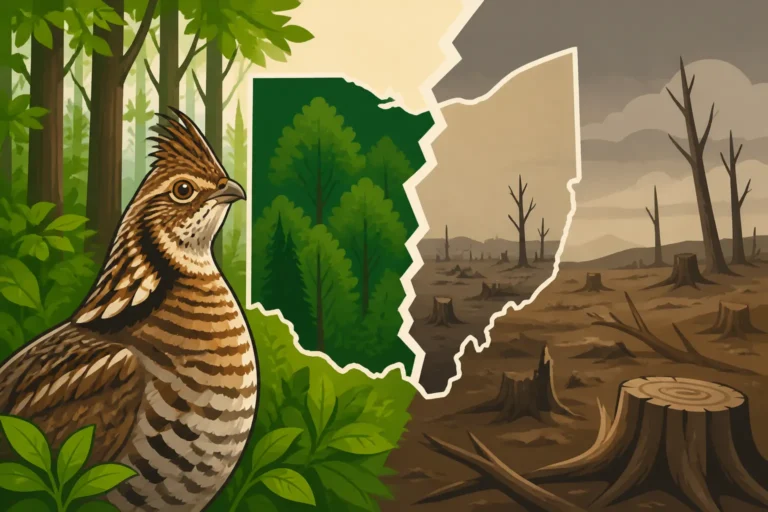
Habitat loss and maturing woodlands explain declining populations of ruffed grouse across the southeastern hills of Ohio.
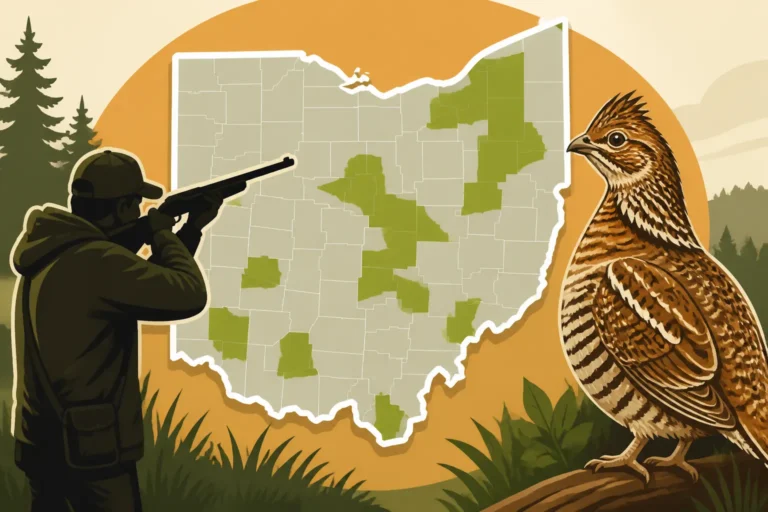
Ohio ruffed grouse populations and remaining strongholds, explaining habitat loss and the decline of upland bird hunting.
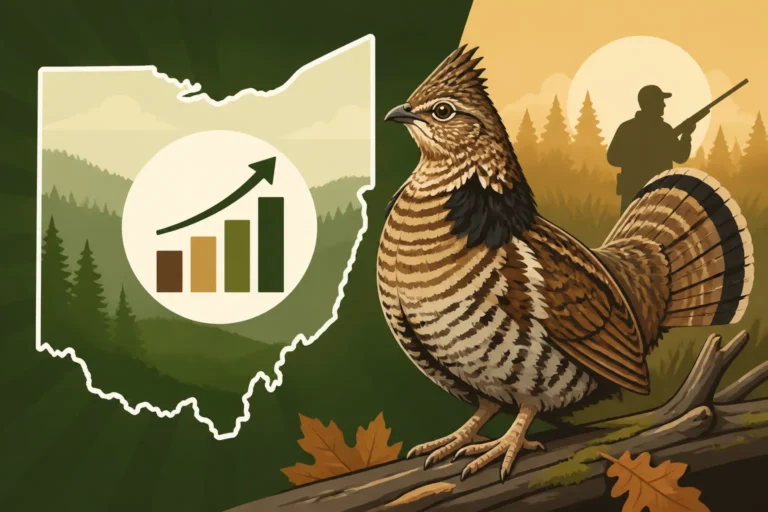
Ohio ruffed grouse populations have plummeted to historic lows across Appalachian forests due to environmental changes and habitat loss.
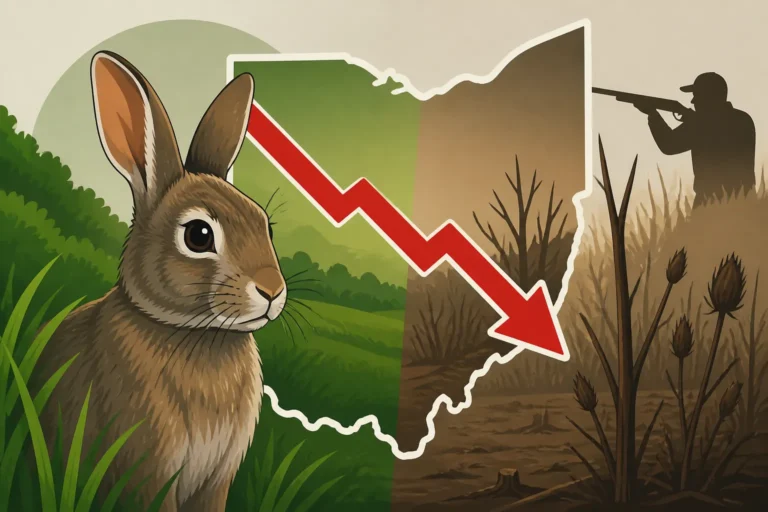
Ohio rabbit population decline stems from habitat loss, vanishing brush piles, suburban sprawl, and agricultural intensification.
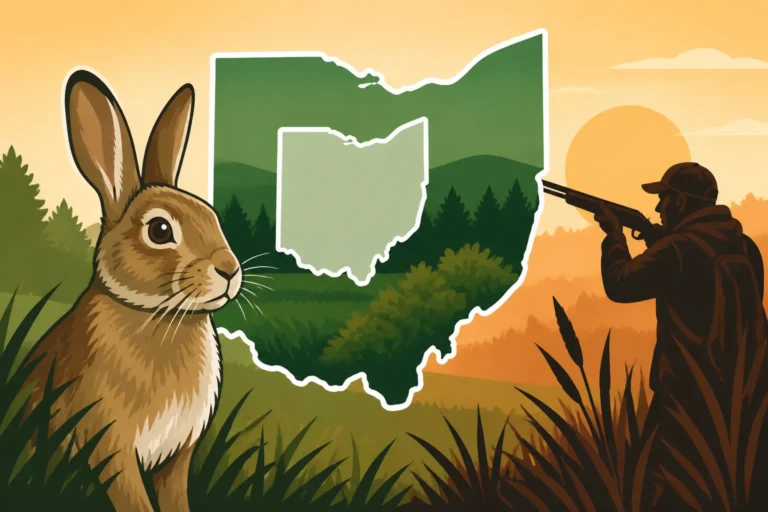
Ohio cottontail rabbit population trends, fluctuating local densities, and habitat loss factors explained for hunters.
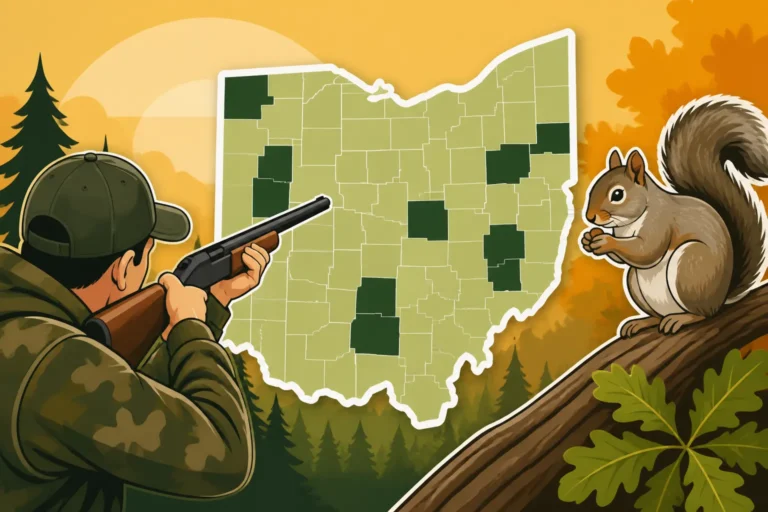
Ohio counties with mature hardwoods provide hunters prime locations for finding abundant fox and gray squirrel populations.