Ohio Bison Before European Settlement
For many of us who hunt Ohio today, the idea of vast herds of bison roaming across the landscape seems like something out of a classic Western film, not a part of our home state's rich natural history. It's easy to picture Ohio as it is now, primarily forested or farmed, and forget that just a few centuries ago, a magnificent wild bovine, the American Bison, was a keystone species here, shaping the very terrain we now traverse. This guide will take you back in time, unveiling the forgotten presence of bison in Ohio before European settlement, exploring their critical role in the ecosystem, and understanding the profound impact their eventual disappearance had on the land and its original inhabitants.
The Ancestral Ohio Landscape: A Bison's Domain
It's hard to reconcile the image of Ohio today—a patchwork of farms, towns, and rolling woodlands—with the open, expansive ecosystems that characterized much of the state before the arrival of European settlers. Yet, for thousands of years, the American bison (often called buffalo) was an integral part of Ohio's natural tapestry. They weren't just passing through; they lived, bred, and shaped the very environment, particularly in specific regions that offered the ideal blend of grazing opportunities and forest cover.
The primary habitat for Ohio's bison was concentrated in the western and central parts of the state, where fertile soils supported vast natural grasslands and open oak savannas. These "prairie openings" were scattered throughout the denser forests, creating a mosaic landscape that offered both forage and shelter. Imagine ancient travel corridors, sometimes hundreds of feet wide, worn deep into the earth by generations of bison moving between these feeding grounds and watering holes. These aren't the dense, unbroken forests many envision when thinking of pre-settlement Ohio; rather, they were dynamic, open systems maintained by natural fires, grazing, and the flow of water. These ancient bison trails often followed natural contours, river valleys, and major ridges, routes that were later adopted by Indigenous peoples, and eventually, by early European explorers and settlers, becoming the basis for many modern roads. The presence of these massive herbivores literally carved paths through the wilderness.
What Made Ohio Ideal for Bison?
Ohio's unique geographic position, straddling the eastern deciduous forest and the western prairies, created a transition zone perfectly suited for bison. The rich, deep soils, especially in areas like the Sandusky Plains, Darby Plains, and other parts of the till plain, supported lush grasses and forbs. These were the fuel for bison herds. The land wasn't just flat farmland; it was a diverse array of wetlands, river bottoms, and uplands that provided year-round sustenance.
The glacial history of Ohio also played a significant role. The retreating glaciers left behind a varied landscape with numerous small lakes, wetlands, and open areas. As forests slowly recolonized, they often did so in mosaics, leaving plenty of open ground. This was prime bison real estate. These animals were powerful ecosystem engineers. Their grazing habits helped prevent forests from completely encroaching on grasslands, maintaining the open character of the savannas. Their hooves churned the soil, aiding in seed dispersal and creating microhabitats for smaller plants and animals. This dynamic interaction meant that the Ohio landscape was constantly being shaped by the presence of these colossal grazers, much like how White-Tailed Deer Across Ohio impact modern forests, though on a much grander scale.
Archaeological and Historical Evidence of Bison
Our understanding of Ohio's bison history isn't just based on conjecture; it's rooted in a combination of archaeological findings and early historical accounts. Prehistoric bones, teeth, and horns of bison have been unearthed at various archaeological sites across the state, confirming their long-term presence. These remains often show evidence of processing by early Indigenous cultures, indicating their importance as a food source and material for tools.
Beyond the bones, the very names of places in Ohio offer a subtle nod to their past inhabitants. "Buffalo Creek," "Bison Run," and similar place names across the state, particularly in areas like those feeding into the Scioto and Muskingum river systems, serve as linguistic echoes of a time when these animals were a common sight. Early European explorers and surveyors, venturing into the Ohio wilderness, often documented encounters with bison and observed the "buffalo traces" or trails. These early written accounts provide invaluable firsthand testimony, corroborating the archaeological record. For example, accounts from the late 17th and 18th centuries speak of bison being common enough in certain areas to be a reliable source of sustenance for travelers. Modern-day scouting tools, like those you might use with GoHunt, can help piece together historical landscape patterns by comparing old maps and topographical features, offering a glimpse into what these ancient migration routes might have looked like.
Bison's Deep Connection with Ohio's Indigenous Peoples
For thousands of years before European arrival, the Indigenous peoples of Ohio had a profound and multifaceted relationship with the American bison. These magnificent animals were far more than just game; they were central to survival, culture, and spiritual identity for many communities. Their presence influenced everything from hunting strategies to settlement patterns and artistic expression.
Imagine living in a world where your sustenance, clothing, and tools were intrinsically linked to the movements of vast animal herds. This was the reality for numerous Indigenous groups who called Ohio home. Bison provided an incredibly rich bounty: meat for food, hides for clothing, shelter, and cordage, bones for tools and weapons, and even dung for fuel. Every part of the animal was utilized, reflecting a deep respect for the natural world and a profound understanding of resource management.
Hunting Strategies and Resource Utilization
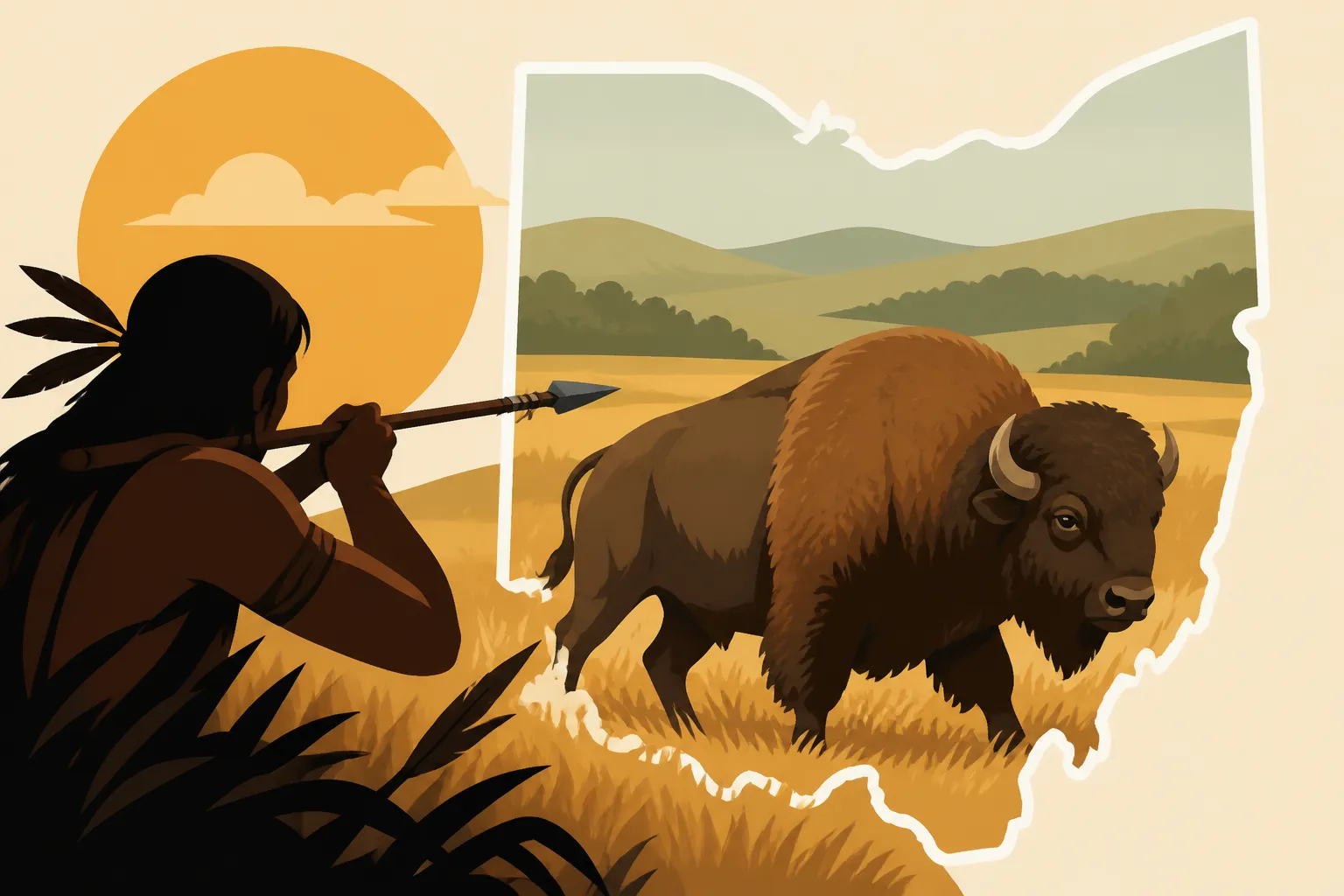
Hunting bison was a communal and highly skilled endeavor, demanding intricate knowledge of the animals' behavior, the terrain, and effective cooperative tactics. Unlike the smaller, more elusive Ohio's Squirrel and Rabbit Populations or even individual deer, a bison hunt was a monumental undertaking that could feed an entire village for an extended period. Indigenous hunters employed a variety of methods, often relying on their deep understanding of the landscape. They might orchestrate drives, guiding herds into natural traps like ravines or over bluffs, or employ sophisticated ambush techniques along established bison trails.
The processing of a bison after a successful hunt was a community-wide event. Hides were meticulously prepared for tanning, transforming them into durable leather for clothing, moccasins, and tipi coverings. Meat was preserved through smoking or drying, often as jerky, to ensure food security through leaner times, particularly the harsh Ohio winters. Bones were fashioned into tools like scrapers, awls, and even parts of agricultural implements. The rich protein and fat from bison were crucial for the health and vitality of the population. This deep reliance fostered a reciprocal relationship with the land and its resources, a stark contrast to the later commercial exploitation that would lead to the bison's eventual decline.
Cultural and Spiritual Significance
Beyond their material value, bison held immense cultural and spiritual significance for Ohio's Indigenous peoples. They often featured prominently in oral traditions, myths, and ceremonies. The strength, resilience, and nomadic nature of the bison were admired and emulated. Their life cycles, tied to the seasons and the land, provided a framework for understanding the natural world and one's place within it.
The communal aspect of bison hunting also reinforced social structures and cooperation within tribes. It was an activity that required planning, shared effort, and equitable distribution of resources, strengthening community bonds. While specific tribal names and histories in Ohio are complex and varied, the overarching theme is one of deep reverence and practical integration of bison into their way of life. The departure of bison from the Ohio landscape was not just an ecological shift; it was a profound cultural loss that irrevocably altered the lives of Indigenous communities, forcing them to adapt their traditional lifeways and economic systems. It's a poignant reminder of how deeply connected these large animals were to the human story in Ohio, a story often overshadowed by later colonial narratives.
How Bison Shaped the Ohio Ecosystem
It's easy to think of a landscape as static, but before European settlement, Ohio was a dynamic, ever-changing environment, and the American bison played a pivotal, almost architectural role in its formation and maintenance. Their presence wasn't just a matter of numbers; it was a force that actively sculpted the land, influencing vegetation patterns, soil health, and even water flow. Understanding this impact helps us appreciate just how different Ohio truly was and what was lost when these majestic creatures vanished.
Imagine vast numbers of these powerful animals moving across the terrain. They weren't just grazing; they were plowing, fertilizing, and creating microclimates wherever they went. Their grazing habits prevented the unchecked growth of woody plants, helping to maintain the open grasslands and savannas that were so critical to their survival and the biodiversity of the region. Without this constant grazing pressure, many of these open areas would have gradually reverted to dense forest, fundamentally altering the habitat for numerous other species.
Maintaining Prairies and Savannas
Bison were essentially natural landscape managers. Their selective grazing, often preferring grasses and forbs, kept these plant communities vigorous and diverse. They would crop vegetation, allowing sunlight to reach the soil and new growth to emerge. This process, coupled with occasional natural fires that swept through dry grasslands, created a fire-climax ecosystem where prairies and savannas thrived. These open habitats were crucial for many other species, including grassland birds, various insects, and smaller mammals. The decline of bison was thus not an isolated event; it initiated a cascade of ecological changes, leading to the loss of these open habitats and the species dependent on them.
Think about a modern-day deer food plot: it's a small, managed area designed to provide forage. Now, scale that up to thousands of acres, naturally maintained by bison, and you start to get a picture of the historical landscape. These large-scale grazing patterns created a mosaic of habitats, with areas of short grass, tall grass, and interspersed woodlands. This diversity provided shelter and food for an incredible array of wildlife, from songbirds to Ohio Bobwhite Quail Status, a species that also suffered from habitat loss.
Impact on Soil and Water
The heavy hooves of bison churned the soil, especially during migration or when gathered in large numbers. While this might seem destructive, it played a vital role in aerating the soil, incorporating organic matter, and facilitating seed dispersal. Their droppings, rich in nutrients, further fertilized the land, contributing to the incredible fertility of Ohio's soils. These natural processes contributed to a healthy, resilient ecosystem, able to support a vast array of life.
Bison trails also influenced water flow. Over time, these deep, worn paths could alter drainage patterns, creating depressions that collected water and formed temporary wetlands. These small, ephemeral pools were important breeding grounds for amphibians and insects, adding another layer of biodiversity to the ecosystem. The sheer biomass of bison moving through the landscape was a powerful ecological force, a reminder that the land we hunt on today has a profound and complex history, shaped by creatures long gone, much like the areas once roamed by Ohio Elk History and Extirpation. When considering how to restore or manage habitats today, understanding these historical influences, perhaps with the aid of detailed topographical maps on GoHunt, can offer valuable insights.
The Extinction of Ohio Bison
The story of the bison in Ohio is one of gradual disappearance, culminating in their complete extirpation from the state by the early 19th century. This wasn't a sudden, cataclysmic event, but rather a tragic consequence of westward expansion, unchecked exploitation, and radical changes to the landscape. Their decline mirrors the fate of other large, charismatic megafauna in the region, like the Ohio Wolf History and Extirpation, and serves as a somber lesson in the fragility of even seemingly abundant wildlife populations when faced with overwhelming human pressure.
The primary drivers of the bison's demise in Ohio were a combination of relentless hunting pressure by European settlers and catastrophic habitat destruction. Unlike Indigenous peoples who hunted for subsistence and cultural necessity, early European settlers often hunted bison for their hides, for sport, or simply to clear them from agricultural lands. This commercial and indiscriminate hunting quickly began to deplete herds that had once seemed limitless.
Early European Settlement and Exploitation
As European settlers pushed westward into Ohio, clearing land for farms and towns, the vast open grasslands and savannas that bison depended on rapidly shrank. The fragmented nature of the remaining habitat, coupled with increasing human populations, made the herds more vulnerable. Bison, being large and relatively slow-moving, were easy targets, especially when driven into vulnerable positions. Their migratory patterns were disrupted by fences, roads, and settlements, further isolating remaining populations.
By the late 18th century, bison sightings in Ohio were becoming increasingly rare. Early accounts from settlers and naturalists noted the drastic reduction in their numbers. The animals that had once carved pathways through the wilderness were now being systematically eliminated from it. The fur trade, which valued bison hides, provided a powerful economic incentive for hunters, further accelerating the slaughter. This wasn't just happening in Ohio; it was a pattern repeating itself across the eastern United States, pushing bison further and further west.
The Last Stand and Legacy
The last known wild bison in Ohio were likely killed in the very early 1800s, possibly around 1803 or 1804, in areas like the Sandusky Plains or near the headwaters of the Scioto River. These were isolated individuals, remnants of once-thriving herds. Their disappearance marked a profound ecological shift, forever changing the character of Ohio's wildlife and landscape. The open prairies began to shrink, gradually being replaced by denser secondary forests or converted into agricultural fields.
Today, while wild bison no longer roam Ohio, their legacy endures in the geological record, the historical accounts, and even the names on maps. Conservation efforts across North America have seen remarkable recoveries of bison populations in other states, a testament to what is possible with dedicated restoration work. Ohio, too, has seen incredible wildlife recoveries, like that of Wild Turkeys in Ohio and the gradual return of Ohio's Recovering Black Bear Sightings, demonstrating nature's resilience when given a chance. The story of Ohio's bison serves as a powerful reminder of the deep historical ecology of our state and the responsibility we bear as stewards of its wild places for future generations.
Extirpated Large Mammals of Ohio: A Comparison
To fully grasp the scale of the changes that swept across Ohio with European settlement, it's helpful to consider the fate of other large mammal species that once called this land home but are now extirpated or were significantly impacted.
| Species | Primary Ohio Habitat | Approximate Extirpation Date | Current Status in Ohio | Ecological Role |
|---|---|---|---|---|
| American Bison | Prairies, Savannas, Open Woodlands | Early 1800s | Extirpated | Keystone grazer, ecosystem engineer |
| Elk | Forests, Forest-Edge | Early 1800s | Extirpated | Browser of woody vegetation, large herbivore |
| Gray Wolf | Forests, Open Areas | Mid-1800s | Extirpated | Apex predator, maintained ungulate health |
| Cougar (Mountain Lion) | Forests, Remote Areas | Late 1800s | Extirpated (occasional transient sightings) | Apex predator |
This table highlights not just the loss of individual species but the significant alteration of entire ecological roles within the state. The absence of these large animals changed plant communities, predator-prey dynamics, and the very structure of the landscape. However, the success of species like Ohio River Otter Recovery and the strong populations of White-Tailed Deer Across Ohio today offer hope that with careful management and habitat protection, Ohio's wild heritage can continue to thrive and even expand.
Disclaimer
This article is for general informational purposes only and does not constitute professional advice. Laws, prices and regulations vary by location and change over time. Consult a qualified professional for guidance on your specific situation.