When Ohio Bucks Shed Antlers
There's nothing quite like the thrill of finding a shed antler, a tangible piece of the incredible annual cycle of Ohio's white-tailed bucks. But let's be honest, walking mile after mile in the cold winter woods, only to come up empty-handed, can be incredibly frustrating. It often feels like a guessing game, leaving you wondering if you're too early, too late, or just looking in the wrong spots. This guide is here to unravel that mystery, helping you understand precisely when Ohio bucks typically shed their antlers and equipping you with the knowledge to increase your chances of finding that coveted winter treasure.
The Marvel of Antler Shedding: More Than Just a Drop
Before we dive into the "when," it's helpful to understand the "why" behind this fascinating biological process. Antler shedding isn't just a random event; it's a precisely timed physiological response to hormonal changes and environmental cues. For Ohio's white-tailed deer, the entire antler cycle is driven by the seasons, particularly the diminishing daylight hours after the fall rut.
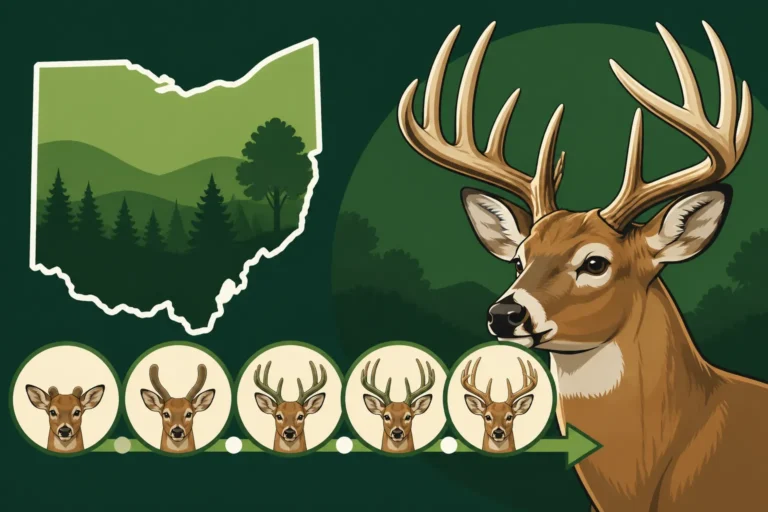
After the intense breeding season, known as the rut, a buck's testosterone levels begin to plummet. This hormonal drop is the primary trigger for antler shedding. The bone and tissue that connect the antlers to the pedicles on the buck's skull begin to break down, forming what's called an abscission layer. Eventually, this connection weakens to the point where the antlers simply fall off. It's a natural, healthy process, freeing the buck to conserve energy through the lean winter months and prepare for new antler growth in the spring.
Think of it this way: a buck pours an immense amount of energy into growing, maintaining, and using his antlers during the late summer and fall. They're heavy, require calcium and phosphorus, and are crucial for dominance displays and fighting. Once the breeding is done, they become a liability, an unnecessary drain on resources during a time when food is scarce and survival is paramount. Understanding this biological imperative helps you appreciate why bucks don't just hold onto their headgear forever. The cycle of Ohio Deer Antler Growth Timeline is a testament to their incredible adaptability.
Pinpointing the Peak: When Ohio Bucks Start Dropping
While the biological trigger is clear, the exact timing of when Ohio bucks shed their antlers can vary quite a bit, making the shed hunting game a true challenge. Generally speaking, in Ohio, you can expect the first antlers to start hitting the ground in late December, but the peak of shedding usually occurs throughout January and February. By early March, most healthy bucks in the state will have lost their antlers.
Now, this isn't a hard and fast rule, and there are definitely outliers. You might hear stories of someone finding a shed in early December, or spotting a buck still carrying both sides in mid-March. These are exceptions, not the norm. The majority of the action happens during those cold winter months. It's a window of opportunity that seasoned shed hunters eagerly anticipate, often hitting the woods right after the major gun seasons are over, eager to find what treasures the hardwoods hold.
The statewide deer herd, while robust, experiences different conditions across Ohio. For instance, bucks in the Appalachian foothills of Southeast Ohio, where the terrain is rugged and food might be more scattered, could shed slightly earlier due to environmental stress compared to those gorging on leftover crops in the rich farmlands of Northwest Ohio. Understanding the regional differences in Appalachian Ohio Versus Farm-Belt Deer can sometimes offer clues to local shedding patterns.
The Influencers: What Makes a Buck Shed Earlier or Later?
Several factors play a significant role in influencing the precise date an individual buck will shed his antlers. It's not just a flip of a switch; it's a dynamic interplay of biology and environment.
Rut Intensity and Individual Buck Variation
A buck that has participated heavily in a long, drawn-out rut will have expended more energy and often experiences a more rapid decline in testosterone, leading to an earlier antler drop. Conversely, a younger buck, or one that didn't engage as much in breeding, might hold his antlers longer. We've all seen those young two-year-olds still carrying their racks deep into March when most of the older, mature deer have been bald for weeks. The Ohio Buck-to-Doe Ratio by Region can even play a subtle role here; a skewed ratio might mean some bucks work harder during the rut than others.
Consider a mature buck in his prime during a strong rut year, perhaps in an area with a healthy population. This buck is likely to be exhausted after weeks of chasing, breeding, and fighting. His body is simply spent, and shedding those heavy antlers becomes a priority for recovery and survival. Meanwhile, a yearling buck, perhaps just dabbling in the rut for the first time, won't have the same physical toll and might keep his antlers well into late winter.
Nutritional Status and Winter Severity
The overall health and nutritional status of a buck going into winter are huge determinants. If a buck enters the cold months in poor condition – perhaps due to a meager food supply, a tough summer, or a particularly brutal rut – his body will prioritize survival. Shedding antlers is an immediate way to conserve energy and nutrients, so he's likely to drop them earlier. Years with a poor mast crop, like a bad acorn year, can lead to earlier shedding across the board. Conversely, a mild winter with abundant Late-Season Food Sources for Ohio Whitetails can allow bucks to hold onto their antlers longer.
Imagine a severe Ohio winter, with heavy snows blanketing the landscape and temperatures consistently below freezing. Bucks are forced to burn more calories just to stay warm, and finding food becomes a desperate struggle. In such conditions, shedding those antlers becomes an urgent matter for survival. Contrast that with a mild winter where the ground stays bare and browse is readily available; bucks are under less stress and might carry their antlers for an extra week or two. This is why keeping an eye on winter weather patterns and knowing about Hunting After a Poor Acorn Year can give you a leg up in predicting shed drop timing.
Age and Injury
Generally, older, more mature bucks tend to shed earlier than younger bucks. This is often attributed to their greater investment in the rut and the larger amount of resources required for their bigger antlers. There's also the factor of injury. If a buck sustains an injury to a leg, shoulder, or even his skull during the season, the stress on his body can cause him to shed the antler on the affected side prematurely, or even both antlers at once. This is a rare occurrence but certainly impacts the timing.
The following table summarizes these key factors:
| Factor | Effect on Shedding Timing | Explanation |
|---|---|---|
| Rut Intensity | High intensity = Earlier shed | More energy expended during breeding leads to faster testosterone drop. |
| Nutritional Status | Poor condition = Earlier shed | Body conserves energy/nutrients in tough times. |
| Winter Severity | Harsh winter = Earlier shed | Increased metabolic demand for warmth and food. |
| Buck's Age | Older bucks = Generally earlier shed | More investment in rut, larger antlers, higher resource drain. |
| Injury/Stress | Injury = Earlier/asymmetrical shed | Physical trauma can induce premature shedding due to stress hormones. |
| Photoperiod | Decreasing daylight = Primary trigger | Fundamental biological driver, initiates hormonal changes regardless of other factors. |
Becoming a Successful Ohio Shed Hunter
Understanding when Ohio bucks shed their antlers is just the first step. The next is applying that knowledge to actually find them. This is where scouting, patience, and a bit of luck come into play.
Timing Your Search
The absolute best time to start seriously shed hunting in Ohio is mid-January through February. By this point, most mature bucks will have dropped, and you avoid disturbing deer still holding their racks. Starting too early might spook a buck that's on the verge of shedding, potentially pushing him out of an area he regularly uses. Waiting until late February or early March is also an option, but then you're competing with hungry squirrels, mice, and other rodents that will quickly chew away at those nutrient-rich antlers. It's a race against nature!
Where to Focus Your Efforts
Knowing where to look is just as important as when. Bucks will shed their antlers in areas where they spend the most time, especially during late winter.
- Bedding Areas: Look on south-facing slopes, which offer warmth from the sun, or in dense thickets and cutovers that provide cover from wind and predators. Bucks will often drop antlers right where they've been resting.
- Feeding Areas: After the rut, a buck's primary focus is food. Check fields with leftover crops like corn or soybeans, winter wheat fields, or areas with persistent browse. Deer often drop antlers while feeding, or while traveling to and from feed.
- Travel Corridors: Look for trails connecting bedding and feeding areas. Fence lines, creek crossings, and ditches where a buck might jump or jar his head can be prime spots for an antler to pop off.
- Thick Cover: Bucks often seek sanctuary in thick cover after the hunting seasons have closed. This could be a clear-cut, a dense briar patch, or a cedar thicket. These spots require more effort but can be incredibly rewarding.
Using a mapping tool like GoHunt can be invaluable here. You can mark known bedding areas, identify thick cover, and trace potential travel routes on public or permitted private land. It helps you visualize the landscape and focus your energy. When Scouting Ohio Public Land Before Season, make notes of these areas so you can revisit them in late winter.
Tools and Tactics
- Optics: A good pair of binoculars, like 8x42s or 10x42s, can save you miles of walking. Scan open fields, distant hillsides, and even dense timber for the tell-tale gleam or curve of an antler. A quality rangefinder can also help confirm distances if you're marking potential sheds on your map.
- Grid Search: Once you identify a promising area, don't just wander aimlessly. Employ a grid search pattern. Walk a straight line, turn, and walk another straight line parallel to the first, covering the ground systematically.
- GoHunt's Mapping Power: When on the ground, use GoHunt's GPS tracking to ensure you cover an area thoroughly and don't miss any sections. You can mark specific "shed finds" as waypoints, and use the aerial imagery to pinpoint potential new spots from home. This is especially useful in vast areas like sections of Wayne National Forest Hunting or Shawnee State Forest Hunting.
- Patience and Persistence: Shed hunting is a marathon, not a sprint. You might walk for hours without seeing anything, then stumble upon a matched set. The more time you put in, the better your chances. Don't be discouraged by empty outings.
- Shed Dogs: If you're serious about finding sheds, consider training a dog. Breeds like Labrador Retrievers or German Shorthaired Pointers can be trained to sniff out antlers, greatly increasing your efficiency, especially in heavy cover.
- Dress for the Weather: Ohio winters can be brutal. Dress in layers, wear waterproof boots, and prepare for cold, wet conditions. You'll be moving slowly, so a good Cold-Weather Sitting Strategy in Ohio for your body warmth is essential, even if you're on the move.
The quest for shed antlers is a rewarding pursuit that extends the hunting season and connects you deeper with the natural rhythms of Ohio's deer. By understanding the biological timing and leveraging smart scouting strategies, you'll be well on your way to adding those prized pieces of bone to your collection. Don't forget that many of the techniques used for finding sheds are similar to Shed Hunting on Ohio Public Land, focusing on high-traffic and high-use areas for deer.
Disclaimer
This article is for general informational purposes only and does not constitute professional advice. Laws, prices and regulations vary by location and change over time. Consult a qualified professional for guidance on your specific situation.