Ohio Deer Vehicle Collisions
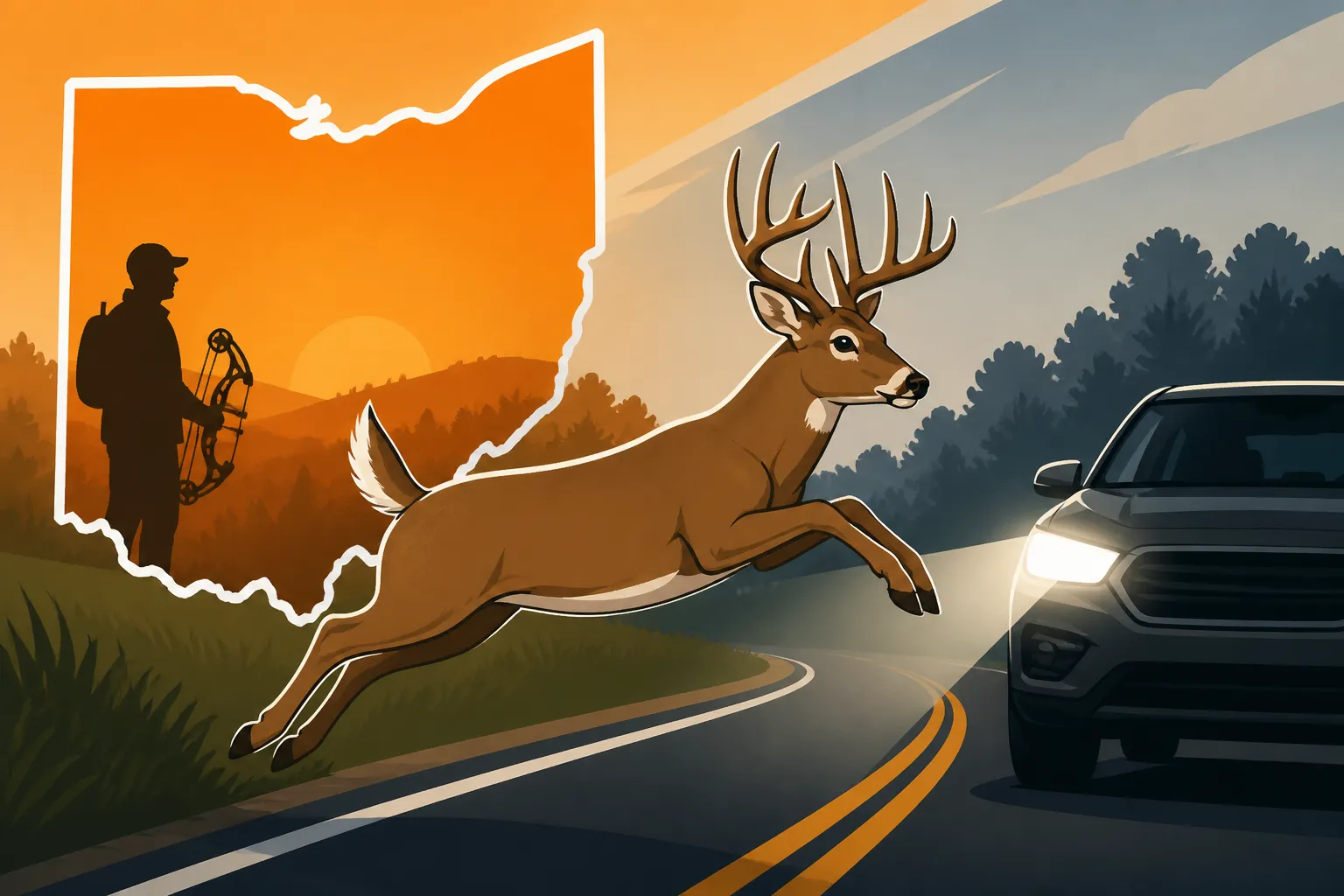
For anyone who lives or drives through Ohio, the sight of a deer bounding across a road is all too familiar. What's even more sobering is the devastating impact these beautiful animals can have when they collide with vehicles, leading to property damage, serious injuries, and even fatalities. This guide aims to shed light on the pervasive issue of deer-vehicle collisions in Ohio, offering insight into why they happen, when and where they're most likely, and crucially, what steps you can take to minimize your risk and what to do if you unfortunately find yourself in such a situation.
The Unavoidable Reality: Why Ohio's Roads Are a Deer Hotspot
Ohio's landscape, a mosaic of dense woodlands, sprawling farmlands, and burgeoning suburban areas, creates an ideal habitat for white-tailed deer. While this abundance is a blessing for hunters, it presents a significant challenge for drivers. Deer are constantly moving between food sources, bedding areas, and seeking mates, often crossing busy roads and highways that dissect their natural travel corridors. The sheer volume of the deer population means that encounters with vehicles are not just possible, but highly probable, especially in certain times and places.
The statistics surrounding deer-vehicle collisions in Ohio are quite staggering. Each year, tens of thousands of these incidents are reported, costing Ohioans millions in vehicle repairs, insurance claims, and medical expenses. This isn't just about a dented fender; it's about the very real danger posed to human lives. Many people don't realize just how powerful an impact with a deer can be, transforming a routine commute into a life-altering event in an instant. It's a risk we all face, whether we're heading out for a morning hunt or simply running errands.
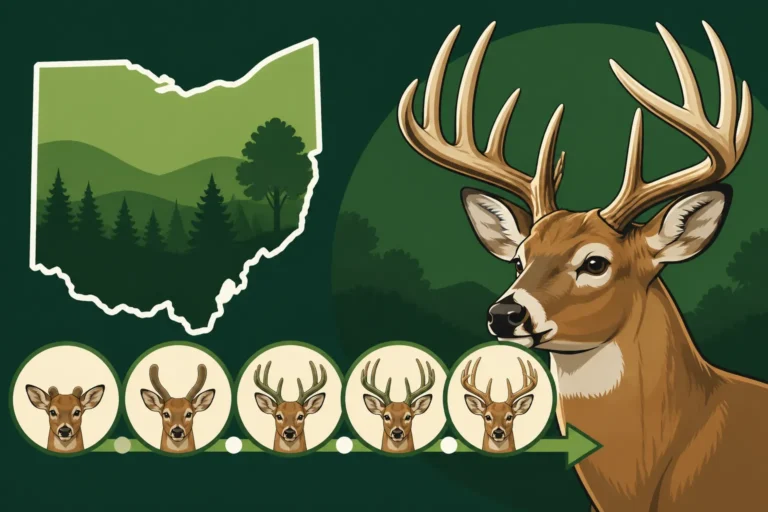
Certain periods of the year see a dramatic spike in these collisions. The most notorious time is undeniably autumn, particularly during the months of October, November, and early December. This coincides with the breeding season, often referred to as "When the Ohio Rut Peaks", when deer, especially bucks, are far less cautious and more active, covering greater distances in search of does. Additionally, dawn and dusk are consistently the most dangerous times, as deer are naturally crepuscular, meaning they are most active during these low-light hours. These are often peak commuting times for humans, creating a perfect storm for collisions.
Geographically, collisions tend to be higher in rural counties with large forested areas and significant deer populations, but suburban areas are far from immune. In fact, the interface between development and natural habitat can be particularly problematic, as deer navigate smaller woodlots and green spaces surrounded by high-traffic roads. Areas near major state forests or extensive wildlife areas will naturally see more deer movement, increasing the likelihood of an unfortunate encounter.
Decoding Deer Behavior: What Drives Them Into Your Path
Understanding why deer behave the way they do is the first step in anticipating their movements and, hopefully, avoiding a collision. It's not just random chance; there are biological and environmental factors at play that put these animals in harm's way on our roads. From their seasonal routines to their innate survival instincts, many elements influence when and where a deer might dart out in front of your vehicle.
One of the primary drivers of deer movement is their constant search for food and water. As seasons change, so do their preferred forage options. In the spring and summer, they might be browsing on lush greens in agricultural fields or forest edges. Come fall, their focus shifts to acorns, corn, and other mast crops, which might require them to cross open spaces or roads to reach desirable feeding grounds. In winter, with natural food sources scarce, deer often concentrate in areas with residual crops or browse, making them predictable in some ways, but still prone to crossing roads to access these resources. Hunting pressure, particularly during "Ohio's Two-Weekend Gun Deer Season", can also push deer into unfamiliar areas or across roads as they evade hunters.
The rut, as mentioned earlier, is a critical period for heightened deer activity and consequently, increased collision risk. During "The Ohio Rut in Early November", bucks become single-minded in their pursuit of does, often ignoring potential threats like oncoming traffic. Does, in turn, are also more active as they are pursued, making both sexes more prone to reckless dashes across roads. Beyond the rut, young deer, particularly yearlings, are often expelled from their mother's territory in the spring and summer, forcing them to find new home ranges. These inexperienced deer are less aware of dangers and more likely to make poor decisions near roads.
Habitat fragmentation also plays a huge role. As Ohio continues to develop, roads, subdivisions, and commercial properties slice through what were once continuous deer habitats. This forces deer to cross these man-made barriers simply to access different parts of their traditional range, whether it's to reach a secluded bedding area or a preferred feeding plot. Think of a deer living in a small woodlot near a busy highway; to survive, it must cross that road at some point. Furthermore, deer often travel in groups, so if you see one deer cross the road, it's wise to assume there might be others following close behind, even if they aren't immediately visible. This group behavior can lead to multiple deer crossing at once, increasing the risk of multiple impacts or a driver swerving to avoid one and hitting another. Keeping an eye on your GoHunt app for local deer activity can give you a heads-up on potential crossing areas.
Your Shield on the Road: Practical Tips to Avoid Collisions
While we can't completely eliminate the risk of hitting a deer in Ohio, there are many proactive steps drivers can take to significantly reduce their chances of an unfortunate encounter. It's all about heightened awareness, understanding the dynamics of deer behavior, and adopting defensive driving habits, especially during those high-risk times of day and year. Think of it as scouting for deer on the road, much like hunters scout for them in the woods.
First and foremost, slow down, especially at dawn and dusk, and particularly in areas marked with deer crossing signs. These signs aren't just suggestions; they're based on historical data indicating frequent deer activity. Reducing your speed gives you more reaction time to spot a deer and brake safely. Increasing your following distance from other vehicles is also crucial, as it allows you more space to react if the car in front suddenly swerves or brakes for an animal. On unfamiliar roads, consider consulting mapping tools or community forums – even a quick look at local hunting reports or a check on the GoHunt platform for recent sightings can clue you into current high-activity zones for deer.
Be attentive and scan the road ahead and the shoulders. Deer rarely just pop up in the middle of the lane; they often pause at the edge of the woods or a field before crossing. Look for their eyes reflecting your headlights, which can appear as two bright, eerie dots in the darkness. Remember the "one deer means more" rule; if you spot a deer, slow down and be prepared for others to follow. Deer are herd animals, and it’s common for several to cross in succession. Swerving to avoid a deer can often lead to a more dangerous situation, such as colliding with another vehicle, a tree, or losing control. It's usually safer to brake firmly and stay in your lane, even if impact is unavoidable.
Many communities are exploring solutions beyond just driver awareness. These can include deer fencing along highways, installing roadside reflectors or deterrents (though their effectiveness is debated), or even working with wildlife agencies to manage local deer populations. For instance, increased antlerless deer permits in areas with high deer densities, as outlined in "Ohio Deer Management Permits", can help reduce overall numbers, which in turn might slightly lessen the collision risk over time. However, these are long-term solutions, and individual driver vigilance remains the most immediate and impactful preventative measure. Even in areas where deer populations are thought to be declining due to factors like "EHD Die-Offs in Ohio Deer", it only takes one animal to cause an accident.
Here's a quick reference table for high-risk times and driving tips:
| Risk Factor | High-Risk Period/Condition | Driving Tip |
|---|---|---|
| Time of Day | Dawn (5-8 AM) | Slow down, use high beams when safe, scan roadsides. |
| Dusk (5-8 PM) | Reduce speed, use high beams when safe, look for eye shine. | |
| Season | October – December (Rut) | Be extra vigilant, especially during peak rut, assume deer are active. |
| Spring (fawns dispersing) | Watch for smaller, less predictable deer. | |
| Location | Rural roads near woods/fields | Heed deer crossing signs, anticipate crossings. |
| Suburban edges | Be aware of deer moving between green spaces and developed areas. | |
| Visibility | Fog, heavy rain, snow | Reduce speed significantly, increase following distance. |
| Deer Behavior | One deer sighted | Expect more deer to follow; they rarely travel alone. |
| Deer darting out | Brake firmly, stay in lane, avoid swerving. |
After the Impact: Navigating a Deer-Vehicle Collision in Ohio
Even with the utmost care, sometimes a collision with a deer is simply unavoidable. When it happens, the moments immediately following the impact can be chaotic and frightening. Knowing what steps to take can help ensure your safety, address legal requirements, and handle the aftermath as smoothly as possible. Panic is a natural reaction, but a clear head can make all the difference.
Your immediate priority is safety. If possible, pull your vehicle safely off the road, turn on your hazard lights, and assess yourself and any passengers for injuries. Even if you feel fine, adrenaline can mask pain, so take a moment. Never approach an injured deer. A wounded animal, even one that appears docile, can be unpredictable, dangerous, and inflict serious injury. If the deer is still alive but injured, it's best to leave it alone and report it to the proper authorities. This is also a good time to reference the "Ohio Wildlife Disease Monitoring" guidelines, as reporting sick or injured animals can contribute to public health and wildlife management.
Next, you'll need to report the incident. Contact local law enforcement (sheriff's office or state highway patrol) to report the collision, especially if there's significant vehicle damage, personal injury, or if the deer is blocking traffic. They can assist with traffic control, proper handling of the animal, and documenting the incident for insurance purposes. You may also need to file an accident report with your insurance company. Remember, most comprehensive auto insurance policies cover deer-vehicle collisions, but details matter for your claim. It's always a good idea to take photos of the scene, your vehicle damage, and the deer if it's safe to do so, as documentation can be invaluable for insurance claims.
When it comes to the deer carcass, Ohio has specific regulations. If you wish to claim the deer, you must contact a law enforcement officer or the Ohio Department of Natural Resources (ODNR) within 24 hours to have a tag issued. You cannot simply take the deer without this official authorization. The officer will typically issue a tag on the spot or direct you on how to obtain one. This process helps the state monitor deer populations and manage wildlife resources. Failure to report and tag a claimed deer can result in fines. If you don't wish to keep the deer, the authorities will arrange for its removal from the roadway. It's a system designed to ensure responsible handling, whether you're dealing with a deer taken during "Ohio's Two-Weekend Gun Deer Season" or an unfortunate collision. Even after a collision, the ODNR might collect data on the incident, so your report helps contribute to the overall "Ohio Deer Herd Size" and "Ohio Annual Deer Harvest" numbers.
Disclaimer
This article is for general informational purposes only and does not constitute professional advice. Laws, prices and regulations vary by location and change over time. Consult a qualified professional for guidance on your specific situation.