Why Wyandot County Leads Ohio’s CWD Count
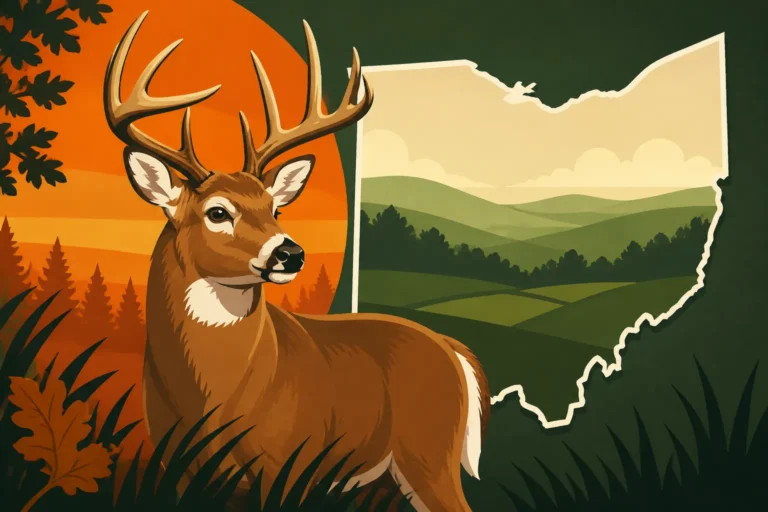
It can be incredibly disheartening to hear about the ongoing challenges facing Ohio's deer herd, especially when you're deeply invested in the health of our wildlife. For many hunters, the mention of Chronic Wasting Disease (CWD) brings a knot to the stomach, and the constant news about Wyandot County leading Ohio's CWD count can feel particularly frustrating. This guide will dive into the specific reasons why Wyandot County has become a focal point for CWD in our state, offering a realistic look at the situation and what it means for Ohio hunters.
Understanding Chronic Wasting Disease in Ohio
Chronic Wasting Disease is a serious, fatal neurological disease that affects deer, elk, and moose. It's caused by an abnormal protein called a prion, which slowly degrades the animal's brain. Think of it like a slow, insidious invader that silently works its way through the nervous system, eventually leading to symptoms like extreme weight loss (wasting), stumbling, drooling, and a general lack of fear of humans. It's not a bacterial or viral infection in the traditional sense, and that's part of what makes it so challenging to manage. These prions are incredibly hardy and can persist in the environment for years, making containment a real uphill battle.
The frustrating part for us as hunters is that CWD can spread in several ways. Direct contact between animals, like nose-to-nose greetings or sharing food sources, is a common route. But it can also spread indirectly through the environment. When an infected deer sheds prions through saliva, urine, or feces, those prions can contaminate soil, plants, and water sources. Other deer then come along, ingest these prions, and the cycle continues. This environmental persistence is why containing CWD isn't as simple as vaccinating a herd or treating sick animals. It requires a long-term, comprehensive approach that involves monitoring, herd management, and hunter cooperation. For a broader overview of the disease and its impact, you can learn more about Chronic Wasting Disease in Ohio Deer.
The Ohio Department of Natural Resources (ODNR) takes CWD very seriously because of its potential to decimate deer populations and impact hunting traditions. While there's currently no evidence of CWD being transmitted to humans, health agencies still recommend against consuming meat from infected animals. This adds another layer of concern for hunters who rely on venison for their freezer. The disease's slow progression means an infected deer might appear perfectly healthy for a year or more before symptoms emerge, making early detection and proactive management absolutely critical.
The Unfortunate Reality: Why Wyandot County is Ground Zero
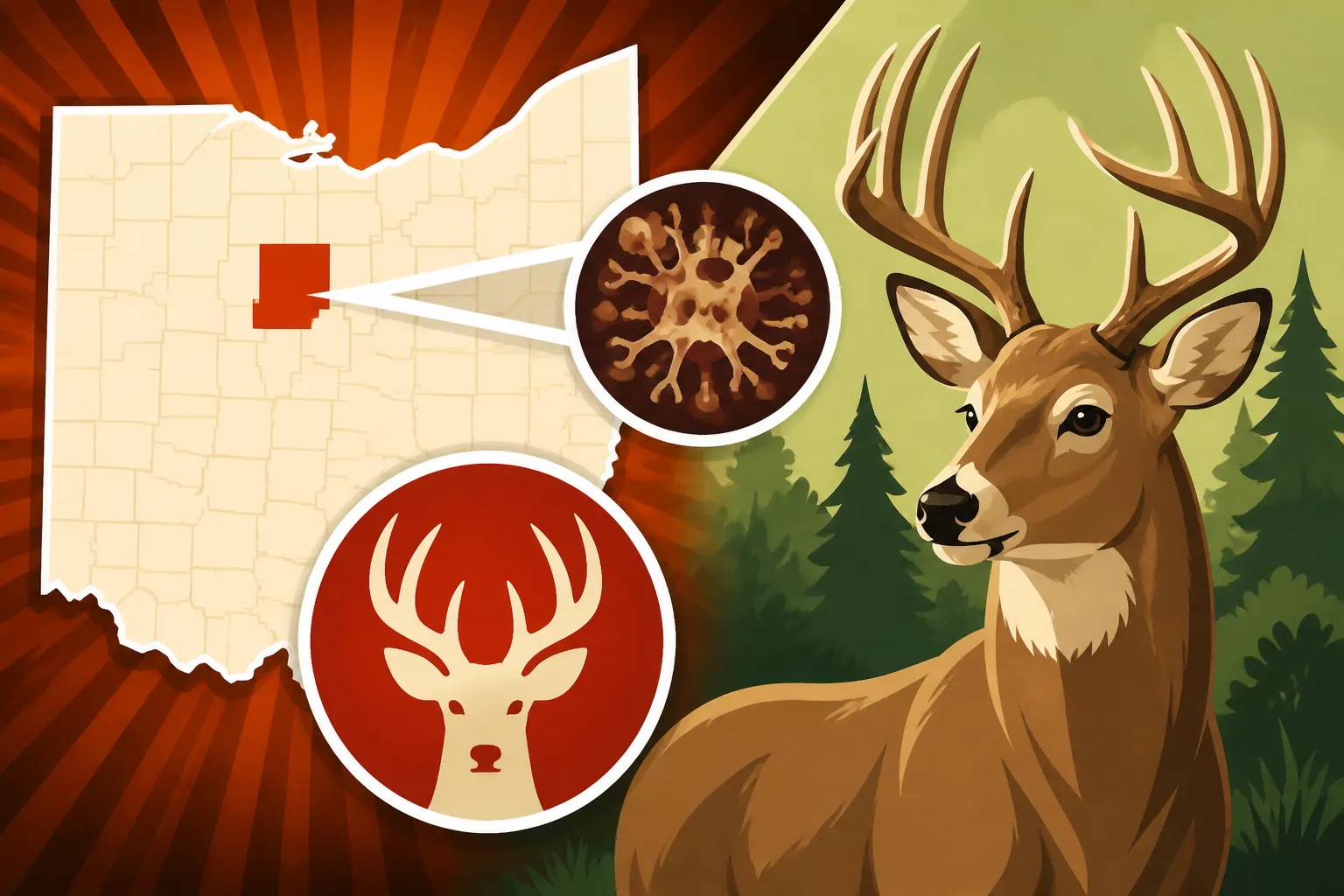
When you look at the map of Ohio's CWD cases, Wyandot County definitely stands out. It's not just a coincidence; there are several interlocking factors that have contributed to its unenviable position at the top of the CWD count. Understanding these factors is key to grasping the complexity of the challenge.
Firstly, the initial detection of CWD is often the biggest determinant of where the highest numbers will be reported. In Ohio, CWD was first identified in a captive deer facility in Holmes County, but a significant wild deer case was later confirmed in Wyandot County, prompting immediate and intensive surveillance efforts. When you start looking hard in one area, you're naturally going to find more. It’s like turning over rocks; if you only turn over rocks in one field, you’ll find more bugs there than in fields you haven’t searched. This initial detection triggered the establishment of the Chronic Wasting Disease Surveillance Area (DSA), which now covers several counties, including all of Wyandot. More details on How CWD Reached Wyandot County can explain this further.
Secondly, deer density plays a massive role. Wyandot County, situated in Ohio's rich agricultural belt, often boasts a healthy, dense deer population. More deer living in close proximity means more opportunities for direct nose-to-nose contact and faster environmental contamination. Imagine a crowded party versus a quiet gathering; diseases spread much more quickly where individuals are packed together. The availability of abundant food sources from agricultural fields helps support these higher densities, inadvertently creating a perfect storm for CWD transmission. ODNR's efforts to manage deer populations are a continuous balancing act, trying to maintain healthy herds while mitigating disease risks.
Thirdly, the landscape itself contributes. While much of Ohio has rolling hills and dense timber, Wyandot County is characterized by large tracts of farmland interspersed with smaller woodlots and fencerows. Deer frequently utilize these limited pockets of cover and linear travel corridors, concentrating their movements and making it easier for prions to accumulate in high-traffic areas. When deer are forced into smaller spaces, their shared use of bedding areas, feeding locations, and rub lines increases. This continuous recycling of prions in these confined areas can significantly amplify the disease's presence. For those interested in regional deer populations, it’s a stark contrast to areas like Appalachian Ohio Versus Farm-Belt Deer.
Finally, the proactive and robust testing efforts in Wyandot County and within the DSA mean that more deer are sampled, and therefore, more cases are identified. If testing were equally intensive across every county in Ohio, we might see different numbers. But because Wyandot is a primary focus area, the data reflects that concentrated effort. Hunters within the DSA are required to submit deer for testing during specific periods, which leads to a more comprehensive understanding of the disease's prevalence in that localized area. This consistent monitoring is crucial for tracking the spread and effectiveness of mitigation strategies. The platform "GoHunt" provides tools and resources that can help hunters understand these local regulations and testing requirements, allowing them to prepare effectively for their hunts within these zones.
Living with CWD: Mandatory Testing and Carcass Restrictions
For hunters in and around Wyandot County, particularly within the designated Chronic Wasting Disease Surveillance Area (DSA), the presence of CWD has introduced new rules and responsibilities. These aren't meant to make hunting harder, but rather to help contain the disease and protect the long-term health of Ohio's deer herd. It's a collective effort, and hunter cooperation is absolutely vital. You can find out Which Counties Sit Inside the Ohio DSA to see if these rules apply to you.
The most significant change for many is the implementation of mandatory testing. During specific periods, especially during opening weekends of firearm seasons, hunters who harvest deer within the DSA are required to submit their deer for CWD testing. This often means bringing the deer, or at least its head, to a designated CWD sampling station or a self-serve kiosk. It might feel like an extra step, but these samples provide critical data points that help wildlife biologists track the disease, understand its prevalence, and inform future management decisions. Getting your deer tested is a direct way you can contribute to the health of the herd. Learn more about Mandatory CWD Testing Windows in the DSA.
Carcass movement restrictions are another key component of CWD management. To prevent the further spread of prions to unaffected areas, there are limitations on what parts of a deer harvested in the DSA can be transported outside of the zone. Generally, you can move boned-out meat, capes (without the skull or spinal column), antlers (with or without velvet attached, provided all brain tissue is removed), and hides. However, whole carcasses or parts containing the brain or spinal column, where prions are most concentrated, are typically prohibited from leaving the DSA. This can be a significant adjustment for hunters who traditionally take their deer home for processing. You might need to make arrangements for professional processing within the DSA, or be prepared to bone out your deer in the field. Understanding Ohio Carcass Movement Restrictions is crucial for compliance.
These regulations are enforced to create a buffer zone, minimizing the risk of a new CWD outbreak in a clean county. ODNR provides numerous resources, including maps of sampling stations and detailed guides on proper carcass handling. Utilizing tools like those offered by "GoHunt" can also help hunters quickly locate sampling sites and review up-to-date regulations before heading into the field. It’s a small inconvenience for the greater good, ensuring that our hunting opportunities remain viable for generations to come.
Here's a quick overview of key CWD management actions for hunters in the DSA:
| Action Category | Description | Hunter Responsibility |
|---|---|---|
| Mandatory Testing | During specific deer firearm season weekends, deer harvested in the DSA must be submitted for CWD testing. This typically involves taking the deer's head to a designated station. | Check ODNR regulations annually for specific dates and locations. Be prepared to submit your deer's head. Self-serve kiosks are available for convenience. |
| Carcass Movement | Whole carcasses or high-risk parts (brain, spinal column, lymph nodes) cannot be transported out of the DSA. | Field dress and bone out your deer in the DSA before transport. Only boned-out meat, cleaned hides, skull plates, and antlers can leave the zone. Consider local processing. |
| Baiting Restrictions | Baiting and feeding deer are generally prohibited in the DSA to prevent congregation of deer, which can increase disease transmission. | Know the specific rules regarding attractants and food plots in your hunting area. Avoid actions that unnaturally concentrate deer. |
| Reporting Sick Deer | Reporting deer exhibiting CWD symptoms (emaciation, neurological signs, abnormal behavior) is vital for early detection and response. | If you see a deer with CWD-like symptoms, do not harvest it. Immediately contact ODNR or the Ohio Wildlife Disease Monitoring hotline. |
| Venison Consumption | While there is no known human transmission, health agencies recommend against consuming meat from CWD-positive deer. | Wait for CWD test results before consuming venison from a harvested deer. If positive, do not consume the meat. Dispose of the carcass appropriately as per ODNR guidelines. |
Looking Ahead: Managing CWD and Protecting Ohio's Deer Herd
The fight against Chronic Wasting Disease is a marathon, not a sprint. There's no magic bullet, and managing CWD effectively requires a multifaceted approach that involves wildlife agencies, researchers, and, crucially, the hunting community. Ohio's efforts are ongoing, focusing on both containment and understanding the disease better to protect our cherished deer herds.
One of the primary strategies is continued surveillance and testing. The more data we collect, especially from areas like Wyandot County with higher CWD prevalence, the better equipped we are to understand the disease's spread and adapt our management tactics. This means encouraging voluntary testing in non-mandatory periods and ensuring mandatory testing compliance during designated weekends. Every sample submitted provides another piece of the puzzle for the ODNR wildlife biologists. Utilizing the resources provided by platforms like "GoHunt" can help hunters stay informed about current testing protocols and station locations, making it easier to participate.
Beyond testing, habitat management plays a critical role. While it might seem counterintuitive, sometimes actions that reduce deer density in certain areas can help slow the spread of CWD by decreasing direct contact opportunities. This can involve adjusting antlerless deer harvest regulations in affected areas or promoting specific harvest quotas. The goal is not to eradicate deer, but to maintain a healthy, resilient population that is less susceptible to rapid disease transmission. Hunters who fill an Ohio Antlerless-Only Permit Late in Ohio are actively participating in herd management.
Research is also continuously advancing, seeking better ways to detect CWD earlier, understand prion behavior in the environment, and develop potential long-term solutions. Ohio actively participates in regional and national CWD research efforts, collaborating with other states facing similar challenges. We all hope for a breakthrough, but until then, vigilance and sound management practices are our best tools. Donating samples for research or participating in hunter surveys are other ways to contribute to this vital work.
As hunters, we have a vital role in protecting Ohio's deer herd. Beyond complying with regulations, it's about being informed and responsible. Educating ourselves and our fellow hunters about CWD, properly handling harvested deer, and reporting any suspected sick animals are all critical steps. This collective stewardship ensures that future generations can continue to enjoy the rich tradition of deer hunting in Ohio. For detailed information on identifying and reporting sick animals, please refer to Reporting a Sick Animal in Ohio. The health of our wild places, and the animals that call them home, truly depends on all of us.
Disclaimer
This article is for general informational purposes only and does not constitute professional advice. Laws, prices and regulations vary by location and change over time. Consult a qualified professional for guidance on your specific situation.