Ring-Necked Pheasants in Ohio
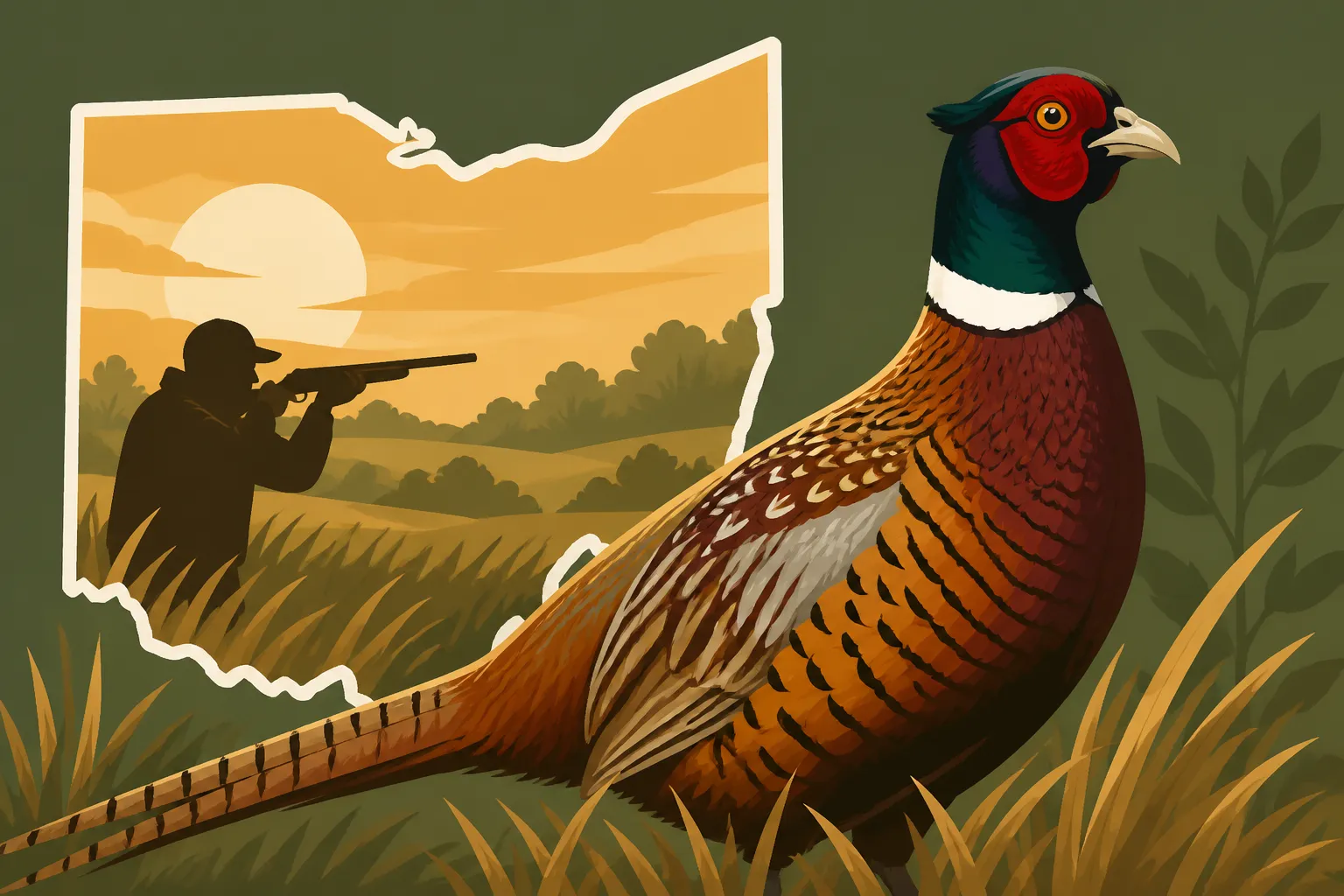
For many Ohio hunters, the thought of ring-necked pheasants conjures images of a bygone era, fields bursting with colorful birds, and the exhilarating flush that defines upland hunting. Today, the reality is a bit more nuanced, with wild populations struggling and hunting opportunities often relying on stocked birds. This comprehensive guide aims to unpack the complex world of pheasant hunting in Ohio, from its rich history to current challenges and what you can expect when heading afield.
The Fading Glory: Understanding Ohio's Pheasant Legacy
It's tough to talk about pheasants in Ohio without a bittersweet sigh. For generations, the ringneck was king of the fields, an iconic symbol of agricultural abundance and thriving rural landscapes. Many hunters, myself included, grew up hearing tales from their grandfathers about phenomenal pheasant hunts, memories that often feel like relics from a different time.
Historical Abundance and Early Introductions
The ring-necked pheasant isn't native to Ohio, but its introduction in the late 19th and early 20th centuries was nothing short of a massive success story. These hardy birds, originally from Asia, found Ohio's developing agricultural landscape to be prime real estate. Vast expanses of small grain crops, hayfields, and weedy fencerows provided everything a pheasant needed: food, cover, and nesting sites. The Ohio Department of Natural Resources (ODNR) and private sportsmen's groups played a significant role in widespread stocking efforts, and the birds rapidly proliferated across the state's farm belt. It wasn't long before the pheasant became a naturalized and much-loved part of Ohio's wildlife.
The Golden Age of Ohio Pheasant Hunting
From the 1940s through the 1960s, Ohio was considered a pheasant hunting paradise. Hunters would often recount stories of driving through counties like Wyandot, Hardin, or Darke and seeing dozens of pheasants along the roadsides. Fields held large coveys, and the crisp autumn air was often punctuated by the cackle of flushing roosters. This was a time when walking a half-mile fencerow could yield multiple flushes, and a limit of colorful birds was a realistic expectation for a diligent hunter and a good dog. This era cemented the pheasant's place in Ohio's hunting heritage, creating traditions and memories that endure even as the birds themselves have become scarcer.
Why the Wild Pheasant Population Declined So Drastically
Sadly, that golden age began to wane. The reasons for the dramatic decline in wild pheasant populations in Ohio are complex, but they boil down primarily to sweeping changes in agricultural practices and habitat loss. If you've been around Ohio's rural areas for a while, you've witnessed it firsthand: small family farms giving way to large-scale operations, fence rows being ripped out to plant more acres, and diverse crop rotations replaced by monoculture corn and soybeans. These changes meant less nesting cover, fewer winter food sources, and reduced escape cover for pheasants. Pesticide use also reduced insect populations, a critical food source for pheasant chicks.
Furthermore, increased predation pressure and harsher winters without adequate cover took their toll. The combination of these factors created a perfect storm, slowly eroding the robust wild populations that once thrived here. It’s a frustrating reality for many hunters, especially those who remember the good old days and now wonder, "Why Wild Pheasants Faded From Ohio." The loss isn't just about hunting opportunities; it's about the ecological shift that has impacted so many of our ground-nesting birds.
Where to Find Pheasants (or Their Substitutes) in Ohio Today
Given the challenging state of wild pheasant populations, hunters in Ohio need to adjust their expectations and strategies. It's no longer about simply heading to any farm field and expecting to find birds. Instead, opportunities are concentrated in specific areas or rely on programs designed to supplement the population.
The Reality of Wild Pheasant Pockets
While the widespread, booming wild pheasant populations of yesteryear are largely gone, tiny pockets of wild birds do still exist. These areas are typically found in counties with particular habitat types, often a mosaic of smaller agricultural fields, unmanaged grasslands, and thicker cover that has somehow escaped intensive farming practices. Places where you might find "Where Wild Pheasants Persist in Ohio" are usually areas with strong conservation efforts, or where specific landowners are dedicated to creating and maintaining pheasant-friendly habitat. These are not easy hunts. These birds are extremely wary, know their escape routes, and will hold tight, making a good bird dog almost a necessity. Success in these rare wild strongholds often comes down to extensive scouting, permission from dedicated landowners, and a good dose of luck. Don't expect to find limits in these areas, but the satisfaction of flushing a truly wild Ohio rooster is immense.
Ohio's Pheasant Stocking Program: A Lifeline for Hunters
For the vast majority of Ohio pheasant hunters, the most reliable opportunities come from the state's extensive pheasant stocking program. The ODNR Division of Wildlife releases thousands of pen-raised pheasants at various public hunting areas throughout the season. These birds provide a controlled and accessible hunting experience, ensuring that hunters, especially those without private land access, still have a chance to pursue pheasants. The birds are typically released ahead of key weekends or holidays, and the stocking schedule is usually made public. You can often find information about "Ohio Pheasant Stocking Locations" on the ODNR website, which is invaluable for planning your hunts. While these aren't wild birds, they offer a thrilling flush and a chance to work your dog, making it a viable option for many.
Private Land Opportunities and Controlled Hunts
Beyond public land stocking, private land offers significant pheasant hunting potential, especially for those willing to put in the effort to secure permission. Farmers who participate in conservation programs like the Conservation Reserve Program (CRP) might have ideal habitat, and many are open to hunters if approached respectfully and well in advance of the season. Sometimes, these private lands can host remnant wild populations, or they might be used for private stocking by hunting clubs or individuals.
Additionally, Ohio offers some controlled pheasant hunts, often requiring a lottery application. These hunts provide a structured experience on specific wildlife areas, often with higher densities of stocked birds and managed access to ensure a quality outing. Keep an eye on the ODNR's controlled hunt announcements; applying for these can sometimes be a great way to experience high-quality pheasant hunting. Companies like GoHunt can be excellent resources for identifying potential private land access strategies and for mapping out areas where controlled hunts might be offered in the Buckeye State. Remember, always get written permission when hunting private land to avoid any legal issues and to maintain a good relationship with landowners.
Hunting Techniques for Ohio Ringnecks
Hunting pheasants in Ohio, whether wild or stocked, requires a specific set of tactics. These birds are cunning, fast, and often hold incredibly tight, making the flush a heart-stopping moment. Adapting your approach to the cover and the behavior of the birds is key to success.
Walking Up Birds in Cover
For many solo hunters or small groups without dogs, "walking up" pheasants is the primary technique. This involves systematically covering pheasant habitat, moving slowly and deliberately to push birds out of their hiding spots. Focus on prime areas like dense fencerows, standing weeds, brush piles, tall grasses, and the edges of standing corn or soybean fields. It's often best to walk into the wind, as pheasants prefer to run into the wind before flushing, and it can also help carry scent for any accompanying dog.
When walking, think like a pheasant: where would you hide if you wanted to avoid detection? Walk zigzag patterns, pause often (birds will sometimes flush when you stop, thinking they've been spotted), and kick at thick clumps of cover. This method takes patience and persistence, especially with increasingly wary birds. On public land, you'll often encounter other hunters doing the same, so safety and communication are paramount. Remember that these birds love to run, so staying parallel to a thick cover strip can sometimes be more effective than walking directly through it, trying to cut off their escape route.
Using Bird Dogs Effectively in Ohio Terrain
There's no denying it: a good bird dog dramatically increases your chances of success and enhances the overall pheasant hunting experience. Whether you prefer a pointing dog like a German Shorthaired Pointer or an English Setter, or a flushing dog like a Labrador Retriever or a Springer Spaniel, their ability to find, flush, and retrieve birds is invaluable. For more on this, you might check out resources on Running Pointing Dogs on Ohio Pheasants. In Ohio's diverse landscape, from thick cattail marshes to dense briar patches, a dog can get into cover that's impenetrable for a human.
When hunting with a dog, pay attention to their body language. A pointing dog locked on scent or a flushing dog working a hot trail is telling you where the bird is. Keep communication clear, control your dog's range to ensure they don't get out of shooting distance, and always reward good behavior. On public stocked lands, dogs are especially effective at finding birds that might be hiding deep in cover or those that ran after being initially flushed. For information on what kind of gear you'll need for your four-legged hunting partner, consider looking into Bird Dog Gear for Ohio Farm Country. It’s a partnership, and a well-trained dog makes the hunt infinitely more productive and enjoyable.
Strategizing for Stocked Birds vs. Wild Ones
It's crucial to understand that stocked pheasants often behave differently from their wild counterparts. Stocked birds, being pen-raised, might be less wary and less prone to running. They often hold incredibly tight, sometimes flushing right at your feet, and may not run as far once on the ground. This means a slower, more thorough approach, meticulously combing cover, can be very effective.
Wild pheasants, however, are masters of evasion. They will run, use every bit of available cover to their advantage, and flush when you least expect it, often at the very edge of gun range. Hunting wild pheasants requires more stealth, better anticipation of escape routes, and a willingness to cover a lot of ground in challenging terrain. Focus on edges, funnels, and isolated patches of cover that might harbor a resident bird. The satisfaction of connecting with a truly wild Ohio rooster is unparalleled, a testament to the hunter's skill and the bird's tenacity. For both types of hunting, good planning on a platform like GoHunt can help you scout and locate potential cover before you even step foot in the field.
Essential Gear for Ohio Pheasant Hunters
Just like any other hunting endeavor, having the right gear can make all the difference when pursuing pheasants in Ohio. From your firearm to your footwear, being prepared for the conditions and the specific type of hunting you'll be doing will ensure a more comfortable, safer, and ultimately more successful experience.
Shotguns and Ammunition Choices
For pheasant hunting, a reliable shotgun is paramount. Most hunters opt for a 12-gauge or 20-gauge, with both pump-action and semi-automatic models being popular choices. These gauges offer a good balance of shot payload and recoil, suitable for upland birds. Barrel length often comes down to personal preference, but anything from 26 to 28 inches provides good swing and maneuverability in thick cover. Over/under or side-by-side shotguns are also excellent for upland hunting, offering quick follow-up shots. For detailed advice on this, you might explore topics like Upland Guns for Fencerow Cover.
When it comes to ammunition, lead shot is generally permissible for pheasants on private land, but you'll need to check specific regulations for public hunting areas, as some may require non-toxic shot. For lead, common shot sizes include 5 or 6, which provide a good pattern and enough energy for pheasants. Use appropriate chokes; modified or improved cylinder are popular choices for pheasants, offering a good spread for close-flushing birds without sacrificing too much range. Always pattern your shotgun with your chosen load before the season to understand its performance.
Appropriate Hunting Apparel and Footwear
Ohio weather can be unpredictable, especially during the fall pheasant season. Layering is key. Start with moisture-wicking base layers, add insulating mid-layers like fleece or wool, and finish with a durable, briar-resistant outer layer. Heavy-duty brush pants or chaps are almost a necessity, as you'll be pushing through thorny briar patches, multiflora rose, and thickets. Look for pants made from tough nylon or canvas.
Footwear is equally important. You'll be covering a lot of ground, often in muddy, uneven, or wet conditions. Waterproof, comfortable upland boots with good ankle support are essential. Brands like Irish Setter or Danner offer excellent options that can withstand the rigors of walking Ohio's fencerows and fields. A good hunting vest with plenty of pockets for shells, a water bottle, and a large game pouch for carrying your birds is also a must-have. Finally, don't forget your blaze orange! Ohio requires hunters to wear a certain amount of hunter orange during various seasons, and it's always a good idea for visibility and safety, especially in dense cover.
Navigational Tools and Safety Gear
Safety should always be your top priority. Beyond blaze orange, carry a small first-aid kit for minor cuts, scrapes, or thorn punctures. A whistle can be useful for communicating with hunting partners or your dog, especially in thick cover. Always let someone know where you're hunting and when you expect to return.
For navigation, a GPS unit or a reliable mapping app on your smartphone (like those offered by GoHunt) is incredibly useful, especially on larger public lands or when navigating unfamiliar private properties. These tools help you keep track of your location, mark spots where you flushed birds, and ensure you stay within legal hunting boundaries. Always download offline maps, as cell service can be spotty in many rural Ohio areas. A good knife for field dressing, a pair of game shears, and a small cooler with ice for transporting your birds are also practical items to bring along.
Ohio's Pheasant Season and Regulations
Understanding the specific rules and regulations is critical for any Ohio pheasant hunter. These regulations are designed to manage the pheasant population, ensure fair chase, and provide safe hunting opportunities. Don't assume you know the rules; they can change, and ignorance is no excuse.
Key Season Dates and Bag Limits
Ohio's pheasant season typically runs from early November through early January, aligning with other small game seasons. However, it's crucial to check the most current ODNR hunting digests for precise dates, as they can shift slightly year-to-year. The daily bag limit for pheasants is generally two roosters (male birds) per hunter. Hens (female birds) are protected and may not be harvested, which means you must be able to visually identify a male pheasant before you shoot. This is usually easy due to their vibrant plumage, but in low light or thick cover, careful identification is important. On stocked public lands, these rules still apply, but the opportunities are often concentrated around specific release dates. Always consult the official Ohio Small Game and Upland Bird Seasons guide published by the ODNR.
License Requirements and Habitat Stamp Programs
To hunt pheasants in Ohio, you'll need a valid Ohio hunting license. Non-residents also need a non-resident hunting license. Additionally, anyone hunting pheasants on certain public lands, especially those participating in the stocking program, may be required to purchase an "Ohio Pheasant Permit Requirement" stamp. This permit helps fund the pheasant stocking program and habitat improvements. It's a small investment that directly supports the hunting opportunities you're enjoying. These licenses and permits can usually be purchased online through the ODNR's Wild Ohio customer portal, at license vendors, or by phone. Always carry proof of your license and permits while hunting.
Special Rules for Stocked Areas and Controlled Hunts
When hunting on ODNR-managed public lands where pheasants are regularly stocked, there are often additional rules to be aware of. These might include specific hunting days, shooting hours, or even designated parking areas to manage hunter pressure. For example, some wildlife areas might have "youth-only" hunting days or require hunters to check in and out. The ODNR provides detailed maps and information for these areas, often available on their website or at the wildlife area's information kiosks.
For controlled hunts, the rules are even more specific. These hunts often have a limited number of participants, require pre-registration or a lottery draw, and may have different bag limits or designated hunting zones within the area. Participants are usually given a briefing on the rules and safety protocols before the hunt begins. Always familiarize yourself with these unique regulations before heading out to ensure a smooth and enjoyable hunt. Being prepared means you'll spend more time hunting and less time worrying about potential violations.
Habitat Management and Conservation Efforts
The future of pheasants in Ohio, particularly wild populations, hinges on dedicated habitat management and conservation efforts. It's a long game, requiring sustained commitment from state agencies, private landowners, and conservation organizations.
ODNR Initiatives for Upland Birds
The Ohio Department of Natural Resources (ODNR) is at the forefront of efforts to support upland birds, including pheasants. Their primary strategy revolves around habitat improvement on state-owned wildlife areas. This includes planting native grasses, creating food plots, establishing dense shrub cover, and managing wetlands to provide diverse habitats. They also participate in federal programs aimed at grassland restoration. While the pheasant stocking program ensures hunting opportunities, the long-term goal for wild birds relies on creating self-sustaining populations through robust habitat. You can find out more about these efforts on the ODNR website, specifically related to Ohio Pheasant Stocking Locations and general upland habitat work. These initiatives are vital, and understanding them helps hunters appreciate the challenges and efforts involved in wildlife conservation.
Farmer Programs and Private Landowner Partnerships
Given that much of Ohio's potential pheasant habitat is on private land, partnerships with farmers and private landowners are absolutely crucial. Programs like the Conservation Reserve Program (CRP), administered by the USDA Farm Service Agency, incentivize farmers to convert marginal cropland into perennial grasses, legumes, and other wildlife-friendly cover. This creates excellent nesting, brood-rearing, and winter cover for pheasants and other ground-nesting birds. The Ohio Division of Wildlife also works with landowners to provide technical assistance and advice on creating and enhancing wildlife habitat on their properties. These voluntary conservation efforts are the backbone of any hope for increasing wild pheasant numbers. Organizations like Pheasants Forever and Quail Forever also play a huge role, working directly with landowners to implement habitat projects and advocating for policies that benefit upland game birds. When you secure permission from a landowner with CRP ground, you're often hunting land that's part of this larger conservation picture.
The Future of Pheasants in the Buckeye State
Looking ahead, the future of ring-necked pheasants in Ohio is a mixed bag. The widespread, robust wild populations of the past are unlikely to return to their former glory, given the current agricultural landscape. However, targeted habitat restoration, coupled with continued stocking efforts, means that pheasant hunting will likely remain a viable, albeit different, pursuit. The focus will remain on maintaining quality habitat pockets on public lands and incentivizing private landowners to create and maintain suitable cover.
Continued research into pheasant biology and habitat needs will also be important. The challenge is immense, but the dedication of hunters, conservationists, and the ODNR ensures that the cackle of a flushing rooster will hopefully continue to echo across Ohio's fields for generations to come. Your participation, whether through purchasing licenses and permits or supporting conservation organizations, plays a direct role in this ongoing effort.
Challenges and Rewards of Ohio Pheasant Hunting
Pheasant hunting in Ohio today presents a unique set of challenges compared to previous decades, but it also offers incredible rewards for those willing to adapt and appreciate the experience for what it is.
Dealing with Pressure and Limited Access
One of the biggest frustrations for many Ohio pheasant hunters is dealing with increased hunter pressure, especially on public lands where birds are regularly stocked. Opening day and weekends can see a significant number of orange-clad hunters and their dogs, making for crowded conditions. This pressure can cause birds to flush wild or become even more wary, making a successful hunt harder. It's a common complaint, and it's certainly not the experience of walking endless, unpressured fields that older generations recall.
Limited access to prime private land is another significant hurdle. With more intensive farming and changing land ownership, securing permission can be tough. Many landowners are hesitant due to liability concerns or simply prefer not to have hunters on their property. This forces more hunters onto public lands, exacerbating the pressure issue. Hunters often feel a sense of frustration trying to find ground others haven't already walked through, making it harder to find undisturbed birds. Using tools like GoHunt can help identify potential public land boundaries and even highlight parcels that might be worth asking permission on.
The Thrill of a Hard-Earned Flush
Despite the challenges, the thrill of a pheasant flush remains one of hunting's most exciting moments. The explosive cackle, the vibrant colors of a rooster bursting from cover, and the swift flight path make every shot opportunity a high-stakes adrenaline rush. When you’ve walked miles, worked your dog tirelessly, and finally connect with a bird, whether it’s a wily wild rooster or a freshly stocked one, the satisfaction is immense. It’s a tangible reward for your effort, persistence, and skill.
This experience is particularly profound when you find a wild bird in one of Ohio's few remaining pockets. That bird represents a small victory for conservation, a survivor in a landscape that's largely changed. These moments underscore why so many hunters continue to pursue pheasants, even when the odds feel stacked against them. It’s about the brief, spectacular encounter that makes all the effort worthwhile.
Preserving the Tradition for Future Generations
Ultimately, the act of pheasant hunting in Ohio is about more than just harvesting a bird; it's about preserving a cherished tradition. For many, it's an opportunity to connect with nature, with history, and with family and friends. Introducing new hunters, especially youth, to the sport helps instill an appreciation for wildlife, habitat, and the outdoors. Teaching them about the history of pheasants in Ohio, the challenges they face, and the efforts being made to conserve them, makes the experience far richer than just pulling a trigger.
Even if limits are harder to come by, the memories made afield – the camaraderie, the crisp autumn air, the working of a good dog, and the hope of that next cackle – are what truly endure. By continuing to hunt, supporting conservation efforts, and acting as ethical stewards of the land, we help ensure that the tradition of pheasant hunting, in whatever form it takes, will continue for future generations of Ohio sportsmen and women.
Ohio Pheasant Hunting Quick Reference
To help you plan your Ohio pheasant hunts, here's a quick reference table for general season dates, bag limits, and licensing requirements. Always consult the current year's Ohio Hunting and Trapping Regulations Digest for the most up-to-date and specific information, as dates and rules can change.
| Category | Description |
|---|---|
| Hunting License | Required for all hunters (resident/non-resident options available). |
| Ohio Pheasant Permit | Often required for hunting pheasants on public lands, especially stocked areas. Check ODNR regulations. |
| General Season Dates | Typically runs from early November to early January. Exact dates vary annually, check ODNR digest. |
| Daily Bag Limit | Two (2) male pheasants (roosters) per hunter. |
| Possession Limit | Four (4) male pheasants. |
| Legal Shooting Hours | Generally sunrise to sunset. Verify exact times in the ODNR digest. |
| Legal Game | Only male (rooster) pheasants may be harvested. Hen pheasants are protected. |
| Shot Type | Lead shot generally permitted on private land; non-toxic shot often required on public lands, especially waterfowl production areas. Always confirm for your specific hunting area. |
| Blaze Orange/Pink | Required during certain hunting seasons. Check specific requirements for pheasant season overlap. |
| Public Land Stocking | ODNR stocks pheasants on various public wildlife areas. Schedules and locations are usually posted on the ODNR website. |
| Controlled Hunts | Special hunts may be available, often requiring a lottery application. |
This table serves as a handy overview, but remember, the official ODNR Hunting and Trapping Regulations Digest is your ultimate source for all current rules and dates.
Disclaimer
The information provided in this guide is for general informational purposes only and is not intended as legal advice or a substitute for official regulations. Hunting laws and regulations in Ohio are subject to change. Always consult the most current Ohio Department of Natural Resources (ODNR) hunting and trapping regulations digest or contact the ODNR directly for precise and up-to-date information before engaging in any hunting activities. Hunters are responsible for knowing and adhering to all applicable laws and regulations.