Coyotes and Predators in Ohio
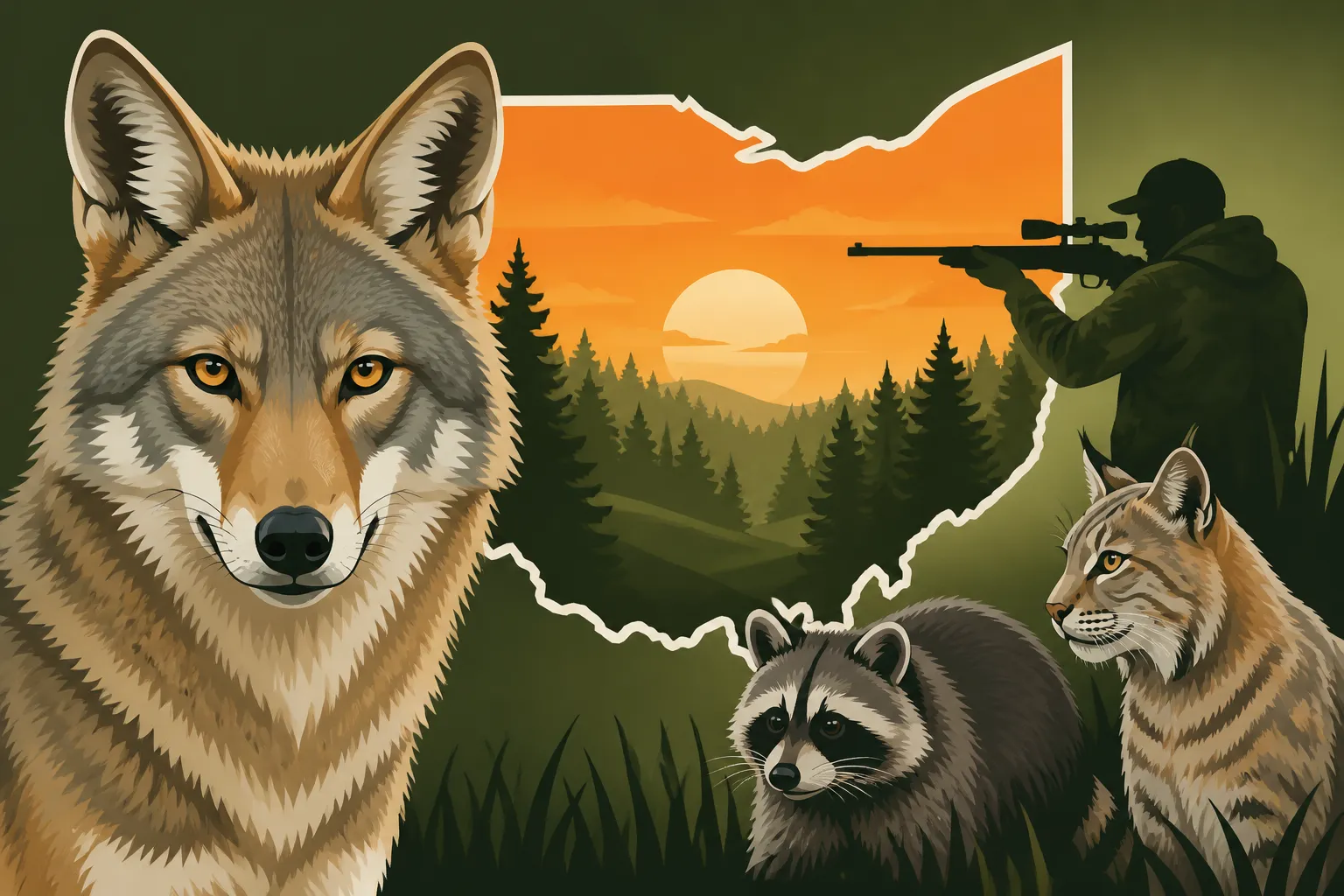
It’s a frustration many Ohio hunters know all too well: you’ve scouted, you’ve planned, you’ve put in the hours, only to find deer sign sparse, or your turkey nest cameras show signs of unwelcome visitors. The truth is, whether you’re chasing whitetails, gobblers, or pheasants, you’re also navigating a landscape increasingly shaped by predators. This comprehensive guide will pull back the curtain on Ohio’s primary predators, focusing heavily on the adaptable coyote, but also delving into bobcats and foxes, giving you the knowledge and tactics to understand their impact and, if you choose, to effectively manage their populations on your hunting grounds.
The Rise of the Coyote in Ohio: An Unstoppable Force
For generations, many Ohioans thought of coyotes as a western animal, something seen in documentaries, not in their own backyards or woodlots. But times have changed, and these incredibly adaptable canids have not only established themselves across the entire state but have thrived in nearly every habitat imaginable. Their expansion and current prevalence are a testament to their resilience and intelligence, creating both challenges and opportunities for hunters.
From Western Plains to Buckeye State
The story of the coyote's arrival in Ohio is a fascinating tale of ecological adaptation and perseverance. Historically, Ohio was the domain of the gray wolf, the apex predator of the region. As European settlement progressed, wolves were extirpated from the state by the mid-1800s due to habitat loss and intense persecution. This left a massive ecological vacuum, and nature, as it always does, abhorred a void. Coyotes, originally creatures of the western plains and deserts, began expanding their range eastward in the absence of their larger competitor, the wolf, and with changing land use that favored their opportunistic nature.
They weren't "introduced" in Ohio by any official program; rather, they walked here. The first confirmed sightings in Ohio occurred in the late 1930s in the western counties, primarily Van Wert. From there, they slowly but steadily spread, leveraging agricultural landscapes with abundant small prey, and eventually infiltrating even the more fragmented suburban woodlots. This natural dispersal continued for decades, largely unnoticed by the casual observer, until their presence became undeniable across all 88 counties. Their success lies in their incredible adaptability – they can eat almost anything, live almost anywhere, and reproduce prolifically. This journey from a rare sighting to a ubiquitous presence highlights a significant shift in Ohio’s ecological tapestry, one that profoundly impacts other wildlife populations.
Current Distribution and Population Trends
Today, it's safe to say that if you're in Ohio, you're in coyote country. There isn't a single county where they haven't been documented, from the dense urban fringes of Cleveland and Cincinnati to the remote, rugged hills of Appalachian Ohio. Their presence is felt by farmers protecting livestock, suburban homeowners dealing with missing pets, and, most certainly, by hunters. While the exact number of coyotes in Ohio is notoriously difficult to pinpoint due to their elusive nature and wide distribution, general trends indicate a stable, if not increasing, population. The Ohio Department of Natural Resources (ODNR) monitors harvest data, roadkill reports, and public sightings, all of which confirm their widespread presence.
In agricultural areas, such as those found while Hunting Northwest Ohio Farmland Deer, coyotes thrive on abundant rodents, rabbits, and even corn and other crops. Their density can be quite high here, often going undetected in the vast expanses of fields and woodlots. In the more forested and rugged terrain of southern Ohio, like the Wayne National Forest, they utilize dense cover and topography to their advantage, preying on deer fawns and small game. Even in highly populated suburban areas, coyotes have learned to navigate green spaces, parks, and even backyards, subsisting on garbage, outdoor pet food, and small urban wildlife. This adaptability to various food sources and cover types is why their numbers remain robust, making them a constant factor in wildlife management and hunting strategies across the entire state, as detailed in reports like Ohio Coyote Range and Density. They are truly Ohio's most successful and widespread large predator.
Ohio's Other Notable Predators: Beyond the Coyote
While the coyote often dominates conversations about Ohio's predators, it’s important to remember that they are not alone. The Buckeye State is home to a diverse array of other carnivorous species, each playing a unique role in the ecosystem. Some are making incredible comebacks, while others remain more common than many realize. Understanding these other predators helps paint a fuller picture of the complex web of life that influences hunting success and wildlife populations.
Bobcats: A Quiet Comeback Story
The bobcat's journey in Ohio is a true conservation success story, a testament to dedicated efforts and natural habitat recovery. Once common across Ohio, bobcats, like many other large predators, were largely extirpated by the mid-1800s due to deforestation, habitat fragmentation, and unregulated hunting and trapping. For well over a century, their presence was a distant memory, with only sporadic, unconfirmed sightings. However, beginning in the late 20th century, particularly in the rugged, heavily forested regions of southeastern Ohio, confirmed sightings began to increase.
These solitary and elusive felines naturally recolonized Ohio from neighboring states, benefiting from reforestation efforts, particularly in counties like Noble, Washington, and Monroe. The proliferation of younger, regenerating forests, coupled with the return of an abundant prey base of rabbits, squirrels, and white-tailed deer fawns, created ideal conditions. Today, while still not widespread across the entire state, the bobcat population is considered stable and recovering in its stronghold in the unglaciated Appalachian region of southeastern Ohio. The ODNR actively monitors their numbers and range, and they remain a protected species with no open hunting or trapping season. Seeing a bobcat in the wild is still a rare and thrilling experience, a symbol of wildness reclaiming its footing in Ohio, as discussed in Ohio's Recovering Bobcat Population.
Red and Gray Foxes: The Smaller Carnivores
Before the coyote became the dominant canid, red and gray foxes were the primary mid-sized predators in many Ohio landscapes. These cunning creatures, while smaller than coyotes, are highly efficient hunters and scavengers, playing crucial roles in controlling rodent and rabbit populations. However, their populations have also experienced shifts, often influenced by the presence of coyotes.
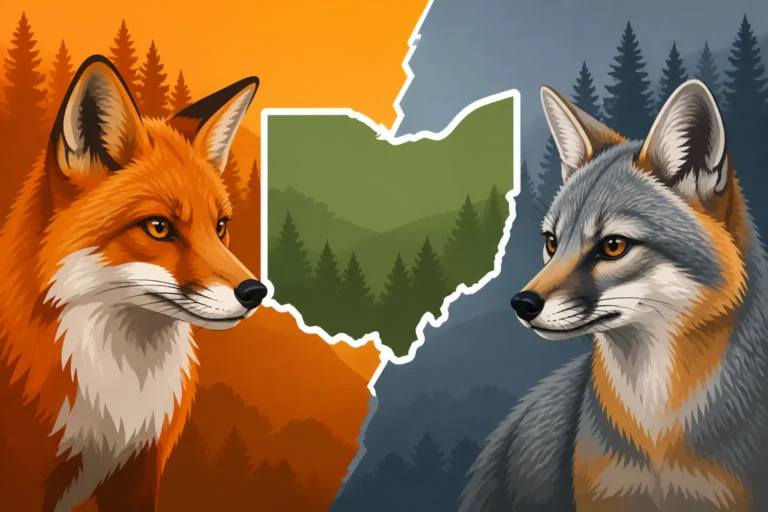
Red foxes are typically more common in agricultural areas and open country, often characterized by their striking rusty-red fur and white-tipped tail. They are highly adaptable and will readily hunt mice, voles, rabbits, and ground-nesting birds, but they are also known to take poultry if given the opportunity. Gray foxes, on the other hand, prefer denser, more wooded habitats. They are unique among canids in their ability to climb trees, a remarkable adaptation that helps them escape larger predators like coyotes and access arboreal prey. Differentiating between Ohio Red Fox Versus Gray Fox Range is key for hunters and trappers; reds generally prefer open fields and farmlands, while grays stick to the deep woods and thickets. The presence of coyotes has put pressure on both fox species. Coyotes are known to kill foxes, viewing them as competitors for food resources. This phenomenon, known as "coyote effect," can lead to a decrease in fox populations, especially red foxes, in areas with high coyote densities, pushing them into more marginal habitats or making them even more nocturnal and secretive.
River Otters: Masters of the Waterways
While perhaps not immediately thought of as a "predator" in the same vein as coyotes or bobcats, the river otter is a highly efficient carnivore that holds a significant place in Ohio's aquatic ecosystems. Like bobcats, river otters were largely extirpated from Ohio by the early 20th century due to extensive habitat destruction, water pollution, and unregulated trapping. Their comeback, however, has been nothing short of spectacular, representing another major conservation success story.
Beginning in the late 1980s and continuing through the 1990s, the ODNR undertook a reintroduction program, releasing otters in suitable waterways, primarily in eastern Ohio. Coupled with improving water quality and increasing wetland and riparian zone protection, these efforts allowed otters to not only survive but thrive. Today, river otters can be found in virtually every major watershed in Ohio, from the headwaters of small creeks to the larger rivers like the Muskingum and Ohio. These playful, semi-aquatic mammals primarily feed on fish, crayfish, frogs, and other aquatic invertebrates, helping to maintain the health of aquatic ecosystems. While their impact on typical "game species" is minimal compared to terrestrial predators, their presence is a clear indicator of improving environmental health and biodiversity in Ohio's waterways. They remain a protected furbearer with a regulated trapping season, reflecting their sustained recovery.
Understanding Coyote Behavior and Ecology in Ohio
To effectively hunt or simply understand coyotes, it’s crucial to delve into their behavior and ecological role. These aren't just random animals roaming the landscape; they are highly intelligent, adaptable creatures with complex social structures and hunting strategies. Understanding their habits is the first step in successful interaction, whether you're trying to call one in or just observe them from afar.
Diet and Hunting Habits
Coyotes are the ultimate opportunists, a trait that has allowed them to thrive in diverse environments across Ohio. Their diet is incredibly varied, making them truly generalist predators. While they certainly take larger prey when the opportunity arises, their primary food sources often consist of small mammals like mice, voles, rabbits, and groundhogs. They'll also readily consume birds, eggs, insects, reptiles, and even certain plant matter, especially fruits and berries during the warmer months. Roadkill is a significant food source, particularly in winter, providing crucial sustenance when live prey is harder to come by. This varied diet means they are rarely constrained by the availability of a single food item, giving them a significant survival advantage.
When it comes to hunting, coyotes exhibit a range of behaviors. They can be solitary hunters, stalking small prey like a cat, or they can hunt in pairs or small family groups to tackle larger animals. For instance, two or three coyotes might work together to test a deer herd, attempting to isolate a vulnerable fawn, an injured adult, or an older, weaker individual. Their hunting peaks during crepuscular hours – dawn and dusk – but they are often active throughout the night, especially in areas with human disturbance. During periods of scarcity, or in areas with high deer density, they will undoubtedly target deer, particularly fawns during the spring and early summer. Understanding this opportunistic and varied hunting behavior is key to anticipating their movements and planning effective hunting or trapping strategies.
Social Structures and Territory
Coyote social structures are often misunderstood, frequently oversimplified as "packs" like wolves. While they do form family groups, true wolf-like packs with strict hierarchies are less common in coyotes, especially in areas like Ohio where prey is often smaller and more dispersed. Typically, a coyote "pack" is actually a breeding pair and their offspring from the current year, sometimes with a few older, non-breeding offspring from previous litters. These family units work together to hunt, raise pups, and defend their territory.
Territories can vary greatly in size depending on habitat quality and prey availability, ranging from a few square miles in rich agricultural lands to much larger expanses in less productive areas. Coyotes mark their territories with urine, scat, and vocalizations, particularly howling. Their distinct howls, yips, and barks serve multiple purposes: communicating location, rallying the family, warning off intruders, and even mourning. Breeding usually occurs in late winter, typically February, with pups born in underground dens in April or May. Dens can be old groundhog burrows, hollow logs, or even thick brush piles. Hunting Ohio's Deer Herd in the fall means you'll encounter coyotes that are highly territorial and perhaps more vocal as their young begin to disperse and they prepare for the next breeding cycle. Understanding these social dynamics helps predict where and when coyotes might be most active and responsive to calls.
Habitat Preferences Across Ohio's Diverse Landscape
One of the most remarkable aspects of coyotes in Ohio is their incredible ability to adapt to nearly any habitat type the state offers. Unlike some species that require specific niches, coyotes are true generalists, capable of thriving in a wide range of environments. This adaptability is a cornerstone of their success and why they've spread to every corner of the state.
In the vast agricultural belt of northwest Ohio, coyotes utilize the mosaic of row crops, fallow fields, woodlots, and thick fencerows. These areas provide excellent cover, abundant small game like rabbits and voles, and often deer as well. They'll often den in secluded woodlots bordering large fields, using the field edges for travel and hunting. In the rolling hills and deep woods of Appalachian Ohio, such as the Wayne National Forest or Shawnee State Forest, coyotes adapt to the more rugged terrain. Here, they'll use dense timber for cover, travel along ridge tops and creek bottoms, and target fawns and small game. The broken terrain offers ample denning sites and escape routes. Even in urban and suburban fringes, coyotes find a way. They navigate park systems, golf courses, utility corridors, and even residential backyards. Their uncanny ability to remain unseen, despite being in close proximity to humans, is part of their mystique. They quickly learn to avoid human activity during the day and become highly nocturnal. This widespread distribution and flexibility in habitat use means that regardless of where you hunt in Ohio, understanding the local cover and food sources will be paramount to locating and interacting with coyotes.
Legal Framework for Hunting and Trapping Predators in Ohio
Engaging with Ohio's predator populations, whether through hunting or trapping, requires a clear understanding of the state's regulations. The Ohio Department of Natural Resources (ODNR) sets specific rules to ensure ethical practices, sustainable management, and public safety. These rules can differ significantly between species and methods, so staying informed is not just a good idea, it's a legal requirement.
Ohio Coyote Hunting Season Rules
Unlike many game species with specific opening and closing dates, coyotes in Ohio enjoy a unique status: they can be hunted year-round, day or night, with few restrictions. This continuous open season reflects the ODNR's recognition of their abundant and widespread population, as well as the desire to offer options for population control to landowners and hunters. This means you don't need to wait for a specific season to try Coyote Calling in Ohio Winter or even target them during warmer months.
However, while the season is open, there are crucial regulations to be aware of. Hunters must possess a valid Ohio hunting license. There are no bag limits, meaning you can harvest as many coyotes as you deem appropriate. Perhaps the most important specific rules pertain to night hunting and equipment. For night hunting, a spotlight or other artificial light source is permitted, but there are regulations on their use, especially when hunting from a vehicle or near roads. The use of thermal and night vision optics for hunting coyotes is generally legal in Ohio, a significant advantage for those pursuing these nocturnal animals. During daylight hours, any legal hunting weapon for deer (shotgun, straight-wall rifle, muzzleloader, archery equipment) can be used for coyotes. When hunting during an open deer or turkey season, you must still comply with all blaze orange requirements if applicable for the primary species you are pursuing. Always double-check the current Ohio Hunting and Trapping Regulations digest, as rules can occasionally change.
Trapping Regulations for Furbearers
Trapping offers another effective method for managing coyote and other furbearer populations in Ohio. However, trapping is a specialized skill governed by a stricter set of regulations than hunting. To trap any furbearing animal in Ohio, including coyotes, foxes, raccoons, and muskrats, you must possess a valid Ohio trapping license, in addition to a general hunting license if you also intend to hunt.
The trapping season for furbearers like coyotes and foxes typically opens in November and extends through January or February, providing a specific window of opportunity when furs are prime. There are strict rules regarding trap types, sizes, and where they can be set. For instance, foothold traps must meet minimum and maximum jaw spread requirements, and killer-type traps (like conibears) also have size restrictions and often require being set submerged in water or in specific enclosures to prevent non-target catches. Traps must be checked at least once every 24 hours, and trapped animals must be humanely dispatched. Setting traps on private land requires landowner permission, and there are specific setbacks required from roads, trails, and dwellings. Understanding these nuances is critical not just for legality, but for ethical and responsible trapping. Proper Running a Trapline in Rural Ohio involves meticulous planning, knowledge of the law, and a commitment to animal welfare.
| Predator Calling Sound Type | Primary Purpose | When to Use It | Notes |
|---|---|---|---|
| Distress Calls | Mimics injured prey (rabbit, fawn, bird) | Most versatile; anytime, anywhere | Often elicits an aggressive, investigative response. Start soft, increase. |
| Coyote Howls | Locating coyotes, challenging territorial animals | Early morning, late evening, or night | Can provoke a response howl or bring in curious/territorial coyotes. |
| Coyote Barks/Yips | Aggression, curiosity, communication | After howls, or when coyotes are close | Signals presence to others, can draw in wary coyotes. |
| Pup Distress | Mimics a lost or injured coyote pup | Especially effective during breeding/denning season | Can draw in protective adults, especially females. |
| K-9 Challenge | Mimics an intruder coyote | Best during the rut (Jan-Feb) | Can bring in aggressive males looking for a fight. |
Effective Coyote Hunting Strategies: Becoming a Predator Yourself
Hunting coyotes is a challenging and rewarding pursuit that demands patience, stealth, and a deep understanding of their behavior. They are notoriously wary animals, making successful hunts a true test of a hunter's skill. Unlike deer hunting, where you might sit patiently for hours, coyote hunting often involves more dynamic tactics, blending calling, stalking, and strategic setups.
Calling Techniques and Sequences
Calling is arguably the most effective and popular method for hunting coyotes in Ohio. The goal is to mimic sounds that trigger a coyote's natural instincts, drawing them into range. There are several categories of calls, each with its own purpose:
- Distress Calls: These are the bread and butter of coyote calling. They mimic a wounded or dying animal, such as a rabbit, fawn, or bird. The sound of distress taps into a coyote's predatory drive, making them think an easy meal is nearby. Calls like the "rabbit in distress" are universally effective. When using distress calls, start softly and gradually increase volume. Mimic an animal struggling, then pausing, then struggling again. This makes the sound more realistic.
- Coyote Vocalizations: Howls, barks, and yips can be incredibly effective, especially for locating coyotes or challenging territorial animals. A lone howl can solicit a response howl, giving away a coyote's location. A challenge howl might bring in an aggressive male during the breeding season (January-February). Barking and yipping can pique curiosity.
- Pup Distress: The sound of a distressed coyote pup can be extremely potent, particularly during the denning and pup-rearing season (spring and early summer). Adult coyotes, especially females, may come in aggressively to investigate or protect their young.
A typical calling sequence might involve starting with a few locator howls to see if any coyotes respond. If not, transition to a distress call, using varied volume and cadence for 1-2 minutes, then pause for several minutes, scanning thoroughly. Repeat this sequence for 20-30 minutes per stand. Patience is paramount; coyotes often circle downwind before committing, so be ready to shoot in any direction. Many hunters use electronic calls, like those offered by GoHunt, which can produce a wide array of realistic sounds and can be placed away from the hunter to divert attention. However, mouth calls are also highly effective and offer more nuanced control.
Stand Placement and Wind Considerations
Successful coyote hunting is heavily reliant on strategic stand placement and meticulous attention to wind direction. Coyotes have an incredibly keen sense of smell, and they will almost always attempt to approach a call from downwind to get a scent of the "prey" or "intruder" before exposing themselves. Ignoring the wind is a surefire way to educate coyotes and send them scurrying away before you even see them.
When scouting for potential stands, look for areas with good visibility but also ample cover for you to conceal yourself. Field edges, creek bottoms, ridge saddles, and areas where different types of cover converge are often prime locations. Consider your entry and exit routes, making sure you can get to and from your stand without spooking potential coyotes. Once you've chosen a location, set up so the prevailing wind carries your scent away from where you expect the coyote to approach. Often, this means positioning yourself on the upwind side of a travel corridor, with open ground downwind so you can see coyotes trying to circle. Using an application like Scouting Ohio Public Land Before Season can help you identify promising terrain features and plan approach routes. Always be prepared for a coyote to appear unexpectedly, sometimes even directly upwind if they are extremely curious or aggressive. Look for elevation advantages, which allow you to see over terrain, but also consider thermals, especially during morning and evening hunts. Warm air rises in the morning, carrying scent uphill, while cool air falls in the evening, carrying scent downhill. Understanding these micro-climates can make all the difference.
Night Hunting Tactics and Equipment
Hunting coyotes at night presents a unique set of challenges and opportunities, particularly in Ohio where Night Hunting Rules for Ohio Coyotes are quite permissive compared to some other states. The cover of darkness often makes coyotes bolder and more active, but it also demands specialized equipment and heightened safety awareness. This is where modern technology truly shines for the predator hunter.
The most common tools for night hunting include powerful spotlights, often paired with red or green filters, which coyotes are less sensitive to than white light. However, thermal and night vision optics have revolutionized night hunting. Thermal imaging scopes and monoculars allow hunters to detect the heat signature of an animal, making it possible to spot coyotes in complete darkness, thick brush, or even through light fog. Night vision, which amplifies ambient light, also works well, particularly in moonlight. When using these tools, understanding the terrain and knowing your shooting lanes beforehand is crucial, as depth perception can be challenging. Always have a good understanding of your backstop and target identification.
Safety should always be the top priority. Hunting with a partner, using communication devices, and clearly identifying shooting zones are essential. Many hunters use elevated positions, like ground blinds or even treestands, to get a better vantage point and to prevent accidental shooting over a rise. Electronic calls are particularly effective at night, as they can be placed far from the hunter, drawing the coyote's attention away from your position. Just remember to check all local regulations, as some areas, particularly near urban centers, may have additional restrictions on night hunting or firearm discharge.
Responsible Trapping Methods for Ohio Furbearers
Trapping is an ancient practice that, when done responsibly and ethically, remains one of the most effective tools for managing furbearer populations, including coyotes and foxes. It requires a significant investment in time, knowledge, and adherence to regulations. For those committed to it, trapping provides a direct means of reducing predator impact or simply harvesting valuable furs.
Selecting the Right Trap Types and Sets
Choosing the correct trap type and knowing how to deploy it effectively are fundamental to successful and ethical trapping in Ohio. The goal is to capture the target animal humanely and efficiently, while minimizing harm to non-target species. Ohio regulations specify legal trap types and sizes, so familiarity with the current rules is essential.
For coyotes and foxes, foothold traps are the most common and effective. These traps are designed to hold an animal by the foot, without causing significant injury, allowing for release of non-target animals. Trap sizes must be appropriate for the target species; for coyotes, larger traps with wider jaw spreads are necessary to ensure a solid hold. Snares are also legal in Ohio for coyotes, but they require careful placement to ensure a quick and humane capture, often along well-used travel corridors. For smaller furbearers like raccoons, 'dog-proof' traps (DP traps) are popular as they are highly selective and minimize catches of non-target animals like household pets. For aquatic furbearers like muskrat and beaver, body-grip (conibear) traps are often used, typically set to drown the animal quickly.
Once the trap type is selected, the "set" refers to how the trap is placed and camouflaged. Common sets for coyotes include the "dirt hole set," which mimics a small animal's cache, and the "flat set," which imitates a scrape or territorial marking. For foxes, similar sets are effective. Proper anchoring of traps is paramount to prevent animals from escaping with the trap. Drags or stakes are used to secure the trap, ensuring that once an animal is caught, it remains at the set location until the trapper arrives.
Lure, Bait, and Scent Discipline
Lure, bait, and meticulous scent discipline are critical components of drawing furbearers into your traps. These elements work in concert to appeal to an animal's natural curiosity, hunger, or territorial instincts. Mastering their use separates the novice trapper from the seasoned veteran.
Lures are concentrated scents designed to mimic specific attractants. Gland lures are made from the glands of furbearers (e.g., coyote gland lure), appealing to their territorial instincts. Curiosity lures are often musky, skunky, or fruity concoctions that simply make animals investigate. Food lures smell like attractive food items, such as beaver castor or various essences. A good lure should be long-lasting and effective in varying weather conditions. Baits are actual food items used to entice an animal directly to the trap. For coyotes and foxes, small chunks of tainted meat (venison, beaver, rabbit), commercially prepared trapping baits, or even fish are often effective. The trick is to use just enough to be attractive without being so much that the animal can easily eat it without stepping on the trap.
Scent discipline is perhaps the most overlooked but crucial aspect. Coyotes and foxes have an incredible sense of smell, far superior to humans. Human scent is a major deterrent. Trappers must minimize their scent by wearing clean gloves, using rubber boots, and even spraying down with scent-eliminating sprays. Handling traps and lures with bare hands leaves behind human odor that can cause a wary furbearer to avoid the set. Tools, buckets, and even vehicle tires can carry human scent to the trapping location. Many trappers pre-process their equipment, letting it air out or boiling it to remove foreign odors. This meticulous attention to detail ensures that the animal's natural instincts, rather than its fear of humans, lead it to the trap.
Check Times and Ethical Considerations
Adherence to Ohio's trap check laws and maintaining a strong ethical approach are non-negotiable aspects of responsible trapping. These practices ensure animal welfare, promote humane treatment, and uphold the public image of trapping as a legitimate wildlife management tool. Ohio law mandates that all traps, regardless of species or type, must be checked at least once every 24 hours. This daily check ensures that any captured animal is not left in the trap for an extended period, minimizing stress, exposure to elements, and the risk of injury or predation by other animals. Failing to check traps within the legal timeframe can result in significant fines and loss of trapping privileges.
Beyond the legal requirement, ethical considerations dictate a trapper's approach. The primary goal is to dispatch captured animals quickly and humanely. Trappers often carry specialized tools for this purpose, prioritizing a swift and painless end. Furthermore, responsible trapping involves making every effort to avoid catching non-target species. This is where trap selection, careful set placement, and appropriate lures become critical. For instance, setting a trap specifically for coyotes should ideally minimize the chances of catching a domestic dog or a protected species. If a non-target animal is caught, it should be released unharmed, safely and without undue stress, which is why foothold traps are often preferred for coyotes. Trappers also play a role in reporting any unusual animal observations, such as diseased wildlife, to the ODNR. This dedication to legal compliance, humane practice, and ecological awareness is what defines responsible furbearer management through trapping.
The Impact of Predators on Ohio's Game Species
The presence of a healthy predator population is a natural and necessary component of any balanced ecosystem. However, understanding their specific impacts on popular game species in Ohio, particularly deer, small game, and turkeys, is crucial for hunters and wildlife managers. It’s a complex relationship, often misunderstood, and rarely as simple as "more predators equals fewer deer."
Predator-Prey Dynamics with Deer
The relationship between coyotes and white-tailed deer is one of the most intensely debated topics among Ohio hunters. While adult, healthy deer are generally too large and agile for coyotes to consistently prey upon, coyotes are significant predators of deer fawns. During the fawning season in late spring and early summer, vulnerable newborn fawns can represent a substantial food source for coyotes. Studies have shown that fawn predation by coyotes can be a major factor in fawn mortality rates, especially in areas with high coyote densities or poor fawning cover. This can directly influence the Ohio Deer Population Estimate in certain regions.
However, it's essential to put this in perspective. Coyotes typically target the weakest, least healthy fawns, which can actually contribute to the overall health and vigor of the deer herd by removing less robust individuals. They also play a role in scavenging deer carcasses, helping to clean up the environment. While coyotes certainly take some fawns, their overall impact on adult deer populations is generally considered less significant than factors like habitat quality, severe winter weather, vehicle collisions, and hunting pressure. The narrative that coyotes are "wiping out" deer herds is often an oversimplification. In areas where deer populations are struggling, it’s usually a combination of factors, with coyote predation being one piece of a larger puzzle. For a mature buck, the threat from a coyote is minimal unless the buck is already injured or severely diseased.
Effects on Small Game and Upland Birds
Coyotes, foxes, and even raccoons (which are also prolific egg predators) have a more direct and noticeable impact on Ohio's small game and upland bird populations. Species like rabbits, squirrels, pheasants, and wild turkeys, especially during their nesting and brood-rearing phases, are much more vulnerable to predation.
Rabbits and squirrels are primary food sources for coyotes and foxes year-round. A healthy predator population can keep these small mammal populations in check, though habitat availability often plays a larger role in their overall numbers. When it comes to Ohio Small Game and Upland Bird Seasons, wild turkeys are particularly susceptible. Nest predation by raccoons, opossums, and foxes can severely impact turkey recruitment, destroying eggs before they even hatch. Once poults hatch, they are highly vulnerable to coyotes and other ground predators during their first few weeks of life. This is why good nesting cover is so vital for turkey success. Similarly, pheasants and other ground-nesting birds face consistent pressure from opportunistic predators during nesting season. While predators are a natural part of these ecosystems, understanding their pressure can help hunters identify areas where small game and bird populations might be lower or where specific management actions, like habitat improvements, could help mitigate some of that predation pressure.
Understanding "Balance" in Ecosystems
The concept of "balance" in ecosystems is complex, and often, what humans perceive as an imbalance is simply the natural ebb and flow of a dynamic system. Predators like coyotes are not inherently "good" or "bad"; they are integral components that fulfill a crucial ecological role. They help regulate prey populations, prevent overgrazing, remove sick or weak animals, and contribute to overall ecosystem health.
Ohio's landscapes have changed dramatically over the centuries, with forests being cleared, farmlands expanding, and human populations growing. These changes inevitably shift predator-prey dynamics. For instance, the expansion of agriculture created new niches for species like coyotes, while the fragmentation of forests impacted species like bobcats and grouse. When considering the impact of predators, it’s important to look beyond simple numbers and consider the broader context. A healthy deer herd or thriving turkey population is often a result of robust habitat that provides ample food, cover, and refuge from predators, rather than just the absence of predators. Wildlife management in Ohio, therefore, often focuses on habitat improvement as a primary strategy, recognizing that a strong, diverse habitat can support both healthy game populations and a natural complement of predators.
Coexistence, Management, and the Hunter's Role
Living and hunting in Ohio means acknowledging the pervasive presence of predators. Rather than viewing them purely as antagonists, a more nuanced understanding of their role, coupled with responsible management strategies, allows for more effective coexistence. The ODNR plays a vital role, and hunters, too, are key partners in both observation and active management.
ODNR's Approach to Predator Management
The Ohio Department of Natural Resources (ODNR), Division of Wildlife, employs a scientific and balanced approach to predator management. Their strategies are rooted in research, population monitoring, and public input, aiming to maintain healthy ecosystems while addressing human-wildlife conflicts. Unlike species with finite hunting seasons or strict bag limits, the year-round open season for coyotes reflects a management strategy that allows continuous opportunity for population control without fear of overharvest, given their robust numbers.
The ODNR monitors predator populations through various methods, including harvest data (from trappers), roadkill statistics, and public observation reports. They also conduct specific studies on fawn mortality to understand the impact of various predators. Public education is another critical component, informing landowners and hunters about best practices for reducing conflicts, such as securing garbage, supervising pets, and understanding basic coyote behavior. They also manage nuisance wildlife permits for specific situations where predators pose a direct threat to livestock or property. This comprehensive approach recognizes that predators are a part of Ohio's wildlife heritage and seeks to manage them in a way that respects their ecological role while also mitigating negative impacts on other wildlife and human interests.
Landowner Strategies for Predator Control
For many landowners, especially those with livestock or strong interests in deer and turkey populations, actively managing predators is a practical concern. While hunting and trapping are primary tools, an integrated approach that includes habitat manipulation and preventative measures can be highly effective.
One of the most effective strategies for landowners is habitat improvement. Enhancing fawning cover for deer or nesting cover for turkeys and pheasants can significantly reduce fawn and poult mortality from predators. Dense thickets, standing switchgrass, and brush piles offer crucial hiding spots for young animals. Conversely, removing excessive brush or maintaining clear lines of sight around homes and barns can deter predators from lingering. Exclusion methods are particularly important for livestock protection. Fencing, especially electric fencing, can be highly effective at keeping coyotes away from sheep, goats, or poultry. Night penning animals is also a simple yet effective strategy.
Another key aspect is sanitation. Removing attractants like pet food, fallen fruit, or garbage can reduce the allure of a property for opportunistic predators. For those who hunt and trap, strategic placement of stands and traps, often facilitated by services like GoHunt which offer detailed mapping and property insights, can maximize effectiveness. Understanding Ohio Deer Damage Control Permits for Farmers can also provide legal avenues for more intense management in specific circumstances where predators are causing significant economic damage. By combining direct harvest methods with proactive habitat and deterrent strategies, landowners can significantly influence predator presence and mitigate their impact.
The Hunter as a Conservation Partner
Hunters play an indispensable role as conservation partners in managing Ohio's predator populations. Far from being merely harvesters, ethical hunters contribute valuable data, help manage wildlife populations, and serve as informed stewards of the land. Your participation in predator hunting or trapping goes beyond just the pursuit of game; it's an active contribution to wildlife management.
Firstly, ethical harvesting is key. When you harvest a coyote or fox, you're directly participating in the regulation of their numbers. Reporting your harvest, if required (though not currently for coyotes), or even sharing observations with the ODNR, helps wildlife biologists gather crucial data on population trends and distribution. Beyond direct harvest, hunters are often the first to notice changes in wildlife patterns. If you consistently see fewer rabbits, or notice unusual predation signs, your observations are valuable.
Secondly, hunters are often the best eyes and ears on the ground. When you're out Hunting Ohio Public Land Before Season or during your deer or turkey hunts, you're observing wildlife interactions, predator sign, and habitat conditions. This intimate knowledge of the landscape makes you an invaluable source of information. Being informed about current regulations, species dynamics, and the broader ecological picture empowers you to make responsible decisions and advocate for sound wildlife management. By understanding that predators are a natural and important part of Ohio's ecosystem, and by engaging in ethical hunting or trapping practices, you contribute directly to the health and balance of all wildlife species in the Buckeye State.
Disclaimer
Please note that hunting and trapping regulations in Ohio are subject to change. Always consult the most current Ohio Hunting and Trapping Regulations Digest published by the Ohio Department of Natural Resources (ODNR), Division of Wildlife, before engaging in any hunting or trapping activities. This guide is for informational purposes only and does not supersede official state regulations.