Ohio Crow Season Dates
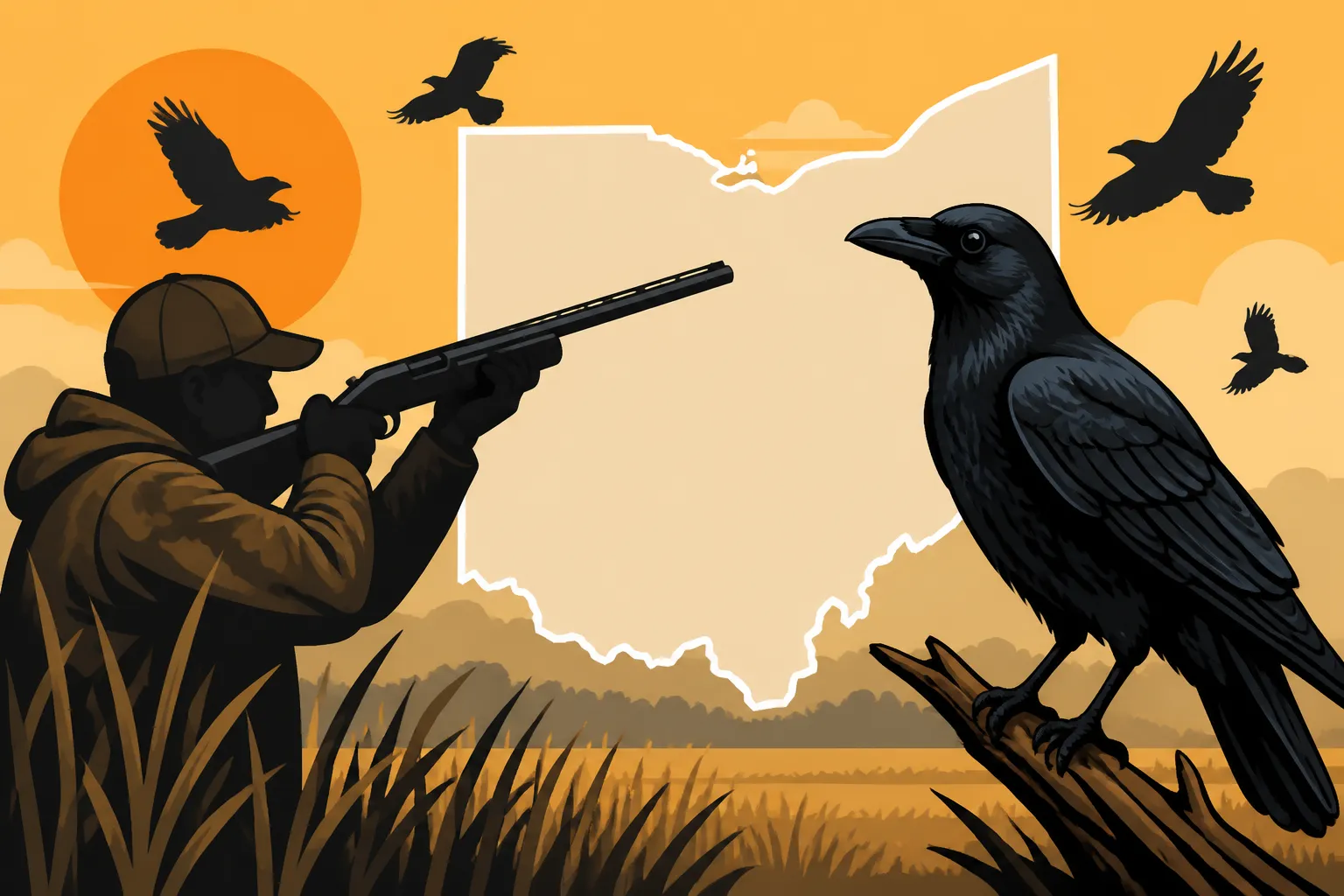
Hunting crows in Ohio might seem like a niche pursuit, but for many outdoors enthusiasts, it's a fantastic way to sharpen skills, manage a common nuisance, and enjoy the field during seasons when other game might be closed. One of the biggest headaches, though, is figuring out the exact dates for crow season, as they're not always as straightforward as deer or turkey dates. This comprehensive guide is here to untangle the specifics of Ohio's crow hunting season, detailing the crucial dates, legal requirements, and effective strategies to help you make the most of your time afield.
Understanding Ohio's Unique Crow Season Structure
Unlike many popular game species with fixed, shorter seasons, crow hunting in Ohio operates on a different rhythm. This can be a bit confusing if you’re used to more traditional hunting schedules. Crows are fascinating birds, often seen as both an intelligent game bird and, at times, an agricultural pest. This dual perception influences how their seasons are structured, leading to longer, more flexible hunting windows compared to, say, migratory waterfowl.
Why Crow Season is Different
Crows are indeed classified as migratory birds under federal law, but they don't have the same strict population management requirements as ducks or geese. The U.S. Fish and Wildlife Service, which oversees migratory bird regulations, allows states like Ohio significant leeway in setting crow seasons. This flexibility is partly because crows often cause damage to crops and livestock, leading states to implement longer hunting periods to help with population control. It’s not just about sport; it's often about local wildlife management and reducing agricultural conflicts. Many hunters appreciate this extended opportunity, as it provides action during times when deer or turkey seasons are closed, keeping their skills sharp and their passion for the outdoors alive.
Key Dates for the Current Season
Getting down to brass tacks, Ohio's crow season typically runs as a split season, offering two distinct windows of opportunity. For the 2023-2024 hunting year, for instance, the season was split into an early summer segment and a much longer fall/winter segment. The first window ran from June 2-16, 2023, and the second, more extensive period, was from October 6, 2023, through March 10, 2024. It’s absolutely critical to remember that crow hunting is generally restricted to Friday, Saturday, and Sunday only during these open periods. This three-day-a-week rule is a unique feature of Ohio's crow regulations and is something you absolutely cannot overlook. Always make it a point to consult the current Ohio Department of Natural Resources (ODNR) hunting and trapping digest or their website for the most up-to-date and precise dates for the season you plan to hunt, as these dates can shift slightly from year to year. Missing a detail like the day-of-week restriction can turn an enjoyable hunt into a regrettable legal mishap.
Legalities and Regulations Beyond Just Dates
Knowing the dates is step one, but understanding the complete legal framework for crow hunting in Ohio is equally important. There are several other regulations that hunters need to be aware of, covering everything from legal shooting methods to licensing requirements. Don't assume that just because it's crow season, all rules are relaxed.
Shooting Hours and Legal Methods
For crow hunting in Ohio, the legal shooting hours generally align with those for other game animals: sunrise to sunset. This gives you ample time in the field, from the early morning caw to the evening roost flights. When it comes to legal methods, Ohio offers quite a bit of flexibility, which is good news for hunters. You can use shotguns, typically loaded with smaller shot sizes like 6 or 7 ½, perfect for these agile birds. Rimfire rifles, such as a .22LR, are also permissible, offering a quiet and effective option, especially when targeting individual birds or smaller groups without disturbing larger areas. Even air guns are an option for crow hunting in Ohio, provided they meet certain power and caliber requirements for dispatching the birds ethically. This broad allowance for different firearms means you can tailor your approach to the specific hunting situation and your personal preference. Keep in mind that while there’s flexibility, safety is always paramount, and you should always be aware of your backdrop, especially when using rifles.
Licensing and Hunter Education
To legally hunt crows in Ohio, you absolutely need a valid Ohio hunting license. There's no separate "crow permit" or anything like that; your general hunting license covers it. If you're an Ohio resident, you'll need to purchase an Ohio Resident Hunting License Cost. Non-residents will need to secure an Ohio Nonresident Hunting License Cost. For new hunters, or those who haven't completed it, Ohio Hunter Education Requirements are mandatory before purchasing your first hunting license. This course covers vital safety, ethics, and wildlife conservation principles. One common point of confusion for bird hunters is the Migratory Bird Harvest Information Program (HIP) certification. While many migratory bird species like ducks, geese, and doves require this additional certification, crows do not require HIP certification in Ohio. This simplifies things a bit, but always double-check the latest regulations if you're ever in doubt. You can pick up your license and permits online through the ODNR's Wild Ohio customer portal, at most bait and tackle shops, or at any Ohio license agent.
Public vs. Private Land Rules
Finding a good spot to hunt crows often boils down to understanding land access. Crows are abundant across Ohio, but where you can legally hunt them is crucial. On public lands, such as Ohio Wildlife Areas or State Forests, you can generally hunt crows during the open season, adhering to all local public land rules. However, always check specific wildlife area regulations, as some areas might have unique restrictions or closures. For example, some wildlife areas might have specific boundaries or access points you need to be aware of.
Most successful crow hunting, especially for larger groups or consistent action, happens on private land. This is where getting permission is absolutely key. Getting Private Land Permission in Ohio is paramount; hunting on private property without explicit consent from the landowner is trespassing, plain and simple. Many farmers and landowners are often receptive to crow hunting requests, as crows can be a significant nuisance, damaging crops like corn and even preying on young livestock or other bird species. When seeking permission, approach landowners respectfully, explain your intentions, and offer to share any harvested game (though crows aren't typically eaten, the gesture shows goodwill). Using tools like GoHunt, which features detailed mapping and landowner information layers, can be incredibly helpful for identifying private land boundaries and researching who to contact for permission. This powerful platform allows you to scout potential hunting spots from home, understanding land ownership before you ever set foot on a property.
Practical Considerations for Ohio Crow Hunting
Once you've got the dates and legalities down, it's time to think about putting some practical strategies into action. Crow hunting is far more than just pointing and shooting; it involves a blend of scouting, calling, and understanding crow behavior.
Best Times and Tactics During the Season
Throughout Ohio's extended crow season, certain periods offer better hunting opportunities than others. During the early June segment, crows are often raising young, and family groups can be quite active, responding aggressively to distress calls as they defend their nests. However, the longer fall and winter segment, particularly from late October through February, often provides the most consistent action. This is when crows form massive communal roosts, sometimes numbering in the thousands. Finding these roosts, or scouting the flight paths leading to and from them, can offer incredible hunting experiences.
Tactically, success hinges on a few core principles:
- Scouting: Just like deer or turkey hunting, scouting is vital. Look for crow roosts, often in dense pine thickets or secluded woodlots, especially in agricultural areas. Pay attention to their flight patterns to and from feeding areas. Apps like GoHunt can help you mark potential roost locations and flight corridors on aerial maps, making your scouting more efficient.
- Calling: Crows are incredibly vocal and respond well to calls. Electronic callers loaded with various crow vocalizations (distress calls, aggressive "fight" calls, assembly calls) are highly effective. You can also use mouth calls, but consistency and volume are easier with electronic devices. A common strategy is to start with a distress call to pique their interest, then switch to a more aggressive "fight" call once they're in range, making them angry enough to commit.
- Decoying: Crow decoys can add another layer of realism. Placing a few plastic crow decoys, especially one or two in a "distress" posture, can draw birds in closer. You can even combine them with an owl or hawk decoy, as crows will often mob and harass predators.
- Concealment: Crows have exceptional eyesight. Full camouflage and breaking up your outline are crucial. Ground blinds, natural cover, or even a simple ghillie suit can make a huge difference.
Remember, crows are intelligent, and they learn quickly. What works one day might not work the next if they've been pressured.
Gear for a Successful Crow Hunt
Having the right gear makes all the difference, enhancing both your effectiveness and comfort in the field.
- Firearm: A 12 or 20-gauge shotgun is the workhorse for most crow hunters. A semi-automatic or pump-action shotgun allows for quick follow-up shots. For those who prefer a more precise approach or quieter hunts, a .22LR rifle with a good scope is excellent. If using a shotgun, consider an improved cylinder or modified choke to get a good spread on fast-moving targets.
- Ammunition: For shotguns, 7 ½ or 6 shot is generally ideal. You want enough pellets for a good pattern but small enough shot to be effective without over-penetrating. For rifles, standard .22LR hollow points or round nose bullets work well.
- Calls: An electronic call with a remote is almost indispensable. Companies like FOXPRO offer excellent options with a wide range of crow sounds. Carrying a mouth call as a backup or for subtle close-range finishing is also a good idea.
- Concealment: Full camouflage, including face mask and gloves, is essential. A portable ground blind can provide excellent concealment, especially in open field settings or along field edges where crows frequent, much like you might use one for Using a Ground Blind on Ohio Public Land for deer.
- Optics: While not always necessary, a good pair of binoculars, like an 8×42, can help you spot distant crows or identify roosting areas during scouting. A rangefinder isn't usually critical for typical shotgun ranges but can be helpful if you're using a rifle at longer distances.
- Mapping: The GoHunt app is an invaluable tool for scouting. Its detailed aerial imagery, topographical maps, and public/private land ownership overlays help you pinpoint crow hotspots, plan entry and exit routes, and ensure you're hunting legally. When you’re Scouting Ohio Public Land Before Season, or even checking out potential private land access, GoHunt gives you an edge.
Environmental Factors and Crow Movement
Environmental conditions play a significant role in crow behavior and can dictate hunting success. Crows are often more visible and easier to target on overcast days or when there's a light drizzle. Bright, sunny days can make them warier and harder to approach undetected. Wind also affects their flight patterns; crows generally prefer to fly with the wind at their backs and will adjust their routes accordingly.
During colder winter months, especially after a snowfall, crows become more concentrated. Snow cover makes food sources harder to find, pushing them towards more open agricultural fields where waste grain is available, or towards communal roosts. This concentration can make locating them easier and increase the chances of encountering larger flocks. Crows are highly adaptable and thrive in a variety of Ohio habitats, from dense timber to open farmland. You'll often find them feeding in Hunting a Standing Soybean Field or Entry Routes Through Standing Corn in agricultural areas, and roosting in large woodlots nearby, often on prominent ridge lines or in dense conifer stands, similar to locations where you might find deer bedding. Understanding these patterns is critical for effective scouting.
Beyond the Basics: Advanced Tips and Ethics
Once you've got the fundamentals down, you can start refining your approach to become a more effective and ethical crow hunter. It’s about more than just numbers; it’s about respect for the game and the environment.
Calling Strategies for Educated Crows
Crows are smart, and they quickly learn. If you're hunting areas that experience regular pressure, these "educated" crows will be much harder to fool. To overcome this, vary your calling strategy. Don't always lead with the same distress call. Sometimes, a series of softer, more inquisitive "assembly" calls can draw them in without immediately putting them on high alert.
- Change Sounds: Rotate through different crow distress sounds, as well as hawk or owl distress calls, which can infuriate crows into mobbing behavior.
- Volume Control: Adjust your call volume based on the distance of approaching birds. Start loud to get their attention, but reduce volume as they get closer to sound more natural.
- Aggressive Finishes: Once crows are committed and coming in, switch to aggressive "fight" or "mobbing" calls. This often triggers their instinct to gang up on a perceived threat, bringing them into shotgun range.
- Patience: Sometimes, less is more. Make a series of calls, then go silent for a minute or two. Let their curiosity get the better of them.
Just like with Rattling and Grunting in Ohio for deer, timing and variation are key to fooling wary animals.
Ethical Considerations and Nuisance Control
While crow hunting offers a unique sporting opportunity, it also plays a role in wildlife management. Crows, being opportunistic feeders, can cause significant crop damage, especially in Ohio's rich agricultural regions. They're also known to raid nests of other bird species, including game birds like turkeys and pheasants, impacting recruitment. By hunting crows responsibly, you're not only enjoying the outdoors but also contributing to nuisance control and supporting the balance of local ecosystems.
Ethical hunting practices are paramount. Always strive for clean, humane kills. This means using appropriate firearms and ammunition, patterning your shotgun to ensure effective range, and practicing with your rifle to ensure accuracy. Avoid excessive shooting into large flocks where you can't guarantee clean kills. After the hunt, dispose of carcasses responsibly, especially if you're on private land, out of respect for the landowner and to prevent attracting scavengers unnecessarily.
Recording Your Hunt and Data Collection
Keeping detailed records of your hunts can significantly improve your success over time. Note the dates, weather conditions, locations, call types used, and the number of crows observed or harvested. This data helps you identify patterns, understand what works best in different situations, and refine your strategy. The GoHunt app is perfect for this, allowing you to mark specific spots on the map where you found roosts, had successful calling sequences, or observed significant crow activity. Over several seasons, this collected data becomes an invaluable resource, guiding your scouting efforts and helping you predict crow movements and responses. Just as deer hunters track Reading Ohio Snow for Fresh Deer Movement, you can use your GoHunt data to anticipate crow activity and adapt your tactics. This commitment to detailed record-keeping elevates your hunting from a casual outing to a strategic pursuit.
Disclaimer
Please remember that hunting regulations, including season dates, bag limits, and legal methods, can change. Always consult the most current Ohio Department of Natural Resources (ODNR) hunting and trapping digest or visit their official website before heading afield. This guide is for informational purposes only and should not replace official state regulations.