Ohio Suburban Archery-Only Zones
Navigating the ever-changing landscape of Ohio's hunting regulations can be a real head-scratcher, especially when you start looking at opportunities close to home. Many hunters feel a growing frustration as urban sprawl encroaches on traditional hunting grounds, making it seem like the chance to pursue deer close to populated areas is dwindling. This comprehensive guide is here to shed light on a fantastic, often misunderstood opportunity: Ohio's suburban archery-only zones, helping you understand where they are, how to hunt them, and what specific rules you need to follow to find success and stay legal.
Understanding Ohio's Suburban Archery-Only Zones
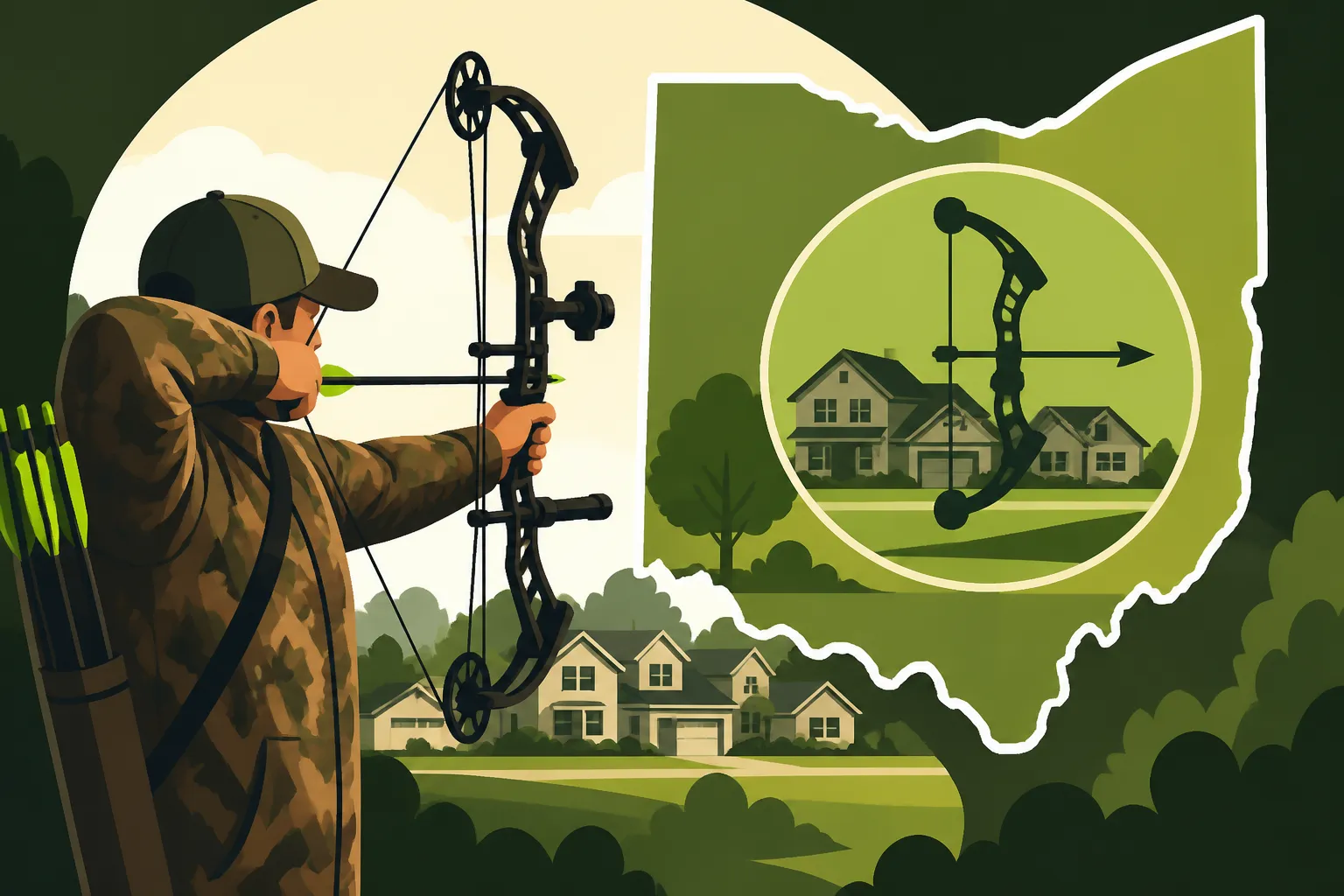
The concept of a "suburban archery-only zone" often conjures images of concrete jungles, but in Ohio, it represents a crucial and growing part of deer management. These aren't typically vast tracts of wilderness; instead, they are specific areas, often within or very near municipal boundaries, where firearm discharge is either prohibited or severely restricted due to population density and safety concerns. The Ohio Department of Natural Resources (ODNR) works closely with local municipalities, park systems, and even private landowners to designate these areas for archery hunting. The primary goal is usually to manage burgeoning deer populations that can become a nuisance, a traffic hazard, or a vector for disease, all while providing a safe, controlled hunting opportunity.
What sets these zones apart is the explicit allowance for archery equipment (traditional bows, compound bows, and crossbows) as the sole legal method for deer harvest. This means that even during the statewide gun seasons, these specific zones remain archery-only. It's a pragmatic solution that acknowledges the reality of wildlife thriving in areas shared with human development, offering a unique challenge and reward for dedicated archers. The zones are not uniform across the state; each municipality or managing entity often has its own set of rules that overlay the broader state hunting regulations, making local research absolutely paramount.
Why Archery-Only Zones Are Essential
In densely populated areas, allowing firearm hunting presents significant safety risks. The ballistic range of a rifle or shotgun slug simply makes them unsuitable for use near homes, schools, and busy roads. Archery equipment, with its significantly shorter effective range and less propensity for over-penetration, offers a much safer alternative. This safety aspect is the cornerstone of these zones.
Beyond safety, these zones are critical for effective wildlife management. Deer thrive in suburban environments, often benefiting from abundant food sources (hello, landscaping!) and reduced predation pressure. This can lead to overpopulation, resulting in increased deer-vehicle collisions, extensive property damage, and heightened risk of disease transmission like Chronic Wasting Disease (CWD). By creating designated archery zones, municipalities can actively manage these populations, contributing to healthier deer herds and safer communities without resorting to more drastic, less popular measures like professional culling operations. It’s a delicate balance of human and wildlife needs, and these zones represent a proactive approach to maintaining that equilibrium.
Common Misconceptions About Suburban Hunting
One of the biggest misconceptions about hunting in suburban archery-only zones is that it's "easy" or less challenging than hunting traditional wilderness areas. While deer might be accustomed to human presence, they are by no means less wary. Their senses are finely tuned, and they quickly learn to avoid perceived threats. The cover in suburban areas can be fragmented, and deer often use residential yards, parks, and green spaces as safe havens, moving between these pockets of security.
Another common myth is that these zones are universally open to all hunters. In reality, many are managed through controlled hunts, lottery systems, or require explicit permission from landowners or park authorities. You can't just show up with your bow and expect to hunt. There's usually a rigorous application process, mandatory orientation, and strict adherence to local rules. Hunters often assume that because it's "hunting," state regulations are the only ones that apply. This is far from the truth; local ordinances often add layers of complexity regarding everything from treestand placement to retrieving game. Understanding these nuances is crucial for a successful and ethical hunt.
Locating Ohio's Archery-Only Opportunities
Finding these specialized hunting opportunities in Ohio requires diligent research, as they aren't always broadly advertised like general public hunting lands. Most suburban archery-only zones are established by local park systems, city governments, or conservancy districts in response to local deer overpopulation issues. They are not statewide designations but rather hyper-local initiatives. This means your first step is usually to look at the specific rules for the area you're interested in, often focusing on communities surrounding major metropolitan areas.
Many such opportunities exist around cities like Columbus, Cincinnati, Cleveland, Toledo, and Dayton. Park systems in counties like Franklin, Hamilton, Cuyahoga, and Summit often have well-established programs. For instance, some of the Metro Parks in Franklin County or the Great Parks of Hamilton County have dedicated bowhunting seasons or managed hunts on specific properties. It's not uncommon for these areas to be smaller, fragmented parcels of woods, river bottoms, or greenbelts nestled within developed areas.
Researching Specific Zones and Programs
The best way to find current archery-only zones is to start with local park districts and municipal websites. Many will have a dedicated section on deer management or hunting opportunities. You might find application deadlines, specific property maps, and the local regulations. It's also worth contacting the local ODNR district office; while they don't manage all these local programs, they often have information or can direct you to the right contacts.
The Ohio HuntFish app is an invaluable tool for identifying potential public lands, but remember that even if a property is public, it may still have additional local rules beyond what the state app shows. A thorough review of local ordinances is critical. Tools like GoHunt can also be incredibly useful here. While GoHunt is generally known for Western hunting, its detailed mapping and land ownership layers can help you identify public parcels within a specific municipality, or even help you pinpoint potential private land that might participate in an urban deer management program. You can scout boundaries, identify pinch points, and understand access points, all from your computer or phone. Always double-check any information from third-party apps with the official local authority, as local rules can change.
The Role of Private Land in Suburban Zones
It's important not to overlook the potential for private land within these suburban archery-only zones. Many landowners who experience significant deer damage on their property are open to allowing bowhunters access, especially if they are aware of a formal urban deer management program in their area. Often, park systems will lease adjacent private parcels to expand their hunting footprint and manage deer more effectively.
If you're looking for private land opportunities, the process of "Getting Private Land Permission in Ohio" becomes even more nuanced. You'll want to focus on landowners within or directly adjacent to known suburban archery zones. When approaching them, highlight your adherence to all local rules, your safety-conscious approach, and your commitment to ethical hunting. Showing them you understand the specific challenges and rules of suburban hunting can build trust. Again, GoHunt's property owner information can be instrumental in identifying potential contacts. Just remember, respect and clear communication are key to gaining and keeping access.
Rules and Regulations in Archery-Only Zones
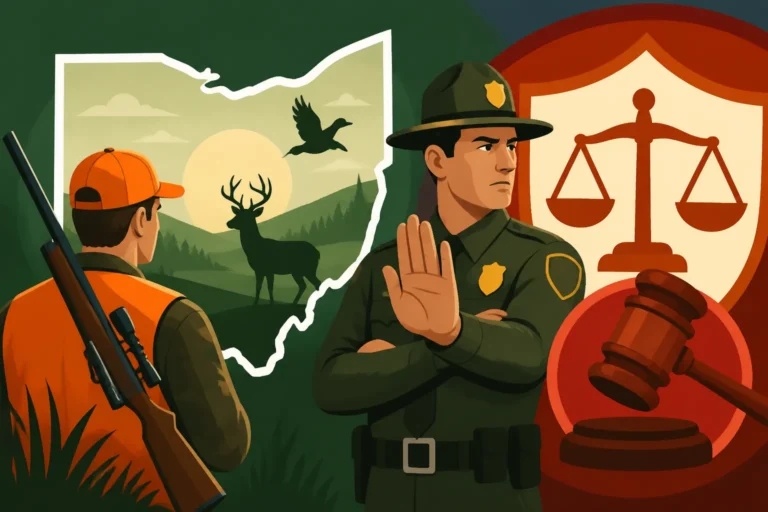
Hunting in Ohio's suburban archery-only zones comes with a distinct set of rules and regulations that demand careful attention. These are not your typical statewide deer hunting rules; they are a hybrid of state law and specific local ordinances, and often include additional requirements for participation. Ignoring these local nuances can quickly turn a legal hunt into a serious violation.
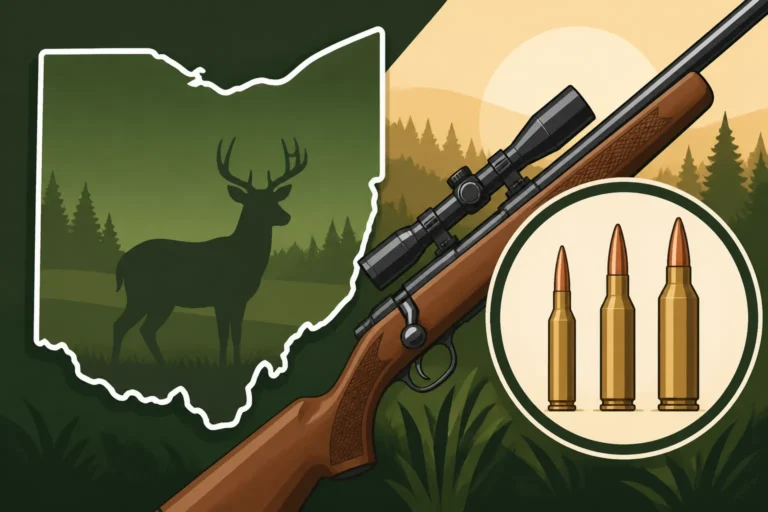
First and foremost, the "archery-only" designation means exactly that: only bows (compound, recurve, longbows) and crossbows are permitted. This specifically excludes firearms, including shotguns and straight-wall cartridge rifles, which are legal in many other parts of Ohio during the general deer seasons. This limitation is central to the safety mandate of these zones. Additionally, there are often restrictions on broadhead types, with some programs mandating fixed-blade only or minimum cutting diameters, to ensure clean, ethical kills in areas where deer retrieval might be challenging.
State vs. Local Ordinances
This is where things can get tricky. Every hunter must comply with Ohio's statewide hunting regulations, including possessing a valid hunting license and deer permits, adhering to bag limits, and completing "Ohio Hunter Education Requirements". However, suburban archery-only zones add layers of local ordinances on top of these state rules. These local rules can dictate everything from specific hunting hours (often daylight only, even during statewide extended hours), to whether you can use a ground blind or only a treestand. Some zones might have specific blaze orange requirements, even for archery, especially if other activities like hiking are permitted in the area.
For example, a municipal park system might require all hunters to complete a local safety orientation, pass a proficiency test with their archery equipment, and submit to specific check-in/check-out procedures on the days they hunt. They might also have strict rules about how far from a residential property line you can set up a stand or shoot a deer. You can't assume that because the ODNR allows something statewide, it's permitted in an archery-only zone. Always get a copy of the specific program's rules and carry it with you.
Mandatory Check-In and Reporting
Transparency and accountability are often heightened in suburban archery programs. Many zones require mandatory check-in and check-out procedures for hunters each day they are in the field. This helps local authorities track hunting pressure, ensure hunter safety, and maintain good public relations. When a deer is harvested, the reporting process often involves both the standard state reporting via the "Ohio Deer Checking and Reporting Rules" and an additional local reporting requirement with the managing entity. This might involve bringing the deer to a specific check station, providing detailed location information, or even allowing officials to collect biological samples for health monitoring.
Failure to follow these local reporting guidelines can result in your removal from the program or even legal penalties. It's all about demonstrating responsible, ethical hunting in a sensitive environment. The local authorities are trusting hunters to be good stewards, and following every rule, no matter how minor it seems, reinforces that trust.
Here's a quick comparison of common regulations:
| Regulation Aspect | Typical Ohio Statewide Rule (Archery) | Common Suburban Archery-Only Zone Overlay (Example) |
|---|---|---|
| Weapon Allowed | Vertical Bows, Crossbows | Vertical Bows, Crossbows (strictly no firearms) |
| Hunting Hours | 30 min before sunrise to 30 min after sunset | Often daylight hours only (sunrise to sunset) |
| Blaze Orange/Pink | Not required during archery-only season | Often required, especially if public access is allowed |
| Stand Type | Portable stands, ground blinds allowed | Specific restrictions (e.g., portable treestands only, no screws/nails) |
| Setback from Property | No state rule; often local discharge laws | Often 100-150 yards from residences, roads, trails |
| Permit/License | State hunting license, deer permits | State license + mandatory local program permit/application |
| Deer Retrieval | Landowner permission required if crossing property | Strict rules, often requires program official assistance or specific route |
| Check-In/Out | No statewide requirement | Often mandatory daily check-in/out |
| Local Orientation | No statewide requirement | Often mandatory safety course or proficiency test |
Tactics and Considerations for Suburban Zones
Hunting in Ohio's suburban archery-only zones demands a distinct approach compared to hunting in big woods or agricultural fields. Deer here are highly habituated to human activity, but also incredibly adept at avoiding direct encounters with hunters. Your tactics need to reflect this unique dynamic, focusing on stealth, scent control, and understanding fragmented habitat.
One key consideration is the deer's movement patterns. Suburban deer often move during low-light hours, but they'll also navigate green spaces and woodlots even during the day, using cover provided by thick brush, creek bottoms, and even dense residential landscaping. They're masters of using small, overlooked pockets of cover. Successful hunters pay close attention to pinch points, fence lines, and drainages that act as natural travel corridors between bedding areas (often small, dense thickets or even backyards) and food sources (often ornamental plantings or small community gardens).
Adapt Your Stand Placement and Scouting
Forget long walks into remote areas. In suburban zones, your effective hunting area might be much smaller, and accessible from a paved trail or a short walk from a parking area. This means you need to scout differently. Aerial maps, like those available through GoHunt or other mapping apps, are invaluable for identifying small woodlots, creek beds, and green corridors. You'll be looking for subtle funnels where deer movement is concentrated.
When it comes to treestand setups, consider portability and low impact. Many programs prohibit leaving stands overnight, or using screw-in steps. A lightweight saddle hunting setup or a mobile climber stand might be your best bet, allowing you to move with the deer. For areas with very limited tree cover or strict rules, knowing "Using a Ground Blind on Ohio Public Land" can be adapted for suburban use, focusing on brushing it in extremely well to blend with the surroundings. You want to be invisible, as deer might approach from unexpected directions due to fragmented cover and varied wind currents around buildings.
Remember, deer here are used to human scent to a degree, but they are still hyper-sensitive to "hunter" scent. Strict scent control is paramount. Playing the wind becomes even more critical when houses and roads can create unpredictable thermals and wind drafts.
Handling Non-Hunters and Public Perception
This is perhaps the most challenging aspect of suburban archery hunting. You will almost certainly encounter non-hunters – hikers, dog walkers, bird watchers – and their perception of you is vital. Always be courteous, respectful, and mindful of your appearance. Dress appropriately, avoid anything that might appear aggressive, and keep your equipment covered until you are in your stand.
Education can also be key. If approached by a curious non-hunter, be prepared to calmly and politely explain what you are doing, the purpose of the program (deer management), and the safety measures in place. Carrying a copy of your permit and local regulations can help. Remember, you are an ambassador for hunting. A negative encounter can quickly lead to public outcry and potentially jeopardize the program for everyone. Always prioritize public safety and maintain a low profile. If you have to retrieve a deer, do so discreetly and efficiently, perhaps after dark if rules allow, or with assistance from program staff.
Ethical Shots and Retrieval Challenges
Given the proximity to residences and the potential for public interaction, taking an ethical shot is even more critical in these zones. You need to be absolutely confident in your shot placement and your ability to make a clean kill. Shot distances are often shorter due to the cover, but target acquisition can be limited. Avoid marginal shots or chasing a wounded deer into someone's backyard without permission.
Deer retrieval can also be more complicated. If a deer crosses onto private property where you don't have permission, you cannot legally pursue it without first obtaining permission from that landowner. Many urban programs have protocols for this, sometimes involving program staff who can help facilitate retrieval. It's a good idea to scout potential blood trailing routes beforehand, looking for breaks in thick cover or natural paths that keep you away from populated areas. Being prepared with good blood trailing skills, as discussed in "Blood Trailing After Dark in Ohio", can be invaluable, though most suburban zones restrict after-dark activity for safety reasons. Always know the rules of your specific zone regarding retrieval.
Ohio's suburban archery-only zones offer a unique and rewarding hunting experience for those willing to do their homework and adapt their approach. They represent a vital tool in wildlife management, allowing hunters to contribute to healthy deer populations while engaging in their passion close to home.
Disclaimer
The information provided in this guide is for general informational purposes only and does not constitute legal advice. Hunting regulations in Ohio, especially concerning local ordinances and specialized zones, are subject to change. It is the sole responsibility of the hunter to consult the most current Ohio Department of Natural Resources regulations and any specific local ordinances or program rules for the area they intend to hunt before participating in any hunting activity. Always confirm all regulations with the appropriate state and local authorities.