Ohio Disability Hunting Permits
Hunting in Ohio should be an accessible passion for everyone, but we all know that physical limitations can throw up some frustrating roadblocks. Whether you’re dealing with a long-term mobility issue, the recovery from an injury, or a specific medical condition, it can feel like your days in the woods are numbered or severely restricted. This comprehensive guide is here to shed light on Ohio's disability hunting permit program, outlining exactly what’s available, how to apply, and how these vital permits can help you continue pursuing your love for the outdoors.
Understanding Ohio's Disability Hunting Permit Program
The Ohio Department of Natural Resources (ODNR) recognizes that not all hunters are created equal when it comes to physical ability. That's why they've established a series of disability hunting permits designed to accommodate various physical challenges, allowing hunters to participate more fully and safely in the state's diverse hunting seasons. These aren't just special favors; they're essential tools that help level the playing field, ensuring that a physical limitation doesn't completely sideline someone from a cherished tradition.
Who Qualifies for a Disability Hunting Permit?
Qualifying for an Ohio disability hunting permit hinges on specific physical criteria, and it's important to understand these before you even begin the application process. The ODNR isn't just handing these out; they require clear medical documentation to ensure the permits go to those who genuinely need them. Generally, these permits are aimed at individuals with substantial and permanent physical impairments that significantly restrict their ability to hunt without assistance or special allowances.
For instance, common qualifications include severe orthopedic impairments that make walking difficult or impossible, such as paralysis, amputation of a limb (particularly a lower limb), or severe arthritis. Individuals who require the use of a wheelchair, crutches, or a prosthetic device for mobility often qualify. Beyond mobility, certain other conditions, like severe cardiovascular or respiratory diseases that prevent strenuous activity, might also be considered. However, each case is assessed on its own merits and based on the physician's assessment of how the disability impacts hunting activities. The key is that the disability must be medically certified as permanent or long-term and significantly impair one or more major life activities, including mobility in the field. This isn't about minor aches and pains; it's about genuine physical barriers that prevent a hunter from meeting standard hunting requirements.
Types of Permits Available to Hunters with Disabilities
Ohio offers a few key permits designed to address different needs, each with specific allowances that can dramatically change how you approach your hunt. Understanding these can help you identify which permit, or combination of permits, might be right for you.
One of the most sought-after is the Mobility Impaired Hunter Permit. This permit allows individuals with severe mobility issues to hunt deer, wild turkey, and small game from a stationary motor vehicle. This is a game-changer for many, as it bypasses the grueling physical demands of traversing rugged terrain, especially in areas like the Appalachian foothills of Southeast Ohio. Imagine being able to set up strategically on a secluded logging road, waiting for a mature buck, without the worry of having to hike miles into the woods. It's crucial to remember that "stationary" is key here – you can't be driving around shooting. The vehicle must be completely stopped, with the engine off, and you must maintain a safe zone of fire.
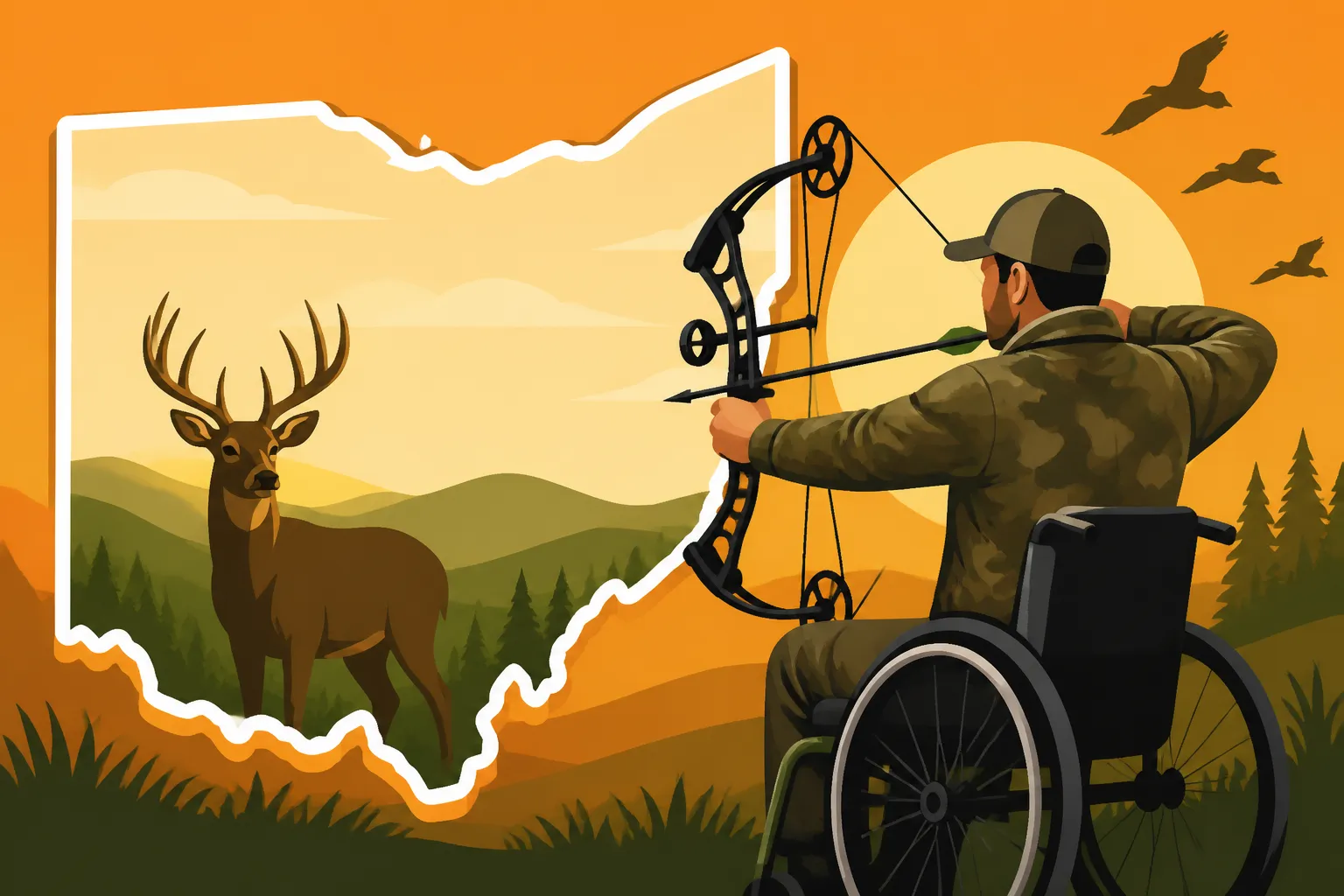
Another important permit addresses the use of certain equipment. For hunters who might struggle with a traditional vertical bow, the ability to use a crossbow throughout the entire archery season can be a huge benefit. Ohio already has fairly permissive rules regarding crossbow use, but knowing these specific permits can clarify any questions. For those interested in the details of Crossbow Versus Vertical Bow in Ohio, understanding that a disability permit can solidify your options is important.
There are also permits for hunting from all-terrain vehicles (ATVs) or utility vehicles (UTVs) in specific areas or under certain conditions, primarily on state wildlife areas that have designated accessible routes. This is particularly useful for reaching more remote areas that would otherwise be inaccessible. For deer hunters, these permits can sometimes include provisions for assistance in tracking and retrieving game, which is a major concern when hunting solo or with limited support. Each permit has its own set of rules and limitations, all designed to enable participation while maintaining ethical hunting practices and safety. If you're looking into hunting big game like deer, you'll also want to be fully aware of Ohio Legal Firearms for Deer Hunting to ensure your chosen firearm aligns with the permit's allowances and state regulations.
| Permit Type | Primary Benefit | Key Requirements |
|---|---|---|
| Mobility Impaired Hunter | Hunt from a stationary vehicle | Physician certification of severe mobility impairment |
| Permit to Hunt from an ATV/UTV | Access designated accessible routes on state lands | Physician certification of mobility impairment |
| Crossbow Use (Year-Round) | Use a crossbow during entire archery season | Physician certification of upper body disability |
| Assisted Retrieval | Allows aid in tracking/retrieving downed game | Typically accompanies a mobility permit |
The Application Process for Ohio Disability Hunting Permits
Navigating the paperwork for a disability hunting permit might seem daunting, especially when you’re already dealing with physical challenges. However, the ODNR has a structured process, and understanding each step can make it much smoother. It’s not just about filling out a form; it’s about providing clear, concise, and accurate information so that your application can be processed efficiently.
Step-by-Step Guide to Applying
The journey to acquiring an Ohio disability hunting permit starts with obtaining the correct application form. These forms are typically available on the Ohio Department of Natural Resources (ODNR) website, under the Division of Wildlife section, or you can pick them up in person at one of the ODNR district offices. It’s always a good idea to download the latest version, as requirements and forms can occasionally be updated.
Once you have the form, you'll find it’s usually divided into two main sections: one for your personal information as the applicant, and another, often more detailed, section to be completed by a licensed physician. Carefully fill out your portion, ensuring all contact information is accurate. This is where you might specify which particular permit you are seeking, such as the mobility-impaired permit. Then, the critical next step is to have your physician complete their part. They'll need to detail your specific disability, how it impacts your ability to hunt, and certify its permanency or long-term nature. Don't rush this part; clarity and detail are paramount.
After both sections are complete, you'll typically need to submit the form, often with supporting medical documentation, directly to the ODNR Division of Wildlife. The submission method can vary – sometimes it's mail, sometimes it's online, so check the instructions on the form itself. It's a good practice to keep a copy of everything you submit for your records. Patience is key after submission, as the ODNR reviews each application carefully. While there isn't a dedicated online portal for tracking, resources like GoHunt often compile information and discussions from fellow hunters who have gone through the process, offering insights into typical wait times and best practices. Knowing the process for acquiring your general Ohio Resident Hunting License Options or Ohio Nonresident Hunting License Options is a separate but equally important step, as these disability permits usually supplement your base hunting license.
Required Documentation and Physician's Certification
The cornerstone of any disability hunting permit application in Ohio is robust medical documentation and a thorough physician's certification. The ODNR requires this level of detail to ensure the integrity of the program and that permits are issued to individuals who truly meet the criteria. Your physician isn't just signing off on a form; they are providing a professional medical opinion on your condition and its impact on your ability to hunt.
Specifically, the physician's section of the application will ask for a precise diagnosis, a description of the physical limitations imposed by the disability, and how these limitations directly affect your ability to participate in hunting activities. For example, if you're applying for a mobility-impaired permit, your doctor will need to explain why walking long distances or navigating uneven terrain is medically inadvisable or impossible for you. They'll also likely need to state the expected duration of the disability – whether it's permanent or temporary (though most disability hunting permits are for permanent conditions).
It's a good idea to schedule a specific appointment with your doctor to discuss this, rather than just springing the form on them. Explain clearly what the permit entails and why you're seeking it. Provide any relevant medical records or test results that support your physician's assessment. Incomplete or vague certifications are the most common reason for delays or even denials. The ODNR wildlife staff who review these applications are looking for clear, unambiguous medical evidence that your condition meets the regulatory definition of a qualifying disability. They might even follow up with your physician for clarification if needed.
Renewals and Maintaining Your Permit
Once you've successfully obtained your Ohio disability hunting permit, it's important to understand the procedures for renewal and how to maintain its validity. While some permits for very permanent conditions might be issued for an extended period, many require periodic renewal, often annually or every few years. This ensures that the ODNR has up-to-date information and that the permit holder still meets the eligibility criteria.
Renewal typically involves a similar process to the initial application, though it may be a simplified form. You'll likely need to re-certify your disability, sometimes requiring a new physician's statement if a significant amount of time has passed or if there's been a change in your medical condition. The ODNR will usually send out renewal reminders, but it's always best practice to mark your calendar and keep track of your permit's expiration date yourself. Missing a renewal deadline could mean you're without the necessary allowances when hunting season rolls around.
What happens if your disability status changes? If your condition significantly improves to the point where you no longer meet the criteria for the permit, it's your responsibility to inform the ODNR. While rare, this ensures the program continues to serve those truly in need. Conversely, if your condition worsens or you develop new limitations, you might need to apply for additional or different permits to accommodate those changes. Maintaining open communication with the ODNR and ensuring your documentation is current is key to enjoying uninterrupted hunting privileges under these programs.
Special Considerations and Adaptive Hunting Opportunities
Beyond just the permits, there's a whole world of adaptive hunting strategies and resources available to help hunters with disabilities stay engaged and effective in the field. Ohio is committed to making hunting accessible, and that means considering how hunters can best utilize their permits and find suitable places to hunt.
Adapting Your Hunting Style with a Disability Permit
Having a disability permit fundamentally changes how you can approach hunting, opening up possibilities that might have seemed out of reach. For instance, the mobility-impaired hunter permit, allowing you to shoot from a stationary vehicle, transforms your scouting and setup strategy. Instead of looking for traditional treestand locations deep in the timber, you might now scout for accessible roads or clearings that offer good visibility and safe shooting lanes. This can be especially effective for Hunting Northwest Ohio Farmland Deer where road edges often border prime agricultural fields.
Many hunters pair this with a ground blind setup, especially if they are hunting on public land where permanent stands aren't allowed. A ground blind can be strategically placed along a field edge or in a wooded area, providing cover, concealment, and a comfortable, sheltered position, which is a huge advantage in cold or wet weather. Learning about Using a Ground Blind on Ohio Public Land can greatly enhance your success. You can also utilize specialized hunting chairs or adaptive shooting rests that provide stability and comfort, making longer waits more bearable. For those who use a crossbow, the ability to maintain accuracy from a seated position, even from a vehicle or a ground blind, is a significant advantage. This flexibility allows you to focus on the hunt itself, rather than struggling with physical limitations that might otherwise prevent you from participating.
Accessible Hunting Areas and Resources in Ohio
Ohio has made significant strides in creating accessible hunting opportunities, particularly on its public lands. The ODNR manages numerous wildlife areas and state forests, and many of these now feature designated accessible hunting blinds, trails, and even specially designated hunting zones for mobility-impaired hunters. These efforts ensure that a disability permit isn't just a piece of paper, but a key to actual hunting access.
For example, many Ohio Wildlife Areas have specific parking areas and routes that are designed to be wheelchair-friendly or traversable by ATV/UTV for permit holders. Some areas even have permanent, elevated blinds with ramps that are specifically designed for hunters with mobility impairments. It's always best to check the specific wildlife area's regulations or contact the area manager before heading out, as rules can vary. The ODNR's website and their HuntFish app are fantastic resources for identifying these accessible locations. When you're Scouting Ohio Public Land Before Season, prioritize these areas, and utilize mapping tools like GoHunt to pinpoint accessible entry points and potential hunting spots.
Beyond state agencies, several non-profit organizations are dedicated to assisting hunters with disabilities in Ohio. Groups like the National Wild Turkey Federation (NWTF) or the Quality Deer Management Association (QDMA), and local hunting clubs often host special hunts or provide mentorship and resources. These organizations can be invaluable for connecting with other disabled hunters, finding accessible private land opportunities, or even securing adaptive equipment. They understand the unique challenges and often have established networks to help you get back in the woods.
Common Challenges and Troubleshooting
Even with permits and accessible areas, hunters with disabilities can face unique challenges. One common hurdle is the sheer volume of information to sift through. Regulations can be complex, and finding clear answers can be tough. If you're struggling to understand a specific rule or need clarification on your permit's allowances, your first point of contact should always be the ODNR Division of Wildlife. They have staff dedicated to assisting hunters, and they are the definitive source for regulatory interpretations.
Another challenge can be logistics. Even with a permit allowing vehicle use, getting a downed deer out of the woods can still be a monumental task. This is where having a reliable hunting partner or a support system becomes invaluable. Many hunters form small groups or buddy up specifically to assist with tracking and retrieval, especially if they are targeting deer in challenging terrain. Remember that even on Public Hunting Land in Ohio you're not alone, and many fellow hunters are willing to lend a hand.
Finally, don't be discouraged by potential delays in the application process or if your first attempt to use a permit doesn't go perfectly. Like any hunting endeavor, it often requires persistence and adaptation. Utilize online forums, social media groups, and local hunting organizations to connect with others who have navigated similar paths. Sharing experiences and asking for advice can provide invaluable troubleshooting tips and moral support. The hunting community, especially in Ohio, is generally very supportive, and there are many who want to see you succeed, regardless of your physical challenges.
Disclaimer
The information provided in this guide is intended for general informational purposes only and does not constitute legal advice. Hunting regulations, permit requirements, and accessibility guidelines in Ohio can change, and it is the responsibility of each individual hunter to consult the most current regulations published by the Ohio Department of Natural Resources (ODNR) Division of Wildlife. Always verify specific rules, season dates, and permit requirements before engaging in any hunting activity.