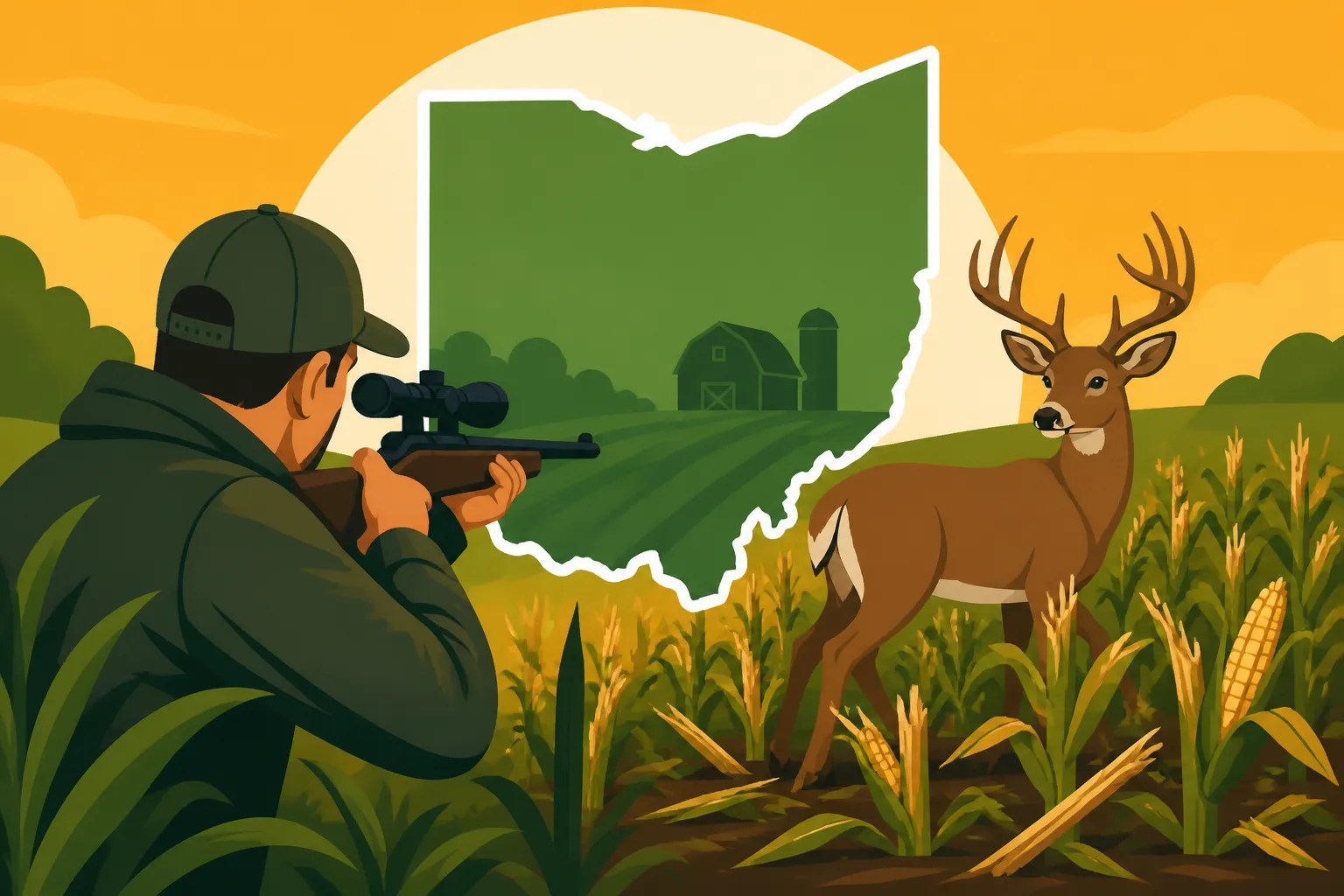
Ohio Deer Damage Control Permits for Farmers
For many Ohio farmers, the sight of a beautiful whitetail deer can quickly turn into a frustrating headache. When those majestic animals start treating carefully cultivated fields, fruit orchards, or precious hay bales like an all-you-can-eat buffet, the financial impact can be devastating. This guide is here to walk you through Ohio's Deer Damage Control Permit program, a vital tool designed to help landowners protect their livelihoods from excessive deer browse and other forms of agricultural destruction.
Understanding Ohio's Deer Damage Control Permits
It's a common story across Ohio's farmlands: you put in the hard work, the time, and the significant investment, only to watch a healthy deer population undo much of your effort. This isn't just about a few nibbled leaves; it's about thousands of dollars in lost crops, damaged equipment, and the very viability of a farm. That's precisely why the Ohio Department of Natural Resources (ODNR) developed the Deer Damage Control Permit program. It’s a recognition that while deer are a valuable natural resource, their populations need to be managed to prevent severe economic hardship for agricultural producers.
Why These Permits Exist: The Farmer's Struggle
Let's be honest, regular hunting seasons, as much as we love them, aren't always enough to address localized, intensive deer damage. A typical archery season or the Ohio's Two-Weekend Gun Deer Season might help reduce overall deer numbers across a wider area, but if you've got a specific field of young corn being decimated nightly, or an orchard with trees stripped bare, you need a more targeted, immediate solution. The frustration is real: you're trying to grow food, support your family, and contribute to Ohio's economy, and deer are directly hindering that.
These permits step in when traditional hunting methods fall short. They provide a mechanism for farmers experiencing significant, verifiable damage to take deer outside of, or with methods not allowed during, the regular hunting seasons. This isn't about general population control; it's about specific, surgical interventions to protect agricultural assets. The ODNR understands that a farmer's livelihood is on the line, and these permits offer a crucial line of defense.
Who Qualifies for a Permit
Not every landowner with a deer nibbling on their landscaping will qualify, and rightly so. These permits are specifically designed for bona fide agricultural producers suffering substantial economic loss. To be eligible, you generally need to demonstrate commercial agricultural activity, meaning you're actively farming, raising livestock, or managing an orchard with the intent to sell products. The ODNR isn't looking for casual gardeners here; they're looking for operations where deer damage directly impacts profitability.
Crucially, you'll need to document the damage. This means showing proof of crop loss, tree damage, or other impacts. Photos, yield records, and even estimates from agricultural extension agents can all support your claim. The ODNR will assess the severity and extent of the damage to ensure the permit program is being used as intended – as a last resort for serious issues. It’s not just about seeing deer; it’s about proving they’re causing significant harm to your commercial operation.
The Application Process: From Frustration to Solution
Applying for a Deer Damage Control Permit can feel like navigating a bit of bureaucracy, but it's a necessary step to ensure the program is administered fairly and effectively. The first step is typically contacting your local ODNR Division of Wildlife district office. Don't just call any number; reach out to the wildlife management staff in your specific region. They are the experts on White-Tailed Deer Across Ohio and the local conditions.
You'll usually start with an initial discussion where you describe the nature and extent of the damage. An ODNR wildlife biologist or technician will likely schedule a site visit to your property to personally assess the situation. During this visit, they'll verify the type of crops being impacted, the estimated loss, and observe the deer activity. This visit is critical; it’s your chance to walk them through the problem areas and present your documentation. If the ODNR determines that you meet the criteria for significant agricultural damage, they will then guide you through the formal application paperwork. This might include detailing the types of crops, the acreage affected, and the estimated financial loss. It's a structured process designed to move from acknowledging a problem to implementing a solution.
Key Provisions and Operational Details of the Permits
Once you've been approved for a Deer Damage Control Permit, it's vital to understand the specifics of how it operates. These aren't regular hunting tags; they come with a different set of rules tailored to the unique circumstances of damage control. Adhering to these provisions ensures the program's integrity and your compliance with Ohio wildlife law.
When and How Deer Can Be Taken
Deer Damage Control Permits often allow for deer removal outside of regular hunting seasons, including times when traditional methods might be restricted. This means you might be able to take deer at night, which is a major advantage when deer are primarily feeding under the cover of darkness. However, specialized equipment might be required, such as night vision or thermal optics, and certain firearm restrictions might still apply. You'll need to ensure you understand Ohio Legal Firearms for Deer Hunting and any special provisions for night hunting specifically outlined in your permit.
The permit will specify the number of deer, typically antlerless, that can be removed. It might also dictate the timeframes during which this removal can occur, often aligning with critical crop growth stages. Trapping might also be an option in some cases, offering another method of targeted removal. Each deer taken under these permits must be immediately tagged and reported according to specific ODNR guidelines. This reporting is not just a formality; it's essential for the ODNR to monitor the program's effectiveness and maintain accurate Ohio Deer Harvest Records.
Reporting Requirements and Data Collection
The responsibility doesn't end once a deer is taken. Far from it. With a Deer Damage Control Permit, strict reporting is mandatory. Every deer removed must be checked in, usually through the ODNR's online system or by phone, similar to how hunters check in during regular seasons. However, you'll specifically designate it as a damage control kill. This helps the ODNR differentiate these removals from recreational harvests.
The data collected from these permits is incredibly valuable. It provides the ODNR with localized information on deer populations and the extent of agricultural impact, which is crucial for overall Ohio Deer Population Estimate and management decisions. This information helps wildlife biologists understand where deer pressure is highest and if current population goals are being met in agricultural areas. It's a feedback loop: your reporting helps the ODNR refine their management strategies, potentially leading to better outcomes for all landowners and hunters in the long run.
Involving Others: Who Can Help a Farmer?
Let's face it, one person can't always do it all, especially when dealing with significant deer damage. Farmers often have limited time, and being out in the fields at odd hours isn't always feasible. This is where involving others becomes important. Your Deer Damage Control Permit might allow other individuals to assist in the removal of deer. These could be family members, farm employees, or even responsible hunters you designate.
However, there are strict rules for these assistants. They must also be properly licensed and adhere to all permit conditions. They may need to carry specific documentation from you authorizing their participation. For instance, if you have a trusted hunter who assists with your regular Ohio Deer Management Permits, they might be a good candidate. It's crucial that everyone involved understands and follows the guidelines, including any requirements for Ohio Hunter Education Requirements and proper tagging procedures. Communication is key to ensure all parties are compliant and the program is effective without leading to any legal issues.
Navigating the Nuances and Maximizing Effectiveness
Securing a Deer Damage Control Permit is a significant step, but it's not a magic bullet. To truly make a difference and protect your crops in the long term, you need to understand the practical aspects of implementation and integrate these permits into a broader deer management strategy.
Beyond the Permit: Integrated Deer Management Strategies
While these permits provide a critical tool for immediate relief, the most effective approach to mitigating deer damage is often a multi-faceted one. Think of the permit as one arrow in your quiver, not the only one. Consider supplementing lethal removal with non-lethal deterrents. Electric fencing can be highly effective, especially around high-value crops or smaller acreage. Propane cannons or other auditory repellents can sometimes deter deer, at least temporarily.
Even simple methods like rotating crops or planting less palatable border crops can help. Using tools like the Ohio HuntFish App to scout deer movement patterns or for mapping out your property can significantly improve your strategy. Knowing where deer are entering and exiting your fields, their primary bedding areas, and travel corridors can make your damage control efforts much more targeted and efficient, even before you consider the permit. It’s about creating an environment that is less appealing to deer while still focusing on your agricultural goals.
Common Challenges and Troubleshooting
Implementing a Deer Damage Control Permit isn't without its challenges. One common hurdle is simply finding enough willing and reliable individuals to assist with the removal of deer. It requires dedication, time, and adherence to specific rules, which can be a tall order. Another challenge can be public perception; while necessary for farmers, some members of the public might not fully understand the need for damage control, especially if it involves night hunting or methods outside of traditional sport hunting. Clear communication with neighbors about the necessity of the program can help.
Furthermore, even with permits, deer can be incredibly adaptable. What works one night might not work the next. This requires constant vigilance and a willingness to adjust your tactics. Using data from previous years, perhaps even looking at features on onX Layers for Ohio Land Status if you use such mapping tools, can help you predict deer movement. Don't be afraid to revisit your plan, consult with ODNR wildlife staff for advice, and adapt your approach as deer behavior changes throughout the growing season.
The Role of Technology: Mapping and Scouting for Damage Control
In today's world, technology can be a game-changer for effective deer damage control. Mapping applications like those found in the ODNR's Ohio HuntFish App or specialized hunting apps like GoHunt offer invaluable features. With GoHunt, you can mark areas of heavy damage, pinpoint deer entry points, and even track the locations where deer have been removed. This creates a visual record that helps you understand patterns and optimize your efforts.
Beyond simple mapping, aerial photos and satellite imagery available through these platforms allow you to identify key cover areas, fencerows, and drainage ditches that deer use for travel and concealment. This is especially helpful when dealing with large tracts of farmland. By understanding these landscape features, you can strategically place stands or plan your removal efforts more effectively. For example, if you see a persistent travel corridor on an aerial map, that might be a prime location to focus your attention, rather than just randomly patrolling fields. Utilizing GoHunt can make your damage control more precise and less reliant on guesswork.
The Broader Impact on Ohio's Deer Management
Deer Damage Control Permits are not just about helping individual farmers; they play a significant, albeit specialized, role in the broader context of Ohio's statewide deer management strategy. Understanding this larger picture can help farmers appreciate the program's value and contribute to its continued success.
How Damage Permits Help Maintain Herd Health
When deer populations become overly concentrated in specific agricultural areas, it can lead to problems beyond just crop destruction. Overbrowsing can deplete natural forage, making deer more reliant on agricultural sources. This can reduce the overall health of the local deer herd, making them more susceptible to diseases like EHD. While the ODNR also monitors Ohio's Chronic Wasting Disease Surveillance Area, reducing high densities in specific locations can generally contribute to better herd health.
Targeted removal through damage permits helps to alleviate this localized pressure. By reducing the number of deer in specific hot spots, you can improve the quality of the remaining natural habitat and distribute the deer population more evenly. This, in turn, can lead to healthier deer and potentially reduce the incidence of disease transmission within those smaller, high-density pockets. It's a critical component of responsible wildlife management that benefits both deer and people.
Balancing Agricultural Needs with Hunting Opportunities
Ohio’s wildlife management aims to strike a delicate balance: providing ample recreational hunting opportunities while also protecting agricultural interests. The Deer Damage Control Permit program is a prime example of this balance in action. It acknowledges that recreational hunting, even with generous Ohio Archery Season Structure and gun seasons, cannot always solve every problem on its own.
By allowing farmers to address critical damage, the permits help maintain a positive relationship between the agricultural community and the hunting community. Farmers are less likely to view deer solely as pests if they have effective tools to manage severe impacts. This cooperation is vital for the long-term sustainability of Ohio's deer resource. It demonstrates that wildlife management isn't just about species preservation, but also about managing human-wildlife conflicts to ensure coexistence.
Future Outlook and Program Evolution
The ODNR continuously monitors its wildlife management programs, including Deer Damage Control Permits, to ensure they remain effective and responsive to changing conditions. This means that the rules and requirements for these permits can evolve over time based on feedback from farmers, wildlife biologists, and overall Ohio Deer Population Estimate trends. Factors such as new crop varieties, shifting deer populations, or changes in agricultural practices might all influence how the program is administered in the future.
Farmers who utilize these permits are, in a way, partners in this ongoing evolution. Their detailed reporting and feedback on the program's effectiveness help the ODNR make informed decisions. As you use tools like GoHunt to document your efforts and outcomes, that data contributes to the collective understanding of deer management challenges in Ohio. It's a dynamic process, and the permits are a flexible tool designed to adapt to the ongoing needs of Ohio's agricultural community.
| Permit Aspect | Description | Key Considerations |
|---|---|---|
| Eligibility | Commercial agricultural producer with verifiable, significant economic damage from deer. | Documentation (photos, yield loss), ODNR site visit. |
| Application | Contact local ODNR Division of Wildlife office, provide documentation, undergo site assessment. | Specific district office, thorough preparation of evidence. |
| Permit Period | Often allows deer removal outside regular hunting seasons, aligned with crop growth. | Specific dates and times will be detailed in the permit. |
| Methods Allowed | Varies by permit, may include night hunting, specific firearms, or trapping. | Adhere strictly to methods and equipment specified. |
| Deer Limits | Specifies number of deer (typically antlerless) to be removed. | Only take the authorized number; usually antlerless to impact reproduction. |
| Reporting | Immediate tagging and checking of all removed deer, designating as damage control kills. | Crucial for ODNR data collection and program integrity. Ohio Deer Checking and Reporting Rules are important to follow. |
| Assistance | Others (family, employees, designated hunters) may assist, provided they are licensed and authorized. | All assistants must be compliant with permit and state hunting laws. |
Disclaimer
The information provided in this guide is for general informational purposes only and is not a substitute for consulting the official regulations and guidelines set forth by the Ohio Department of Natural Resources (ODNR). Hunting regulations and permit requirements can change, and it is the hunter's and landowner's responsibility to stay informed and comply with all current state and federal laws. Always verify the latest information directly with the ODNR before acting on any hunting or permit-related advice.