How Much Blaze Orange Ohio Requires
Hunting in Ohio during firearm seasons brings with it a critical responsibility: ensuring you're visible to other hunters. The dense woodlands and rolling hills, especially in southeastern Ohio, can obscure visibility, leading to serious safety concerns if precautions aren't taken. Understanding the precise requirements for blaze orange in Ohio isn't just a suggestion; it's a legal mandate designed to keep everyone safe. This guide will meticulously break down exactly how much blaze orange is required, when it's necessary, and offer practical advice to ensure you're always compliant and visible in the field.
Understanding Ohio's Blaze Orange Laws for Deer Hunting
Ohio's hunting regulations are designed with safety first, especially during high-pressure seasons like the gun deer hunt. The blaze orange requirement is a cornerstone of this safety protocol, aiming to prevent tragic mistaken identity incidents that, sadly, still occur across the country every year. It’s not about blending in with nature during these specific seasons; it’s about standing out like a beacon to your fellow hunters.
The Core Requirement: 500 Square Inches
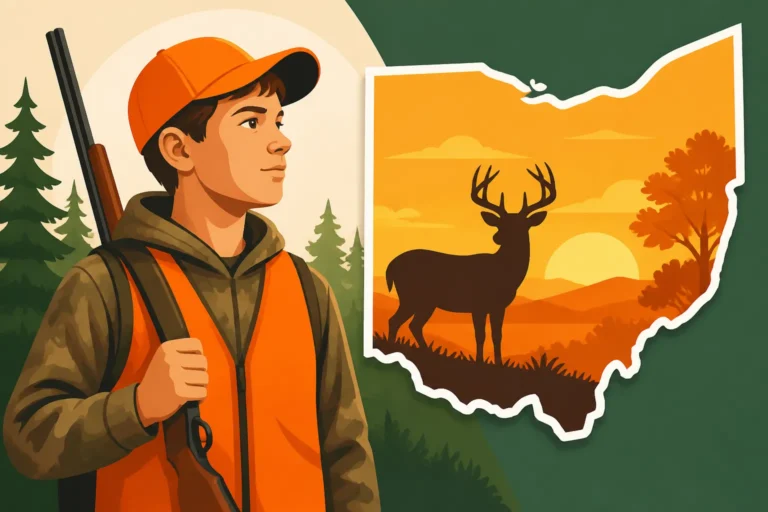
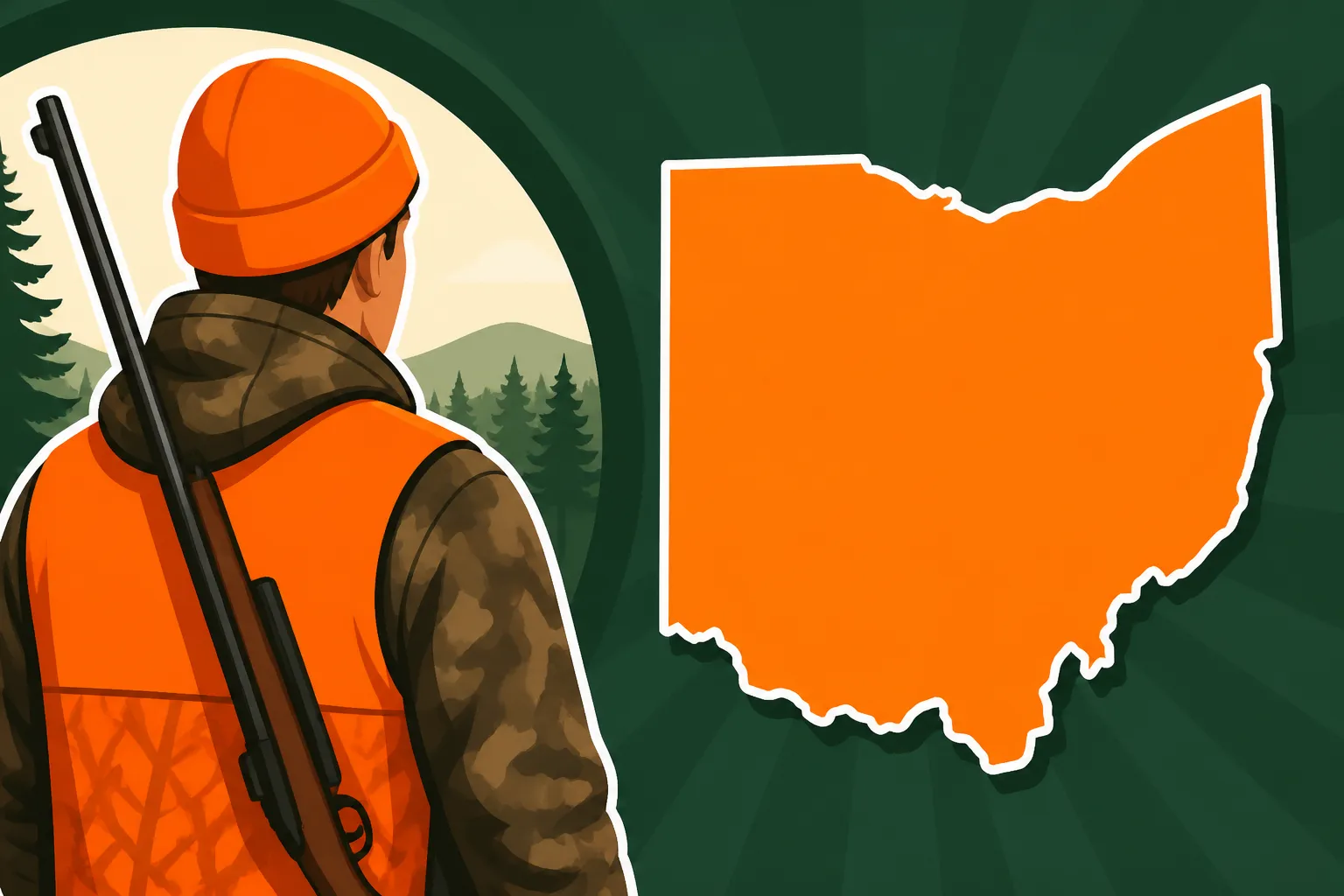
The bedrock of Ohio's blaze orange law is the requirement for 500 square inches of solid hunter orange or blaze pink visible from all sides. Now, 500 square inches might sound like a big, abstract number, but let's put it into perspective. A typical adult-sized hunting vest that covers your torso (front and back) often meets this requirement on its own. It's usually designed to provide broad coverage across your chest, back, and often your shoulders, ensuring that whether you're facing another hunter or have your back to them, you're clearly identifiable.
Think of it this way: if you lay a standard sheet of notebook paper flat, that's roughly 90 square inches. So, you need the equivalent of about five and a half sheets of paper's worth of solid, unobstructed orange. This means patches or small strips simply won't cut it. The emphasis is on "solid" and "visible from all sides." A vest is the most common and effective way to achieve this, as it allows for layering underneath while maintaining outer visibility. Many hunters pair a vest with a blaze orange hat for added visibility, especially if they are moving through thick cover where their torso might be temporarily obscured. Even a simple, solid orange cap can add an additional 60-80 square inches, making it easier to hit that 500-square-inch mark confidently and ensuring visibility even if your vest gets bunched up or temporarily covered by gear.
When Blaze Orange is Mandatory in Ohio
It's crucial to understand that the blaze orange mandate isn't a year-round rule. It kicks in during specific firearm deer hunting seasons, when the risk of accidents is statistically highest due to the combination of high hunter density and the use of powerful firearms. Knowing these dates like the back of your hand is non-negotiable for safe and legal hunting.
The key periods when blaze orange is absolutely mandatory include:
- Ohio's Two Gun Deer Weekends: This is arguably the busiest and most anticipated period for many Ohio deer hunters. The first statewide gun deer weekend, typically in late November, sees a massive influx of hunters into the woods. The second gun weekend in December also requires full compliance. During these intense periods, safety is paramount, and your blaze orange ensures you're seen.
- Ohio Youth Gun Weekend: This special season, usually a weekend in mid-November, is dedicated to introducing young hunters to deer hunting. Even with supervision, the presence of multiple young, potentially less experienced hunters necessitates the strictest safety measures, including the blaze orange requirement for both youth hunters and their adult mentors.
- Ohio Muzzleloader Season: This season, generally held in January, extends hunting opportunities into the colder months. While hunter numbers might be slightly lower than the main gun seasons, the same firearm safety principles apply, making blaze orange a must. You'll want good, durable blaze orange outerwear that can stand up to the late-season elements.
- The Ohio Early Gun Season in the DSA: If you find yourself hunting within Ohio's Chronic Wasting Disease Surveillance Area (DSA) – currently encompassing counties like Wyandot, Marion, Hardin, and more – there's an early gun season specifically for those areas. Due to the unique management needs and potentially higher hunter presence related to disease monitoring, blaze orange is also required during this specific early firearm period.
During any of these specified firearm seasons, if you're out pursuing deer, you must be wearing at least 500 square inches of solid hunter orange or blaze pink, visible from all sides. This applies whether you're still-hunting, driving deer, or sitting in a blind (though the specific challenges of ground blinds are worth considering for visibility, as we'll discuss later).
Exceptions and Archery Season Nuances
While the general rule for firearm deer seasons is clear, it's equally important to understand where blaze orange is not legally mandated. The biggest exception, and often a point of confusion for new hunters, is during Ohio's extensive archery season.
During both the vertical bow and crossbow segments of Ohio Archery Season Structure, blaze orange is not legally required. This makes sense, as archery hunting typically involves a much more solitary approach, often from an elevated treestand, where camouflage and concealment are key to getting close to deer. An archer needs to blend into their surroundings to avoid detection by a deer's keen eyesight, which, while not seeing color as humans do, is highly sensitive to movement and contrasts.
However, just because it's not legally required doesn't mean it's never a good idea. Many experienced archers still choose to carry a blaze orange hat or vest in their pack, especially if they anticipate walking in or out of the woods during legal shooting hours, or if they're hunting public land where other activities (like hikers or mushroom hunters) might be present. More importantly, during the overlap periods—when archery season runs concurrently with any of the gun seasons—if you are a deer hunter, you are legally obligated to wear blaze orange. For instance, if you are bowhunting during the regular gun season, you must wear the 500 square inches of blaze orange, even though you are using archery equipment. The regulation applies to anyone hunting deer during these specified firearm seasons. If you're hunting small game like squirrels during a gun deer season, the same rule applies.
It's a subtle but critical distinction: the requirement is tied to the season and game species being pursued during that season, not just the weapon. Always consult the current Ohio Deer Season Structure Explained to confirm exact dates and any concurrent seasons.
Beyond the Basics: Practical Considerations and Safety
Simply meeting the minimum 500 square inches is a start, but truly embodying the spirit of the blaze orange rule means thinking beyond mere compliance. It's about maximizing your safety and the safety of those around you. Let's dig into some practical aspects.
Strategic Placement of Blaze Orange
The law specifies "visible from all sides," which implies a holistic approach to your orange coverage. A simple vest covers your front and back, but what about when you're bent over tracking, climbing, or dragging a deer? This is where strategic placement comes into play.
- The Vest is Key: A well-fitting, brightly colored blaze orange vest (or blaze pink) is your primary piece of gear. Look for vests that are generously cut and don't ride up, ensuring they cover a good portion of your torso. Brands like GoHunt often highlight gear that meets safety standards, and checking their selection can give you a good idea of what functional, compliant gear looks like.
- Headwear Adds Critical Visibility: A blaze orange hat or cap is an absolute must-have. When you're in a crouch, peering through binoculars, or just navigating uneven terrain, your head is often the highest or most exposed part of your body. A hat ensures visibility even if your vest is temporarily obscured. This is especially true if you are using a ground blind, where your body might be largely hidden, but a quick peek over the top or out a window could expose your head.
- Consider Outer Layers: If you're layering up for a cold Ohio January muzzleloader hunt, ensure your outermost layer is blaze orange. A thick, insulated blaze orange jacket is perfect for this. If you're wearing a plain, non-orange jacket, you'll need a vest over it that still meets the 500 square inch requirement and is visible. Don't let your heavy coat negate your visibility.
Remember, the goal is to make it impossible for another hunter to mistake you for a deer, or any other game animal. Every angle should present a clear signal: "I am a human."
The "Why" Behind Blaze Orange Rules
The intention behind blaze orange regulations is simple and stark: to save lives. Hunting is an incredibly safe sport, but the rare accidents that do occur are often preventable. The primary cause of hunting accidents, especially those involving firearms, is "mistaken identity" or "failure to identify the target." Someone sees movement, a flash of brown, or hears a rustle, and makes a tragic error in judgment.
Blaze orange (or blaze pink) combats this directly by providing a highly contrasting, unnatural color that deer cannot easily detect or distinguish, but that humans immediately recognize. Deer vision, while excellent at detecting movement, lacks the full spectrum of color vision that humans possess. They largely see in shades of blue and yellow, with greens and reds appearing as varying shades of gray or brown. Therefore, a bright orange or pink object simply appears as a dull gray or brownish-yellow to a deer, allowing you to wear it without alarming your quarry.
On the other hand, for a human, blaze orange stands out like a neon sign against the browns, grays, and deep greens of the Ohio landscape, particularly in the fall and winter months. This distinction significantly reduces the chance of someone accidentally shooting at another hunter. It's a fundamental aspect of Ohio Hunter Education Requirements and responsible hunting.
Blaze Pink as an Alternative in Ohio
In recent years, Ohio has joined a growing number of states in offering hunters an alternative to traditional blaze orange: blaze pink. This option was introduced to potentially encourage more women to participate in hunting, offering a choice in color while maintaining the same critical safety benefits.
The regulations for blaze pink are identical to those for blaze orange: you still need 500 square inches of solid blaze pink, visible from all sides, during all mandatory firearm deer seasons. Functionally, there is no difference in terms of safety. Scientifically, blaze pink (a fluorescent pink hue) is just as visible to the human eye as blaze orange, if not more so, in many lighting conditions. And just like blaze orange, deer perceive blaze pink as a dull, muted color, so it won't give away your position to wary whitetails.
So, whether you prefer the classic orange or the newer pink, the choice is yours, as long as you meet the square inch requirement and ensure full visibility. You can find more specific details on Blaze Pink Options Under Ohio Law for hunters considering this alternative.
Common Misconceptions and Advanced Tips for Ohio Hunters
Even seasoned hunters can sometimes fall prey to myths or overlook subtleties when it comes to blaze orange. Let's clear up a few common misunderstandings and offer some pro tips to keep you safe and legal.
Does Blaze Orange Spook Deer?
This is perhaps the most persistent myth surrounding blaze orange. Many hunters worry that wearing such a bright color will immediately alert deer to their presence, making it impossible to be successful. As discussed, this isn't true due to the way deer perceive color.
Deer are dichromats, meaning they have two types of color receptors in their eyes, compared to human trichromats (three types). They primarily see the world in shades of blue and yellow. Red and orange hues fall outside their primary color spectrum, appearing as muted grays or browns. What does spook deer are movement, scent, and sound. If you're fidgeting, making noise, or your scent is drifting downwind, a deer will detect you long before it "sees" your orange vest as anything other than part of the background.
So, rest easy. Your blaze orange isn't giving you away. Focus your energy on controlling your scent, minimizing movement, and understanding Wind and Thermals on an Appalachian Ridge rather than worrying about the color of your safety gear. Many hunting apps and scouting tools, like those offered by GoHunt, also provide wind direction and thermal mapping, which can be far more critical to your success than worrying about your orange.
Staying Compliant on Public vs. Private Land
A crucial point that often gets overlooked is that Ohio's blaze orange regulations apply universally, whether you're hunting on vast tracts of public land like Wayne National Forest or a small private woodlot you have permission to hunt. There's no distinction in the law based on land ownership.
This means if you're out during Ohio's Two Gun Deer Weekends on your buddy's back forty in Coshocton County, you still need your 500 square inches of blaze orange. The reasoning is straightforward: bullets don't respect property lines. An accident that starts on private land can impact someone on adjacent private or public land, and vice-versa. The safety protocols are designed to protect everyone in the field, regardless of where they're standing.
Always ensure anyone hunting with you, especially youth hunters, understands and adheres to these requirements. For those new to hunting, the best place to get familiar with all the rules and responsibilities is by completing a comprehensive Ohio Hunter Education Requirements course.
Layering for Cold Weather and Rain
Ohio's late fall and winter hunting seasons can bring a wide range of weather conditions, from crisp, sunny days to bitter cold, driving rain, or heavy snow. Integrating your blaze orange into your cold-weather and rain gear strategy is essential.
- Outer Layer Priority: The most important rule is that your blaze orange must always be your outermost layer. If you're wearing a heavy, insulated camouflage jacket, you'll need a blaze orange vest or jacket over it. Don't compromise visibility for warmth. Luckily, many manufacturers now offer insulated blaze orange jackets and even rain gear specifically designed for hunting, so you don't have to choose between safety and comfort. Look into options for Blaze Orange Jackets Versus Vests to find what best suits your needs.
- Rain Gear: If a steady rain starts, your camouflage rain jacket won't cut it if it's a mandatory orange season. You'll either need a blaze orange rain jacket as your primary rain gear or a blaze orange vest that can be worn over your existing rain jacket. Ensure it's large enough to fit over your bulky layers without compressing them too much.
- Pants and Accessories: While the 500 square inches typically applies to upper body coverage, some hunters choose to wear blaze orange accents on their pants or pack for added visibility, especially when bending over or moving through thick brush where their upper body might be momentarily hidden. This isn't legally required, but it's an extra layer of safety to consider.
Staying warm, dry, and visible is the trifecta for a successful and safe late-season hunt in Ohio. Prioritize your comfort and safety equally.
Here's a quick reference table for Ohio's blaze orange requirements:
| Hunting Season | Blaze Orange/Pink Required? | Minimum Square Inches | Key Considerations |
|---|---|---|---|
| Regular Gun Deer (2 Weekends) | Yes | 500 | Must be solid, visible from all sides. |
| Youth Gun Deer Weekend | Yes (Hunters & Mentors) | 500 | Mandatory for all deer hunters present. |
| Muzzleloader Deer Season | Yes | 500 | Ensure outer layers are orange/pink. |
| Early Gun Deer (DSA only) | Yes | 500 | Specific to CWD Surveillance Area counties. |
| Archery Season (Vertical/Crossbow) | No (but recommended during overlap) | N/A | Wear during overlap with gun seasons if hunting deer/small game. |
| Small Game (during gun deer) | Yes | 500 | If hunting concurrently with gun deer season. |
| Turkey Hunting (Spring/Fall) | No | N/A | Camouflage is primary. |
| Waterfowl Hunting | No | N/A | Camouflage is primary. |
This table serves as a quick reference, but always remember to check the current year's official Ohio wildlife hunting and trapping regulations for the most up-to-date information. Staying informed and visible is the best way to ensure everyone returns home safely after a day in the Ohio woods.
Disclaimer
The information provided in this guide is for general informational purposes only and does not constitute legal advice. Hunting regulations can change, and it is the responsibility of every hunter to consult the official Ohio Department of Natural Resources (ODNR) hunting and trapping regulations prior to going afield. Always prioritize safety and compliance with all local, state, and federal laws.