Ohio Pheasant Permit Requirement
It can be incredibly confusing to sift through all the hunting regulations, especially when you're trying to figure out if a special permit is needed for a particular game animal. Many folks who want to pursue pheasants in Ohio often scratch their heads wondering if their general hunting license is enough, or if there's some extra hoop to jump through. This guide is here to clear up that very common question, helping you understand precisely what you need to legally chase those vibrant ringnecks across Ohio.
Navigating Ohio's Essential Hunting Credentials
Before you even think about the specific rules for pheasants, it's crucial to understand the fundamental licensing every hunter needs in Ohio. This foundational knowledge will make all the specialized permits much clearer.
The Cornerstone: Your General Ohio Hunting License
Let's be real, you can't hunt anything in Ohio without a valid Ohio hunting license. This isn't just a pheasant thing; it's the absolute first step for any hunting activity, whether you're chasing deer, squirrels, or waterfowl. Think of it as your driver's license for the woods. If you're an Ohio resident, you'll pay a certain fee, and if you're coming from out of state, the nonresident fees will apply. It's an annual license, meaning you'll need to renew it each year, typically starting March 1st.
This general hunting license covers a vast array of game animals, including most small game species like rabbits, squirrels, and yes, even wild pheasants. You can pick one up easily online through the Wild Ohio customer portal, or from countless licensed vendors across the state, like your local bait shop, sporting goods store, or even some Walmart locations. Always make sure to carry proof of your license while in the field, whether it's the physical card or a digital version on your phone. To dive deeper into the general costs and options, you might want to read our comprehensive guide on Ohio Hunting Licenses and What They Cost.
For residents, understanding the various Ohio Resident Hunting License Options can save you time and ensure you have the right credentials. Nonresidents, too, have specific needs, and our article on Ohio Nonresident Hunting License Options covers those details thoroughly. No matter which category you fall into, that basic hunting license is non-negotiable for anyone looking to hunt in the Buckeye State.
Differentiating Small Game and Upland Bird Authorizations
It's common for hunters to hear about "upland bird stamps" or "small game permits" in other states and wonder if Ohio has similar, separate requirements. The good news is, for general small game hunting, Ohio keeps it fairly straightforward. Your basic hunting license is your ticket to pursuing most small game, including pheasants found in the wild.
Unlike some states that mandate additional stamps for specific bird types like pheasants or grouse, Ohio doesn't have a separate "upland game permit" that you need for every feathered creature. When you buy your annual hunting license, you're generally covered for the state's small game and upland bird seasons. However, this is where the nuance for pheasants comes in, which we'll get into shortly.
The distinction often arises with stocked birds versus wild birds. For instance, if you're pursuing the native ruffed grouse (which are sadly in decline in Ohio), your general hunting license is all you need, provided you're within the legal season. The same goes for rabbits and squirrels. The Ohio Department of Natural Resources (ODNR) bundles most of these under the general small game umbrella. Our guide on Ohio Small Game and Upland Bird Seasons provides an excellent overview of what falls under this category and their respective season dates.
The crucial takeaway here is that if you're hunting pheasants that live and breed in the wild, your general hunting license is sufficient. The "special permit" conversation only starts when you begin to consider hunting pheasants in areas where the ODNR has actively stocked them. This distinction is vital for staying on the right side of the law and making sure you're properly authorized for your chosen hunting grounds.
The Specifics of Ohio's Pheasant Hunting Permit for Stocked Areas
Now, let's get to the heart of the matter for many Ohio pheasant hunters: the specific permit required for hunting stocked birds. This is where most of the confusion originates, and it's important to understand the details.
When a Special Pheasant Permit Becomes Necessary
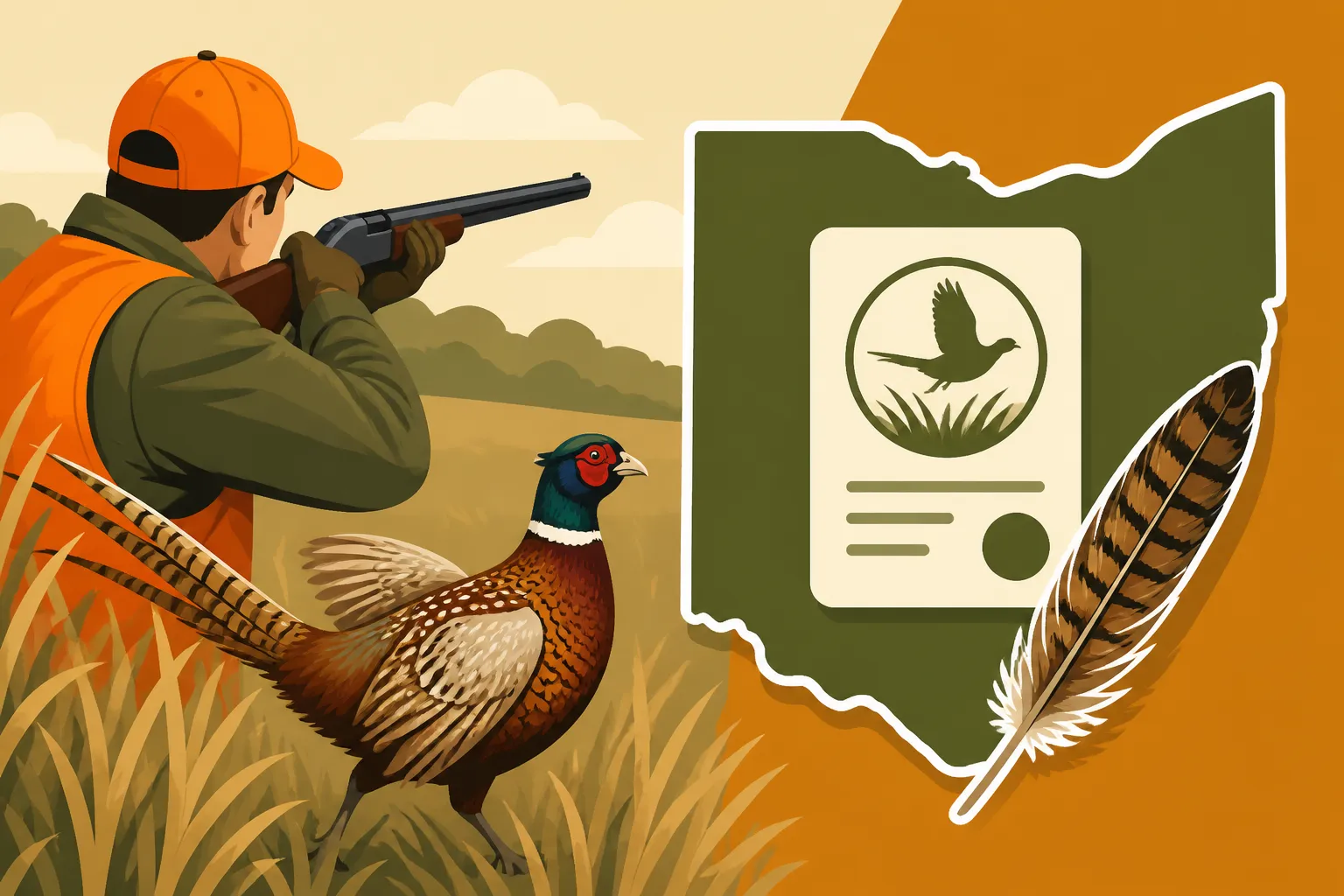
Here's the critical piece of information: A separate "Pheasant Hunting Permit" is indeed required in Ohio, but only if you plan to hunt pheasants on designated public hunting areas where the Ohio Department of Natural Resources (ODNR) actively stocks pheasants. If you're lucky enough to find wild pheasants on private land (with permission, of course) or public land not part of the stocking program, your general Ohio hunting license is all you need.
The reason this permit exists is twofold. First, it helps the ODNR manage access and hunting pressure on these intensively managed areas. Stocking pheasants is an expensive endeavor, requiring significant resources for raising and releasing the birds. Second, the modest fee associated with this permit helps offset some of the costs of the pheasant stocking program, ensuring that these opportunities can continue for Ohio hunters. It's a way for those who directly benefit from the stocked birds to contribute to the program's sustainability.
So, if you're heading to a well-known wildlife area known for pheasant releases, like Killdeer Plains Wildlife Area or Ringneck Ridge at Delaware Wildlife Area, you absolutely need this permit. Neglecting to purchase it could lead to fines and a ruined hunt, so it's not something to overlook. The ODNR goes to great lengths to provide these opportunities, and they expect hunters to follow the rules that make it all possible. Understanding when and where this permit applies is paramount to a successful and legal pheasant hunt.
Understanding What the Permit Grants and Its Limits
The Ohio Pheasant Hunting Permit isn't just a piece of paper; it grants you specific access and rights. Primarily, it allows you to hunt pheasants on those designated ODNR-stocked public lands during specific open seasons. These stocked areas often have higher pheasant densities, providing a more consistent hunting experience than trying to find the sparse populations of truly wild birds. The permit is typically inexpensive and can be purchased as an add-on to your general hunting license.
However, it's crucial to understand its limitations. This permit does not grant you an extended season length beyond the statewide Ohio Pheasant Season Opening Day or increased bag limits. You are still bound by the general statewide daily and possession limits for pheasants, which typically allow for a certain number of roosters (male pheasants) per day. For example, the current daily bag limit for pheasants is two roosters. The permit simply authorizes you to harvest those birds on specific stocked lands.
Furthermore, access to some of the most popular stocked areas, especially during opening weekend, might be managed through special drawings or controlled hunts to spread out hunter pressure and enhance safety. Always check the specific wildlife area regulations on the ODNR website or use resources like GoHunt to confirm any additional requirements or restrictions for the exact location you plan to hunt. Some areas might have specific shooting hours, designated parking, or even require non-toxic shot, even if general pheasant hunting doesn't. Knowing these nuances before you go is key to avoiding frustration.
Locating Ohio's Stocked Pheasant Release Sites
One of the biggest questions after realizing you need a special permit is, "Okay, but where are these stocked areas?" The Ohio Department of Natural Resources does an excellent job of publicizing its pheasant stocking schedule and locations each year. These stockings primarily occur on various Ohio Wildlife Areas managed by the ODNR, specifically designed to offer hunting opportunities for upland birds.
You'll find these stocked areas scattered across the state, though many are concentrated in areas with suitable habitat for pheasants, often associated with agricultural landscapes and managed cover. Prominent examples include Killdeer Plains Wildlife Area in Wyandot and Marion counties, Oxbow Lake Wildlife Area in Defiance County, Ringneck Ridge at Delaware Wildlife Area in Delaware County, and Resthaven Wildlife Area in Erie County, among others. These areas are specifically managed with pheasant habitat in mind, featuring food plots, grassy fields, and brushy cover.
To find the most up-to-date information on which wildlife areas will be stocked, specific stocking dates, and any related regulations, your best bet is to visit the ODNR website. They typically release this information a few weeks before the season opens. Additionally, tools like GoHunt can be invaluable. Their mapping features allow you to overlay public land boundaries and often have notes or layers indicating specific regulations for wildlife areas, helping you pinpoint potential hunting spots and understand what to expect. Planning your hunt using these resources is crucial for targeting areas where the permit is valid and opportunities are high.
Practical Steps for Securing Your Pheasant Hunting Permit
Getting your pheasant permit isn't overly complicated, but knowing the exact steps and understanding the associated rules will ensure a smooth process and a rewarding hunt.
The Process of Purchasing and Validating Your Permit
Acquiring your Ohio Pheasant Hunting Permit is quite straightforward, usually handled right alongside your general hunting license. The easiest and most common way to purchase it is online through the ODNR's Wild Ohio Customer Portal. When you log in to buy or renew your annual hunting license, you'll see the Pheasant Hunting Permit listed as an optional add-on. Just select it, pay the fee, and it will be linked to your customer ID.
Alternatively, you can purchase the permit from any licensed hunting and fishing license vendor across Ohio. These include many sporting goods stores, bait shops, and even some larger retailers. Just like your general license, it's vital to carry proof of your Pheasant Hunting Permit while in the field. This can be the physical printout or the digital version on your phone, accessible through the ODNR's apps or a saved PDF. Game wardens regularly check for appropriate licensing, especially on popular stocked areas, so having it readily available is a must.
It's a good idea to purchase your permit well in advance of your planned hunt, especially if you're targeting opening weekend on a popular area. While most permits aren't limited in quantity, some specific controlled hunts on certain areas do have application windows and limited draws, so always check for those unique situations if you have a particular spot in mind. For more detailed instructions on how to navigate the online system, our guide on Buying Ohio Permits Online Versus by Phone can walk you through the specifics.
Planning Your Hunt: Dates, Bag Limits, and Ethical Practices
Once you have your permit, it's time to strategize for the actual hunt. This involves not just knowing where to go, but when to go and how to conduct yourself ethically in the field. Ohio's pheasant season typically runs from early November into January, but specific stocked areas might have different open days or periods, especially immediately after a stocking event. Always consult the current hunting regulations provided by the ODNR to confirm the exact season dates and daily bag limits. For instance, the general statewide daily limit for pheasants is two roosters, with no hens permitted for harvest.
Ethical hunting practices are paramount, especially on public, stocked lands that can see significant hunter pressure. This includes respecting other hunters by maintaining safe shooting lanes, being mindful of noise, and always knowing what's beyond your target. Retrieving downed birds promptly is not only ethical but also helps ensure none of the valuable game goes to waste. Using a good bird dog, like a flushing spaniel or a pointing breed, is highly recommended for pheasant hunting. Dogs greatly increase your chances of finding downed birds in thick cover and contribute significantly to the overall enjoyment of the hunt. Consider our article on Running Pointing Dogs on Ohio Pheasants for tips on working with your canine companion.
Remember, the goal is not just to harvest birds but to enjoy the experience responsibly and safely. On crowded public lands, patience and courtesy go a long way in making the day enjoyable for everyone. Always check for any special rules regarding non-toxic shot requirements on specific wildlife areas, as these can sometimes apply even if not mandated statewide for upland game.
Leveraging Technology for Ohio Pheasant Hunting
In today's hunting world, technology can be a huge asset, and it's especially true when planning and executing a pheasant hunt on Ohio's public lands. Tools like the Ohio HuntFish App from the ODNR are fantastic for on-the-go access to regulations, license information, and interactive maps of public hunting areas. It’s an invaluable resource for checking boundaries and understanding specific area rules even when you're out in the field with limited cell service.
Beyond the official state apps, third-party mapping applications like GoHunt offer incredibly detailed aerial imagery and property line overlays that can help you scout potential hunting spots from the comfort of your home. You can use GoHunt to identify prime pheasant habitat—think old field edges, fence rows, brushy creek bottoms, and standing corn—even before you step foot on public land. This pre-scouting can save you valuable time and effort, especially if you're traveling to an unfamiliar area. Our article Pheasant Hunting Ohio Farm Country offers specific tactics for these types of landscapes.
For stocked pheasant areas, GoHunt can help you locate the specific sections of wildlife areas that are most likely to hold birds, often highlighting habitat features that attract them. It's also great for locating potential Where Wild Pheasants Persist in Ohio, though these spots are fewer and farther between. Planning your approach, understanding wind direction, and identifying cover can all be done more effectively with these digital tools. While nothing replaces boots on the ground, using technology wisely helps you make the most of your time in the field, increasing your chances of finding those elusive pheasants.
Ohio Pheasant Hunting Permit Summary
To help clarify the differences between general hunting requirements and the specific pheasant permit, here's a quick overview:
| Requirement Category | General Ohio Hunting License | Ohio Pheasant Hunting Permit (Stocked) |
|---|---|---|
| Purpose | Mandatory for all hunting activities | Required only for hunting pheasants on designated ODNR-stocked public lands |
| Covers | Most small game (wild pheasants included), deer, turkey, waterfowl (with stamps) | Pheasants harvested from ODNR-stocked public hunting areas |
| Cost | Annual fee (varies by residency) | Additional, generally low fee |
| Where to Purchase | Wild Ohio Portal, licensed vendors | Wild Ohio Portal, licensed vendors |
| Necessity for Wild Birds | Yes | No (general license is sufficient) |
| Necessity for Stocked Birds | Yes (in addition to general license) | Yes |
| Season/Bag Limits | Adheres to statewide regulations | Adheres to statewide regulations |
Disclaimer
Please remember that hunting regulations can change. While every effort has been made to provide accurate and up-to-date information, it is always your responsibility to consult the current Ohio Department of Natural Resources hunting regulations booklet or website before heading afield. This guide is for informational purposes only and does not replace official legal documentation.