When Ohio’s Northeast Zone Turkey Season Opens
That crisp morning air, the sound of gobblers waking up in the distance, the sheer anticipation – there's nothing quite like the start of spring turkey season in Ohio. But let's be real, figuring out exactly when you can hit the woods, especially with our state's staggered zones, can be a real headache. This guide is here to untangle the details of the Northeast Zone's spring turkey opener, so you can focus on calling in that wary tom instead of sifting through regulations.
Pinpointing the Ohio Northeast Zone Turkey Season Opening Day
One of the biggest frustrations for turkey hunters in Ohio is the split opening dates. You're itching to get out there, but you have to know which zone you're in! The Northeast Zone generally opens later than its southern counterpart, giving those birds a little more time to settle into their spring routines.
Understanding the Staggered Opener
Ohio's spring turkey season is split into two distinct zones: the South Zone and the Northeast Zone. This isn't just a random decision; it's a strategic move by the Ohio Department of Natural Resources (ODNR) to account for the biological differences in turkey breeding cycles across the state's varied geography. Turkeys in southern Ohio typically experience an earlier spring, meaning they begin their breeding activities, including gobbling and strutting, sooner than their northern cousins. By staggering the season, the ODNR aims to align hunting pressure with peak gobbling activity in each region, theoretically providing a better hunting experience and managing populations effectively.
For the 2024 season, for example, the South Zone kicked off on Saturday, April 20th. However, if you were planning to hunt in the Northeast Zone, you had to wait an extra week, with that season opening on Saturday, April 27th. This distinction is crucial for planning your hunts, especially if you have access to land in both zones or if you're traveling to hunt. Always double-check the current year's regulations on the ODNR website, or use a reliable mapping application like GoHunt which often integrates season dates, to ensure you're on the right side of the law.
Key Counties in the Northeast Zone
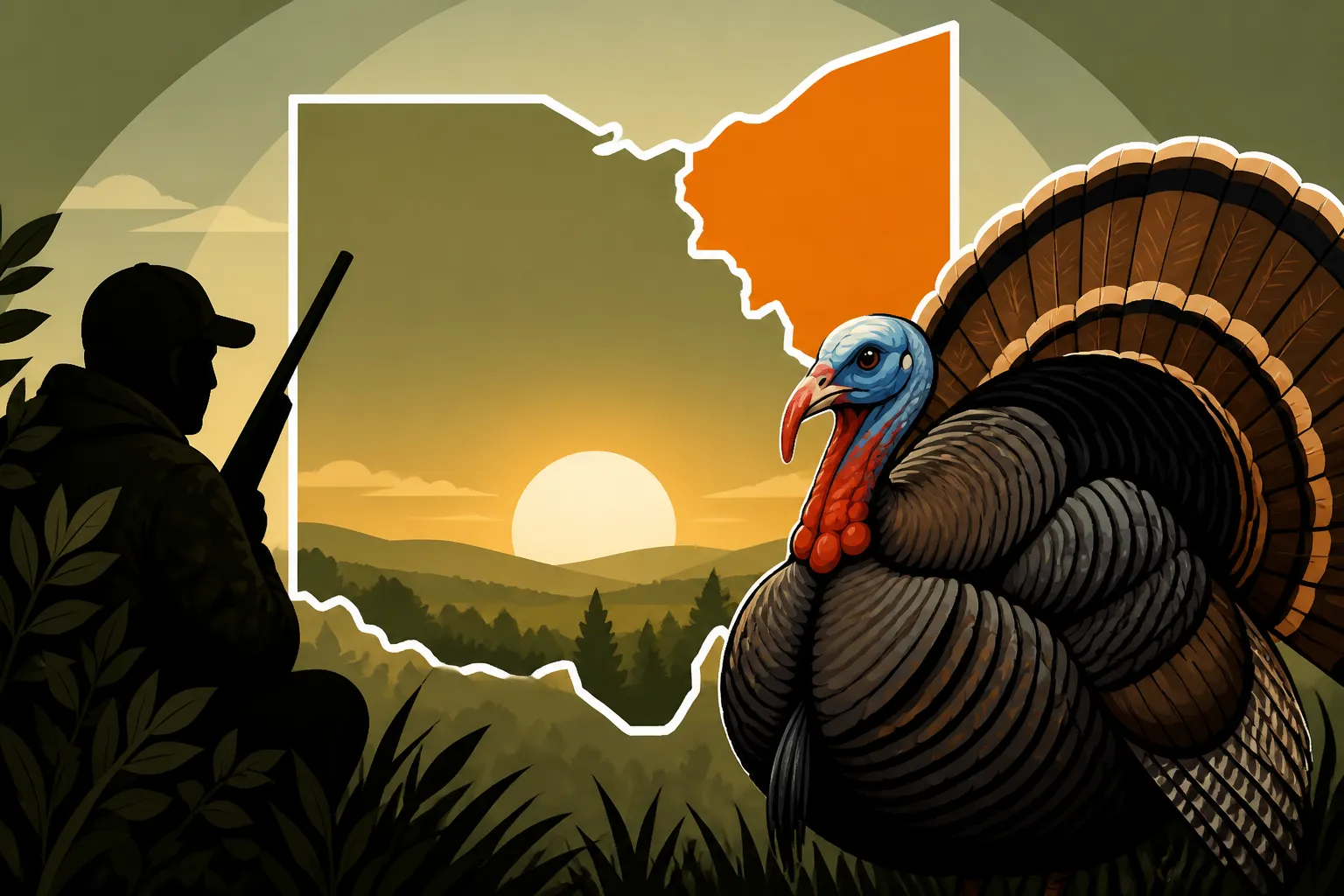
The Northeast Zone encompasses a significant portion of Ohio, primarily covering the counties in the glaciated regions of the state. This area is characterized by a mix of agricultural fields, smaller woodlots, and larger tracts of forest, particularly in the eastern part of the zone. You'll find popular turkey hunting destinations within counties like Ashtabula, Columbiana, Geauga, Mahoning, and Trumbull, among many others. The full list of counties in the Northeast Zone is critical to know, as hunting even a few miles outside of your intended zone could lead to significant legal trouble.
The landscape itself often dictates different hunting strategies compared to the more rugged Appalachian foothills of the South Zone. In the Northeast, you might find yourself hunting smaller woodlot islands surrounded by expansive farm fields, requiring different scouting and calling tactics. Understanding the specific terrain and turkey behavior in these counties is paramount to success. For detailed boundaries and specific rules, always consult the most current official ODNR hunting regulations, which delineate exactly Which Counties Sit in the Northeast Turkey Zone.
Navigating Licenses, Permits, and Regulations for the Northeast Zone
Even with the opening date circled on your calendar, you can't head out without the proper paperwork. Ohio has specific requirements that every turkey hunter needs to fulfill, and it's easy to get confused if you're new or haven't hunted in a while.
Essential Licenses and Permits
Before you even think about setting foot in the turkey woods, you need to ensure your licensing is in order. Every hunter, regardless of residency or age, is required to possess a valid Ohio hunting license. This is your fundamental pass to participate in any hunting activity in the state. For residents, the cost is relatively affordable, but for non-residents, it's a more significant investment. You can find detailed information on these costs, including youth and senior discounts, in our guide on the Ohio Resident Hunting License Cost.
Beyond the general hunting license, spring turkey hunting specifically requires an additional Spring Turkey Permit. This permit, often purchased concurrently with your hunting license, grants you the legal right to pursue wild turkeys during the designated season. The cost of this permit is the same whether you're a resident or a non-resident. It's a small price to pay for the opportunity to chase gobblers, but it's an absolute must. For a comprehensive breakdown of these fees and purchasing options, check out our resource on the Ohio Spring Turkey Permit Cost. Remember, many hunters use digital platforms like the Wild Ohio system or even apps like GoHunt to manage their licenses and permits right on their phones, making it incredibly convenient.
Specific Northeast Zone Rules and Bag Limits
Ohio's turkey hunting regulations extend beyond just licenses and opening dates. There are very specific rules regarding what you can harvest and how you can go about it, especially concerning daily and season bag limits. In the Ohio spring turkey season, whether you're hunting in the South or Northeast Zone, the statewide bag limit is one bearded turkey per season. This means you can only harvest one turkey with a visible beard throughout the entire spring season. There are no daily limits that allow you to take multiple birds in a single day during the spring; it's strictly one per season.
It's also critical to adhere to legal hunting hours, which are typically from ½ hour before sunrise until noon during the majority of the spring season. However, during the final two weeks, hunting hours often extend until sunset. Always consult the current year's hunting regulations for the precise times, as these can sometimes be adjusted. Additionally, permitted methods of take are generally limited to shotguns (using specific shot sizes) or archery equipment (vertical bows or crossbows). Rifles are strictly prohibited for turkey hunting in Ohio. Understanding these nuances is vital to ensure a legal and ethical hunt. You can dive deeper into all these specific requirements and more by reading our guide on Ohio Northeast Zone Turkey Rules.
Comparing the Northeast Zone to Other Ohio Turkey Seasons
While this guide focuses on the Northeast Zone, it's helpful to understand how it fits into the broader picture of Ohio's turkey hunting opportunities. Knowing the differences can help you plan multi-zone hunts or simply appreciate the unique characteristics of your chosen hunting grounds.
The South Zone Difference
The most significant distinction for Ohio turkey hunters is the split between the South Zone and the Northeast Zone. As we touched on earlier, the South Zone typically opens a week earlier than the Northeast. This earlier opener aligns with the earlier spring green-up and subsequent breeding activity observed in the state's southern counties. These areas, particularly in the unglaciated Appalachian foothills, often boast more mature timber, steeper terrain, and historically, a higher density of wild turkeys.
Many dedicated turkey hunters in Ohio will purchase permits for both zones, effectively extending their season by a week. They might start in the South Zone, chasing the early gobblers, and then transition to the Northeast Zone once it opens. However, this strategy requires careful planning and an understanding of the differing tactics that might be needed for the varied landscapes. The type of cover, the presence of agricultural fields, and even the typical hunting pressure can vary significantly between the two zones. If you're considering hunting in the earlier South Zone, be sure to check out our detailed guide on the Ohio South Zone Turkey Rules to ensure you're fully prepared for those specific conditions.
Youth Turkey Weekend Considerations
Ohio also offers a special, statewide youth wild turkey season that precedes both the South and Northeast Zone openers. This dedicated weekend, usually the Saturday and Sunday prior to the South Zone opener, is a fantastic opportunity to introduce young hunters (typically 17 years old and younger) to the thrill of spring turkey hunting without the added pressure of adult hunters in the woods. It's an invaluable experience for fostering the next generation of conservationists.
During the youth season, eligible young hunters, who must be accompanied by a non-hunting adult mentor (18 years or older and licensed to hunt), can pursue turkeys statewide. This means the zone restrictions don't apply to the youth hunt – a young hunter could technically harvest a bird in a Northeast Zone county even before the adult season begins there. The bag limit remains one bearded turkey, and all other general regulations regarding methods of take and hunting hours typically apply. It's a wonderful way to create lasting memories and is often a less crowded experience. For any adult considering mentoring a young hunter, or for parents of aspiring turkey hunters, understanding the rules for the youth season is just as important as knowing the adult season dates. And remember, Ohio Hunter Education Requirements apply to all hunters, including youth, so planning ahead for that is key.
Prepping for Success in the Northeast Zone
Knowing when to hunt is just one piece of the puzzle. To really make the most of your Northeast Zone opener, you need a solid plan for how to hunt. This involves scouting, understanding turkey behavior, and having your gear dialed in.
Scouting and Roosting Tactics
Pre-season scouting is absolutely critical, especially in the Northeast Zone where turkey numbers can sometimes be a bit more localized due to habitat fragmentation. You can't just show up on opening morning and expect a gobbler to materialize. A few weeks before the season, or even earlier, spend time in the areas you plan to hunt. Look for fresh turkey sign: tracks, droppings, scratchings in the leaf litter, and dusting bowls. Pay close attention to potential food sources like open fields for insects or mast-producing trees from the previous fall.
A truly successful Northeast Zone opener often hinges on locating a roosted gobbler the evening before your hunt. Turkeys are creatures of habit, and finding where they fly up to spend the night can give you a significant advantage. Drive or walk quietly through your hunting area at dusk, listening intently for those tell-tale pre-roost "tree yelps" or the final goodnight gobbles. Even subtle wing beats as they fly up can give away their location. Tools like the GoHunt app are invaluable here, allowing you to mark potential roosting sites and plan your approach routes for the morning. Once you've got a bird roosted, the next step is planning your silent approach and figuring out the best way to Calling an Ohio Gobbler Off the Roost without spooking him.
Setting Up for the Shot
Once you've located a roosted bird or identified an area with consistent turkey activity, your setup strategy becomes paramount. For opening morning in the Northeast Zone, especially with potentially less-pressured birds, getting close to a roosted gobbler before he pitches down is often the most effective tactic. Your goal is to be within calling distance (usually 75-150 yards) but out of sight, positioned strategically along his likely fly-down path. Choose a setup that allows you to see the bird as he approaches while also providing solid cover to break up your silhouette.
Finding a large, wide-trunked tree to sit against is always a good idea, as it provides a natural backrest and protects your backside from unseen approaches. This concept is so vital that we even have a guide on Setting Up Against a Big Oak. Ensure your shotgun or crossbow is pointed in the direction you expect the turkey to come from, minimizing movement when the moment of truth arrives. Consider using a decoy, particularly a hen, placed 15-20 yards in front of you. This gives the gobbler something to focus on other than your position, drawing his attention and often bringing him into a comfortable shooting range. Remember, patience is key. Often, the first few calls might not get an immediate response, but a persistent and well-executed calling sequence can often seal the deal.
| Ohio Spring Turkey Zone Dates (Example: 2024 Season) | |||
|---|---|---|---|
| Zone | Youth Season Opener | Adult Season Opener | Counties Included |
| South Zone | April 13-14, 2024 | April 20, 2024 | Primarily Appalachian/Southern Ohio |
| Northeast Zone | April 13-14, 2024 | April 27, 2024 | Primarily Glaciated/Northeastern Ohio |
Disclaimer
Hunting is an inherently risky activity. Always prioritize safety by adhering to all firearm safety rules, wearing appropriate blaze orange when required, and using a safety harness when hunting from elevated stands. Regulations and season dates can change. It is every hunter's responsibility to consult the current Ohio Department of Natural Resources (ODNR) hunting regulations annually before heading afield. This guide is for informational purposes only and does not supersede official state regulations.