Mandatory Testing on Early Gun Opening Weekend
For many Ohio deer hunters, the fall is a magical time, but let's be honest, it can also be a bit of a head-scratcher with all the regulations. One area that often causes confusion and sometimes a bit of frustration is the specific rules surrounding the early gun opening weekend, particularly when it comes to mandatory Chronic Wasting Disease (CWD) testing in certain areas. It's a lot to keep track of, and nobody wants to inadvertently break a rule that could impact the health of our deer herd or land them in hot water. This guide is here to walk you through exactly what you need to know about that early gun season, why mandatory testing is so important, and how to navigate it seamlessly.
Understanding Ohio's Early Gun Season in the Disease Surveillance Area
Ohio's deer hunting seasons are generally pretty consistent, but when it comes to managing wildlife diseases like CWD, sometimes special windows open up that are a little different from the norm. The early gun season is one such example, a targeted approach designed to address a very specific concern within a defined geographic area. It’s not just a bonus hunting opportunity; it’s a critical tool in the state’s wildlife management arsenal.
Why This Season Exists and Where It Applies
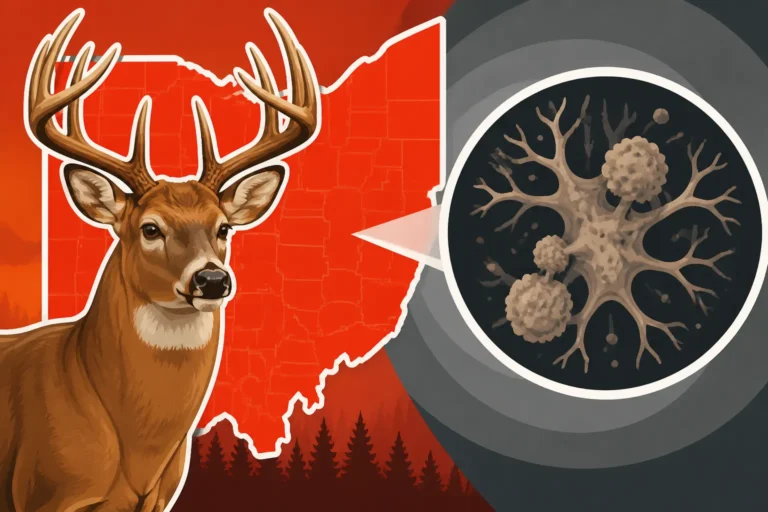
The early gun season in Ohio's Disease Surveillance Area (DSA) isn't about giving hunters an extra chance to fill their tags just for fun, though it certainly feels like a special opportunity. Instead, it’s a direct response to the discovery of Chronic Wasting Disease (CWD) in Ohio’s deer population. CWD is a serious, fatal neurological disease that affects deer, elk, and moose, and it’s a major concern for wildlife biologists and hunters alike because of its potential to decimate deer herds. This isn't just a local issue; it's something that has impacted deer herds in many states, and Ohio is taking proactive steps to contain it.
When CWD is detected, wildlife agencies often implement strategies to monitor and manage its spread. One common tactic, and the reason for this early gun season, is to increase the harvest within a specific zone to help reduce deer densities. The idea is that fewer deer per square mile can slow down the transmission of the disease, which spreads through direct contact between animals, and through contaminated environments. Think of it like social distancing for deer. You can learn more about Why the Early Gun Season Exists in the DSA to understand the scientific reasoning behind it. It's a tough but necessary measure to protect the long-term health of our beloved whitetails.
The critical thing to remember is that this early gun season only applies to specific counties designated as the Disease Surveillance Area. These aren't just random counties; they are precisely identified based on where CWD has been detected or where the risk of spread is highest. This means if you're hunting outside of these specific counties, the early gun season rules and mandatory testing requirements do not apply to you. It's imperative to know the boundaries, as hunting in a DSA county during this special season comes with its own set of responsibilities.
Key Dates and Counties for the Early Gun Weekend
The early gun season in Ohio’s DSA typically occurs on the last Saturday and Sunday of October, right before the statewide gun season. This timing is strategic, allowing for a concentrated effort to harvest deer in the affected areas when deer activity might still be relatively high, before hunting pressure spreads out across the entire state. However, season dates can shift slightly year to year, so always confirm the exact dates on the Ohio Department of Natural Resources (ODNR) website or through a reliable hunting app like GoHunt before planning your trip. It's easy to get caught up in the excitement of the hunt, but knowing these specific dates is paramount for compliance.
Currently, the primary counties that make up Ohio’s CWD Disease Surveillance Area include Hardin, Marion, and Wyandot counties. Additionally, portions of Crawford, Seneca, and Union counties may also fall within the DSA boundaries. This isn't a static list, as new detections could lead to adjustments, so it's vital to stay informed. For comprehensive information on the specific geographic areas impacted, you can consult resources like Which Counties Sit Inside the Ohio DSA. These counties are chosen because they either have confirmed CWD cases or are in close proximity to a known outbreak, making them high-priority areas for surveillance and management efforts.
Understanding these specific areas is crucial because the regulations discussed in this guide, particularly regarding mandatory testing, are strictly enforced within them during this two-day window. If you're planning to hunt in any of these counties during the early gun season, consider it a given that you'll be participating in a vital part of Ohio's CWD management program. Failing to comply can result in penalties, but more importantly, it could undermine the collective effort to keep Ohio’s deer herd healthy. Always double-check the latest maps and guidelines provided by the ODNR before you head afield.
The Ins and Outs of Mandatory CWD Testing
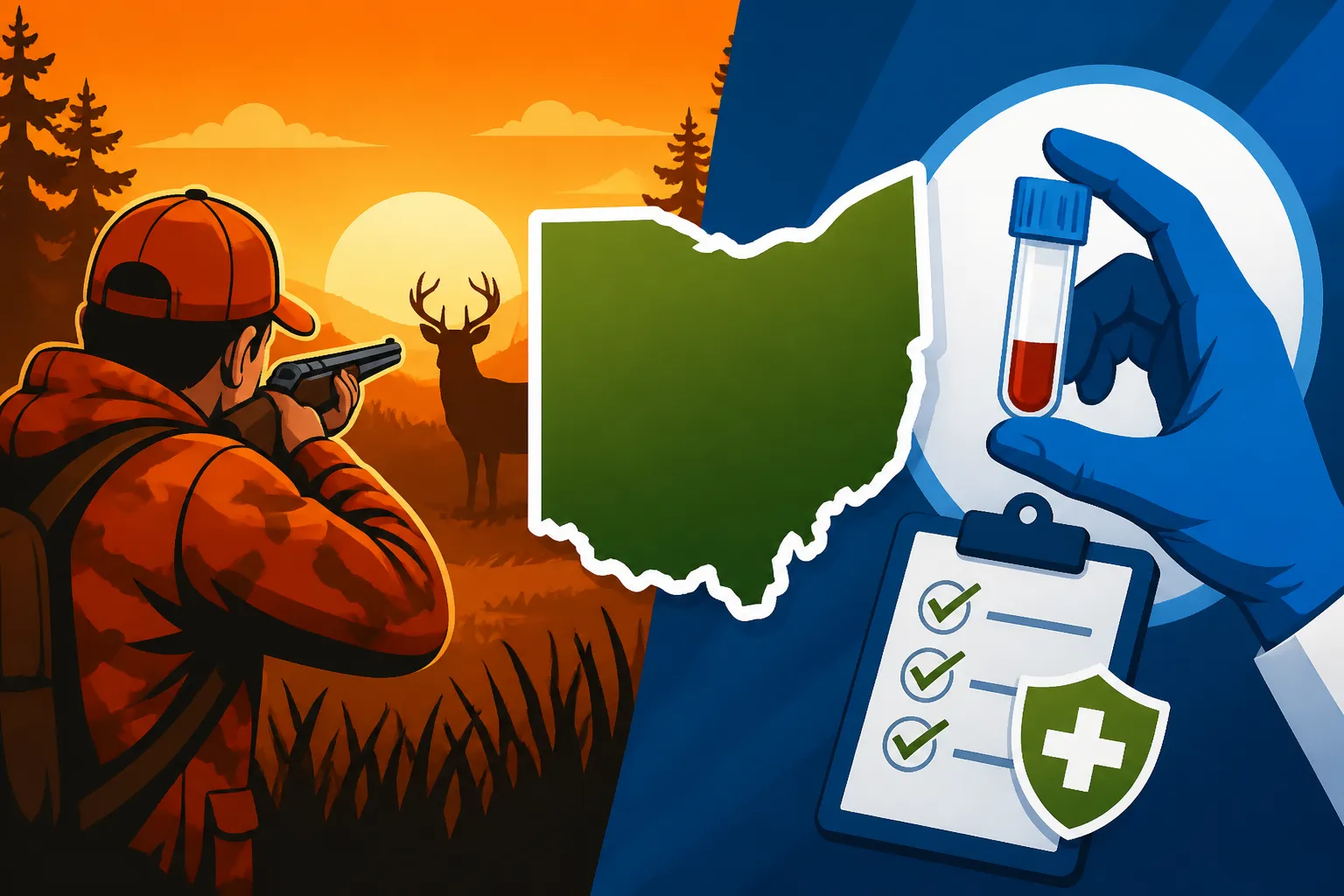
Now, let's get into the nitty-gritty of mandatory testing. This isn't just a suggestion; it's a requirement for any deer harvested during the early gun season in the DSA. While it might seem like an extra step, it’s a truly essential component of monitoring and managing CWD within the state. It's how the ODNR gathers the critical data needed to understand the prevalence and spread of the disease, allowing them to make informed decisions for future management strategies.
Who Needs to Test and What to Expect
If you are fortunate enough to harvest a deer during Ohio's early gun season weekend within the designated Disease Surveillance Area, let me be crystal clear: your deer must be submitted for CWD testing. This applies to every single deer taken, whether it's a big buck or an antlerless doe. There are no exceptions during this specific timeframe in these specific counties. It’s part of the deal, so to speak, when you choose to hunt in these areas during this special season.
The process itself is generally quite straightforward. Once you’ve legally harvested and tagged your deer (and remember, proper tagging and reporting via the Ohio Deer Checking and Reporting Rules is always the first step), you'll need to transport the deer's head to an official CWD sampling station. Wildlife technicians or self-serve kiosks are set up to collect the necessary tissue samples. They are primarily looking for specific lymph nodes and brainstem tissue, which are the most reliable indicators for CWD. The ODNR staff conducting these tests are experienced and efficient, aiming to make the process as quick and easy as possible for hunters. They're there to help, not to hinder your hunting experience.
For hunters, what this means in practice is being prepared for this step. Don't plan to immediately take your deer home and start butchering if you've harvested it in the DSA during this season. Instead, factor in the trip to a sampling station. It’s a small amount of time and effort on your part that contributes immensely to the health of the entire deer herd. The information collected from these samples, combined with the location data of your harvest, helps paint a clear picture of CWD activity, informing the ODNR's ongoing efforts to control the disease. This is a critical data point, especially considering that How Many Deer Have Tested CWD-Positive in Ohio continues to be a closely monitored statistic.
Finding and Using CWD Sampling Stations
Locating the official CWD sampling stations is a crucial step for hunters participating in the early gun season in the DSA. The Ohio Department of Natural Resources works hard to make these stations accessible, establishing a network of drop-off kiosks and sometimes even manned check stations during peak times. These are strategically placed throughout the DSA counties, often at wildlife area headquarters, state park offices, or other easily identifiable public access points. It’s not about finding a needle in a haystack; the ODNR wants to make it as convenient as possible for hunters to comply.
Before you even leave for your hunt, I highly recommend checking the ODNR’s official website or utilizing a reputable hunting app that integrates state wildlife data. Platforms like GoHunt often include overlays or points of interest for these kinds of facilities, making it simple to map out the closest sampling station to your hunting spot. Having this information pre-loaded on your phone or a printed map can save you a lot of time and stress after a successful harvest, especially if you're in an unfamiliar area. You can find detailed maps and specific addresses through resources like Ohio CWD Sampling Station Locations.
Once you arrive at a sampling station, particularly a self-serve kiosk, you’ll typically find clear instructions. The process usually involves filling out a brief form with your name, contact information, hunting license number, and the precise location where you harvested the deer. Accuracy here is vital, as it helps connect the sample to a specific geographic point. You’ll then be directed on how to properly deposit the deer’s head in a designated collection receptacle. It’s important to handle the head with care, following any specific instructions to ensure the integrity of the sample. For a step-by-step visual, check out Submitting a Deer Head at a Sampling Kiosk. These procedures are designed to ensure consistent data collection, and your careful compliance ensures the samples are viable for testing.
Preparing for a Successful and Compliant Hunt
Hunting the early gun season in Ohio's DSA isn't just about knowing the dates and testing requirements; it's also about being fully prepared for the logistical challenges and ensuring you remain compliant with all regulations. A successful hunt isn't just about bagging a deer; it's also about executing the entire process responsibly and ethically, especially when public health and wildlife management are involved.
Carcass Movement Restrictions You Must Know
This is a really important detail that many hunters, especially those traveling from outside the DSA, can easily overlook. The concern isn't just about testing the deer; it's about preventing the potential spread of CWD through infected parts of a deer carcass. Therefore, if you harvest a deer in one of the DSA counties during the early gun season, there are strict rules about what parts of the carcass can leave the area. You cannot simply throw the whole deer in the back of your truck and drive it across county lines to your home or a processor outside the DSA. This restriction is crucial because certain parts of the deer, particularly the brain, spinal cord, and lymph nodes, are known to harbor the CWD prion.
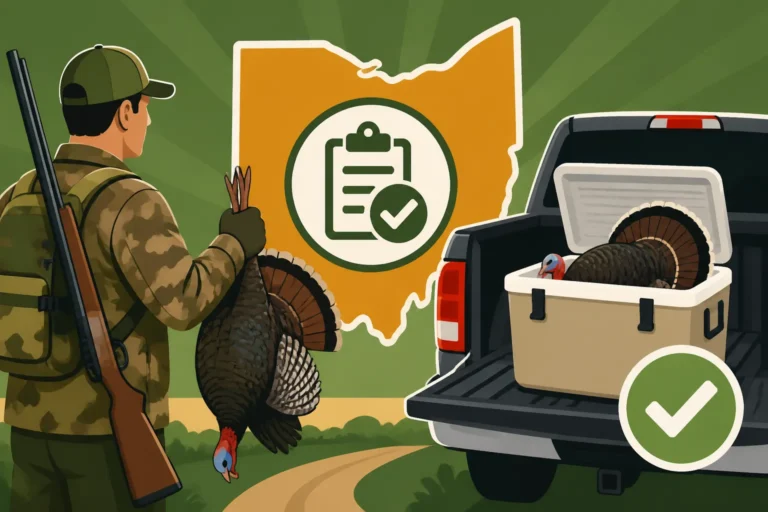
Generally, only deboned meat, antlers attached to a clean skull plate (without brain tissue), hides, and clean skull plates (with no soft tissue remaining) are permitted to leave the DSA. This means if you want to take your harvest home to process it yourself, you’ll need to debone it in the field or at a local facility within the DSA before transporting the meat. Alternatively, if you plan to use a professional processor, that facility must also be located within the CWD Disease Surveillance Area. This prevents potentially infected material from moving into unaffected areas, reducing the risk of new outbreaks. For a full breakdown of these critical rules, consult Ohio Carcass Movement Restrictions.
Imagine you're hunting in Wyandot County, which has unfortunately seen significant CWD activity and leads the state in confirmed cases, as discussed in Why Wyandot County Leads Ohio's CWD Count. You successfully harvest a deer. If your home is in, say, Franklin County, you can't just drive that whole carcass home. You'll need to debone the meat on-site or take it to a processor in Wyandot, Hardin, or Marion counties. This might require bringing extra coolers, game bags, and knives for field processing. It’s an extra step, for sure, but it’s a small price to pay for protecting the rest of Ohio's deer population from this devastating disease. Planning ahead for this contingency is paramount.
Best Practices for a Seamless Check-In Process
To ensure your early gun season hunt in the DSA goes as smoothly as possible, a little foresight and preparation can go a long way. First and foremost, before you even pack your hunting gear, make it a habit to visit the ODNR website. They provide the most current information regarding season dates, DSA boundaries, and sampling station locations. Regulations can sometimes change, so relying on last year's knowledge might lead to an unpleasant surprise.
Once you've harvested a deer and performed the initial field dressing, remember to immediately and properly tag your animal with your game tag. This is a non-negotiable step and part of standard Ohio Deer Checking and Reporting Rules. Having your hunting license and deer permit easily accessible on your phone or in your wallet will speed up the check-in process. After tagging, your next move is to head directly to a CWD sampling station. Using a mapping application on your phone, such as GoHunt, can be incredibly helpful for navigating to the nearest station quickly and efficiently. You can often plot these locations as waypoints before you even leave home.
It’s also wise to have a plan for processing your deer in light of the carcass movement restrictions. If you intend to debone your deer in the field, make sure you have appropriate tools like a sharp knife, game bags, and a clean cooler with ice. This ensures your meat stays fresh and you comply with all rules before transporting it out of the DSA. If you're using a local processor, call them in advance to confirm their hours and that they are indeed located within the DSA and are prepared to handle deer from the early gun season. A little communication upfront can save you a lot of hassle and potential issues down the line. Remember, cooperation and patience with wildlife officials at sampling stations are appreciated; everyone is working towards the shared goal of a healthy deer herd.
Disclaimer
Please note that hunting regulations, season dates, and CWD surveillance areas can change. Always consult the most current Ohio Department of Natural Resources (ODNR) hunting regulations and official website before planning any hunting trip. This guide is for informational purposes only and does not supersede state law.