Do You Need a Separate Crossbow Permit?
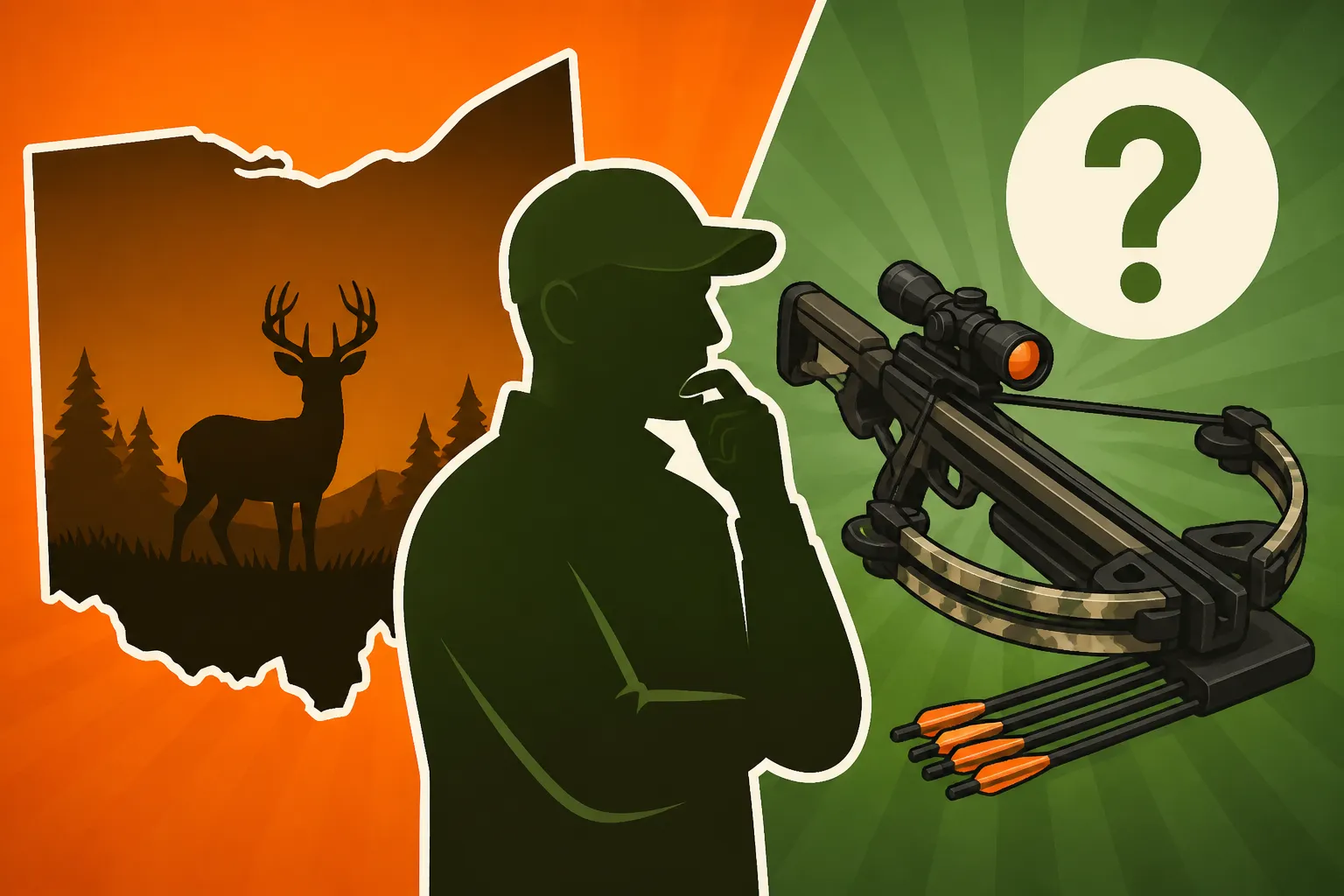
It’s easy to get tangled up in what feels like a never-ending web of hunting regulations, especially when every state has its own unique set of rules, and they can sometimes feel contradictory or just plain confusing. For many hunters looking to explore crossbow hunting in Ohio, a common question pops up: do you need a special, separate permit just for a crossbow? This comprehensive guide will untangle the specifics of Ohio’s hunting laws to clarify exactly what you need to legally and ethically hunt with a crossbow in the Buckeye State.
Navigating Ohio's Hunting License Labyrinth: The Foundation
Before we dive specifically into crossbows, it’s absolutely vital to understand the foundational requirements for any hunting activity in Ohio. Think of it like building a house – you need a solid foundation before you start worrying about the color of the paint. Without the right base license, nothing else matters.
Understanding Your Base Hunting License
The very first step for anyone planning to hunt in Ohio, regardless of whether they’re chasing deer with a crossbow, flushing rabbits, or calling turkeys, is to obtain a valid Ohio hunting license. This isn't a weapon-specific permit; it's your general authorization to participate in hunting activities across the state. Without this, you're not legally allowed to pursue any game animal.
Ohio offers distinct options depending on your residency. If you call Ohio home, you'll be looking at a resident hunting license, which is typically more affordable and often comes with additional benefits or purchasing options. For those traveling from out of state to enjoy Ohio's diverse hunting opportunities, a nonresident hunting license is your ticket. These licenses grant you the privilege to hunt small game, furbearers, and serve as the prerequisite for purchasing any additional permits, such as deer or turkey tags. You can typically buy these directly through the Ohio Department of Natural Resources (ODNR) Wild Ohio Customer Center, either online, over the phone, or at authorized license vendors throughout the state. It’s always a good idea to ensure you have a physical copy or at least a digital one easily accessible on your phone, as wardens will certainly ask to see it. Carrying Proof of License on Your Phone is essential.
Who Needs Hunter Education?
Another critical foundational piece, especially for new hunters, is hunter education. Ohio, like many states, requires most first-time hunters to complete a certified hunter education course before they can purchase a hunting license. This course covers everything from firearm safety and wildlife identification to ethical hunting practices and basic survival skills. It’s designed to ensure hunters are safe, responsible, and knowledgeable members of the hunting community.
There are, however, some exemptions to this rule. If you were born before a certain date (typically January 1, 1971, in Ohio), you are generally exempt from the hunter education requirement. Additionally, Ohio has an apprentice hunting license program that allows individuals to hunt under the direct supervision of a licensed adult without first completing hunter education. This is a fantastic way for newcomers, including youth, to experience hunting firsthand and decide if it's for them before committing to the full course. Regardless of your experience level, reviewing hunter education materials is always a good practice. It never hurts to refresh your memory on safety protocols and regulations. Who Needs Ohio Hunter Education provides more detail on this important step.
The Ohio Crossbow Question: Do You Need a Separate Permit?
Now, let's get to the heart of the matter that brought you here: the crossbow permit. The good news for many hunters in Ohio is that the answer is far simpler than you might expect.
The Simple Answer: No Additional Crossbow Permit
It's easy to get tangled up in what feels like a mountain of regulations, especially when every state seems to have its own quirks. Some states might have specific restrictions or additional permits for certain weapon types. But for crossbow hunters in Ohio, here's some straightforward good news: no, you do not need a separate, additional permit specifically for using a crossbow to hunt in Ohio.
Ohio law classifies crossbows as archery equipment. This is a crucial distinction. What this means in practice is that if you possess a valid Ohio hunting license and the appropriate deer permit (if you're hunting deer), you are authorized to use a crossbow during the legal archery season. There isn't a unique "crossbow stamp" or "crossbow permit" that you need to buy on top of your existing licenses and permits. This simplifies things considerably and treats crossbow hunters the same as those who prefer a traditional vertical bow.
Crossbows Within Ohio's Archery Season
Since crossbows are recognized as archery equipment, they are legal to use throughout Ohio's long archery season. This season typically offers a substantial window of opportunity, often running from late September well into February, providing ample time for hunters to get out into the woods. The length of this season is one of the many reasons archery hunting, including with a crossbow, is so popular in the state. Ohio Archery Season Structure outlines the specific dates and rules. You'll find that the archery season offers a unique challenge and reward, often overlapping with key deer activity periods like the pre-rut and the full rut, extending even into the late season. How Ohio's Archery Season Runs Into February can give you a better idea of just how long that opportunity is.
While crossbows fall under the "archery" umbrella, it's worth noting the differences in how they operate compared to traditional compound or recurve bows. Crossbows typically have a stock, a trigger, and a scope, making them more akin to a firearm in terms of handling and aiming. This can be an advantage for hunters who might struggle with the physical demands of a vertical bow, or for those transitioning from firearm hunting. However, the core regulatory framework for permitting remains the same: general hunting license + deer permit = legal crossbow deer hunting. Crossbow Versus Vertical Bow in Ohio delves deeper into the practical differences, but for permits, they are treated equally.
Special Considerations for Crossbow Use
While a separate permit isn't required, crossbow hunters should still be mindful of general hunting regulations that apply to all methods, as well as some specific nuances of crossbows themselves. For instance, proper and ethical shot placement is paramount. Crossbows are powerful tools, but shot selection remains critical for a humane harvest. Range is another consideration; while a crossbow can shoot accurately at impressive distances, real-world hunting scenarios in dense Ohio timber often dictate much shorter shots. Understanding your equipment's limitations is key. Crossbow Scopes for Ohio Timber Ranges discusses how optics can play a role in this.
It's also important to remember that during certain portions of the gun season, specific blaze orange requirements apply to all hunters afield, regardless of their weapon choice. Always double-check the current Ohio Hunting and Trapping Regulations booklet for any updates or specific rules that might affect your planned hunt.
Here’s a quick overview of what you do and don’t need regarding permits for crossbow hunting in Ohio:
| Requirement | Is it needed for Crossbow Hunting in Ohio? | Notes |
|---|---|---|
| Base Hunting License | Yes | Required for all hunting methods. Establishes you as a legal hunter. |
| Ohio Deer Permit | Yes (if hunting deer) | Required for each deer you intend to harvest, regardless of weapon. You need one per deer. |
| Separate Crossbow Permit | No | Crossbows are classified as archery equipment; no special permit beyond general hunting license and deer permit. |
| Hunter Education Certification | Yes (with specific exemptions) | Required for most first-time hunters born after Jan. 1, 1971. |
| Federal Duck Stamp | No (unless hunting waterfowl) | Only for migratory waterfowl; not relevant for deer hunting with a crossbow. |
| Ohio Migratory Bird Certification | No (unless hunting migratory birds) | Only for migratory birds; not relevant for deer hunting with a crossbow. |
| Blaze Orange Clothing | Yes (during specific seasons/locations) | Crucial during overlapping gun seasons or on certain public lands. Check current regulations for specifics. |
Beyond the Crossbow: Essential Deer Permits for Success
So, we've established that the base hunting license and a deer permit are your fundamental requirements. Let's delve a little deeper into the deer permit itself, as this is your ultimate ticket to actually putting venison in the freezer with your crossbow.
The Deer Permit: Your Ticket to Harvest
While your base hunting license allows you to hunt game, the Ohio deer permit is what specifically authorizes you to harvest a deer. You can’t legally tag and keep a deer in Ohio without this permit. Each permit allows you to harvest one deer. If you plan to take multiple deer (and Ohio's regulations often allow for this, especially with antlerless permits), you'll need a separate deer permit for each animal.
Ohio's deer season structure is designed to manage the deer population effectively, and the permits play a huge role in that. Typically, you'll purchase an "either-sex" permit, which allows you to harvest either an antlered buck or an antlerless doe. Depending on deer population goals in specific counties, the state also offers deer management permits, which are usually antlerless-only and designed to help control herd numbers. These permits are crucial for hitting deer harvest objectives and are part of the larger Ohio Deer Season Structure Explained.
How Permits Apply to Crossbow Deer Hunting
For you, the crossbow hunter, the process is straightforward: once you have your general hunting license, you purchase the necessary deer permits for the number of deer you wish to harvest. When you successfully take a deer with your crossbow, you immediately apply one of your valid deer permits to that animal. This permit is essentially your tag, and it must be attached to the deer and immediately validated before you move the animal.
The next critical step is checking in your deer. Ohio requires all harvested deer to be reported through its automated game check system. This can be done online, over the phone, or at a participating license vendor. This reporting is not just a formality; it provides crucial data to the ODNR about harvest numbers, buck-to-doe ratios, and overall herd health, which in turn helps them make informed management decisions for future hunting seasons. Make sure you understand Registering a Deer Through Ohio's Check-In System and the deadlines involved. This is where companies like GoHunt, with their extensive data and mapping tools, can be incredibly useful not just for scouting, but for understanding harvest trends in your hunting area, which can inform your permit purchasing strategy.
Important Regulations for Crossbow Hunters to Remember
While the permit question is clear, there are several other important regulations that every crossbow hunter in Ohio should be aware of to ensure a safe, legal, and enjoyable hunt.
Legal Hours and Blaze Orange
Ohio has very specific legal shooting hours for hunting, which apply to all weapon types, including crossbows. Generally, these hours run from a half-hour before sunrise to a half-hour after sunset. This applies to deer hunting during archery season. Hunting outside of these hours, even by a few minutes, is a serious violation. Always carry a reliable light source for walking to and from your stand in the dark, and make sure you're not nocking an arrow or aiming until within legal shooting light.
Blaze orange requirements are another critical element. While not typically required during the pure archery-only portions of deer season, they become absolutely mandatory during the statewide gun seasons, muzzleloader season, and the youth gun weekends, especially when hunting deer. If you're out with your crossbow during any period that overlaps with these gun seasons, you must adhere to the blaze orange rules. This typically means wearing an outer garment of solid hunter orange or camouflage hunter orange that is visible from all sides. It's a non-negotiable safety measure designed to ensure you're easily seen by other hunters. Ohio Blaze Orange Requirements outlines the specifics, including exceptions and rules for blaze pink.
Public Land Considerations for Crossbows
Many Ohio hunters rely on the state's extensive public land system, which includes wildlife areas, state forests, and even portions of Wayne National Forest. If you plan to hunt with a crossbow on public land, it's paramount to understand the specific rules that apply to that particular area. While general state regulations apply, individual wildlife areas or state forests might have additional site-specific rules regarding things like treestand placement, ground blind usage, or even vehicle access.
For example, on many public lands, treestands must be removed at the end of the day or season, and certain types of stands might be prohibited. Knowing these rules is crucial to avoid fines or losing hunting privileges. Websites and apps like the ODNR HuntFish Ohio map or third-party mapping solutions like GoHunt can be invaluable resources for identifying public land boundaries, understanding regulations for specific areas, and even scouting potential hunting spots from home. They often have layers that show property lines, topo maps, and even historical harvest data, helping you plan your hunt more effectively. Treestand Rules on Ohio Public Land offers guidance specific to stands.
General Crossbow Safety and Practice
Beyond the permits and regulations, being a responsible crossbow hunter means prioritizing safety and proficiency. Treat your crossbow with the same respect and care you would a firearm. Always assume it’s loaded, keep the safety on until ready to shoot, and be absolutely sure of your target and what’s beyond it.
Regular practice is essential. Get comfortable with your crossbow's sight, whether it's a multi-reticle scope or a red dot. Understand its effective range and practice shooting from various positions you might encounter in the field, like from a treestand or a ground blind. Knowing your equipment inside and out will lead to more ethical shots and a more successful, enjoyable hunting experience. The goal is a quick, humane harvest, and that comes from practice and preparedness.
This article is for general informational purposes only and does not constitute professional advice. Laws, prices and regulations vary by location and change over time. Consult a qualified professional for guidance on your specific situation.