Best Wildlife Areas for Northwest Ohio Pheasant
Finding reliable public land for pheasant hunting in Northwest Ohio can feel like searching for a needle in a haystack, especially when you're dreaming of those vibrant ringnecks exploding from cover. The reality is, prime pheasant habitat isn't as widespread as it once was, and knowing where to focus your efforts is absolutely critical to avoid fruitless days. This guide is here to walk you through the best wildlife areas that offer consistent pheasant hunting opportunities in the region, helping you understand the unique characteristics of each spot so you can plan your next successful outing.
The Quest for Pheasants in Northwest Ohio
Ohio's pheasant hunting scene has certainly evolved over the decades, and while it's not the "pheasant factory" it once was, dedicated hunters can still find success, especially in the state's managed wildlife areas. Northwest Ohio, with its expansive agricultural fields and remnants of prairie habitat, holds the lion's share of these opportunities. However, it's crucial to approach these areas with a realistic understanding of what to expect and how to maximize your chances.
Understanding Northwest Ohio's Pheasant Landscape
When we talk about pheasant hunting in Ohio, it's important to distinguish between naturally occurring, wild birds and those that are stocked. While some pockets of wild pheasants persist, especially in areas with robust private land conservation efforts, public land hunting in Northwest Ohio largely relies on the state's stocking program. These released birds provide a fantastic opportunity, but they can behave differently than truly wild pheasants. They might hold tighter, be less wary initially, but can also disperse quickly or become "educated" by pressure. Understanding this dynamic helps you adjust your tactics. For more on the bigger picture, you might be interested in Ohio's Stocked Versus Wild Pheasants.
The habitat itself is a mixed bag, dominated by agricultural fields but often interspersed with crucial blocks of grassland, wetland edges, and thick fencerows that provide the cover pheasants desperately need. These small parcels of dense cover become magnets for birds, particularly as hunting pressure increases. Knowing how to identify and hunt these specific features is often the key to success.
Key Habitat Features to Look For
Pheasants are masters of camouflage and cover. In Northwest Ohio, this often means they'll be found in places that offer protection from predators and the elements, along with proximity to food sources. Think dense, tall grasses that mimic their native prairie habitat, or thick, brushy fencerows that crisscross agricultural fields. These linear features provide travel corridors and escape routes.
Ditch lines, often overgrown with weeds and brambles, are another hotspot. These seemingly insignificant features can hold multiple birds, especially on cold or windy days when pheasants seek shelter. Don't overlook the edges of standing corn or soybean fields, particularly after the general harvest has begun. While not always legally huntable depending on the field's status, the edges, when adjacent to public cover, can be incredibly productive. Learning to "read" the landscape for these prime habitat types will greatly increase your odds. It's not just about walking fields; it's about walking the right parts of the fields and adjacent cover. You might find our guide on Pheasant Hunting Ohio Farm Country helpful here.
Top Wildlife Areas for Pheasant Hunting in Northwest Ohio
When it comes to dedicated pheasant hunting on public land in Northwest Ohio, a few key wildlife areas stand out. These locations are often managed specifically with pheasants in mind, featuring habitat improvements and regular stocking efforts. However, with opportunity comes competition, so knowing the lay of the land and how to approach each area is crucial.
Killdeer Plains Wildlife Area: A Pheasant Powerhouse
Located in Wyandot and Marion counties, Killdeer Plains Wildlife Area is arguably one of Ohio's premier public pheasant hunting destinations. This expansive area, covering thousands of acres, is a mosaic of grassland, wetlands, and agricultural fields, specifically managed for grassland birds and waterfowl. It's a classic example of dedicated habitat work paying off. The sheer size of Killdeer Plains means there's plenty of room to roam, but it also means you'll need a good strategy and perhaps a quality mapping tool like onX Hunt to navigate effectively.
Killdeer Plains sees regular pheasant stockings, particularly during the season, which helps maintain huntable populations even with significant pressure. You'll find diverse cover here, from dense switchgrass and big bluestem fields to brushy creek bottoms and cattail marshes. Walking the transition zones between these different habitat types is often productive. Look for birds along the edges of larger grassland blocks, especially where they meet brushy ditches or unharvested crop fields (where legal to hunt). The frustration here can be finding a bird after others have worked an area, but patience and deep dives into thicker cover can pay off.
Big Island Wildlife Area: Diverse Cover for Ringnecks
Nestled in Marion County, Big Island Wildlife Area is another fantastic option for Northwest Ohio pheasant hunters. While perhaps not as vast as Killdeer Plains, Big Island offers a rich diversity of habitats that are highly attractive to pheasants. Here, you'll encounter a mix of managed grasslands, early successional shrublands, and wetland features, all creating excellent holding cover for ringnecks. The area's management focuses on creating pockets of dense cover that birds can retreat to, making it a challenging but rewarding hunt.
Big Island is also part of the state's pheasant stocking program, ensuring a fresh supply of birds throughout the season. Hunters often find success by working the edges of thickets, fencerows, and the dense cover around wetland perimeters. It's not always about walking straight lines; sometimes, the best approach is to zigzag through varied cover, pushing birds out from unexpected spots. The habitat here can be quite thick in places, which is great for holding birds but demanding on hunters and dogs. Consider how our tips for Pheasant Hunting a Northwest Ohio Ditch Line might apply to the dense edges and waterways throughout Big Island.
Other Notable Northwest Ohio Wildlife Areas
While Killdeer Plains and Big Island are often the first two spots people think of for pheasant hunting in Northwest Ohio, other wildlife areas also offer opportunities, sometimes with less pressure but potentially fewer birds. These areas might require a bit more scouting or a willingness to explore smaller pockets of habitat.
For example, Wyandot Wildlife Area, also in Wyandot County, offers grassland and wetland habitat that can hold pheasants, especially early in the season or shortly after stocking. It's often overlooked compared to its larger neighbor, Killdeer Plains, which can be an advantage. Similarly, areas like Resthaven Wildlife Area in Erie County or even portions of Magee Marsh Wildlife Area (check specific regulations as waterfowl hunting dominates here) can offer localized pheasant hunting opportunities, particularly in specific grassland units. These areas might not be exclusively pheasant-focused, but they often have pockets of suitable habitat. Using a tool like GoHunt to scout these smaller parcels can reveal hidden gems and help you visualize the terrain and cover types before you ever step foot on the ground.
Strategies for Success on Public Pheasant Ground
Hunting pheasants on public land in Northwest Ohio can be a truly rewarding experience, but it often demands a blend of patience, persistence, and strategic thinking. Unlike private lands where birds might be less pressured, public areas see a fair amount of foot traffic, making educated birds even warier.
Dog Work vs. Walk-Up Hunting
The age-old debate for upland hunters: do you have a trusty canine companion or do you rely on your own two feet? Both methods can be effective, but they certainly have their pros and cons, especially on public land.
Hunting with a Dog: A well-trained bird dog, whether a flushing retriever or a pointing breed, is arguably the most effective tool for pheasant hunting. Dogs cover ground more efficiently, penetrate dense cover that would be impossible for a human, and, most importantly, sniff out birds that you would walk right past. For hunters Running Pointing Dogs on Ohio Pheasants, having a dog that can lock up on a bird, allowing you to get into position for a shot, is invaluable. Retrieving downed birds from thick cover is another huge benefit, minimizing lost game. The downside? Not everyone has a trained bird dog, and even well-trained dogs need regular exercise and exposure to maintain their skills. Plus, you need to ensure your dog is well-behaved around other hunters and dogs, which is a common scenario on popular public lands.
Walk-Up Hunting (Without a Dog): This method, often done by small groups or individuals, relies on pushing through cover in a line or systematically working an area. It demands a keen eye for subtle signs of birds, and a willingness to walk a lot of ground. While you might miss birds a dog would find, walk-up hunting can still be highly effective, especially in areas with very thick, linear cover like fencerows or ditch lines where a bird has limited escape options. The key is to hunt slowly, pause frequently (pheasants often flush when you stop), and anticipate escape routes. A common frustration is losing a winged bird in thick cover without a dog to retrieve it, so shot placement is paramount.
Navigating Pressure and Finding Unmolested Birds
Public land, by its very nature, is accessible to everyone, and popular pheasant spots like Killdeer Plains will see significant pressure, particularly on weekends and during the early part of the season. This pressure makes birds incredibly wary, often causing them to run far ahead or flush at extreme ranges. To counter this, you need to think differently.
One strategy is to target weekdays if your schedule allows, as pressure is typically lighter. If you're a weekend warrior, focus on hunting later in the day when early birds have left, or exploring areas that require a longer walk or are less obvious. Most hunters stick to easily accessible areas near parking lots; venturing a quarter-mile further into thick, nasty cover can often put you on birds that haven't been disturbed all day. Another tactic is to hunt against the flow of pressure. If everyone is walking west, try walking east, or find a less-trodden path. Using aerial maps from services like onX Hunt or GoHunt can help you identify these overlooked pockets of cover, allowing you to find those secluded spots where unmolested birds might be holding tight. Remember, sometimes the best hunting isn't where you expect it, but where others aren't willing to go.
Essential Gear and Preparation
Being properly equipped and prepared can make all the difference between a frustrating day and a successful pheasant hunt. Northwest Ohio weather can be unpredictable, and the cover can be demanding, so having the right tools is paramount.
Shotguns, Chokes, and Loads for Pheasants
When it comes to firearms, a 12- or 20-gauge shotgun is the standard for pheasant hunting. While some prefer the lighter recoil of a 20-gauge, the 12-gauge offers a bit more payload, which can be beneficial for those longer shots on flushing birds. Semi-automatic or pump-action shotguns are popular for their quick follow-up shots, though over/unders and side-by-sides are certainly capable.
Choke Selection: For pheasants, a modified or improved cylinder choke is typically a good all-around choice. An improved cylinder is excellent for closer flushing birds in thick cover, providing a wider pattern. A modified choke offers a slightly tighter pattern, giving you a bit more reach for those birds that flush a little further out or have been pressured. Carrying extra choke tubes allows you to adapt to the specific cover you're hunting. Our guide on Choke Choice for Fast Rabbit Flushes offers some insights that can be applied to pheasant, particularly when thinking about how fast these birds can get up and out.
Ammunition: As for loads, many hunters prefer 1 ¼ oz. or 1 1/8 oz. of shot in sizes 4, 5, or 6. Lead shot is generally permissible for upland birds in Ohio unless specified for certain areas or species. However, always double-check current regulations, as rules can change. For example, some wetland areas might require non-toxic shot for all hunting. Size 5 shot is often considered the ideal balance of pellet count and energy for pheasants, providing enough punch for a clean kill without over-penetrating. Always carry enough shells to account for misses and possible follow-up shots; you don't want to run out when the birds are flushing!
Mapping Tools and Scouting
Successful pheasant hunting, especially on public land, begins long before you even step into the field. Scouting is non-negotiable. This means studying maps, identifying potential pheasant habitat, and understanding access points. This is where modern hunting apps truly shine. Services like onX Hunt and GoHunt provide invaluable satellite imagery, property line overlays, and public land boundaries right on your phone or computer.
Before your hunt, use these tools to:
- Identify potential cover: Look for dense grasslands, brushy draws, fencerows, and wetland edges within public land boundaries.
- Plan your approach: Figure out parking areas, walk-in access points, and how you’ll traverse the landscape to maximize your chances while minimizing disturbance to areas you haven't hunted yet.
- Avoid private land: The property line overlays are critical for ensuring you stay on public land, preventing accidental trespassing, which is a major concern in checkerboard farm country.
- Locate water sources: If hunting with dogs, knowing where they can get a drink can be a lifesaver on a long day.
Beyond digital scouting, a physical visit to the area before the season, or at least a few weeks prior, can give you a ground-level understanding of the cover and any changes since the maps were updated. This "boots-on-the-ground" scouting, combined with robust mapping tools, gives you a significant advantage. Don't forget that the Ohio HuntFish App also provides valuable information directly from the state, making it a powerful complement to commercial mapping platforms.
Conclusion
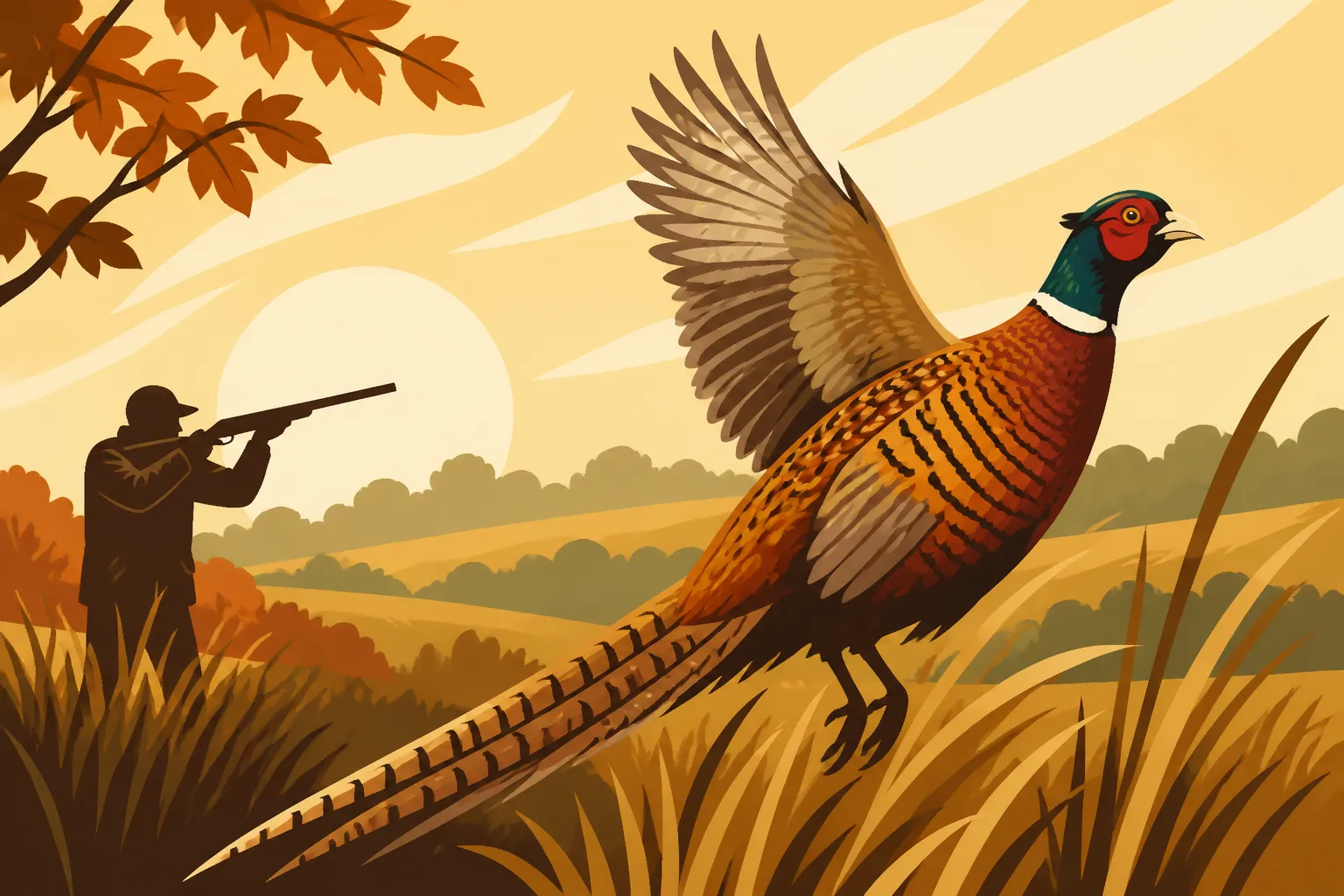
Pheasant hunting in Northwest Ohio, particularly on the state's wildlife areas, offers a unique and often challenging experience for upland enthusiasts. While it might not be the sprawling wild pheasant Mecca of yesteryear, dedicated management and stocking efforts ensure that opportunities exist for those willing to put in the effort. Focusing on well-managed areas like Killdeer Plains and Big Island, understanding the specific habitat pheasants favor, and employing smart hunting strategies – whether with a dog or on foot – will greatly enhance your success. Combine this with thorough pre-hunt scouting using modern mapping tools and the right gear, and you'll be well on your way to enjoying the thrill of a ringneck pheasant flushing from dense cover against an Ohio sky.
Disclaimer
This article is for general informational purposes only and does not constitute professional advice. Laws, prices and regulations vary by location and change over time. Consult a qualified professional for guidance on your specific situation.