Lawrence County Public Hunting Ground
Trying to navigate the dense, rugged public hunting lands of Ohio's Appalachian foothills can be incredibly daunting, especially when you're targeting a specific region like Lawrence County. It's easy to feel lost before you even step foot in the woods, wondering where to go, what to expect, and if your efforts will even pay off. This guide is here to cut through that confusion, giving you a clear, detailed roadmap to understanding and successfully hunting the public grounds in Lawrence County.
Why Lawrence County Draws Hunters
Lawrence County, nestled in the southern reaches of Ohio, is a real gem for hunters who appreciate a challenge and the rugged beauty of the Appalachian foothills. Unlike the relatively flat, agricultural landscapes of northern and western Ohio, this region offers steep ridges, deep hollers, and expansive timber, providing a completely different hunting experience. It’s a place where big woods bucks can truly disappear, and wild turkeys thrive in solitude. The sheer wildness of it is what truly draws folks in, offering a sense of escape that's harder to find in more developed areas of the state.
The terrain here is not for the faint of heart, or for those who prefer easy walking. You'll encounter serious elevation changes that will test your conditioning, but with that challenge comes the reward of finding areas that see far less pressure. Deer and turkey here are often more wild, relying on the cover of the dense oak and hickory forests, mixed with pine plantations, to evade predators and hunters alike. It's a true big-woods experience, reminiscent of hunting in the mountains, right here in Ohio. Plus, the deep valleys often hold small creeks and seepages, crucial water sources that concentrate game, especially during dry spells.
Furthermore, Lawrence County is part of the larger Wayne National Forest complex, which immediately makes it a destination for hunters seeking substantial public acreage. This isn't just a small patch of woods; it's an extensive network of managed timberland that provides significant habitat. For many, the appeal isn't just about bagging an animal, but about the immersive experience of spending days truly scouting and hunting a vast, wild landscape. It’s where you can truly implement strategies like Still-Hunting Shawnee State Forest Ridges or focus on Treestand Setups in Appalachian Ohio Hardwoods to try and intercept a mature buck.
The Appalachian Challenge and Reward
Hunting Lawrence County demands a different approach than hunting farmland. You won't find many easily accessible field edges or food plots here. Instead, you'll be navigating mature timber, dense undergrowth, and rocky outcrops. This means your scouting efforts need to be top-notch. Focusing on subtle terrain features like benches, saddles, and natural funnels becomes paramount. These are the highways and stopovers for deer moving through the vast woods.
The reward for this hard work, however, can be immense. While deer densities might not be as high as in some cornfield counties, the potential for encountering an older, wiser buck is very real. These deer have survived multiple hunting seasons by mastering the art of using the topography and thick cover to their advantage. Turkeys, too, can be found in good numbers, often roosting high on the ridges and feeding in the more open, mature timber areas or even old logging roads. The quieter hunting conditions mean less competition, which for many, is worth every steep climb.
Identifying Key Public Hunting Areas
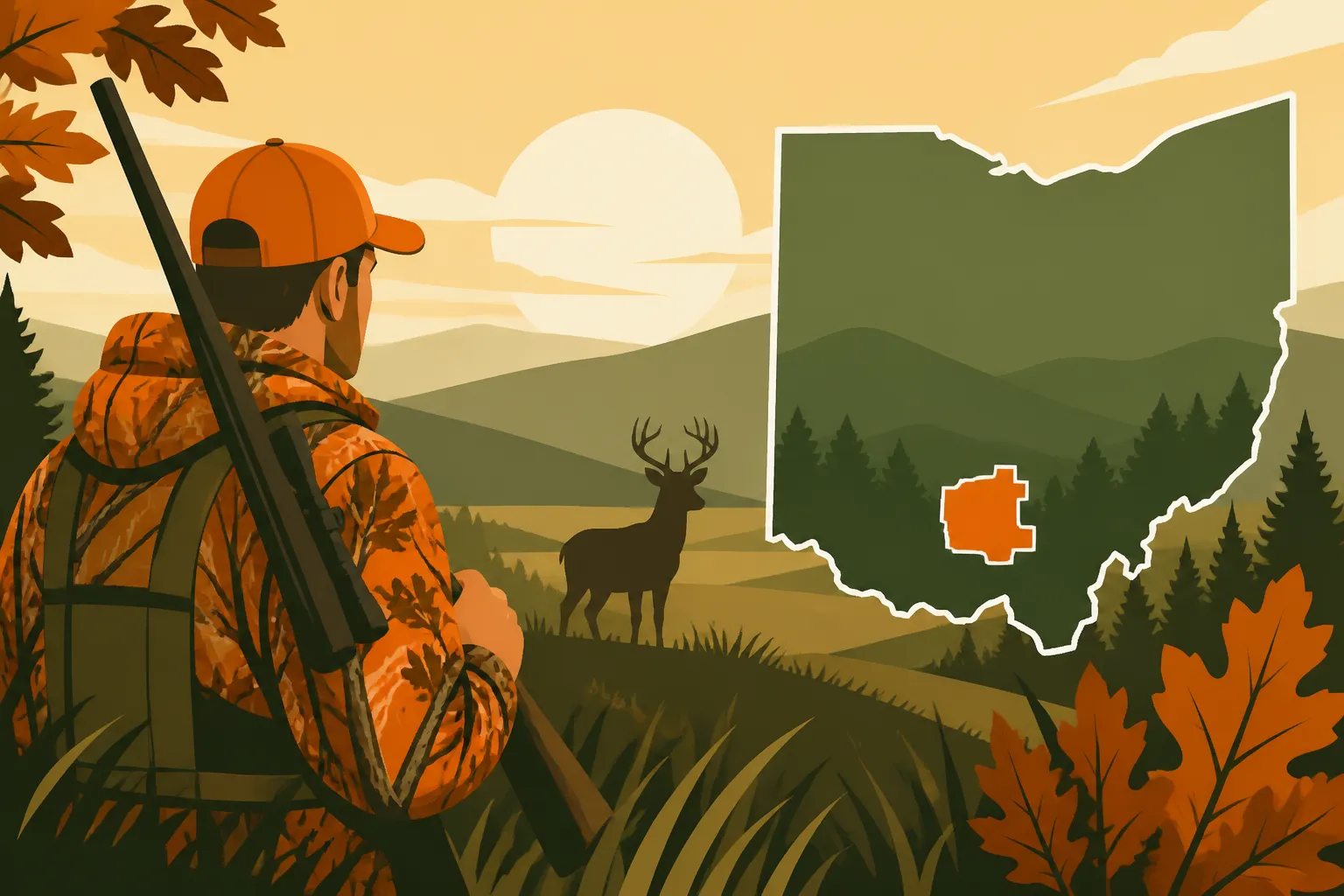
Lawrence County is primarily defined by the presence of the Wayne National Forest, which offers the bulk of the public hunting opportunities. Specifically, the Ironton Unit of the Wayne National Forest stretches across Lawrence and parts of Scioto and Jackson counties, providing tens of thousands of acres of contiguous public land. Understanding how to access and navigate this vast area is crucial for any hunter looking to succeed here. Other smaller state forests or wildlife areas might exist, but Wayne National Forest is the undisputed heavyweight.
The Ironton Unit is characterized by its rolling hills and diverse forest types, ranging from oak-hickory stands to pine plantations that were established decades ago. These varied habitats provide excellent cover and food sources for deer, turkeys, and even small game like squirrels and rabbits. Knowing where these different timber types meet, or where old clear-cuts are regenerating, can be key to finding active game. I’d recommend checking out specific access points and potential entry routes before you even leave home. This is where tools like onX Hunt truly shine, letting you drop pins and mark out your plan.
Beyond Wayne National Forest, always keep an eye out for smaller, less-known public parcels. The Ohio Division of Wildlife occasionally manages smaller tracts that might be overlooked by many hunters. These can be golden opportunities for those willing to do a bit of extra research. Often, these areas might be old farm properties or reclaimed mining lands that have been set aside for wildlife, and they might offer unique habitat features not found in the larger forest blocks. Always cross-reference with the official Ohio DNR mapping tools to ensure you're on legal hunting ground.
Wayne National Forest Ironton Unit
The Ironton Unit of Wayne National Forest is the heart of public hunting in Lawrence County. It’s not just one big block; it’s a mosaic of federal land interwoven with private parcels. This intermingling of ownership requires diligent map reading. You need to know precisely where you are at all times, especially when blood trailing a deer. This unit can be broken down into various smaller, more manageable areas, each with its own characteristics. For example, some areas might have more mature hardwoods, ideal for acorn-feeding deer, while others might feature younger, thicker growth that offers bedding cover.
Access to the Ironton Unit often involves navigating a network of forest roads, some paved, some gravel, and many gated. It’s imperative to respect these gates and only drive on designated open roads. Parking can sometimes be limited to small pull-offs. From these access points, prepare for a walk, often uphill, into your chosen hunting spot. This natural barrier discourages many, which is exactly why it appeals to those of us willing to put in the effort. For a deeper dive, check out Ironton Unit Wayne National Forest Access for specific tips on getting into these areas.
Leveraging Mapping Tools for Success
In a county like Lawrence, with its extensive and often fragmented public lands, using modern mapping technology isn't just helpful – it's practically essential. Services like onX Hunt and GoHunt allow you to overlay private and public land boundaries directly onto your phone or GPS device. This is invaluable for avoiding trespass, locating access points, and identifying key terrain features like ridges, drainages, and even old logging roads that might not be visible on a basic map.
Here’s how these tools can transform your Lawrence County hunting experience:
| Feature | Benefit for Lawrence County Hunting | Example Use Case |
|---|---|---|
| Public/Private Land Overlays | Clearly defines boundaries, prevents accidental trespass. | Knowing exactly where Wayne National Forest ends and private timber begins while still-hunting a ridge. |
| Topographic Maps | Reveals subtle elevation changes, saddles, benches, and funnels. | Identifying a flat bench on a steep ridge where deer might browse and bed. |
| Satellite Imagery | Shows current timber types, clear-cuts, and open areas. | Spotting a recent timber harvest that's grown into thick bedding cover, or mature oak stands for acorns. |
| GPS Tracking | Records your route, helps you find your way back, marks sign. | Tracking your hike deep into a holler and marking fresh rubs and scrapes. |
| Offline Maps | Critical for areas with no cell service (common in deep hollers). | Pre-downloading maps for the entire Ironton Unit before heading out. |
These mapping applications become your best friend when Scouting Ohio Public Land Before Season or trying to figure out the Wind and Thermals on an Appalachian Ridge. They can literally guide you to success and keep you out of trouble, allowing you to focus on the hunt itself rather than worrying about boundaries.
Navigating the Terrain and Regulations
The terrain in Lawrence County is undeniably rugged. Expect steep ascents and descents, especially if you're venturing off the established forest roads. The forest floor can be littered with leaves, branches, and rocks, making for noisy walking if you're not careful. This challenging landscape also means that dragging a deer out can be an epic undertaking. Planning your extraction route before you even start hunting is not just smart; it's a necessity. Consider taking a deer cart if the terrain allows, or mentally preparing for the intense physical labor of a drag. Knowing how to deal with Dragging a Deer Off a Steep Ridge is key here.
Another aspect of navigating this terrain is understanding how weather impacts it. Rain can turn dirt roads into muddy quagmires and make steep slopes treacherous. Snow can mask trails and make footing uncertain, but it also offers excellent opportunities for Reading Ohio Snow for Fresh Deer Movement. Always dress in layers, carry plenty of water, and be prepared for rapidly changing conditions. A minor slip on a leaf-covered slope can quickly become a serious injury if you're not cautious and well-equipped.
Beyond the physical challenges, it's critical to be fully aware of Ohio’s hunting regulations, which apply across all public lands. This includes specific legal hunting hours, blaze orange requirements during gun seasons, and rules regarding tree stand placement and removal. On Wayne National Forest, for example, permanent tree stands are generally prohibited, and even portable stands usually need to be removed within a specific timeframe after the season closes. Ignorance of the rules is never an excuse, and game wardens patrol these remote areas just as diligently as any other.
Respecting Public Land Rules
When you're hunting on public land, especially in a large area like Wayne National Forest, you're sharing the resource with many others – fellow hunters, hikers, birdwatchers, and sometimes even off-road vehicle users. It's essential to practice respectful hunter etiquette. This means leaving no trace, packing out all your trash, and being mindful of other users. If you encounter another hunter, a friendly wave and a wide berth are always appreciated.
Specific rules regarding vehicle access are especially important. Many forest roads are seasonal or gated. Driving beyond a gate that is clearly marked closed can result in heavy fines and damage to forest property. Always check with the Wayne National Forest office or the Ohio DNR website for current access information before heading out. Using a ground blind on Ohio Public Land is generally allowed, but be mindful of placement and ensure it's removed according to regulations. Remember, these lands are a privilege, not a right, and their continued availability depends on all of us treating them with care.
Safety First in Remote Settings
Hunting in Lawrence County often means being miles from the nearest paved road, and even further from help if something goes wrong. Carrying a well-stocked first-aid kit, knowing basic wilderness first aid, and having a reliable communication method (even if it's just a fully charged phone for emergencies) are non-negotiable. It’s always a good idea to let someone know exactly where you’re going and when you expect to return.
Beyond personal safety, firearm safety is paramount. Always be aware of your target and what lies beyond it, especially in hilly, timbered country where visibility can be limited. While deer drives are a common tactic in Ohio, especially on public land, proper communication and a clear understanding of shooting lanes are absolutely essential to prevent accidents. For those considering it, Deer Drives With Three or Four Hunters requires careful planning and execution.
Game Species and What to Expect
Lawrence County offers excellent opportunities for deer and turkey hunting, and respectable chances for small game. White-tailed deer are the primary draw, with a healthy population that benefits from the diverse habitat of the national forest. While you might not see the sheer numbers of deer you'd find in corn-heavy counties, the bucks here often have to work harder, travel more, and rely on their wilderness instincts, potentially growing older and wiser.
Wild turkeys are also plentiful in the forested hills. The mature hardwoods provide ample roosting sites, and the mixture of regenerating clearings and mast crops offers ideal feeding grounds. Spring turkey hunting can be exhilarating, with gobblers echoing across the valleys. Fall turkey hunting is also an option, though it requires different tactics than spring, often involving breaking up a flock and calling birds back in. Don't overlook these fantastic game birds.
Small game like squirrels and rabbits also thrive in Lawrence County. The abundant oak and hickory trees ensure a reliable food source for squirrels, making for lively early season hunts. Rabbits can be found in brushy clearings, along fencerows (where private land meets public), and in regenerating forest areas. While perhaps not the main focus for many hunters, they provide excellent opportunities to extend your time in the woods and fill the freezer.
Pursuing Whitetails in the Big Woods
Hunting deer in Lawrence County is a deeply immersive experience. Forget about sitting over a standing soybean field. Here, it’s about understanding deer movement through complex topography. Look for subtle signs: old rub lines on ridge points, scrape lines along logging roads, or deer trails winding through saddles. These are the clues that tell you where deer are traveling and what their routines might be. Don't be afraid to Find Sign in Big Appalachian Timber and then set up a stand or plan a still-hunt based on what you find.
During the rut, bucks will often cruise ridge tops and saddles looking for does. Hunting a funnels between two woodlots or a ridge-top saddle can be incredibly effective during this time. The early archery season can be great for catching deer on their feeding patterns, particularly near abundant mast crops. As the season progresses and pressure mounts, deer will often retreat to the thickest cover, making still-hunting or carefully planned deer drives more effective. Always be prepared for a long track, as deer shot in these hills often take advantage of the topography to make their escape.
Turkey Tactics in the Lawrence County Hills
Spring turkey hunting in Lawrence County is classic Appalachian turkey hunting. Gobblers will typically roost high on the ridges and pitch down into hollers or more open areas to feed in the mornings. Your challenge will be getting close enough before they fly down, often requiring an early start and navigating steep slopes in the dark. Locator calls like owl hoots or crow calls can help pinpoint roosted birds before dawn.
Once a bird is located, it’s a game of chess. Setting up in a position that forces the gobbler to come to you, without having to cross a deep ravine or expose himself to danger, is key. Decoys can be effective, especially if you can place them where they’re visible from a distance but still within a safe shooting lane. For more detailed strategies, consider checking out guides on Roost Hunting Ohio Gobblers or Run-and-Gun Turkey Tactics on Public Land, as these will be highly applicable to the Lawrence County environment.
Small Game and Furbearer Opportunities
While deer and turkey are the stars, Lawrence County also provides solid small game hunting. Squirrels offer a fantastic way to introduce new hunters to the woods, with early season hunts often being quite active. Look for them in oak and hickory stands, especially early in the morning or late in the afternoon. Listening for cuttings on the forest floor, where squirrels are chewing nuts, is a sure sign of activity.
Rabbit hunting often takes place on the fringes of the national forest, near private land where brushy fields and fencerows provide ideal habitat. Running beagles can be incredibly effective here. Furthermore, furbearers like raccoons and coyotes are abundant. Night hunting for raccoons with hounds is a popular tradition, and coyote calling can be effective, particularly in winter when their coats are prime. Lawrence County truly offers a diverse range of hunting pursuits for those willing to explore its rugged beauty.
Disclaimer
This article is for general informational purposes only and does not constitute professional advice. Laws, prices and regulations vary by location and change over time. Consult a qualified professional for guidance on your specific situation.