Feral Swine Sightings in Southern Ohio
Feral swine sightings in southern Ohio counties explain habitat preferences, origins, and steps for encountering invasive wild hogs.
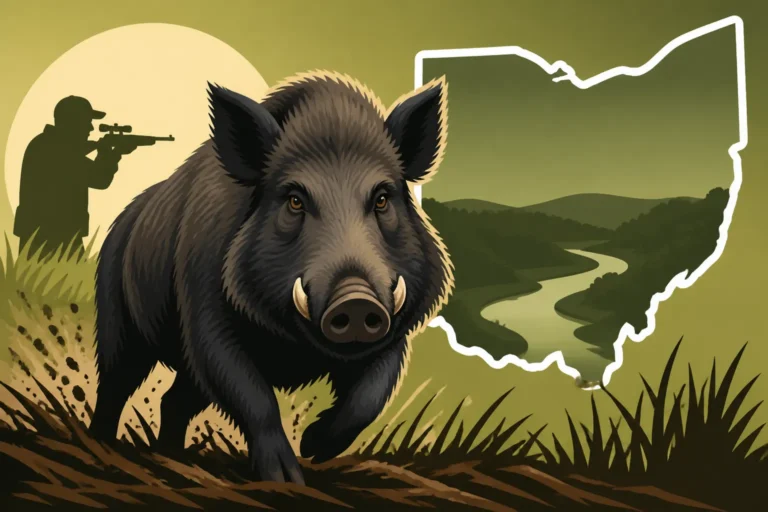
Feral swine sightings in southern Ohio counties explain habitat preferences, origins, and steps for encountering invasive wild hogs.
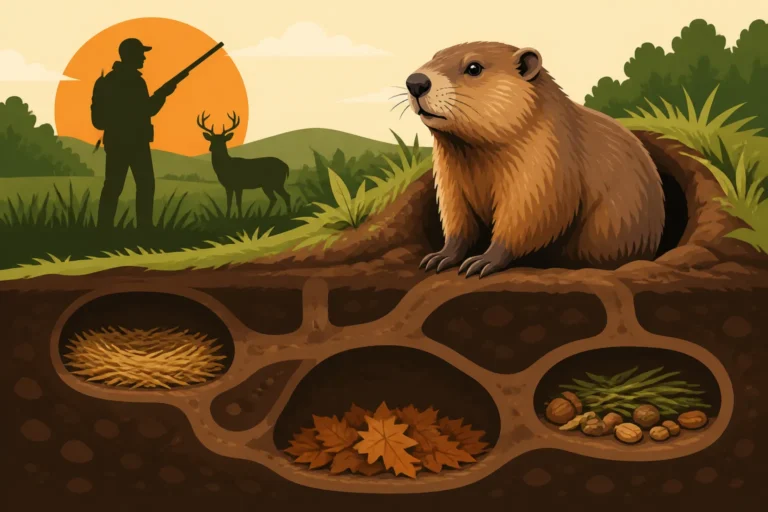
Ohio groundhog burrow anatomy details ten to twelve inch main entrances, secondary escape routes, and tunnels spanning twenty to thirty feet.
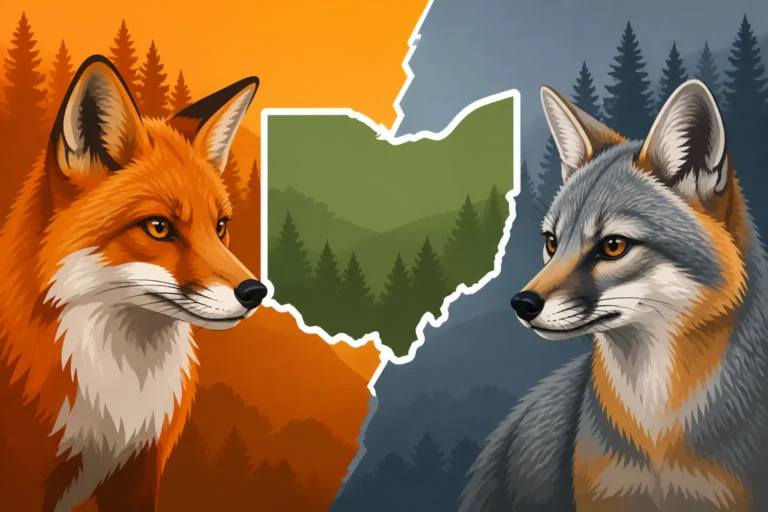
Ohio red foxes and gray foxes differ in physical traits, tail markings, tree climbing skills, and preferred habitats across the state.
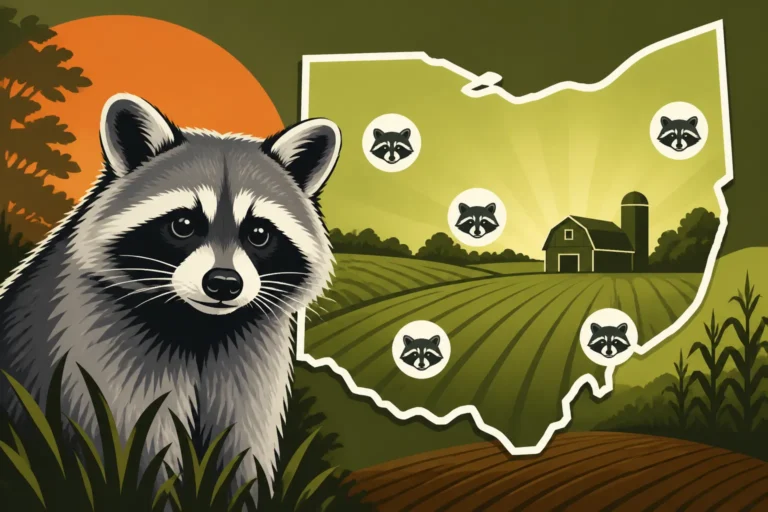
Raccoon populations near Ohio farmlands thrive due to abundant food, water, and shelter, creating ecological and agricultural challenges.
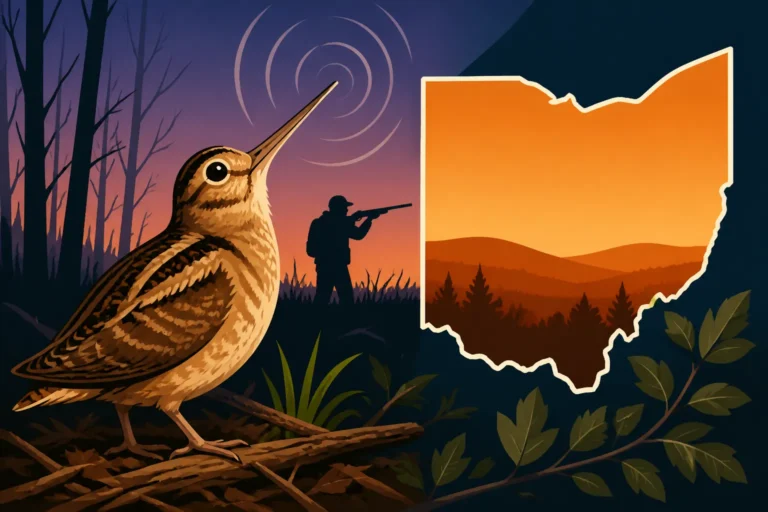
Ohio woodcock singing ground surveys use male courtship displays to help the U.S. Fish and Wildlife Service estimate migratory bird population trends.
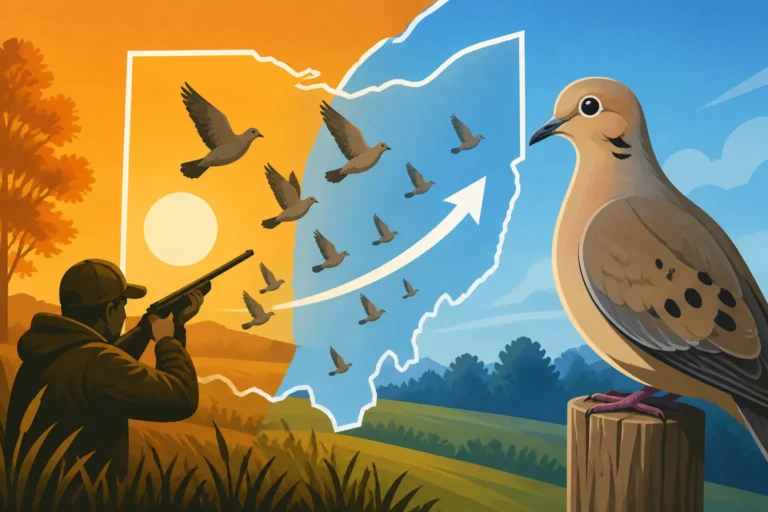
Ohio mourning dove migration timing depends on resident populations, northern migrants, weather patterns, and food availability in agricultural fields.
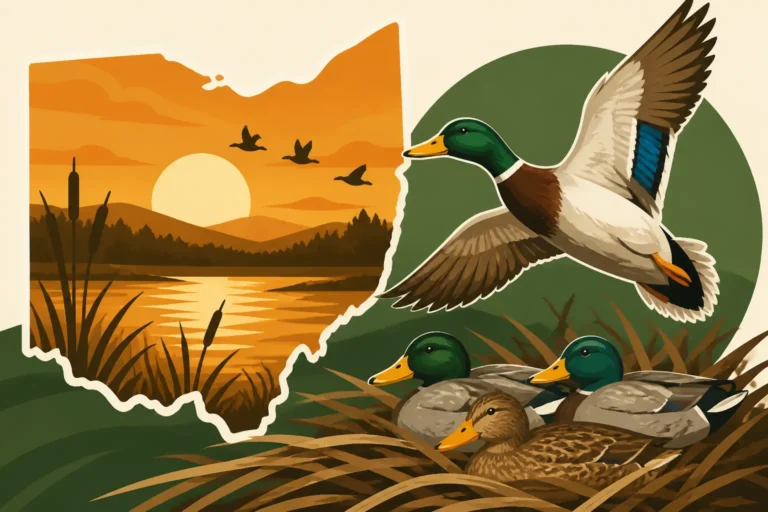
Ohio duck harvest data helps the Department of Natural Resources and wildlife biologists manage populations, set bag limits, and track migration trends.
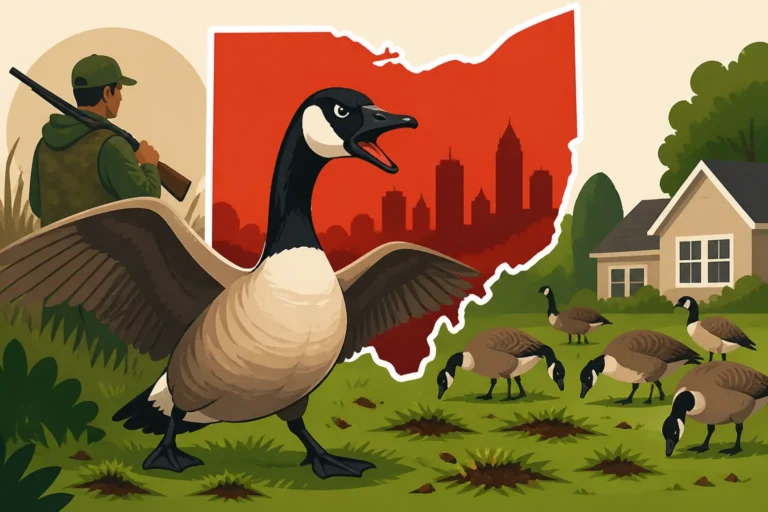
Resident goose populations in Ohio cities create property damage and aggressive encounters, requiring practical management strategies for landowners.
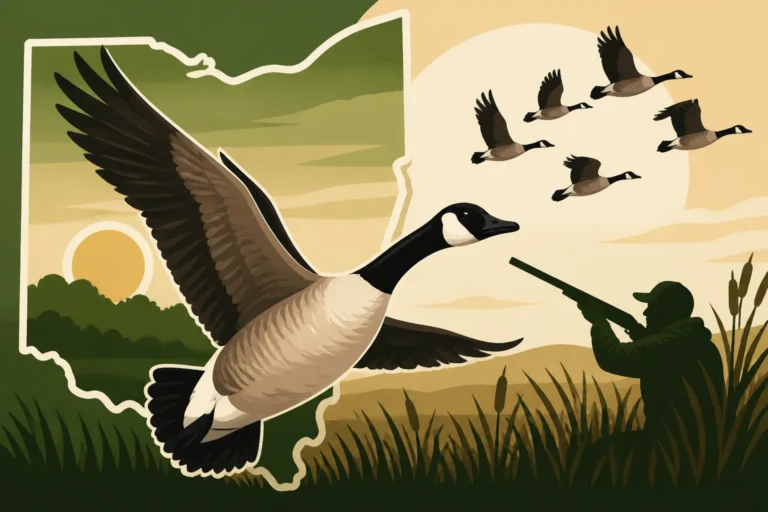
Ohio resident Canada geese populations thrive year-round due to ideal habitats, human-created environments, and historical conservation restocking programs.
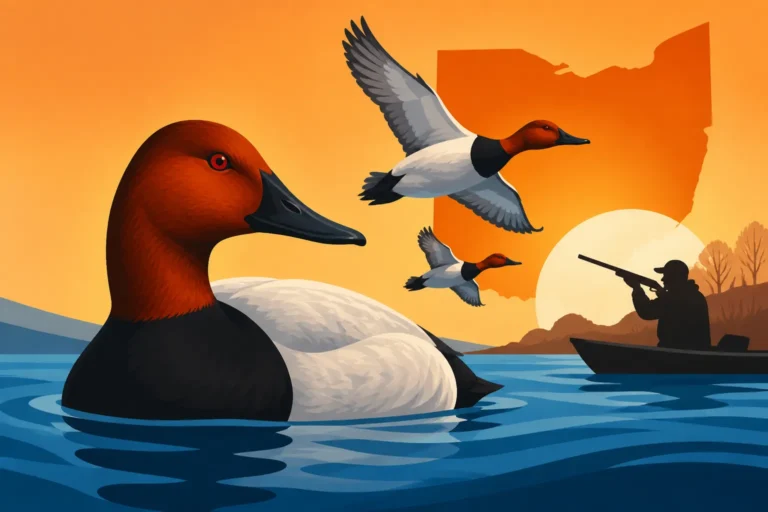
Canvasbacks on Lake Erie details identification, wild celery feeding habits, western basin hotspots, and diving duck hunting tactics.