Raccoon Density Near Ohio Farmland
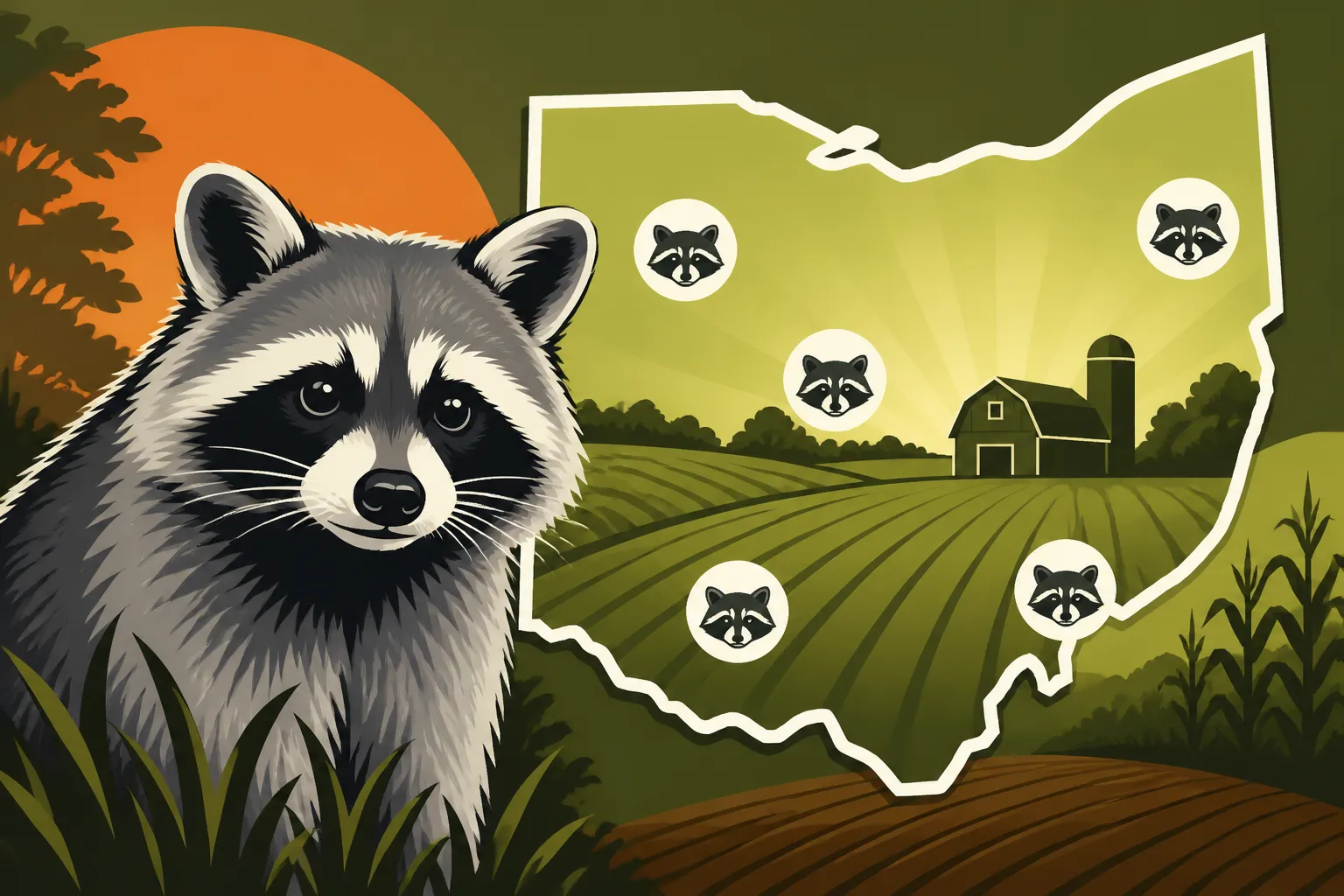
For many folks who live or hunt in Ohio's rich agricultural regions, seeing raccoons isn't unusual – it's practically a daily occurrence. But when you start noticing them everywhere, from the barn rafters to raiding your garden, you know you're dealing with more than just a passing critter. This guide is all about diving deep into why raccoon populations can get so high near Ohio farmland, what that means for both people and wildlife, and how understanding these dynamics can help in managing their numbers effectively.
Why Ohio Farmland is a Raccoon Paradise
It's no secret that Ohio's farmlands are incredibly productive, and what's good for our crops often turns out to be fantastic for opportunistic wildlife like raccoons. They are truly masters of adaptation, and our agricultural landscapes offer them a smorgasbord of resources that are hard for them to resist. It’s a perfect storm of food, water, and shelter that allows their populations to flourish, sometimes to numbers that seem almost unbelievable.
Abundant Food Sources
Think about it: rows upon rows of corn, fields of soybeans, scattered fruit trees, and countless garden plots. These aren't just food for humans or livestock; they're an all-you-can-eat buffet for raccoons. During the late summer and fall, standing cornfields provide not only easy meals but also incredible cover. Raccoons will happily strip ears of corn, leaving tell-tale husks and nibbled kernels as evidence of their nightly feasts. They're not picky, either. If there are vegetable gardens with tomatoes, melons, or berries, they'll exploit those too. Even livestock feed, pet food left out, or accessible garbage cans contribute significantly to their caloric intake, fueling higher reproduction and survival rates. It's a year-round pantry, practically limitless, which is a major factor in Raccoon Density in Ohio Farm Country.
Consistent Water and Shelter
Beyond the endless food, farmland often provides consistent access to water and ideal denning sites. Many Ohio farms are crisscrossed by ditches, small creeks, or ponds, offering reliable water sources year-round. These water bodies are also rich in amphibians, crayfish, and other small prey items that raccoons love.
For shelter, raccoons are not particular. Old barns, abandoned farmhouses, culverts under roads, hollow trees along fencerows, and dense woodlots adjacent to fields all serve as excellent places to den, raise young, and escape harsh weather or predators. These scattered patches of cover, even small ones, create a network of safe havens close to their food sources. A savvy hunter knows that these woodlot islands or dense fencerows are prime spots to check for activity. If you're using a mapping tool like GoHunt, you can easily identify these crucial habitat features alongside agricultural fields, helping you predict where raccoon density might be highest.
The Impacts of High Raccoon Populations
While raccoons are undeniably charming with their masked faces and dexterous paws, an overabundance of them can bring a host of problems for both landowners and other wildlife. It's not just about a few missing ears of corn; it can escalate into significant economic losses and ecological disruptions.
Agricultural Damage and Predation
The most direct impact for farmers is the damage to crops. Corn is a prime target, but raccoons will also raid melon patches, sweet corn, and fruit trees, often causing more damage than they actually consume. A small group of raccoons can decimate a garden in a single night. They are not just eating, they are often destructive, pulling down plants and leaving a mess.
Beyond crops, raccoons are notorious nest predators. They have a keen sense of smell and will actively seek out nests of ground-nesting birds, including wild turkeys and pheasants, as well as those of rabbits and even ducks. A high raccoon density can put immense pressure on these game bird and small game populations, directly impacting hunting opportunities. It’s a frustrating cycle where an unchecked raccoon population can lead to fewer Wild Turkeys in Ohio and Ohio's Squirrel and Rabbit Populations for hunters.
Disease Concerns and Nuisance Issues
With high density comes increased risk of disease transmission. Raccoons are known carriers of several diseases that can affect pets, livestock, and even humans, including rabies and distemper. While rabies is often the most feared, canine distemper can wipe out local raccoon populations and spread to unvaccinated domestic dogs. Parasites like raccoon roundworm are also a concern, as their eggs can persist in the environment and pose a risk.
On a more day-to-day level, raccoons are significant nuisance animals. They raid trash cans, get into pet food, cause structural damage to homes and outbuildings when seeking den sites, and can be quite aggressive if cornered. Dealing with these constant intrusions can be a major headache for rural homeowners, making proper management of local populations a priority.
Strategies for Managing Raccoon Density Around Ohio Farmland
For landowners and hunters alike, managing raccoon populations is an ongoing effort that often requires a multi-pronged approach. Simply ignoring the problem usually leads to it getting worse. The goal isn't necessarily eradication, but rather to bring populations to a more sustainable level where negative impacts are minimized.
Hunting and Trapping as Management Tools
Hunting and trapping are two of the most effective methods for controlling raccoon numbers. Ohio offers a generous Ohio Trapping and Furbearer Seasons which allows hunters and trappers to pursue raccoons for a significant portion of the year. Night hunting with dogs, often called coon hunting, is a popular and traditional method, especially for those who enjoy the thrill of the chase. Raccoon Hunting at Night in Ohio can be incredibly effective, and it’s a great way to put some delicious meat on the table while contributing to wildlife management.
Trapping, particularly with cage traps or foot-hold traps, can be highly selective and efficient, especially around specific problem areas like chicken coops or gardens. Many farmers welcome responsible trappers who can help alleviate pressure on their crops and property. Before setting any traps or heading out, always ensure you're familiar with the current Ohio Trapping License Requirements and local regulations. Tools like GoHunt can also help identify public land areas with appropriate access if you're looking to expand your trapping or hunting grounds beyond private permission.
Exclusion and Habitat Modification
Sometimes the best offense is a good defense. Exclusion methods focus on preventing raccoons from accessing sensitive areas. This can include securing trash cans with locking lids, bringing pet food indoors at night, and ensuring chimneys and attics are sealed off. Electric fencing can be very effective around gardens or chicken coops, especially if the wires are placed low to the ground and spaced appropriately.
Habitat modification involves making the area less attractive to raccoons. This might mean removing brush piles, sealing off old culverts that serve as dens, or cleaning up abandoned structures. While you can't get rid of every tree cavity in a woodlot, reducing the most obvious and accessible denning sites close to human habitation can help push raccoons further into less problematic areas.
Understanding Local Variations in Raccoon Density
It's important to remember that "raccoon density near Ohio farmland" isn't a monolithic concept. What you experience in the flat, expansive cornfields of northwest Ohio might be very different from the situation in the more broken, timbered farmlands of eastern Ohio. Density fluctuates based on a myriad of local environmental factors, and understanding these can make your management efforts far more targeted and successful.
Geographic and Habitat Differences
In regions like Northwest Ohio, where agriculture dominates the landscape, raccoons often concentrate in the smaller woodlots, fencerows, and riparian corridors that break up the vast fields. These linear features provide essential travel routes and denning opportunities amidst an ocean of food. Their density here can be incredibly high due to the sheer abundance of reliable calories. A hunter studying aerial photos on their GoHunt app might see small islands of trees in a sea of corn, knowing those are hot spots.
Conversely, in areas of Southeast Ohio, where farmland is interspersed with more significant tracts of timber and rugged terrain, raccoons have more natural habitat options. While still present and often numerous near agricultural fields, their populations might be a bit more dispersed across the broader landscape, potentially leading to slightly lower densities right at the field edge compared to a completely open agricultural region. This doesn't mean they're absent; it just means their distribution is different. Hunting Northwest Ohio Farmland Deer often involves understanding these same habitat principles, and raccoons benefit from them too.
Influence of Water and Human Activity
Proximity to reliable water sources, as mentioned earlier, is a huge draw for raccoons. Farmlands that have numerous creeks, drainage ditches, or small ponds will invariably support higher raccoon populations than drier areas. These aquatic environments are not just for drinking; they provide a consistent supply of food like frogs, crawfish, and turtle eggs.
Human activity also plays a massive role. Farms with accessible garbage, outdoor pet food, or less secure outbuildings essentially act as supplemental feeding stations, artificially boosting raccoon numbers. The more "easy" food sources available, the higher the carrying capacity of that particular piece of land, leading to increased density. This is why a simple change like securing trash can lids can sometimes have a surprisingly noticeable local impact. Checking for these signs of human-subsidized food sources is a key part of Scouting Ohio Public Land Before Season for any game, including furbearers.
| Habitat Feature | Expected Raccoon Density | Raccoon Behavior & Impact |
|---|---|---|
| Dense Woodlots/Riparian Zones | Very High | Primary denning, travel corridors, foraging for varied foods. |
| Standing Corn/Soybean Fields | High (seasonal) | Abundant food, temporary cover; active crop depredation. |
| Fencerows & Brushy Ditches | High | Travel routes, secondary den sites, foraging for small prey/scraps. |
| Barns & Outbuildings | Variable (often high) | Secure den sites, potential for stored grain/pet food access. |
| Residential/Farmsteads | High | Access to trash, pet food, gardens; increased nuisance issues. |
| Open Pasture/Hay Fields | Low | Limited cover, less direct food source, primarily travel through. |
Ultimately, whether you're a farmer protecting your livelihood or a hunter looking to contribute to balanced ecosystems, understanding the factors that lead to high raccoon density near Ohio farmland is the first step toward effective and sustainable management. It's about working with, and sometimes against, nature's opportunists to maintain a healthy balance.
Disclaimer
This article is for general informational purposes only and does not constitute professional advice. Laws, prices and regulations vary by location and change over time. Consult a qualified professional for guidance on your specific situation.