Ohio Woodcock Singing Ground Surveys
Anyone who has ever walked through a damp, brushy woodland in early spring, hoping to catch a glimpse of the elusive American woodcock, knows the quiet magic and also the frustration of trying to understand their numbers. These quirky, long-billed shorebirds are a true sign of spring's arrival for many of us, but figuring out how many are around and how they're doing can feel like a mystery. This guide is going to pull back the curtain on one of the most vital tools wildlife managers use to keep tabs on Ohio's woodcock: the singing ground survey.
The Secret World of Woodcock: Understanding Their Unique Habits
Before we dive into the surveys themselves, it’s worth taking a moment to appreciate what makes the American woodcock such a fascinating and, frankly, peculiar bird. They’re often called "timberdoodles" or "bogsuckers" for good reason, preferring dense, damp thickets, young forests, and overgrown fields where they can probe soft earth with their long, flexible bills for earthworms, their primary food source. Their camouflage is incredible, making them almost impossible to spot unless they flush directly underfoot. This solitary nature, combined with their preference for dense cover, means actually counting them is an incredibly challenging task.
Why Woodcock are So Hard to Pin Down
Unlike a big flock of geese that you can count flying over a field, woodcock are masters of concealment. They spend their days hidden away, moving silently through the underbrush. You won't see them perched on power lines or congregating in open fields like other birds. Their cryptic plumage blends seamlessly with dead leaves and shadows, making visual counts practically impossible. This makes traditional bird survey methods, like transect counts or point counts where you spot and identify birds, largely ineffective for these ground-dwelling specialists. It's a real head-scratcher for wildlife biologists who need reliable data to manage populations and set hunting seasons, especially when you consider how important they are as a migratory game bird.
The Springtime Spectacle: The Singing Ground Display
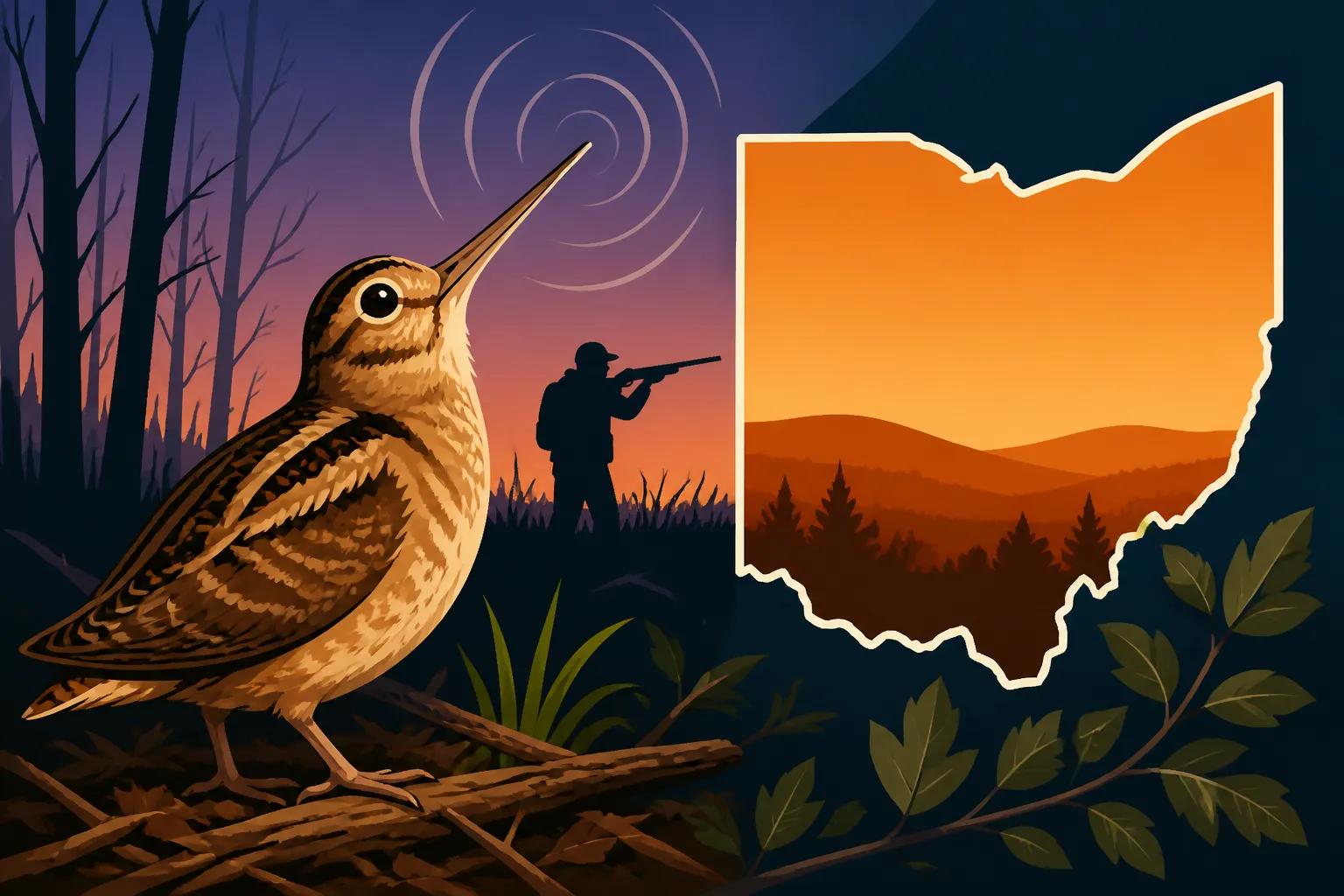
However, there's one glorious time of year when woodcock make themselves known, and it's this unique behavior that forms the bedrock of their population monitoring. In early spring, as soon as the frost leaves the ground and the days start to lengthen, male woodcock embark on an elaborate courtship display. They choose open patches of ground within their preferred cover, known as "singing grounds," and perform a mesmerizing aerial ballet. This display begins with a nasal, peenting call from the ground, followed by a dramatic spiral flight upwards, accompanied by a distinctive twittering sound from their wings. They ascend hundreds of feet, then tumble back down in a zig-zagging pattern, landing precisely back on their singing ground, only to start the whole process again. It’s an incredible sight, especially in the low light of dawn or dusk, and it's this predictable, vocal display that gives researchers their window into woodcock numbers. It’s an ephemeral performance, lasting only a few weeks, which adds to its mystique and importance for surveys.
What Exactly Are Woodcock Singing Ground Surveys?
Woodcock singing ground surveys are a critical component of migratory bird management, not just in Ohio, but across their entire breeding range. They are standardized surveys designed to estimate the relative abundance and population trends of American woodcock. This isn't about counting every single woodcock in Ohio; it's about getting a consistent sample each year that allows biologists to track changes over time. Think of it less like a census and more like a barometer, showing if the population pressure is rising or falling.
A National Effort Coordinated by the US Fish and Wildlife Service
These surveys aren't unique to Ohio. They are part of a much larger, continent-wide effort coordinated by the U.S. Fish and Wildlife Service, specifically their Migratory Bird Program. Every state within the woodcock's breeding range participates, following a strict protocol to ensure data consistency. This standardized approach is crucial because woodcock are migratory; the birds we see in Ohio during spring might have wintered in Louisiana or Georgia. By having a coordinated effort, biologists can paint a more accurate picture of the overall health of the species across its range. It allows for a holistic view that no single state could achieve on its own. For anyone interested in the broader picture of migratory bird populations, including specifics like Ohio woodcock migration timing, these continent-wide surveys are indispensable.
The Nuts and Bolts: Survey Routes and Listening Stops
The surveys themselves are conducted along predetermined, permanent routes. Each route is typically about 3.6 miles long and consists of 10 listening stops, spaced about 0.4 miles apart. These routes are carefully selected to pass through suitable woodcock habitat, ensuring that the surveyors are listening in areas where woodcock are likely to be found. The routes remain the same year after year, which is absolutely vital for tracking trends. Imagine if the routes changed every year; you wouldn't know if a change in bird count was due to a real population shift or just because you were surveying a different area. Volunteers, often dedicated birders, hunters, or wildlife enthusiasts, along with wildlife agency staff, drive or walk these routes just after sunset, stopping at each designated point to listen for the distinctive "peent" of a male woodcock on its singing ground. This commitment from individuals is what makes these surveys possible, year after year.
Why Ohio's Woodcock Singing Ground Surveys Matter So Much
For a state like Ohio, which sits right in the middle of the woodcock's migratory path and offers both breeding and stopover habitat, these surveys are incredibly important. They provide the foundational data that helps the Ohio Department of Natural Resources (ODNR) make informed decisions about conservation and hunting regulations. Without this data, managing the species would be largely guesswork, which is something no responsible wildlife agency wants to do.
Informing Conservation and Habitat Management
The results of the singing ground surveys directly influence where the ODNR focuses its habitat management efforts. If surveys show a decline in certain regions, it might indicate a need for specific habitat restoration projects—perhaps thinning mature forests to promote young growth, creating more brushy cover, or managing wetlands. Woodcock thrive in early successional habitats, meaning young forests, shrublands, and old fields that are often created by disturbances like timber harvests or prescribed burns. As Ohio's landscape matures, good woodcock habitat can diminish, so understanding population trends helps identify critical areas for intervention. These efforts benefit not just woodcock, but a host of other species that rely on similar habitats, like rabbits and Ohio's Declining Ruffed Grouse Range.
The data from these surveys also helps inform broader conservation strategies. Ohio is not just a hunting state, it's a state that values its biodiversity. Knowing the health of a species like the woodcock helps understand the overall health of certain ecosystems. Organizations like GoHunt might use this public data to inform their users about prime woodcock habitat or areas where conservation efforts are underway, making hunters more aware of the broader ecological picture.
Setting Sustainable Hunting Seasons and Bag Limits
Woodcock are a federally regulated migratory game bird, which means that hunting seasons and bag limits are set in cooperation with the U.S. Fish and Wildlife Service. The data collected from the singing ground surveys, combined with harvest data, is crucial for setting these regulations sustainably. If the surveys indicate a healthy, stable population, current hunting opportunities can likely be maintained. However, if there's a significant decline, it might trigger discussions about reducing bag limits, shortening seasons, or even implementing temporary closures to help the population rebound.
This scientific approach ensures that hunting remains a sustainable activity, preventing overharvest and contributing to the long-term health of the species. It’s a balance, and hunters often voice concerns about population fluctuations, so having solid data helps everyone understand the rationale behind regulations. Hunters play a vital role in funding these conservation efforts through license and tag purchases, including Ohio Hunting Licenses and What They Cost, so their investment directly supports these scientific surveys.
Identifying Regional Differences and Environmental Impacts
Ohio is a diverse state, from the farmlands of the northwest to the Appalachian foothills of the southeast. Woodcock populations can vary significantly across these regions due to differences in habitat availability, land use practices, and even climate patterns. The singing ground surveys help pinpoint these regional variations. For example, if birds are declining in one part of the state but remaining stable in another, it prompts further investigation into local factors.
This granular data can help identify potential environmental impacts, such as habitat loss due to development, changes in agricultural practices, or even localized impacts from disease. It's a key indicator of ecosystem health, much like how stream quality surveys indicate aquatic health. Understanding these nuances helps the ODNR develop targeted management plans rather than a one-size-fits-all approach that might not be effective across the entire state. Analyzing this data might even give us clues about broader changes in Ohio Wildlife Disease Monitoring.
How Singing Ground Surveys are Conducted in Ohio
The actual process of conducting woodcock singing ground surveys in Ohio is a precise operation, relying on dedicated individuals and strict adherence to protocol. It’s a commitment, often requiring volunteers to be out in the field during twilight hours in sometimes less-than-ideal spring weather, but the data gathered is invaluable.
The Timing and Conditions: When and Where to Listen
The surveys are typically conducted from late April through mid-May, aligning with the peak of the woodcock’s spring courtship display. This window is critical because it ensures the highest probability of hearing active males. Weather conditions are also paramount. Surveys are only conducted on clear, calm nights when wind speeds are low and there's no precipitation. Rain or strong winds can significantly reduce the ability to hear the birds, skewing the results.
Surveyors usually begin their routes 20-25 minutes after sunset, driving or walking to each listening stop. At each stop, they typically listen for a set period, often two minutes, recording every "peent" they hear and the direction from which it came. This meticulous data collection, repeated across hundreds of routes, creates a robust dataset. It's truly a labor of love for those involved, bundling up in spring evenings to listen to the sounds of nature.
The Role of Volunteers and ODNR Staff
The vast majority of woodcock singing ground surveys in Ohio are conducted by volunteers. These are individuals with a passion for wildlife, often avid bird watchers, hunters, or conservationists, who dedicate their time to contributing to this important scientific effort. The ODNR provides training and equips these volunteers with the necessary maps, data sheets, and guidelines to ensure consistency.
ODNR wildlife biologists and technicians also participate, overseeing the program, managing the data, and conducting some of the more remote or critical survey routes. This partnership between citizen scientists and professional wildlife managers is a hallmark of successful conservation programs. Without the dedication of these volunteers, the sheer scale of the surveys across the state would be impossible to achieve. If you're looking for ways to engage with conservation, platforms like GoHunt might highlight opportunities to volunteer for these kinds of surveys or other wildlife management programs. It's a fantastic way to give back and learn more about Ohio's wildlife.
Data Collection and Submission
At each stop, surveyors record the number of individual "peenting" woodcock heard. They don't just count the calls; they try to differentiate individual birds. If a surveyor hears three peents from three different directions, that's recorded as three birds. If they hear continuous peenting from one spot, it's counted as one bird. This requires a keen ear and careful attention.
Once a route is completed, the data sheets are submitted to the ODNR, which then compiles all the statewide data. This Ohio data is then forwarded to the U.S. Fish and Wildlife Service, where it's integrated with data from all other participating states and provinces. This creates the comprehensive picture of the woodcock population across its entire range, influencing not only Ohio’s approach to Ohio Small Game and Upland Bird Seasons but also regional and national conservation strategies.
What Ohio Woodcock Survey Results Tell Us
The long-term data from woodcock singing ground surveys provides invaluable insights into the health and trends of Ohio's woodcock population. It’s not just about a single year’s count; it’s about looking at patterns over decades. These trends help us understand the bigger picture of what's happening to these unique migratory birds.
Long-Term Population Trends in Ohio
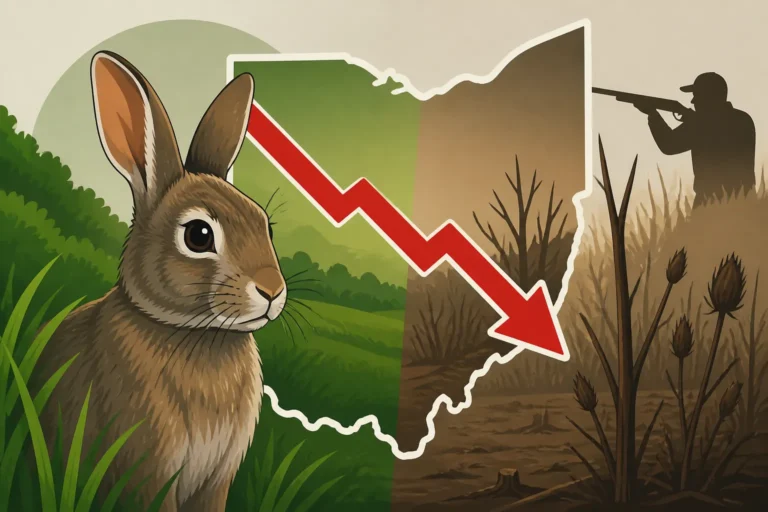
Generally speaking, singing ground survey data has indicated a long-term decline in American woodcock populations across much of their range, and Ohio is not immune to this trend. While there can be year-to-year fluctuations, the overall trajectory has been a slow but steady decrease in the number of peenting males heard on survey routes. This isn't unique to woodcock; many other early successional species like the ruffed grouse have also experienced significant declines due to habitat loss and maturation.
This downward trend is a major concern for wildlife managers and conservationists. It highlights the urgent need for continued habitat creation and maintenance, particularly in areas where suitable young forest habitat is naturally decreasing. Understanding these trends is the first step in reversing them, allowing the ODNR and partners to prioritize management actions.
The Impact of Habitat Loss and Maturation
The primary driver behind the decline in woodcock populations is widely understood to be habitat loss and maturation. Woodcock depend heavily on young, brushy forests and shrublands. As Ohio's forests age, and as agricultural land is either developed or allowed to grow into mature timber without disturbance, the specific type of habitat woodcock need becomes scarcer. This is a common challenge for many game species in Ohio, particularly those in Rabbit and Upland Bird Hunting in Ohio.
Land management practices that promote early successional habitats, such as clear-cutting small tracts of timber, selective logging, or brush hogging old fields, are vital for woodcock. However, these practices can be controversial or difficult to implement on a broad scale, especially on private lands. The survey data underscores the importance of these management activities, reminding us that nature isn't always static and sometimes needs a helping hand to maintain diverse habitats.
Here’s a simplified look at potential trends and their implications:
| Trend Observed (Ohio Singing Ground Surveys) | Potential Implication | Management Response |
|---|---|---|
| Consistent Decline | Significant habitat loss or environmental stress | Increased focus on habitat restoration, potential season adjustments |
| Stable with Fluctuations | Healthy population, but sensitive to yearly conditions | Continue current management, monitor key habitats |
| Minor Increase | Successful habitat initiatives, favorable conditions | Expand successful habitat programs, maintain monitoring |
| Regional Differences | Localized issues (e.g., specific land use changes) | Targeted, localized habitat management plans |
The Importance of Public and Private Land Management
The singing ground survey data ultimately reinforces the critical role that both public and private land managers play. On public lands, such as state forests and wildlife areas, the ODNR can directly implement timber harvests, prescribed burns, and other management techniques to create and maintain woodcock habitat. Knowing where populations are struggling helps direct these efforts most effectively.
On private lands, which make up the vast majority of Ohio’s landscape, encouraging landowners to adopt habitat-friendly practices is crucial. This might involve outreach programs, technical assistance, or even financial incentives. While it can be a slow process, every acre of suitable habitat created on private land contributes to the overall health of the woodcock population. Tools like GoHunt or other land management apps can help private landowners visualize their property and identify areas for potential habitat improvements for game species.
These surveys might not give us the exact number of woodcock, but they give us the most reliable pulse of their population we have. They are a testament to the dedication of biologists, volunteers, and the hunting community who understand that sound science is the bedrock of effective wildlife conservation.
Disclaimer
This article is for general informational purposes only and does not constitute professional advice. Laws, prices and regulations vary by location and change over time. Consult a qualified professional for guidance on your specific situation.