Ohio’s CWD Case Count by County
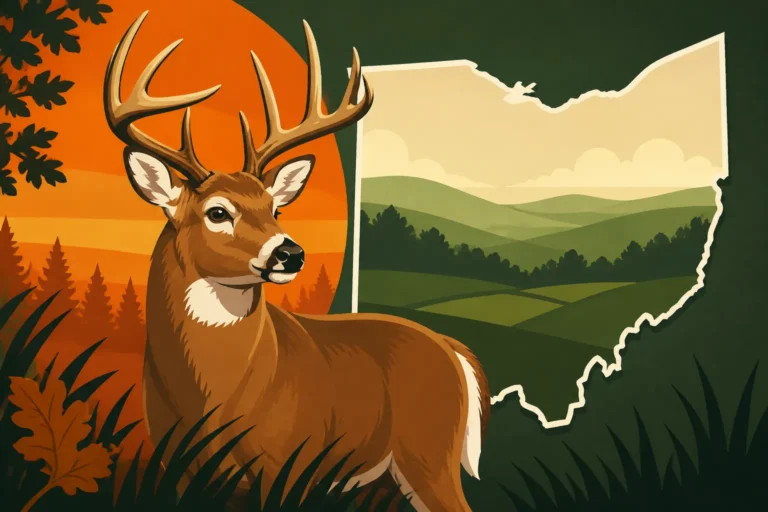
Hunting deer in Ohio brings immense joy, but there's an underlying concern that has grown significantly in recent years: Chronic Wasting Disease (CWD). Many of us worry about where it's truly popping up, if it's spreading, and what it means for our local deer herds and our hunting traditions. This guide aims to clear up some of that confusion by diving deep into the county-by-county breakdown of CWD cases reported in Ohio, helping you understand where the disease has been detected and what steps are being taken.
Understanding the Shadow of CWD in Ohio
CWD is one of those topics that can make any deer hunter's heart sink a little. It's a fatal neurological disease that affects cervids like deer, elk, and moose. Unlike bacterial or viral diseases, CWD is caused by abnormal proteins called prions, which slowly damage the brain and nervous system, eventually leading to death. There's no cure, no vaccine, and its persistence in the environment is a major challenge. When we talk about deer hunting in Ohio, we're not just thinking about big antlers or full freezers anymore; we're also contending with the very real implications of this disease on our beloved whitetails.
The first detection of CWD in Ohio sent ripples through the hunting community. It wasn't a question of if it would arrive, but when. And when it did, it immediately shifted the conversation around deer management, harvest strategies, and even how we interact with our venison. It’s frustrating, isn't it? To have this added layer of complexity and worry on top of all the usual challenges of hunting. We all want healthy deer populations, and CWD directly threatens that.
For years, Ohio prided itself on being CWD-free, even as surrounding states battled the disease. That changed, and with the initial detection came the establishment of a Disease Surveillance Area (DSA). This isn't just a line on a map; it's a zone where specific rules and regulations apply, designed to contain the spread and gather as much data as possible. Knowing which counties are directly impacted is crucial for any hunter, especially if you hunt near or within these areas. It impacts everything from how you check your deer to how you handle the carcass.
The Core CWD Counties: Where the Fight is Most Intense
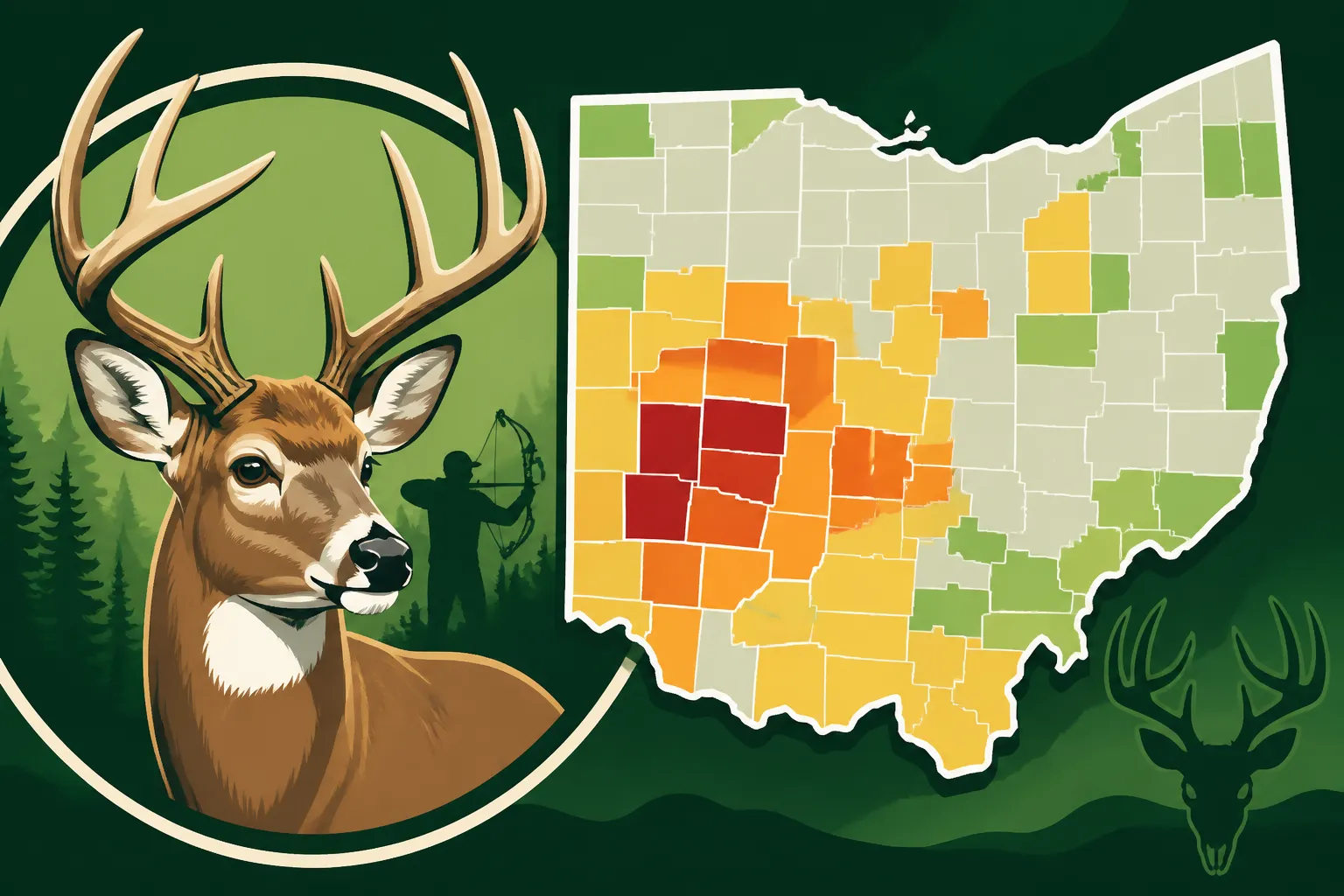
When CWD was first detected in Ohio, it wasn't a widespread outbreak across the entire state. Instead, it was concentrated in a specific area, leading to the designation of the Chronic Wasting Disease Surveillance Area (DSA). This initial detection and subsequent cases have primarily centered around a handful of counties that have become the frontline in Ohio's battle against CWD. These are the places where hunters have had to adapt to new regulations and where wildlife biologists are focusing intensive surveillance efforts.
The primary county where CWD cases have been most consistently identified and where the prevalence has been highest is Wyandot County. This county has been the epicenter of Ohio's CWD situation, influencing many of the management decisions and mandatory testing requirements. If you've been following the news, you'll know that Why Wyandot County Drives Ohio's CWD Numbers is a phrase often heard, reflecting its unfortunate status. It's a tough pill to swallow for the local hunters, who often express feelings of frustration and concern for their deer herd.
Adjacent counties have also seen detections, some of which are part of the larger DSA. While Wyandot County has borne the brunt of reported cases, counties like Marion and Hardin have also had CWD-positive deer identified within their borders. These contiguous counties are critical because they represent potential pathways for the disease's natural spread. For instance, a deer harvested in Marion County might still be subject to the same strict rules as one taken directly from Wyandot, especially concerning carcass movement. It creates a sense of uncertainty for hunters in these areas, forcing them to be extra diligent. It's not just about finding deer; it's about understanding the health landscape of the deer you pursue.
Here's a look at some of the counties that have been part of Ohio's CWD discussion:
| County Name | CWD Status (General) | Hunter Implications |
|---|---|---|
| Wyandot | Primary epicenter of detections | Mandatory testing, strict carcass rules, high awareness |
| Marion | Detections, part of the official DSA | Mandatory testing, carcass rules, ongoing surveillance |
| Hardin | Detections, part of the official DSA | Mandatory testing, carcass rules, vigilance |
| Crawford | Adjacent, within surveillance zone | Voluntary testing encouraged, informed choices |
| Seneca | Adjacent, within surveillance zone | Voluntary testing encouraged, informed choices |
| Union | Adjacent, within surveillance zone | Voluntary testing encouraged, informed choices |
This table provides a snapshot, but it's vital to remember that the situation can evolve. Hunters in these areas need to be acutely aware of Mandatory CWD Testing Windows in the DSA and ensure they comply with all requirements. It's a collective effort to minimize the disease's impact, even when it feels like a burden.
Inside the Disease Surveillance Area (DSA)
The Disease Surveillance Area isn't just a suggestion; it's a designated region where heightened monitoring and specific regulations are actively enforced. The boundaries of the DSA are drawn based on where CWD has been detected and where there's a significant risk of further spread. Understanding Which Counties Sit Inside the Ohio DSA is the first step for any hunter who plans to pursue deer in these parts of the state. These rules are put in place not to make hunting harder, but to protect the broader deer population and to gather vital information.
For hunters within the DSA, this means a few key differences. First, during specific periods, particularly the opening weekends of the gun season, mandatory CWD testing is often required. You can't just harvest your deer and go home; you have to take it to a designated check station or kiosk. This can be an added step in an already exciting (and sometimes chaotic) day, but it's absolutely crucial for tracking the disease. I remember the first time I had to navigate this; it felt a bit like a scavenger hunt to find the right location, but it's manageable. Resources like the Ohio HuntFish app, or premium scouting tools like GoHunt, can be incredibly helpful for locating Ohio CWD Sampling Station Locations.
Beyond testing, there are strict rules about Ohio Carcass Movement Restrictions. You generally cannot take a whole deer carcass out of the DSA unless it has been processed to certain standards, like boned-out meat, capes, or clean skulls. This is perhaps one of the most significant changes for hunters, especially those who travel from outside the DSA to hunt or who process their own deer at home. It forces a change in routine, often requiring on-site field processing or using local certified processors. It's an inconvenience, yes, but it’s a necessary measure to prevent unknowingly moving infected material to new areas.
How Detections Influence Adjacent Counties
While the spotlight often shines on the core counties with direct CWD detections, the impact and concern naturally extend to adjacent areas. Even if a county isn't officially part of the mandatory testing DSA, wildlife agencies often encourage voluntary testing and heightened awareness in surrounding regions. This proactive approach acknowledges that deer don't respect invisible county lines. A buck can easily travel between parcels of land that fall into different regulatory zones, which means a CWD detection in one spot can have implications for a much wider area.
Hunters in these fringe counties often find themselves in a bit of a grey area. They might not have mandatory testing requirements, but the smart move is to stay informed and consider voluntary testing, especially if they harvest a deer showing any unusual signs. Apps like the Ohio HuntFish app or platforms like GoHunt are great for keeping tabs on the latest updates and understanding regional deer health trends. This also influences scouting strategies. When you're glassing a field or checking trail cameras, you might start paying closer attention to a deer's behavior or general health than you did before CWD became a local concern. It's an extra layer of observation that many of us now instinctively apply.
The long-term goal is to monitor for any expansion of CWD. If cases start to pop up consistently in a new county, it's highly likely that county's status will change, potentially bringing it into an expanded DSA. This adaptive management approach relies heavily on the data collected from both mandatory and voluntary samples. It means that the current list of counties with cases is dynamic and can change as more information becomes available. So, while you might not be in a "hot zone" today, staying current with Ohio's wildlife news is always a good idea, as CWD has shown it can spread.
What Hunters Can Do: Your Role in CWD Management
It's easy to feel helpless when faced with a disease like CWD, but as hunters, we are actually the most important partners in managing its spread and impact. Our actions, from the field to the dinner table, can make a huge difference. Ohio's wildlife agencies rely heavily on hunter cooperation, and understanding your role goes a long way in protecting the future of deer hunting.
One of the most direct ways you can help is through participation in CWD surveillance. If you hunt in a DSA county, ensure you comply with Mandatory CWD Testing Windows in the DSA requirements. This isn't just about following the rules; it's about providing the critical data points that biologists need to map the disease and understand its prevalence. Even if you're hunting outside a mandatory testing zone, if you harvest a deer that looks emaciated, has a strange gait, or is acting abnormally, it's important to report it and consider voluntary testing. Submitting a Deer Head at a Sampling Kiosk is a straightforward process, and most hunters find it to be a minor inconvenience for a major benefit.
Beyond testing, proper carcass disposal is absolutely paramount. Prions, the infectious agents of CWD, can persist in the environment for years, particularly in lymphoid tissues and the brain. This means that simply leaving a carcass in the woods after field dressing could contribute to the environmental load of prions. Instead, consider burying carcasses deep where permitted, or utilizing designated disposal options offered by the state wildlife division. If you process your own deer, be meticulous about cleanliness and remember the Ohio Carcass Movement Restrictions if you're in a DSA county. This might mean investing in tools for efficient field quartering or making arrangements with local processors.
Responsible Carcass Handling and Disposal
This is probably one of the most talked-about, and sometimes most confusing, aspects of hunting in a CWD-affected area. The goal is to prevent the movement of high-risk tissues, primarily the brain, spinal cord, and lymphoid tissue (like lymph nodes and tonsils), from infected areas to uninfected areas. For many Ohio hunters, this means a significant shift in how they've always handled their deer after a successful hunt.
If you kill a deer within the DSA, the rule of thumb is that you should not transport the whole carcass out of that area. This can be a real headache if you live an hour away and typically take your deer home whole to process. Instead, you'll need to bone out the meat, remove the brain and spinal column, and properly dispose of those high-risk parts within the DSA. You can usually transport boned-out meat, capes (without the skull or spinal column), and clean skulls (with all brain material removed). It’s an extra step, often involving more time in the field with a sharp knife, but it's a critical preventative measure. For those who want to mount their deer, ensuring the taxidermist understands the CWD regulations for skull and cape handling is also key. Trust me, nobody wants to be the person who inadvertently contributes to the spread of CWD by neglecting these rules. You can find specific guidelines for Handling Venison From a DSA County Safely from the ODNR.
Another crucial aspect is disposal of discarded parts. If you are field dressing in a DSA county, make sure to leave the carcass remains, particularly the head and spinal column, within the county you hunted. Don't throw them into a ditch outside the DSA or transport them across county lines. Some areas might even have designated disposal sites. This requires a bit of planning and knowledge, and again, using resources like the Ohio HuntFish app or the GoHunt platform to quickly check local regulations before you head out can save you a lot of hassle and ensure you're doing your part. It's all about minimizing the chance of prions entering new environments.
Supporting Ohio's CWD Surveillance and Research
Beyond your individual hunting practices, there are broader ways to support Ohio's efforts in dealing with CWD. One is by staying informed and advocating for sound wildlife management. Reading up on the current Ohio Deer Season Structure Explained and how it might be adapted in response to CWD can help you understand the bigger picture. Hunters are often the first to notice changes in wildlife populations or individual animal health, so reporting suspicious-looking deer to the Ohio Department of Natural Resources (ODNR) is incredibly valuable. They have dedicated hotlines and reporting mechanisms for this very purpose.
Another way is through supporting organizations that fund CWD research. Understanding CWD, how it spreads, and potential mitigation strategies requires ongoing scientific inquiry. While state agencies do a lot, external research groups and conservation organizations also play a vital role. Even simply following the ODNR's updates on Ohio Wildlife Disease Monitoring helps keep you in the loop and allows you to share accurate information with your hunting buddies, combating misinformation that can sometimes circulate. When you Registering a Deer Through Ohio's Check-In System, you are directly contributing to the data collection that informs these efforts.
Ultimately, the fight against CWD is a long-term endeavor. It requires patience, adaptability, and a collective commitment from the entire hunting community. By understanding How Many Deer Have Tested CWD-Positive in Ohio and the specific counties affected, and by taking proactive steps in our hunting practices, we can all contribute to a healthier future for Ohio's deer herds. It’s about protecting the hunting heritage we cherish for generations to come.
Disclaimer
This article is for general informational purposes only and does not constitute professional advice. Laws, prices and regulations vary by location and change over time. Consult a qualified professional for guidance on your specific situation.