How CWD Reached Wyandot County
There's a cloud that's been hanging over the Ohio hunting community, a quiet dread that slowly but surely made its way into our conversations around the campfire and in the sporting goods aisle. That cloud is Chronic Wasting Disease, or CWD, and for many of us, the news that it had finally taken root in Ohio, specifically in Wyandot County, felt like a punch to the gut. This guide isn't about fear-mongering; it's about understanding how CWD arrived, what it means for our cherished whitetail herd, and how we, as dedicated hunters, can face this challenge head-on.
Understanding Chronic Wasting Disease
Chronic Wasting Disease is one of those topics that can make even the most seasoned hunter's stomach churn. It's a disease unlike many others we deal with in wildlife, and its implications are far-reaching. When you first hear about it, it’s easy to feel overwhelmed, perhaps even a bit helpless, but understanding the basics is the first step toward informed action.
What Exactly is CWD?
At its core, CWD is a neurological disease that affects cervids – that's deer, elk, moose, and reindeer. It's caused by abnormal proteins called prions, which accumulate in the brain and other tissues. Think of it like a slow, degenerative process that gradually breaks down the animal's nervous system. These prions aren't bacteria or viruses; they're incredibly resilient and can persist in the environment for years, even decades. This persistence is a huge part of what makes CWD so challenging to manage, unlike, say, a bacterial infection that can be treated with antibiotics or a viral outbreak that might burn itself out. The prions literally transform normal proteins into more abnormal ones, creating a chain reaction that ultimately destroys brain tissue.
The insidious nature of CWD is that it's always fatal once an animal contracts it. There's no cure, no vaccine, and no way to reverse the damage. While there's currently no evidence of CWD being transmissible to humans, public health agencies universally recommend against consuming meat from CWD-positive animals. This recommendation alone is enough to send shivers down a hunter's spine, especially when we consider the venison we rely on to feed our families throughout the year. The long incubation period, which can be anywhere from 18 months to several years, also makes it incredibly difficult to detect in its early stages, allowing infected animals to continue spreading the prions before showing any outward symptoms.
Symptoms and Progression in Deer
Watching an animal succumb to CWD is truly heartbreaking. The symptoms, when they finally manifest, are stark and unmistakable, though they can often be confused with other ailments like EHD (Epizootic Hemorrhagic Disease) or even severe malnutrition. Early on, you might notice subtle behavioral changes, things that make you pause and wonder if something isn't quite right. These could include a general loss of awareness, staggering, or simply acting "off." As the disease progresses, the symptoms become more pronounced and truly alarming.
Affected deer will typically exhibit a significant loss of body condition, appearing emaciated and gaunt despite feeding. This "wasting" is where the name of the disease comes from. You might also observe excessive drooling, a vacant stare, head tremors, or an abnormal gait, almost like they're walking on stilts. They often carry their heads in a low, lowered position. Perhaps most tellingly, they lose their natural fear of humans, becoming unusually docile or approachable. These symptoms are a clear sign that the animal's brain is deteriorating, impacting its motor skills, coordination, and overall neurological function. If you ever see a deer exhibiting these signs, especially in or near the Ohio's Chronic Wasting Disease Surveillance Area, it's critical to report it immediately to the Ohio Department of Natural Resources (ODNR). Do not approach or handle the animal unnecessarily.
Why CWD is Such a Concern
The concern surrounding CWD isn't just about the individual deer; it's about the health and future of entire deer populations, and by extension, the hunting heritage we hold so dear in Ohio. First and foremost, its contagious nature and environmental persistence make it a formidable threat. Unlike some other wildlife diseases that might be seasonal or localized, CWD prions can contaminate soil, plants, and water sources, creating long-lasting infection zones. This means even if all infected deer were removed, the environment itself could remain a source of infection for years.
Beyond the biological aspects, CWD poses significant challenges for wildlife management agencies like the ODNR. Managing a disease that spreads slowly, has a long incubation period, and whose infectious agents are incredibly hardy requires a multi-faceted and long-term approach, often involving difficult decisions like culling or increased harvest efforts. For hunters, it introduces new layers of regulation, from mandatory testing to restrictions on Ohio Carcass Movement Restrictions, which can feel like an intrusion into a beloved pastime. But these measures are put in place with the sole purpose of trying to contain the disease and protect the White-Tailed Deer Across Ohio for future generations. The specter of CWD also raises economic concerns, impacting local businesses reliant on hunting tourism and potentially affecting land values if properties become associated with high CWD prevalence. It's a complex web of ecological, recreational, and economic anxieties that make CWD a uniquely pressing issue.
The Unsettling Arrival: CWD in Ohio's Wyandot County
For years, Ohio hunters watched as CWD crept closer, hitting neighboring states and making us wonder if it was only a matter of time. We hoped it wouldn't happen here, not in our woods and fields, but the inevitable arrived, bringing a new reality to deer management in the state.
The First Confirmed Case
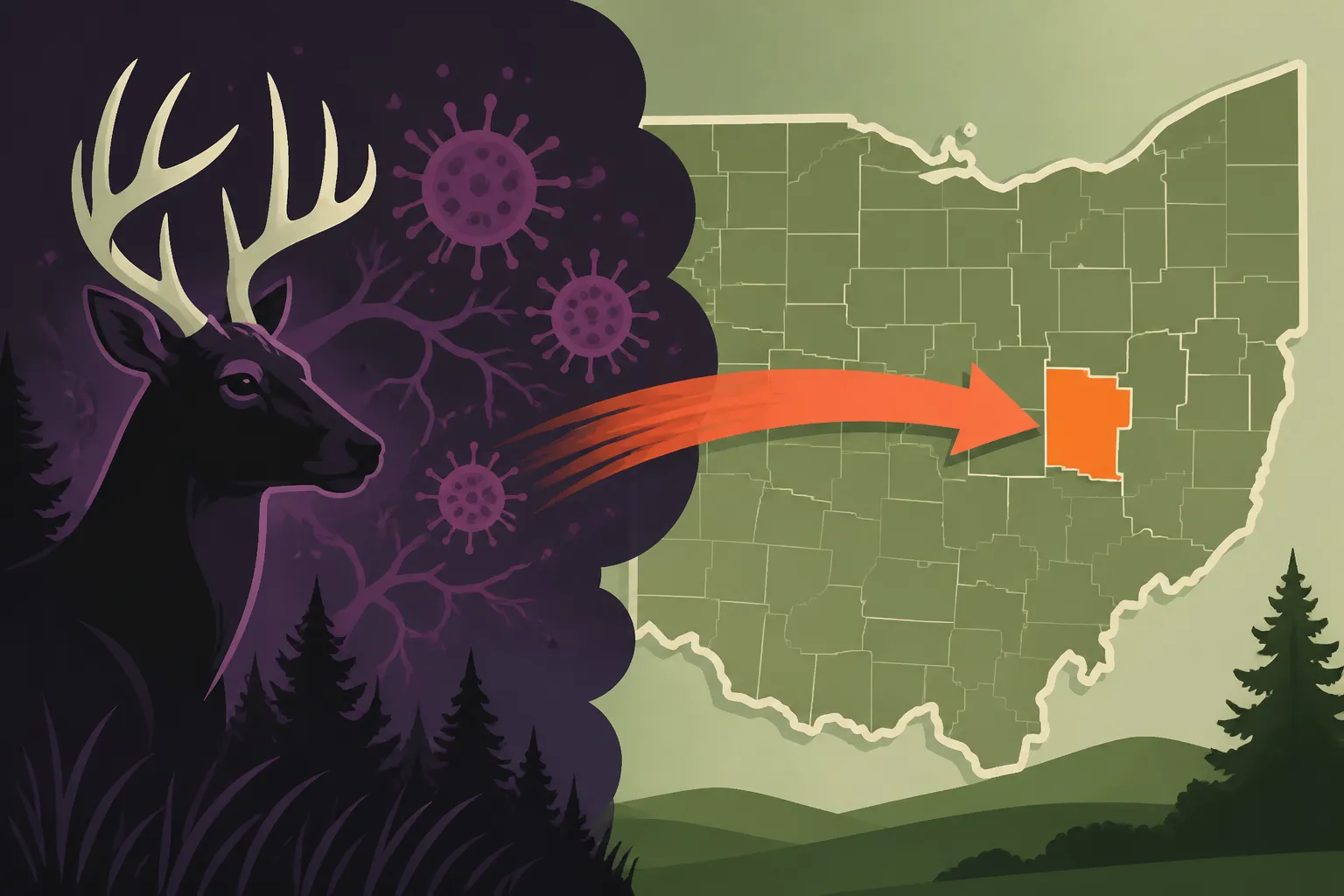
The news broke in late 2020, and for many of us, it felt like a cold snap in October that arrived too soon. The Ohio Department of Natural Resources confirmed a positive case of CWD in a deer from a captive deer breeding facility in Holmes County. This was a critical initial detection, as captive facilities have historically been a pathway for the disease to jump into wild populations in other states. While not in Wyandot directly, this event signaled that CWD was indeed within Ohio's borders. Then, the real gut punch came in 2021 when CWD was detected in a wild deer in Wyandot County.
This was a game-changer. It wasn't just in a contained facility anymore; it was out in the wild, interacting with our free-ranging herd. The specific animal was a male deer harvested by a hunter near the town of Marseilles during the Ohio's Two Gun Deer Weekends. This deer tested positive during voluntary surveillance efforts, proving that the system was working, albeit delivering unwelcome news. The confirmation sent ripples of concern through the hunting community, especially for those who hunt in or around Wyandot, Hardin, and Marion counties, which would soon become the focal point of Ohio's CWD management efforts. It made us all realize that the fight was now truly on our home turf.
Immediate ODNR Response and Surveillance Zone
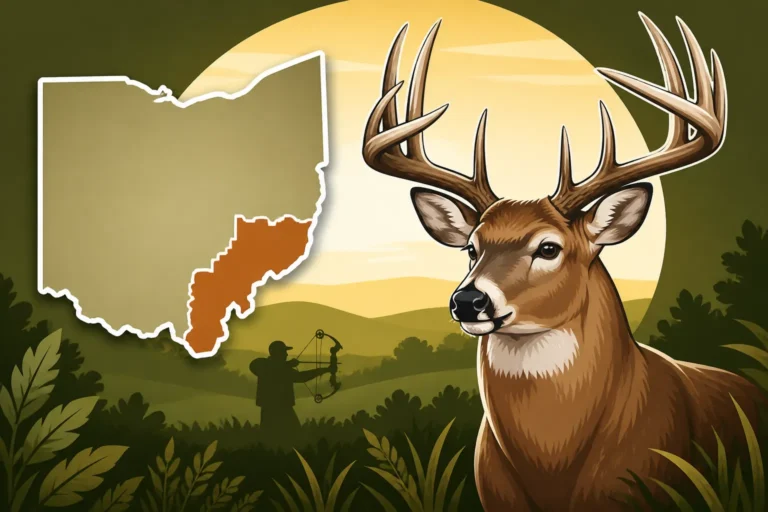
When that first wild CWD-positive deer was confirmed in Wyandot County, the ODNR didn't waste any time. Their response was swift and decisive, reflecting lessons learned from other states that have dealt with this disease for far longer. The most immediate and tangible action was the establishment of a CWD Surveillance Area, or DSA (Disease Surveillance Area). This wasn't a small, localized bubble; it encompassed all of Wyandot County, along with portions of Hardin and Marion counties, stretching out to create a buffer zone around the known infection.
Within this DSA, new regulations immediately came into play for hunters, designed to limit the potential spread of CWD. These included mandatory CWD testing for all deer harvested during the opening weekend of the Ohio Regular Gun Season First Weekend and again during the youth gun season within the DSA boundaries. Check stations were set up, and hunters had to submit samples from their deer. Additionally, strict Ohio Carcass Movement Restrictions were imposed, dictating what parts of a deer could be transported out of the DSA. This meant no whole carcasses leaving the area, only deboned meat, antlers, hides, or skull plates free of brain tissue. These measures, while sometimes inconvenient for hunters, were absolutely critical in the initial containment strategy, aiming to prevent infected material from being carried to other parts of the state.
The Psychological Impact on the Local Hunting Community
Beyond the regulations and scientific complexities, the arrival of CWD in Wyandot County had a profound psychological impact on the local hunting community. Hunters are deeply connected to their land and the deer they pursue. For many, hunting isn't just a hobby; it's a way of life, a tradition passed down through generations. The news of CWD felt like a threat to that very foundation.
There was, understandably, a mix of emotions: confusion, frustration, and worry. Hunters questioned the safety of consuming venison, a staple for many families, even though the current science suggests no human transmission. They worried about the future of the herd, the potential for decline, and how it might change their hunting experiences forever. Conversations turned from scouting reports and trophy bucks to disease prevalence rates and testing protocols. Some feared that their local deer populations might become compromised, impacting their ability to fill their tags or simply enjoy the peace and solitude of the hunt. This undercurrent of anxiety is something the ODNR has had to navigate, understanding that effective CWD management isn't just about the science; it's about communicating with and reassuring a passionate community. Organizations like GoHunt have also stepped up to provide accessible information and resources, helping hunters understand the facts and adapt to the new realities.
Tracing the Path: How CWD Likely Reached Wyandot
Understanding that CWD is in Wyandot is one thing; understanding how it got there is another, and it’s a crucial piece of the puzzle for prevention and future management. While tracing the exact, single point of origin for a disease like CWD can be incredibly challenging, wildlife biologists and epidemiologists have developed strong hypotheses based on past outbreaks in other states.
The Role of Captive Deer Facilities
One of the most widely accepted and thoroughly investigated pathways for CWD introduction into wild populations across North America has been through captive cervid facilities. These are operations that breed and raise deer and elk, often for antler production, breeding stock, or sometimes for private hunting preserves. The initial CWD detection in Ohio, remember, was in a captive facility in Holmes County in 2020. This was a red flag because these facilities, by their very nature, concentrate animals in smaller areas, which can accelerate disease transmission if an animal becomes infected.
The tragic reality is that sometimes CWD-infected animals, unknowingly or otherwise, have been moved between facilities, either within a state or across state lines. If an infected animal escapes a facility, or if the facility's waste or contaminated soil is moved off-site, it can introduce prions into the surrounding wild deer population. While the direct link between the Holmes County captive facility and the specific wild deer in Wyandot County hasn't been definitively proven as a singular event, the presence of CWD in a captive setting within Ohio certainly heightened the risk for broader spread. Prions are incredibly difficult to eradicate from pens and soil, meaning that a contaminated facility can remain a source of infection long after infected animals are removed. The careful management and oversight of these facilities are paramount in the overall strategy to prevent CWD from becoming even more widespread.
Natural Deer Movement and Transmission
While captive facilities can be a point of origin, once CWD is in the wild, natural deer movement becomes a primary driver of its spread. Deer, especially bucks, are known to travel considerable distances, particularly during the rut. A young buck might disperse from its birth area to find new territory, potentially carrying prions with it. This is why when you're Hunting the Rut in Early November, understanding deer movement patterns isn't just about finding a buck, it's about understanding potential disease vectors.
The transmission of CWD among wild deer occurs primarily through direct animal-to-animal contact, but also through indirect contact with a contaminated environment. Infected deer shed prions through their saliva, urine, and feces. These prions then accumulate in the soil, on plants, or in water sources. Other deer can then ingest these prions while grazing or drinking. Scrape lines, licking branches, and communal feeding areas, which are often heavily frequented by multiple deer, can become hotspots for environmental contamination. This persistence in the environment is a major reason why CWD is so challenging to contain once it's established in a wild population. Even if deer densities are reduced, the contaminated landscape can continue to infect new deer for many years.
Interstate Travel and Past Controversies
It's also worth considering the broader context of CWD in North America. The disease didn't originate in Ohio; it was first identified in captive deer in Colorado in the late 1960s and in wild deer in the 1980s. Since then, it has slowly but surely spread across the continent. This interstate spread, often linked to the movement of captive deer, has been a significant source of controversy and concern among wildlife agencies. For example, some states have imposed strict regulations or even bans on importing live cervids from other states known to have CWD, precisely because of the risk of introducing the disease.
While Ohio has had its own regulations regarding the import of captive cervids, the long history of CWD spread through such means in other states provides a cautionary tale. It emphasizes that CWD isn't just an Ohio problem; it's a continental challenge. The connections between states, whether through wildlife corridors or the movement of human-managed animals, mean that a disease like CWD doesn't respect state lines. This underscores the need for robust, multi-state cooperation and consistent regulatory frameworks to prevent further spread, ensuring that hunters across regions can continue to enjoy healthy game populations. The ODNR continues to monitor the broader CWD landscape to inform its own strategies and ensure the health of Ohio's Deer Herd Size.
The Ripple Effect: What CWD in Wyandot Means for Ohio Hunters
The presence of CWD in Wyandot County isn't just an abstract biological fact; it has very real, tangible consequences for how we hunt, what we need to do after a successful harvest, and how we interact with wildlife management. It introduces a layer of responsibility and awareness that wasn't as prevalent before.
Mandatory Testing Requirements
Perhaps the most direct impact for hunters in the CWD Surveillance Area (DSA) has been the implementation of mandatory CWD testing. During specific windows, particularly the opening weekend of the statewide gun deer season and the youth gun weekend, hunters who harvest a deer within the DSA are required to submit the deer's head for sampling. This is not optional; it's a crucial part of the ODNR's surveillance effort to determine the prevalence of the disease and track its spread.
This means a bit more planning and time commitment after a successful hunt. Instead of heading straight home, hunters must take their deer to designated Ohio CWD Sampling Station Locations. These stations can be manned check stations or self-serve kiosks, and understanding the process is key. The ODNR aims to make it as convenient as possible, but it still represents a shift from previous seasons. For example, if you've ever had to take a deer to a check station, you know it can add a significant amount of time to an already long day. The upside is that this data is invaluable for wildlife managers to understand where the disease is, how common it is, and what management strategies might be most effective. It's a small inconvenience for a much larger, critical goal. You can find detailed information on these requirements, including specific dates and locations, on the ODNR website or through hunting apps like GoHunt.
Carcass Movement Restrictions
Another significant change impacting hunters within the DSA is the strict regulations on Ohio Carcass Movement Restrictions. The goal here is simple: prevent the physical transport of CWD prions out of the known infection zone. Since the highest concentrations of prions are found in the brain, spinal cord, and lymphatic tissues, transporting these parts across county lines could inadvertently spread the disease to new areas.
What this means in practice is that if you harvest a deer within the Wyandot County DSA, you cannot simply load the whole animal onto your truck and take it home if "home" is outside the DSA. Instead, you are typically only allowed to transport deboned meat, antlers (with no brain tissue attached), hides, or skull plates that have been thoroughly cleaned of all brain and spinal cord tissue. Some states also allow for taxidermy-ready mounts. For hunters accustomed to taking their whole deer to a favorite butcher shop outside the DSA, this requires a change in routine. It often means field dressing and quartering the animal more thoroughly at the kill site or at a processing facility within the DSA. It's an adjustment, to be sure, but a necessary one to mitigate the risk of spreading this persistent disease. Understanding these rules is crucial to avoid potential violations and, more importantly, to be a responsible steward of the resource.
Changes to Hunting Seasons and Bag Limits
While the initial response to CWD in Wyandot County focused on surveillance and carcass movement, the long-term presence of the disease can sometimes lead to adjustments in Ohio Deer Season Structure Explained and bag limits. The primary goal of these changes, if implemented, is often to manage deer densities in affected areas. Higher deer densities can lead to increased contact rates between animals, potentially accelerating CWD transmission. By allowing hunters to harvest more deer, particularly antlerless deer, wildlife agencies aim to reduce the overall population and thus reduce the opportunities for disease spread.
As of recent seasons, the ODNR has used additional deer management permits or increased antlerless harvest opportunities in the DSA counties. For example, hunters might be able to take an additional antlerless deer on a special permit that is valid only within the DSA, or there might be an extended season specific to those counties. This provides hunters with more opportunities to contribute to disease management efforts. While some hunters might lament changes to established seasons, it's important to view these adjustments as tools in the ongoing battle against CWD. They are designed to protect the overall health of the herd by reducing the disease's prevalence over time. These changes highlight the evolving nature of wildlife management in the face of new challenges, requiring flexibility and cooperation from the hunting community.
Living with CWD: Mitigation and Management Efforts
The fight against CWD is not a sprint; it's a marathon. Once the disease is established in a wild population, eradication is nearly impossible. Therefore, the focus shifts to mitigation and management – slowing the spread, reducing prevalence, and minimizing its impact on both the deer herd and hunting opportunities.
ODNR's Proactive Surveillance Program
The Ohio Department of Natural Resources has implemented a comprehensive and proactive surveillance program as the cornerstone of its CWD management strategy. This isn't just about reacting to positive cases; it's about actively looking for the disease to understand its extent and trajectory. The mandatory testing mentioned earlier is a key component of this, providing a snapshot of CWD prevalence in specific high-risk areas. However, surveillance extends far beyond just hunter-harvested deer.
The ODNR also conducts targeted surveillance, testing road-killed deer, sick or symptomatic animals reported by the public, and even deer culled during nuisance permits. They partner with deer processors, taxidermists, and veterinary clinics to collect samples. This multi-pronged approach helps create a clearer picture of where CWD exists, which age classes of deer are most affected, and how quickly it might be spreading. The data collected from these ongoing efforts directly informs management decisions, from setting CWD Surveillance Area boundaries to adjusting hunting regulations. It's a continuous, data-driven process that relies heavily on the cooperation of the public and the dedication of wildlife professionals. This surveillance is why resources like the Ohio CWD Sampling Station Locations are so critical.
Targeted Removal and Population Control
In areas where CWD is detected and confirmed, especially if prevalence starts to climb, wildlife agencies often resort to targeted removal and population control efforts. The science behind this is that reducing deer density, particularly in core infection zones, can decrease the likelihood of deer encountering each other and coming into contact with contaminated environments. This, in turn, can help slow the rate of CWD transmission.
Targeted removal can take several forms. It might involve special hunting seasons with increased bag limits for antlerless deer, encouraging hunters to remove more animals. In some cases, state agencies might employ sharpshooters to reduce deer numbers in very specific, high-prevalence areas, especially outside of regular hunting seasons or in locations where hunting isn't feasible. These decisions are never made lightly; they are often controversial and can be emotionally difficult for hunters and the public. However, they are based on epidemiological models and proven strategies from other states that have faced CWD for longer. The goal is not to eliminate deer but to manage the population in a way that minimizes disease spread and maintains a healthier overall herd. While these measures can be tough to swallow, they represent a necessary tool in the long-term fight against CWD.
Research and Future Strategies
The battle against CWD is constantly evolving, and a critical component of Ohio's management strategy is ongoing research and the development of future strategies. Wildlife biologists and researchers are continually working to understand CWD better – from its transmission dynamics to potential detection methods and even, someday, vaccines or genetic resistance. The ODNR collaborates with universities and other wildlife agencies to stay at the forefront of CWD science.
This research might explore new ways to decontaminate areas where prions persist in the environment, or it could focus on identifying deer with natural genetic resistance to CWD, which could inform future breeding programs in captive herds, or simply help predict the long-term impact on wild populations. Future strategies might also involve more sophisticated predictive modeling to anticipate CWD spread or new technologies for rapid field testing. The reality is that there's no single magic bullet for CWD. It requires a commitment to long-term vigilance, adaptability, and continuous learning. By investing in research and being open to new approaches, Ohio aims to protect its deer herd and hunting heritage for generations to come, ensuring the continued health of the White-Tailed Deer Across Ohio.
Your Role as an Ohio Hunter: Staying Informed and Involved
As hunters, we are often the first line of defense and observation in the field. Our passion for wildlife puts us in a unique position to contribute significantly to CWD management efforts. It's not just about following regulations; it's about being an active and informed participant.
Best Practices for Hunters in CWD Areas
Hunting in a CWD-affected area like Wyandot County requires a heightened sense of awareness and adherence to certain best practices. These aren't just rules; they're common-sense actions designed to protect both the deer herd and your own well-being. First and foremost, always be aware of the current Ohio's Chronic Wasting Disease Surveillance Area boundaries. These can change, so check the latest ODNR regulations before each season.
When you harvest a deer in a CWD area, perform field dressing in a manner that leaves high-risk materials (brain, spinal cord, spleen, lymph nodes) at the kill site, if permissible by local regulations, or dispose of them properly at approved facilities within the DSA. This minimizes the risk of spreading prions to new locations. If you process your own deer, use separate knives and cutting boards for CWD-positive or suspect animals, and thoroughly clean and disinfect all equipment with a bleach solution afterwards. Consider wearing gloves when handling deer, especially internal organs, as an added precaution. Finally, always adhere to the Handling Venison From a DSA County Safely guidelines. While consumption risk is considered low, it's prudent to follow all recommendations, which typically include avoiding consumption of meat from any CWD-positive animal. These practices aren't meant to diminish the joy of the hunt, but rather to ensure its continuation in a responsible manner.
Reporting Suspect Animals
Your eyes in the field are incredibly valuable. As someone who spends a lot of time observing deer, you're uniquely positioned to notice if an animal is acting abnormally. If you observe a deer exhibiting any of the tell-tale CWD symptoms – severe emaciation, excessive drooling, stumbling, or a general lack of fear – do not hesitate to report it. You can contact the ODNR directly through their wildlife district offices or their dedicated CWD reporting line. When Reporting a Sick Animal in Ohio, provide as much detail as possible: the exact location, time of sighting, and a description of the animal's behavior and appearance.
It's important to remember that not every sick deer has CWD; other diseases or injuries can cause similar symptoms. However, it's always best to let wildlife professionals make that determination. Your report triggers an investigation, and if it leads to a CWD detection, it provides critical information for disease management. Your vigilance contributes directly to the collective effort to monitor and contain the disease. This is a clear instance where being an engaged and observant hunter directly benefits the entire herd and community.
Utilizing Resources like GoHunt for Information
In today's fast-paced world, staying current with regulations and disease information can feel like a full-time job. Thankfully, there are excellent resources available to help Ohio hunters stay informed. The Ohio Department of Natural Resources website is always the official source for all regulations, season dates, and CWD updates. They provide maps, testing station locations, and detailed explanations of carcass movement rules.
Beyond the official channels, online platforms and communities also play a vital role. For instance, services like GoHunt offer comprehensive tools and information specifically tailored for hunters. While GoHunt is more broadly known for its western hunting applications, many of its core features related to regulations, mapping, and data analysis are incredibly valuable for any hunter, including those in Ohio trying to navigate CWD. They often compile and simplify complex information, making it more digestible. Many hunting forums and social media groups dedicated to Ohio Hunting also provide real-time discussions and shared experiences that can be incredibly helpful. The key is to seek out reliable, science-based information from both official state sources and reputable hunting-focused platforms to ensure you're always operating with the most accurate and up-to-date knowledge. Being informed is one of the most powerful tools we have in living responsibly with CWD.
Here's a quick look at the CWD situation in Ohio over recent years, though numbers can fluctuate as surveillance efforts continue and more data becomes available:
| Year | CWD Positive Wild Deer (Ohio) | Primary Counties Involved (Wild Deer) | ODNR Response |
|---|---|---|---|
| 2020 | 0 (First captive detection in Holmes County) | Holmes (captive) | Intensified surveillance, captive herd depopulation. |
| 2021 | 1 | Wyandot | Established Wyandot County DSA, mandatory testing, carcass restrictions. |
| 2022 | (Several) | Wyandot, Marion, Hardin | Continued DSA management, increased outreach. |
| 2023 | (Several) | Wyandot, Marion, Hardin, Crawford | Expanded surveillance, potential DSA boundary adjustments. |
| 2024 | (Ongoing) | Wyandot, Marion, Hardin, Crawford, (Potential others) | Continued adaptive management, research integration. |
Note: The number of positive cases can vary annually based on surveillance intensity and actual prevalence. Always consult current ODNR reports for the most up-to-date figures.
Disclaimer
Please remember that hunting regulations and disease management protocols are subject to change. Always consult the official Ohio Department of Natural Resources (ODNR) website and current hunting regulations manual for the most accurate and up-to-date information regarding Chronic Wasting Disease, season dates, permits, and all other hunting requirements in Ohio.