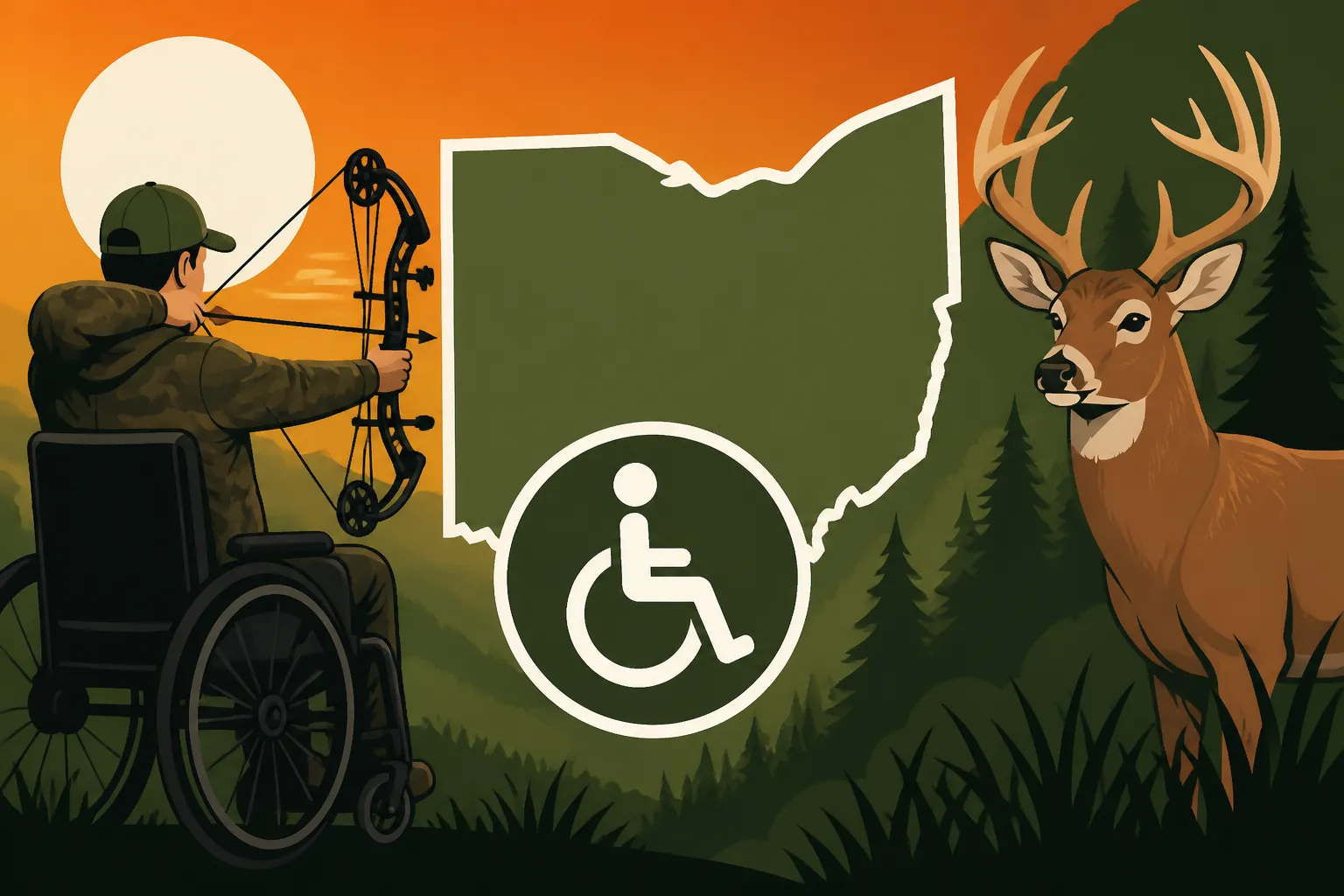
Ohio Disabled Hunter Permit Options
Navigating the world of hunting when you have a disability can present a unique set of challenges, from understanding specific regulations to finding accessible hunting locations. It's easy to feel overwhelmed by the paperwork or wonder if you'll truly be able to enjoy the outdoors you love. This comprehensive guide is designed to cut through that confusion, detailing Ohio's specific permit options for disabled hunters and how to confidently access them, ensuring your passion for the hunt can continue to thrive.
Understanding Ohio's Commitment to Accessible Hunting
Ohio, with its rich hunting heritage, understands that the call of the wild echoes for everyone. The state has made significant strides in ensuring that individuals with disabilities have equitable opportunities to participate in hunting, a pastime that connects so many to nature and tradition. This commitment isn't just about compliance; it's about fostering an inclusive environment where physical limitations don't sideline a hunter's spirit.
The Philosophy Behind Inclusive Hunting
At its core, Ohio's approach to disabled hunter permits is driven by a philosophy of inclusion and accessibility. The Ohio Department of Natural Resources (ODNR) recognizes that hunting is more than just harvesting game; it's about experiencing the outdoors, observing wildlife, and participating in a time-honored tradition. For many, it’s a vital part of their identity and well-being. Therefore, the regulations are designed not to create loopholes, but to thoughtfully remove barriers that would otherwise prevent hunters with certain physical impairments from enjoying these experiences. It’s about adapting the rules to individual needs while maintaining safety and fair chase principles.
This isn't always an easy balance, but the continuous review of policies reflects a genuine desire to support all hunters. The creation of specialized permits, like those allowing stationary vehicle hunting, directly addresses significant mobility challenges, enabling individuals who might otherwise be homebound to return to the field. This progressive mindset ensures that Ohio's hunting lands remain open and welcoming, upholding the diverse fabric of its hunting community.
General Requirements for Disabled Hunter Status
Before diving into specific permit types, it's crucial to understand what generally qualifies a hunter as "disabled" under Ohio law. The ODNR typically defines a disabled hunter as an individual with a permanent or temporary physical impairment that significantly limits their mobility or ability to perform hunting activities in the conventional manner. This isn't a vague definition; it requires legitimate documentation.
Usually, the primary piece of evidence is a physician's statement or a medical report directly attesting to the nature and extent of the disability. This could be anything from severe arthritis, spinal cord injuries, or amputations, to other conditions that profoundly impact movement or endurance. For veterans, certain disability ratings from the U.S. Department of Veterans Affairs might also be accepted as proof. It's not enough to simply state you have a disability; the ODNR requires verifiable medical certification to ensure these specialized permits are issued appropriately and to those who truly need them. The goal is to ensure fairness and prevent misuse, preserving these vital accommodations for the individuals they are intended to help.
Specific Disabled Hunter Permit Options in Ohio
Ohio offers several distinct permit options tailored to address different types of disabilities and hunting scenarios. These aren't blanket permits; rather, they are specific tools designed to allow hunters to overcome particular physical hurdles while ensuring safety and adherence to wildlife management goals. Understanding the nuances of each option is key to selecting the right one for your individual needs.
Permit for Hunting from a Stationary Vehicle
One of the most impactful permits for hunters with severe mobility issues is the permit allowing hunting from a stationary vehicle. This permit is a game-changer for many who would otherwise be unable to access hunting grounds or remain in a stand for extended periods. The criteria for obtaining this permit are quite specific, focusing on individuals whose physical limitations prevent them from ambulating effectively for hunting purposes. This might include individuals who are permanently confined to a wheelchair, use crutches or walkers, or have other severe ambulatory impairments.
Crucially, "stationary vehicle" means just that: the vehicle must be completely stopped, with the engine off, and often, with the transmission in park. It does not mean hunting from a moving vehicle, which is a significant safety violation and illegal. This permit allows the hunter to shoot from the stationary vehicle, which might be parked along a field edge, a remote logging road, or any other location where it can be legally positioned and safely operated. It significantly opens up opportunities, especially for big game like deer, allowing hunters to utilize vehicular access points that would normally be off-limits for active hunting. This permit needs to be renewed regularly, and the underlying medical certification must remain current.
Mobility Impaired Deer Gun Hunting Permit
Beyond the general stationary vehicle permit, Ohio also offers specific opportunities like the Mobility Impaired Deer Gun Hunting Permit, often associated with controlled hunts or designated accessible areas. These permits are typically part of specialized hunts or programs on public lands, such as certain wildlife areas or state forests, that have been specifically managed to provide accessible infrastructure like paved trails, wheelchair-accessible blinds, or designated vehicle access routes.
Applying for these opportunities usually involves a separate lottery or application process with specific deadlines, which can be found on the ODNR's website. For example, areas like Killdeer Plains Wildlife Area or Magee Marsh Wildlife Area might offer such hunts, providing designated blinds and assistance for hunters with mobility impairments. These hunts often occur during the regular Ohio Deer Season Structure Explained but in a more controlled, accessible environment. The benefit here is a highly managed, safe, and often successful hunting experience designed specifically for the needs of mobility-impaired individuals. Restrictions might include limited hunting dates, specific areas of use, and often require a non-hunting assistant. Details for these programs are generally announced well in advance, so keeping an eye on the ODNR’s hunting regulations update is essential.
Crossbow Use During Archery Season for Certain Disabilities
Historically, Ohio required a special permit for hunters using a crossbow during the regular archery season, unless they met specific age or disability criteria. This meant that disabled hunters were among the few who could readily access crossbows, an invaluable tool that eliminated the physical demands of drawing a vertical bow. This provision was a significant step in making archery hunting more accessible.
However, Ohio's hunting regulations have evolved to be even more inclusive. Since 2013, crossbows have been legal for all hunters during the entire statewide archery season, without the need for a special permit based on age or disability. This change, while seemingly simple, profoundly impacted accessibility. It essentially broadened the definition of archery equipment to include crossbows for everyone, effectively removing a barrier for disabled hunters and making the sport more inclusive across the board. While you no longer need a special disability permit to use a crossbow, the fact that crossbows are now universally legal during archery season is a testament to the state's ongoing commitment to accessibility. It means disabled hunters can choose the equipment that best suits their physical capabilities without additional bureaucratic hurdles. For a deeper dive into equipment choices, you might find our article on Crossbow Versus Vertical Bow in Ohio helpful.
Navigating the Application Process and Resources
Once you understand the permit options available, the next step is to navigate the application process. While it might seem daunting, the ODNR has streamlined much of it, and plenty of resources are available to help you along the way. Planning ahead and knowing where to look for information will make the entire process much smoother.
Step-by-Step Application Guide
Getting your disabled hunter permit in Ohio typically involves a few clear steps. First and foremost, you'll need the proper ODNR application form. For many of the mobility-impaired permits, this is often Form 9005, which is readily available on the Ohio Department of Natural Resources website. Don't just download it and fill it out yourself; a critical component is the medical certification section, which must be completed and signed by your licensed physician. This doctor's statement will detail the nature of your disability and how it affects your ability to hunt conventionally.
Once you have your completed form with the physician's signature, you can typically submit it to the ODNR Division of Wildlife. Most permits can be applied for by mail, though some may have online submission options. Always double-check the current regulations for the most up-to-date submission methods and addresses. The timeline for processing can vary, so it's wise to apply well in advance of the season you intend to hunt. Don't wait until the week before deer season opens to submit your paperwork! A good rule of thumb is to allow at least 4-6 weeks for processing to avoid any last-minute stress.
Utilizing Digital Tools and ODNR Resources
In today's digital age, the ODNR has made a lot of information and resources incredibly accessible online. The official ODNR website is your primary hub for all things hunting in Ohio, including regulations, permit applications, and news updates. You can often download application forms, read detailed explanations of permit requirements, and even renew certain licenses or permits through their online portal. This digital access is a huge boon, especially for hunters with mobility issues who might find it difficult to visit physical offices.
Beyond the ODNR's direct resources, tools like GoHunt can be invaluable. While GoHunt primarily focuses on Western state hunting, its principles of providing detailed regulations, public land access information, and hunting insights are mirrored by good scouting practices everywhere. For Ohio, think of similar robust mapping and information apps that can help you cross-reference public land boundaries, identify accessible trails, and locate specific wildlife areas that cater to diverse needs. Always ensure you have the most up-to-date information, which the ODNR website will always provide. If you have specific, nuanced questions that the website doesn't answer, don't hesitate to call the ODNR Division of Wildlife directly. Their staff are usually very helpful and can provide clarification on individual circumstances. You might also want to explore resources like Scouting Ohio Public Land Before Season to help you identify suitable hunting spots.
Planning Accessible Hunts in Ohio
Once you have your permits in order, the real fun begins: planning your accessible hunt. Ohio offers a wealth of public lands, and while not all are equally accessible, many are working to improve opportunities for disabled hunters. The key is thorough research and scouting. Start by looking at the ODNR's interactive maps or consulting our guide on Public Hunting Land in Ohio. Filter or inquire about areas with improved trails, designated accessible hunting blinds, or those that allow vehicle access for permit holders.
Consider larger areas like portions of Wayne National Forest or many of Ohio's dedicated Ohio Wildlife Areas. These often have specific management plans that include accessibility. For example, some wildlife areas have designated parking areas closer to hunting zones, or even special wheelchair-accessible blinds that can be reserved. When planning, also consider factors like terrain, which can be particularly challenging in the steep Appalachian foothills of Southeast Ohio. While a permit allows you to hunt from a vehicle, you still need to get to the vehicle's location safely and comfortably. Looking for flat terrain, maintained gravel roads, or areas with established paths should be a priority. Resources like the Ohio HuntFish App can also be incredibly useful for digital scouting, helping you visualize the terrain and access points from home before you even set foot in the field. Don't forget to review Ohio Legal Shooting Hours for the specific season and game you plan to pursue, as these can impact your accessible setup.
It's also worth noting that getting a Ohio Resident Hunting License Options or Ohio Nonresident Hunting License Options is the first step for any hunter in Ohio, regardless of disability. Once that foundational license is secured, these additional permits layer on top to provide the specific accommodations you need.
Comparing Disabled Hunter Permit Options
To make it easier to understand the different options and their primary uses, here's a summary table:
| Permit Option | Primary Purpose | Key Requirements | Typical Usage Scenarios |
|---|---|---|---|
| Hunting from a Stationary Vehicle Permit | Allows individuals with severe ambulatory disabilities to hunt from a stopped vehicle. | Physician's certification of permanent/severe mobility impairment. | Deer hunting from a truck on a field edge, turkey hunting from a stationary ATV in a permitted area. |
| Mobility Impaired Deer Gun Hunting Permit | Grants access to specific, often controlled, accessible deer gun hunts on public land. | Physician's certification of mobility impairment; separate application/lottery for specific hunt dates/locations. | Participating in designated accessible deer hunts at wildlife areas like Killdeer Plains. |
| Crossbow Use (General Law) | Allows crossbow use during Ohio's archery season for all hunters. | No special disability permit required since 2013; a standard hunting license and deer permit are sufficient. | Any archery deer season hunt, providing an easier-to-aim and hold alternative to vertical bows. |
It's important to remember that this table provides a general overview. Specific rules and available opportunities can change, so always refer to the most current Ohio hunting regulations.
Disclaimer
The information provided in this article is intended for general guidance and informational purposes only. Hunting regulations in Ohio are subject to change, and it is the hunter's responsibility to review the most current regulations published by the Ohio Department of Natural Resources (ODNR) before engaging in any hunting activities. Always prioritize safety, adhere to all laws, and consider consulting directly with the ODNR or a qualified professional for specific legal or medical advice related to hunting with a disability.