Mandatory Testing on Statewide Gun Opening Weekend
The statewide gun opening weekend in Ohio is a tradition for many hunters, a time filled with anticipation, camaraderie, and the chance to fill the freezer. But if you’re hunting in certain counties, that excitement now comes with an added layer of responsibility: mandatory Chronic Wasting Disease (CWD) testing. This guide will walk you through everything you need to know to navigate this crucial requirement seamlessly, ensuring your hunt is both successful and compliant with Ohio’s efforts to manage this serious wildlife disease.
Understanding Ohio's CWD Challenge and the DSA
For years, CWD felt like a distant threat, something happening in other states. But unfortunately, it's a very real concern for Ohio's deer herd, and that's why we have these rules in place. It's a progressive, fatal neurological disease that affects deer, elk, and moose, and there's no cure. When a state confirms CWD within its borders, it often implements surveillance and management strategies, and Ohio is no exception.
Why Mandatory Testing Exists
The Ohio Department of Natural Resources (ODNR) takes CWD very seriously because of its potential long-term impact on the deer population. The primary reason for mandatory testing, especially during high-harvest periods like the statewide gun opener, is to get a clear picture of the disease's prevalence and geographic spread. Think of it like taking a snapshot of the herd's health. By testing a significant number of deer, wildlife biologists can track where the disease is, if it's spreading, and how quickly. This data is absolutely vital for developing effective management strategies to protect Ohio's incredible deer resource for future generations. Without this mandatory effort, especially on a weekend when thousands of deer are harvested, the sample size would be too small to give an accurate assessment. We can't manage what we don't understand, and testing helps us understand.
What is the Disease Surveillance Area (DSA)?
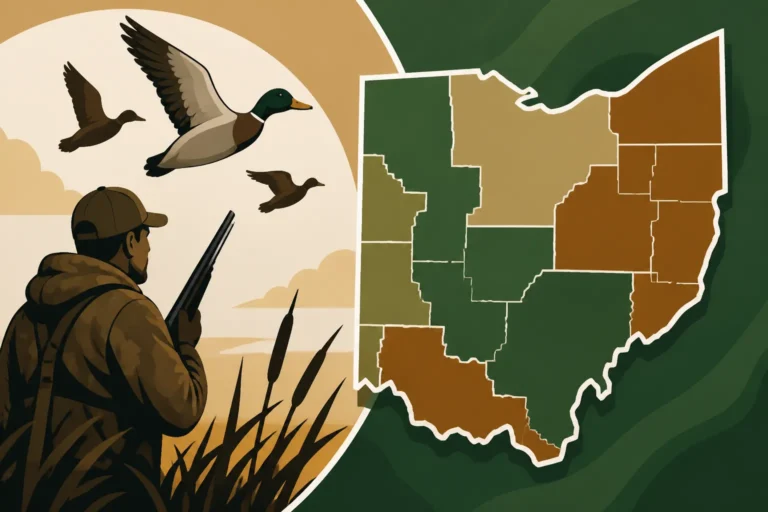
Ohio's response to CWD has led to the establishment of the Disease Surveillance Area, or DSA. This isn't just a randomly drawn line on a map; it's a specific geographic region where CWD has been detected in wild deer or where there's a high risk of its presence due to proximity to affected areas. Currently, the DSA encompasses specific counties, primarily in north-central Ohio, including Wyandot, Hardin, and Marion counties, among others. You can find more specific details on Which Counties Sit Inside the Ohio DSA on the ODNR website, but always double-check before you head out, as these boundaries can change. The DSA is critical because it dictates where these extra hunting regulations, like mandatory CWD testing and carcass movement restrictions, apply. If you're hunting outside the DSA, you typically won't be subject to these mandatory testing rules, but it’s always smart to verify. Understanding the boundaries of the DSA is as important as knowing your hunting season dates, especially if you're planning on hunting the Ohio Statewide Gun Deer Season this year.
Navigating Mandatory Testing on Statewide Gun Opening Weekend
That first weekend of gun season is pure chaos, in the best possible way. There's so much excitement, and the last thing anyone wants is to feel confused or overwhelmed by new rules. But with a little preparation, you can make sure that mandatory CWD testing is just another part of a successful hunt.
Specifics of the Statewide Gun Opener Mandate
So, you've tagged a deer in the DSA during the statewide gun opening weekend. What now? The core rule is this: any deer harvested within the DSA during the designated mandatory testing window for the statewide gun opener must be submitted for CWD testing. There's no getting around it, and it applies to both antlered and antlerless deer. This isn't just a suggestion; it's a legal requirement. This intensive collection of samples during one of the busiest hunting periods provides the ODNR with a crucial baseline of data. It allows them to quickly assess CWD prevalence, especially since the first confirmed case in a wild Ohio deer came from Wyandot County. Understanding Why Wyandot County Drives Ohio's CWD Numbers really highlights the importance of this focused effort.
The testing window for the statewide gun opener typically covers the first two days of the season. For instance, if the season opens on a Monday, mandatory testing would be required for all deer harvested on that Monday and Tuesday within the DSA. Always consult the most current Ohio Hunting and Trapping Regulations for the precise dates, as they are subject to change year to year. Make sure you're aware of these dates, perhaps by checking the GoHunt app on your phone, before you even head to the woods.
Step-by-Step Guide to Deer Submission
Once you've made your harvest within the DSA during the mandatory testing period, there's a clear process to follow for submission:
- Check Your Deer: First and foremost, you still need to check your deer through the Ohio Game Check system, just like any other deer harvest. This can be done online, via phone, or through the GoHunt app. Note your confirmation number; you'll need it. You can find detailed instructions on Registering a Deer Through Ohio's Check-In System.
- Locate a Sampling Station: Your next step is to get your deer to an official CWD sampling station. These are often located at wildlife area offices, designated kiosks, or specific businesses within or near the DSA counties. The ODNR publishes a list of Ohio CWD Sampling Station Locations well in advance of the season. I always recommend checking these locations and their operating hours before your hunt. Some might be staffed, while others are self-serve kiosks where you deposit the deer head and provide your information.
- Prepare the Deer for Submission: For testing, generally, only the head of the deer is required. Remove the head from the carcass, making sure to leave at least 4-6 inches of neck attached. This gives the technicians enough tissue for proper sampling. Many hunters will debone their deer in the field to make transport easier, especially if they're a long way from home.
- Submit the Head: At the sampling station, you'll need to fill out a form that includes your hunter information, the deer’s game check confirmation number, and the precise location of the harvest. If it's a staffed station, personnel will assist you. If it's a self-serve kiosk, follow the instructions carefully for depositing the head and filling out the necessary paperwork. This is where your game check confirmation number becomes really important, as it links your specific harvest to the CWD test. You can find more information on Submitting a Deer Head at a Sampling Kiosk if you need a visual guide or more detailed steps.
Remember, the purpose here is surveillance, not condemnation. Even if a deer tests positive for CWD, the ODNR generally doesn't seize the carcass, but they will provide guidance on safe handling and consumption.
What to Expect at a Sampling Station
Visiting a CWD sampling station, especially on a busy gun opener, can be an experience in itself. If it's a staffed station, expect a line, but also expect friendly faces from the ODNR, local wildlife officials, or volunteers. They're there to help and educate, not to make your life harder. They'll likely confirm your harvest details, take your deer's head, and collect the tissue samples needed for testing. This process is usually quick and efficient.
At a self-serve kiosk, you'll find clear instructions. These typically involve a designated bin or freezer for depositing the deer head, along with a secure box for your completed information tag. The key here is to be meticulous with your details, especially your game check number and contact information, so the ODNR can reach you with results if needed.
Waiting for results can feel like forever, but patience is key. The lab processes a high volume of samples after the gun season. Generally, you can expect results within a few weeks, sometimes longer depending on the volume. The ODNR will typically notify you directly if your deer tests positive. If you don't hear anything, it usually means your deer tested negative.
Carcass Movement Restrictions and Safe Handling
These restrictions aren't about making your life harder; they're about containing the potential spread of CWD. The disease is primarily spread through prions in bodily fluids and nervous tissue. Moving an entire deer carcass out of an infected area significantly increases the risk of spreading those prions to new areas.
Rules for Transporting Deer Out of the DSA
This is perhaps one of the most critical aspects of hunting in a CWD-affected area. If you harvest a deer within the DSA during the mandatory testing period, and you intend to take any part of that deer outside the DSA boundaries, there are strict rules you must follow. The general rule of thumb is that only boned-out meat, capes (without the skull or brain matter), antlers (cleaned of any tissue), or taxidermied mounts are allowed to leave the DSA without special permits or prior testing.
What this means for most hunters is:
- No Whole Carcasses: You cannot transport a whole deer carcass out of the DSA.
- Field Dressing: You should field dress your deer as usual, leaving the guts where the deer was harvested (if on private land with permission) or disposing of them properly in a landfill.
- Boned-Out Meat: This is the safest and most compliant way to move your deer. Debone the meat in the field or at a processing facility within the DSA.
- Head for Taxidermy: If you plan to have your deer mounted, the skull plate with antlers (cleaned of brain tissue) and the cape are usually permissible after the head has been submitted for mandatory CWD testing. Some taxidermists located within the DSA are set up to handle this directly with the ODNR.
These rules are designed to prevent the movement of brain, spinal cord, and other lymphatic tissues, which are known to harbor CWD prions. It's about being a responsible hunter and protecting the wider deer population. The ODNR provides detailed information on Ohio Carcass Movement Restrictions, and it's essential to review this before your hunt. If you use a processor, make sure they are aware of and compliant with these DSA rules.
Best Practices for Handling and Processing Deer
Beyond the legal requirements, there are some best practices for handling any deer, especially one from a CWD area. While there's no scientific evidence of CWD transmitting to humans, health agencies like the CDC recommend caution.
Here are some tips:
- Wear Gloves: Always wear rubber or latex gloves when field dressing or processing deer. This is good practice for any harvest, regardless of CWD status.
- Minimize Contact with Nervous Tissue: Avoid handling the brain, spinal cord, spleen, and lymph nodes. These are the tissues most likely to contain CWD prions.
- Proper Disposal: Dispose of the head, spine, and other nervous system tissues in a landfill. Do not leave them in the woods or dispose of them in household trash where other animals might access them.
- Clean Tools Thoroughly: After processing, thoroughly clean all knives, saws, and other equipment with a bleach solution (e.g., 50/50 bleach and water) and hot soapy water.
- Consider Professional Processing: Many hunters within or near the DSA choose to use a professional deer processor. These facilities are often well-versed in CWD regulations and have proper disposal methods.
- Testing Results and Consumption: If your deer tests positive for CWD, the ODNR will contact you and provide guidance. The current recommendation from health organizations is to avoid consuming meat from a CWD-positive animal. For more comprehensive information, consult Handling Venison From a DSA County Safely.
It's a lot to consider, but taking these precautions ensures you're doing your part for wildlife management and personal safety.
Preparing for the Hunt and Staying Informed
Knowledge is power, especially when you're dealing with evolving wildlife regulations. Being prepared means more than just packing your hunting gear; it means being informed and ready for whatever the season throws at you.
Essential Gear and Planning Tips
Planning a hunt in the DSA during the statewide gun opener requires a bit more thought than usual. Here's a table summarizing some key considerations:
| Aspect | Traditional Hunt Preparation | DSA Gun Opener Preparation (with CWD Mandate) |
|---|---|---|
| Licenses/Permits | Valid Ohio hunting license and deer permits | Valid Ohio hunting license and deer permits (check for special DSA permits) |
| Firearms | Ohio Legal Firearms for Deer Hunting (straight-wall, shotgun) | Same, but consider ease of field processing/transport for straight-wall rifle |
| Maps/Scouting | Scouting Ohio Public Land Before Season, topographical maps | Add focus on DSA boundaries, map CWD sampling station locations and routes |
| Carcass Transport | Deer drag, cart, vehicle | Deer drag, cart, vehicle, plus large coolers/game bags for boned-out meat |
| Processing | Field dressing kit, knives | Field dressing kit, knives, boning knife, disposable gloves, bleach solution |
| Information Source | ODNR Hunting Regulations booklet | ODNR Hunting Regulations booklet, ODNR website CWD section, GoHunt app alerts |
| Contingency | Backup gear, emergency plan | Backup gear, emergency plan, plus plan for late-day harvest/station closures |
When you're out there, whether you're still-hunting the ridges in Shawnee State Forest or working a field edge in Northwest Ohio, having a plan for CWD testing is crucial. Consider carrying extra game bags, perhaps a small tarp, and even a compact boning kit in your pack if you anticipate harvesting a deer far from a road and needing to debone it for transport within or out of the DSA. The GoHunt app, a robust hunting and land management tool, can be invaluable for finding property lines, mapping out routes, and checking regulations on the go. While it won't directly perform your CWD test, it can certainly help you plan and navigate the DSA more effectively.
Resources for Up-to-Date Information
The rules and boundaries for CWD management can and do change based on new scientific understanding and disease spread. That's why it's incredibly important to stay informed.
Here are your go-to resources:
- Ohio Department of Natural Resources (ODNR) Website: This is your primary source for official regulations, CWD updates, DSA maps, and lists of sampling stations. Bookmark the CWD section of their website.
- Ohio Hunting and Trapping Regulations: Every year, a new booklet is released. Make sure you have the most current version, either physically or digitally. Pay close attention to the sections on deer hunting and CWD.
- ODNR Wildlife Division Social Media/News Releases: Follow the ODNR on social media or subscribe to their news releases. They often disseminate urgent updates or changes this way.
- GoHunt App: Keep the GoHunt app updated on your phone. It's designed to provide real-time information, including, at times, alerts regarding specific hunting regulations or CWD updates. It's a handy tool for ensuring you have the latest information at your fingertips, even when you're deep in the woods.
- Local Wildlife Officers: Don't hesitate to reach out to your local Ohio Wildlife Officer if you have specific questions or need clarification. They are a fantastic resource and are there to help hunters understand and comply with regulations.
Being an informed hunter means you're a responsible hunter. By understanding and complying with mandatory CWD testing and carcass movement restrictions, you're playing a vital role in protecting Ohio's deer herd and the future of our hunting traditions.
Disclaimer
The information provided in this guide is for general informational purposes only and is subject to change. Always consult the most current Ohio Hunting and Trapping Regulations and the Ohio Department of Natural Resources (ODNR) website for official rules, dates, and CWD zone boundaries before engaging in any hunting activities. Laws and regulations can be updated frequently, and it is the hunter's responsibility to ensure full compliance.