Deer Drives With Three or Four Hunters
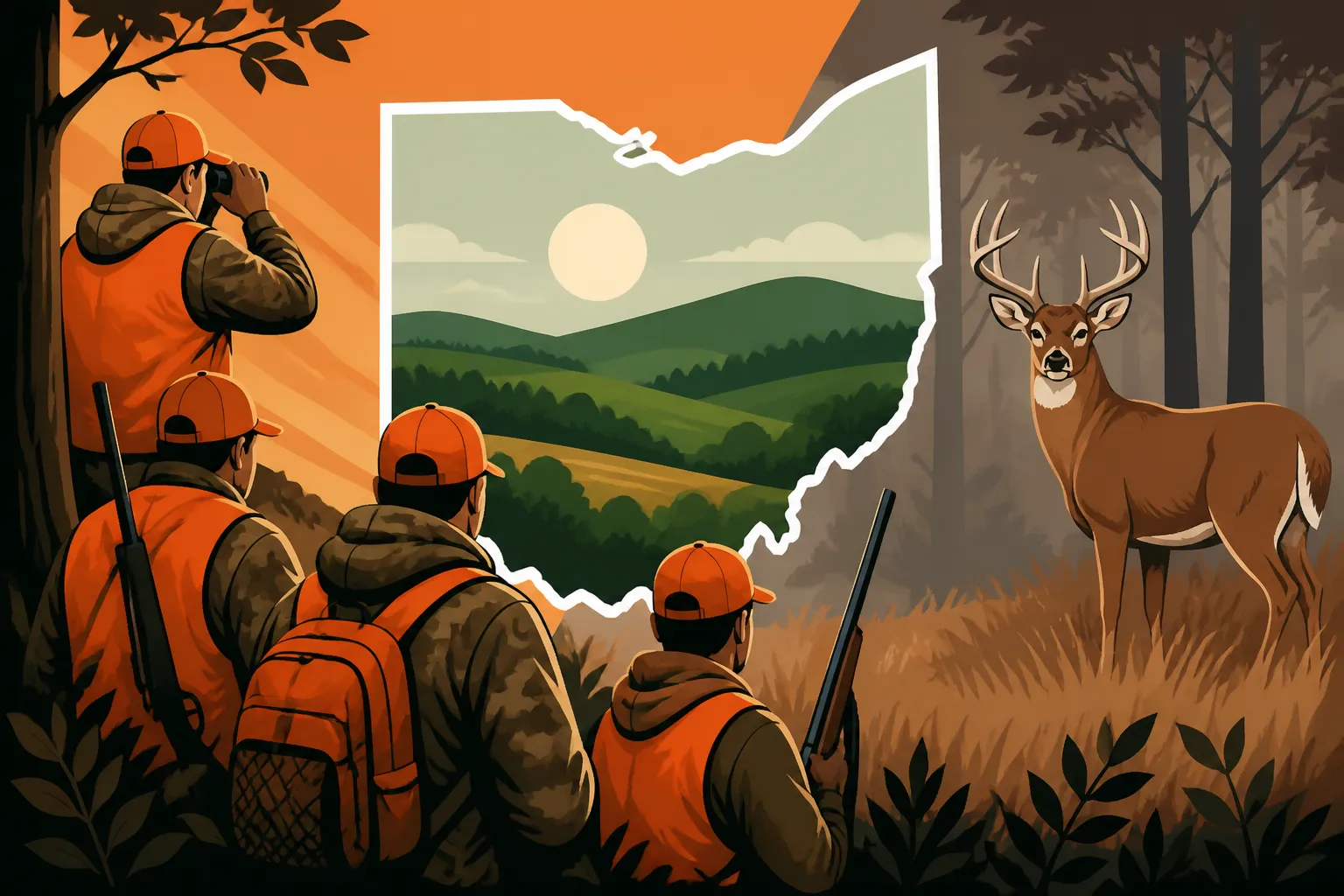
There’s nothing quite like the excitement of deer season in Ohio, but sometimes, getting deer to move on smaller parcels or public land can feel like trying to herd cats. When you only have a few buddies available, the idea of a deer drive might seem daunting or even impossible. This guide is all about how to effectively organize and execute successful deer drives with just three or four hunters, focusing on maximizing your chances and doing it safely in Ohio's diverse hunting landscapes.
Understanding the Dynamics of a Small-Group Deer Drive
Trying to push deer in big woods with only a few people can feel like a fool's errand. You're trying to cover too much ground with too little manpower, and the deer just ghost around you. But for those smaller, overlooked woodlots, dense thickets, or even a tight corner of a larger public parcel, a well-planned drive with three or four hunters can be incredibly effective. It's not about overwhelming the deer; it's about making them uncomfortable enough to move, hopefully past a well-positioned stander. The frustration often comes from thinking you need a small army, but with the right strategy, a tight-knit group can achieve a lot. The goal isn't always a full-out stampede, but rather a controlled push that gets deer on their feet and moving predictably.
When Small Drives Shine in Ohio
Ohio's landscape is a real mix, from the steep, rugged terrain of the Appalachian foothills down in Wayne National Forest to the flat, agricultural fields dotted with small woodlots in places like Wyandot County. This variety actually makes small-group drives really adaptable.
- Small Woodlots and Brushy Pockets: These are prime candidates. Think about those two-to-ten-acre woodlots surrounded by crop fields. Deer bed down in them during the day, feeling safe. A small drive can effectively cover these areas, pushing deer out into the open or along fencerows.
- Public Land Pressure Relief: On heavily hunted public lands, deer quickly learn to avoid main trails and roads. They'll often tuck into the nastiest, thickest cover they can find. A small, quiet drive can often sneak into these overlooked sanctuaries and move deer that have evaded larger groups. If you're looking for ways to avoid the crowds, learning how to effectively execute deer drives on Ohio public land can really pay off.
- Late Season Strategy: As the season wears on, deer become incredibly wary. They're often holed up in thick thermal cover or the last remaining standing crops. A small drive can apply just enough pressure to make them relocate, especially during the Ohio muzzleloader season tactics in January cold, when deer are focused on late-season food sources for Ohio whitetails. The key is often surprising them rather than pushing them for miles.
Setting Realistic Expectations for Your Hunt
It’s easy to get caught up in the fantasy of deer pouring out of cover like water from a broken dam. But with a small group, especially when you're hunting deer after a January thaw, realism is your best friend. Your aim isn't to harvest multiple deer every time. It's often to get one good shot opportunity, or simply to learn how deer are using a particular piece of cover. Sometimes, just seeing which way deer escape can give you invaluable scouting information for future hunts. Don't measure success purely by tags filled. Measure it by how well your team worked together, how you adapted, and the knowledge you gained. A successful small drive means you moved deer and everyone stayed safe.
Assigning Roles and Positioning for Success
With only three or four hunters, every person's role is critical. There's no room for freelancing or guesswork. Clear communication, understanding the terrain, and knowing potential escape routes are paramount. Utilizing tools like the GoHunt app for scouting aerial photos and property lines can make a huge difference in planning your attack.
The Drivers: Strategic Movement and Noise Control
Even with a small group, you'll typically have one or two drivers. Their job isn't to run through the woods screaming, but to move deliberately and create just enough pressure to make deer walk.
- Pacing and Noise: Drivers should maintain a steady, slow pace, walking shoulder-to-shoulder if possible, or staggered to cover wider ground. The noise level should be consistent but not overly aggressive. Talking at a conversational volume, snapping twigs, and occasionally rattling a stick against a tree trunk is usually enough. The key is to make deer feel like something is steadily encroaching, not being chased. Think of it as nudging, not shoving.
- Direction and Terrain: Drivers need to move perpendicular to the expected escape route of the deer, pushing them towards the standers. This requires a good understanding of the land. Are there thickets, creek bottoms, or elevation changes? Use these natural barriers or funnels to your advantage. For example, if you're working a creek bottom for late-season deer, the drivers might walk along one bank, pushing deer up to the standers positioned on the benches above.
The Blockers/Standers: Patience and Predatory Placement
The blockers, or standers, are where the shot opportunities usually come from. Their job is to be still, quiet, and ready, anticipating where deer will try to slip out.
- Identifying Escape Routes: Before the drive begins, using a mapping tool like GoHunt to analyze aerial photos is crucial. Look for natural funnels between two woodlots, creek crossings, saddles on ridges, or thick fencerows that connect parcels. These are the deer's preferred travel corridors when pressured. Even a slight dip in a ridge can become a major travel path, so really zoom in on that map. If you're setting up on a northwest Ohio field edge, consider where deer would naturally exit a woodlot to reach another piece of cover or a standing soybean field.
- Wind and Scent Management: Always position standers downwind or crosswind of the expected escape route. Deer will invariably try to circle downwind to scent-check what's pushing them. If a stander is positioned upwind, their scent will spook deer long before they get into shooting range. Even with a small group, wind and thermals on an Appalachian ridge are critical to consider.
- Concealment and Readiness: Standers need to be completely concealed, either in a ground blind brushed in a blind on a field edge or a well-placed treestand. Being completely motionless and silent is paramount. Have your firearm or bow ready, safely pointed in a safe direction, with your finger off the trigger until you're ready to shoot. This isn't a time for fidgeting.
Here’s a quick overview of how roles might break down:
| Role | Number of Hunters | Primary Responsibility | Key Tactics |
|---|---|---|---|
| Drivers | 1-2 | Move deer out of cover towards standers. | Walk slowly, consistently, and somewhat noisily (snapping twigs, soft conversation). Follow a planned path, utilizing natural terrain features to funnel deer. Maintain communication. |
| Standers | 2-3 | Intercept deer attempting to escape the drive. | Remain completely motionless and silent. Position downwind of likely escape routes (funnels, thick cover edges, fencerows). Be ready for quick, ethical shots. Stay concealed. |
| Flanker (Optional) | 1 (if 4 hunters) | Prevent deer from circling back or blowing out early. | Positions quietly on a side flank, slightly ahead of drivers but behind standers, to catch deer trying to cut back into the drive. Acts as an extra set of eyes and a deterrent. |
Executing the Drive Safely and Effectively
Once roles are assigned and positions are set, the real work begins. Safety is always the absolute priority, especially with moving game and multiple hunters. You're working as a team, and every member needs to be aware of their surroundings and the locations of others.
Communication is Key, Even When Quiet
With a small group, communication needs to be crisp and clear without alerting deer. This is where pre-drive planning and quiet methods truly shine.
- Pre-Drive Briefing: Before anyone moves, gather in a central location. Go over the entire plan: who is driving, who is standing, exact start and stop points, and any known hazards. Designate a "drive leader" who will make final calls. Discuss specific shooting lanes and safe zones of fire for each stander. This is also the time to reinforce blaze orange requirements in Ohio and confirm everyone has their gear in order.
- Two-Way Radios: This is almost a necessity for small drives. Compact, two-way radios allow quiet communication between drivers and standers. Use pre-arranged codes or short phrases to indicate deer movement, the location of a deer, or if someone needs to stop. Avoid constant chatter. For example, a driver might say "Movement ahead, left flank" or "Buck crossing, stander three, watch out." This allows you to coordinate and react to deer activity.
- Visual Signals: For shorter drives where radios might be overkill, agree on simple hand signals or specific whistle blasts. One whistle for "stop," two for "keep going," etc. Ensure everyone understands them.
Maintaining Safe Shooting Lanes
This cannot be stressed enough: know your target and what's beyond it. With hunters positioned in different areas, crossfire is a serious concern.
- Designated Zones of Fire: Each stander needs to know their specific zone of fire, typically a 90-degree arc directly in front of them. Never swing outside that zone. If a deer runs between two standers, the rule should always be that the hunter with the safest, clearest shot within their zone takes it. When hunting the Ohio youth gun weekend, these safety lessons are drilled into young hunters for a reason – they apply to everyone.
- Elevated Positions: If possible, standers in treestands can increase safety by shooting down at deer, providing a natural backstop. If hunting with a ground blind on Ohio public land, ensure your backdrop is clear and safe.
- Driver Awareness: Drivers should walk with their firearms unloaded or pointed safely, knowing that standers are ahead. They are pushing, not shooting. If a deer tries to double back, a driver might make more noise to keep it moving, but rarely takes a shot.
Adapting to Deer Movement and Terrain
Deer are smart, and they rarely follow the script perfectly. A successful small drive means being able to adapt.
- Circumventing the Drive: Deer, especially older bucks, will often try to circle back through the drivers or sneak out the sides. This is where a designated "flanker" can be invaluable, positioning themselves slightly ahead of the drivers but to the side, to cut off these escape artists. If you notice deer trying to break out early, the driver closest can increase their noise slightly to nudge them back into the main push without running them.
- Obstacles and Cover: If the drive path encounters an unexpected patch of dense briars or a deep ditch, drivers need to communicate and adjust. Don’t force a dangerous situation. It's better to bypass an impenetrable area and regroup than to risk an injury or a lost deer. This kind of flexibility is crucial for success, especially when navigating finding ground others walk past on public land.
- The "Slow-Push" Advantage: A slower, more deliberate push often yields better results with small groups. Deer are less likely to burst out blindly and more likely to follow established trails or funnels if they don't feel immediately threatened. This gives standers more time to assess the situation and take a good shot. When hunting the Ohio rut in early November, this patience can pay off with a rutting buck focused on does rather than immediate escape.
Post-Drive Procedures and Ethical Considerations
The hunt doesn't end when the shot is fired. Ethical hunting practices and efficient post-drive procedures are just as important as the drive itself.
Tracking and Recovery
If a shot is taken, the immediate priority is safe and ethical recovery.
- Mark the Spot: The hunter who shot needs to mark the exact spot the deer was standing when shot, and the last place they saw the deer. This is crucial for successful blood trailing after dark in Ohio or even in daylight.
- Initial Wait: If the shot wasn't immediately fatal, wait at least 30 minutes to an hour (or longer for gut shots) before starting the track. This gives the deer time to lie down and stiffen up.
- Team Effort: Even if only one person shot, the entire group should assist in tracking, using their combined experience to find blood trails, tracks, and broken vegetation. If you’re tracking a deer in fresh Ohio snow, it can be a lot easier with multiple eyes on the ground.
- Communication Post-Shot: Use radios to inform drivers and other standers if a shot was taken and if tracking is underway. This ensures everyone knows where everyone else is and can assist if needed.
Checking and Processing Your Harvest
Once the deer is recovered, proper handling is essential for quality venison.
- Field Dressing: Field dress the deer quickly to cool the meat, especially during warmer periods of the season. Knowing how to field dress a deer in cold weather is also important to prevent unnecessary thawing and freezing.
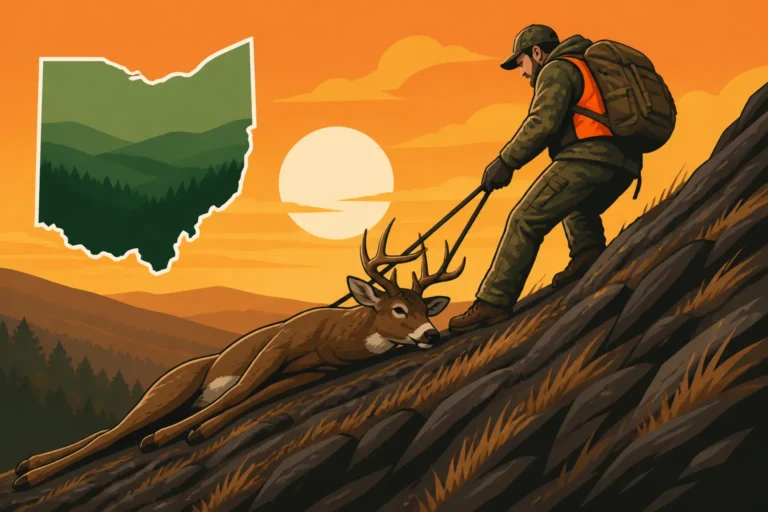
- Transportation: Plan how you'll get the deer out of the woods. For a small group, a deer sled or a deer cart can be invaluable, especially if you’re dragging a deer off a steep ridge in the Appalachian foothills.
- Ohio Deer Checking: Remember to check your deer online through Ohio's check-in system. This is a crucial step for data collection and legal compliance, and it needs to be done within specific timeframes. Handling venison from a DSA county safely might also require specific adherence to carcass movement restrictions.
Refining Your Small-Group Drive Tactics
Like any hunting method, small-group deer drives improve with practice and experience. Each drive offers new insights into how deer react to pressure in different terrains and conditions.
Scouting Between Drives
The work doesn't stop when the season ends. Use the off-season to scout new areas or revisit old ones, looking for bedding areas, travel corridors, and potential stand locations. The Scouting Ohio Public Land Before Season guide can give you a head start. Identifying where shawnee state forest bucks bed, or understanding entry routes through standing corn can significantly improve your drive planning. Pay attention to how timber cuts and where deer move after, as well as clear-cut regrowth edges, change the landscape and deer patterns.
Review and Adapt
After each drive, take a few minutes to discuss what worked and what didn't.
- What did the deer do? Did they go where you expected? Did they double back?
- Were the standers in the right spots? Should someone have been further left, or higher up?
- Was the driving pressure effective? Too fast, too slow, too noisy, too quiet?
This critical self-assessment is how you build a repertoire of successful tactics. Maybe you learn that rattling volume in thick cover is more effective than yelling, or that grunt calls in mature Ohio timber are great for getting a buck to pause. Every drive, whether successful or not in terms of harvest, is a learning opportunity.
In Ohio, deer drives with three or four hunters aren't just possible, they can be highly effective when executed with careful planning, clear communication, and a strong emphasis on safety. So grab a few reliable hunting partners, plan your next move, and get out there to experience a different kind of deer hunting excitement!
Disclaimer
The information provided in this article is for educational and informational purposes only and should not be considered legal advice. Always consult the most current Ohio Department of Natural Resources (ODNR) hunting regulations and local laws before engaging in any hunting activities. Hunting involves inherent risks, and safety should always be your top priority.