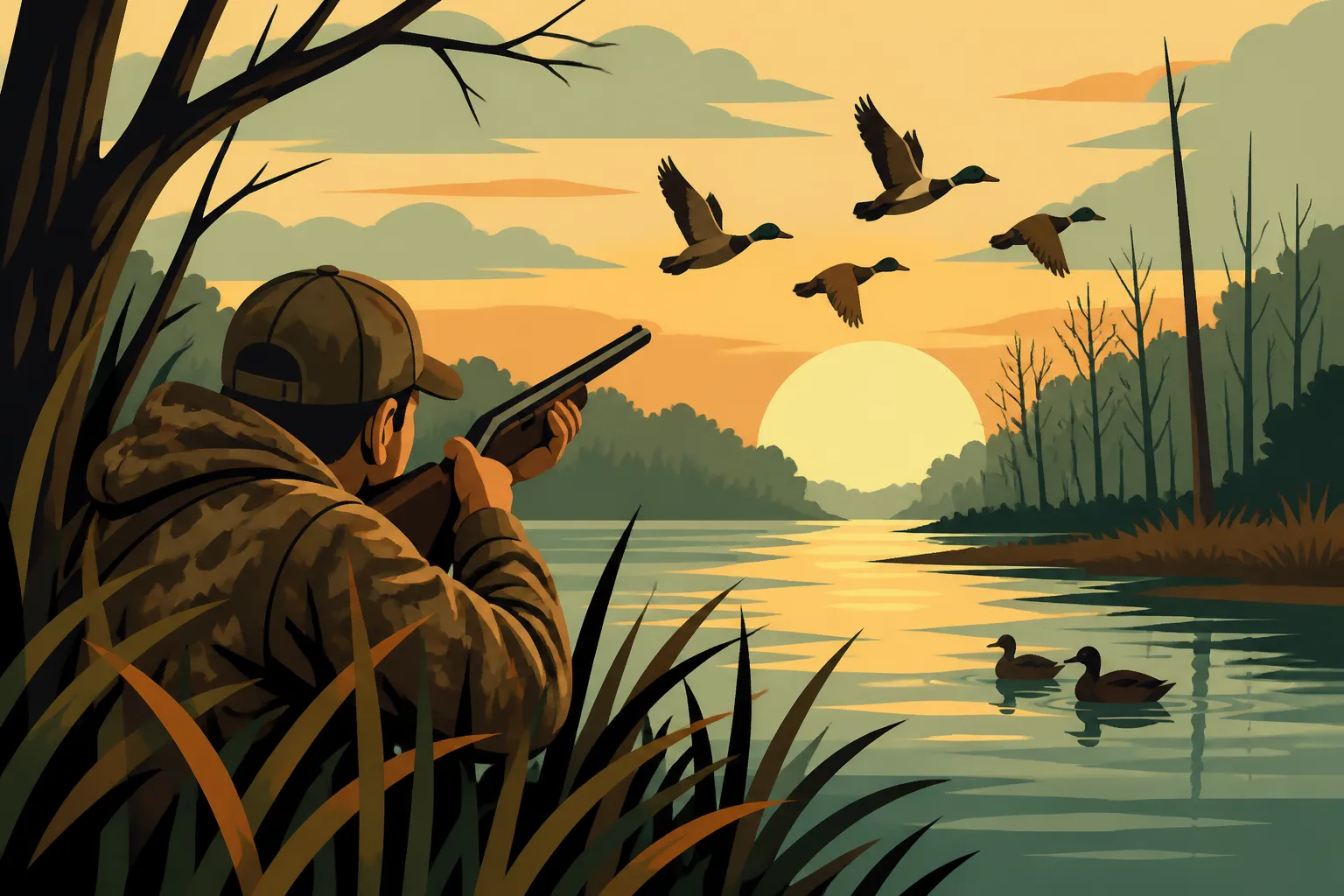
Hunting the Ohio River Backwaters
Hunting the backwaters of the Ohio River presents a truly unique challenge, a beautiful but often frustrating blend of wetland, timber, and shifting currents that can intimidate even seasoned hunters. Many folks get overwhelmed trying to understand the dynamic environment, the specific regulations that apply, and what gear is truly essential. This guide is here to demystify the rich opportunities these riverine habitats offer, from chasing waterfowl to tracking elusive whitetails, helping you prepare for a successful and safe adventure.
Understanding the Unique Challenges of River Backwaters
The Ohio River isn't just a big river; it's a complex ecosystem, and its backwaters are a world unto themselves. These areas are far from static, constantly changing with the whims of rainfall, dam operations, and the relentless flow of the main channel. What looks like a prime hunting spot one week might be an impassable swamp or a dry mudflat the next. This unpredictability is perhaps the biggest hurdle for hunters looking to explore these areas.
Dynamic Environment: Water Levels and Flooding
One day, you might be walking through knee-deep water, setting up decoys in a quiet slough. The next, a heavy rain upstream or a change in dam discharge can swell the river, turning your peaceful backwater into a raging torrent or an expansive lake. Conversely, a drop in water levels can expose vast mudflats, strand your boat, or reduce prime duck habitat to a mere puddle. This constant flux means that a single scouting trip is rarely enough. You need to be aware of weather patterns both locally and upriver, and understand how the various dams along the Ohio River, managed by the U.S. Army Corps of Engineers, can impact water levels. This dynamic nature means that flexibility in your hunting approach is paramount; fixed blinds or long-term strategies often fail unless you have multiple contingencies. Always check river gauges and forecasts before heading out, using resources like the National Weather Service's Advanced Hydrologic Prediction Service for river forecasts.
Vegetation and Habitat Diversity
The beauty of the Ohio River backwaters lies in their incredible diversity of habitat. You're not just looking at open water or dense woods; you're often finding a mosaic of both. You'll encounter sprawling cattail marshes, thick stands of river birch and silver maple, submerged timber from old floods, and pockets of willow and buttonbush that create perfect cover for game. This variety can be a blessing and a curse. While it holds a wide range of species, it also means you need a versatile approach to hunting. For waterfowl, understanding how to read a marsh for a morning flight is crucial, recognizing where dabbling ducks might feed in shallower areas versus where divers might prefer deeper, open water. For deer, these areas can be incredible travel corridors, especially during high water when higher ground becomes a sanctuary or funnel. This diverse vegetation also presents navigational challenges, with submerged logs and thick vegetation that can make boat travel difficult or even dangerous.
Pressure from Other Hunters and Boaters
Let's be real: you're rarely going to have these prime hunting grounds all to yourself, especially on public access points. The Ohio River is a major waterway for commercial barges, recreational boaters, and, yes, other hunters. On a busy weekend, you might find duck hunters vying for the same slough, deer hunters navigating the same river island, or even fishermen casting lines in your chosen spot. This pressure can make game wary and force you to get creative with your tactics, often pushing you deeper into less accessible areas. Knowing how to find ground others walk past can be the key to success. You'll need to be aware of shared public land rules, demonstrate common courtesy, and sometimes be willing to go the extra mile – literally and figuratively – to find quieter spots. Apps like GoHunt can be incredibly useful here, helping you identify public access points and visualize potential hunting pressure. Remember, everyone's out there to enjoy the outdoors, so a respectful attitude goes a long way.
Key Species Found in Ohio River Backwaters
The rich, varied environment of the Ohio River backwaters acts as a magnet for a wide array of wildlife, offering fantastic opportunities for hunters targeting different species throughout the seasons. From migratory birds to resident deer, these areas are bustling with life.
Waterfowl: Ducks and Geese
Without a doubt, waterfowl are one of the biggest draws to the Ohio River backwaters. Sitting squarely on the Mississippi Flyway, these areas serve as crucial resting, feeding, and breeding grounds for countless ducks and geese. You'll find a healthy mix of dabblers like mallards, wood ducks, and pintails, which often prefer the shallower, vegetated sloughs and flooded timber. Wood ducks, in particular, are iconic residents, often seen zipping through the trees. Divers such as canvasbacks, scaup, and buffleheads will utilize deeper, more open sections, especially as you get closer to the main river channel or larger backwater lakes. Canada geese are also abundant, often feeding in agricultural fields nearby and using the backwaters for roosting.
Successful waterfowl hunting here often means being able to adapt to what the birds are doing and what the water levels allow. A good understanding of Ohio's new waterfowl zone map is essential, as season dates and bag limits can vary slightly. You'll need to know your Ohio duck and goose bag limits before you head out, as these are strictly enforced. The sheer volume of birds during peak migration, especially from October through December, can be incredible, but they also get pressured quickly, so innovative decoy spreads for Lake Erie divers or smaller, more natural spreads for dabblers in the timber are often key.
Whitetail Deer: River Corridor Movement
While many hunters focus on the deer within Ohio's traditional hardwood forests or farmlands, the Ohio River backwaters and associated islands create unique patterns of movement for whitetail deer. The river itself acts as a natural corridor and, at times, a barrier, concentrating deer movement on elevated ground, along riparian zones, and on the many islands dotting the river. During periods of flooding, these islands become critical refuges, funneling deer into tight spaces where they can be vulnerable. Even during normal water levels, the thick cover, abundant food sources, and reduced human disturbance in some remote backwater sections make for excellent deer habitat.
Hunting deer here often involves a blend of still-hunting and setting up ambushes along trails that lead to and from bedding areas on higher ground. You might find yourself setting up on a northwest Ohio field edge that borders a slough or glassing a secluded island from a boat. Understanding how deer react to fluctuating water levels is paramount. When water rises, deer are forced onto smaller, drier patches, making them easier to pattern. During the rut, bucks will cruise these riverine corridors looking for does, making rattling and grunting in Ohio a viable tactic. Always remember to consider the challenges of retrieving a deer from a steep ravine or a flooded area, which can be significantly more difficult than on dry land.
Small Game and Furbearers Along the Banks
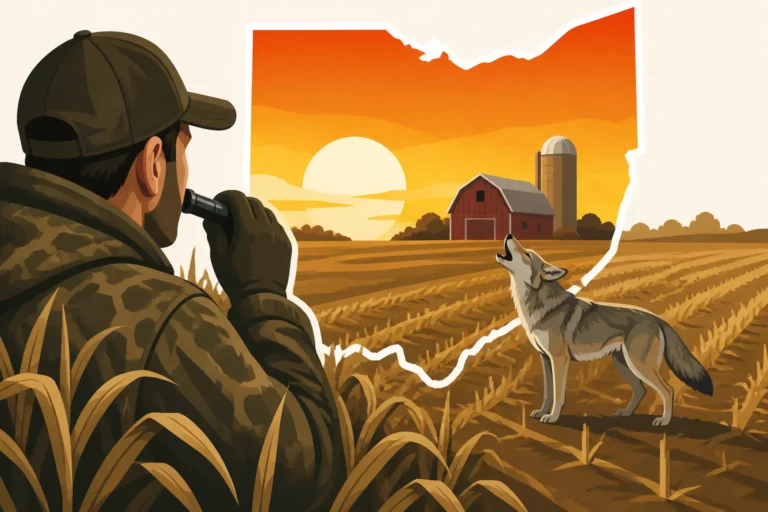
Beyond the major game, the fringes of the Ohio River backwaters are teeming with small game and furbearers. Squirrels, particularly gray and fox squirrels, thrive in the mature timber that often lines these areas, especially where oak and hickory groves provide abundant mast crops. Rabbit hunting Ohio fencerows and thickets along the higher banks can be productive, offering fast-paced action. These same dense habitats also hold a healthy population of furbearers. Raccoons are incredibly numerous, drawn by the water and abundant food sources, making coon hunting at night in Ohio a popular pursuit for those with hounds. Mink and muskrat frequent the water's edge, and even river otter recovery is doing well, though they are protected. Coyote and predator hunting in Ohio is also excellent here, as coyotes often follow game trails along the riverbanks, preying on the various small animals that live there. For hunters interested in a wider variety of quarry, these backwater areas truly offer a rich tapestry of opportunities.
Essential Gear and Preparation for Backwater Hunting
Hunting the Ohio River backwaters demands a specialized approach to gear and preparation. This isn't your typical walk-in deer hunt or static blind setup. The dynamic environment, coupled with the potential for water travel, means you need to be thoughtful about what you bring and how you prepare.
Boats and Navigation Tools
Your primary piece of gear for serious backwater hunting will often be a reliable boat. Aluminum Jon boats (14-16 feet) with a shallow-running outboard (25-40 HP) are popular choices due to their durability and ability to navigate tight, shallow areas. However, you might also consider smaller options like canoes, kayaks, or even sneak boats for accessing incredibly tight or quiet spots without disturbing game. For larger, more open backwaters that connect directly to the main river, a slightly larger boat might be appropriate, but always prioritize maneuverability and draft.
Navigation is paramount. While you might know a certain slough like the back of your hand, shifting water levels can expose new hazards or make familiar landmarks disappear. A reliable GPS unit or a robust hunting app like GoHunt on your smartphone is non-negotiable for finding your way, marking potential hunting spots, and especially for getting back to your launch point after dark. Combine this with detailed paper maps as a backup, especially in areas with spotty cell service. Always carry a compass, lights (headlamps with red light options are great for preserving night vision), and signaling devices. Knowing the Ohio River Backwater Sloughs is one thing, but knowing your way back after a successful hunt in the dark is another.
Specialized Hunting Apparel and Waders
Forget your standard upland boots for this kind of hunting. Waders are an absolute must, often extending chest-high, especially if you plan on setting decoys, retrieving birds, or navigating flooded timber. Neoprene waders offer excellent insulation for cold water, while breathable, lighter models might be preferred for warmer early seasons. Look for models with integrated boots that have good traction to handle slippery mud and submerged obstacles. When considering your hunting clothing, layering is key. Ohio weather can be notoriously unpredictable, swinging from mild to freezing in a single day. A good waterproof outer shell is vital to protect against rain, sleet, and spray from your boat. For cold-weather sitting strategy in Ohio, wool or synthetic base layers and mid-layers will keep you warm even if they get damp. Don't forget waterproof gloves and a warm hat, as much of your body heat can be lost from your extremities. Blaze orange requirements in Ohio must also be considered, especially if deer hunting, so ensure your outer layers meet the visibility standards.
Scouting Tools and Strategies
Scouting for backwater hunting is an ongoing process, not a one-time event. Start with digital tools. Aerial photos for southeast Ohio deer can reveal hidden channels, islands, and bedding areas. Satellite imagery can show you how vegetation changes with water levels over time. Use mapping apps to identify public access points, potential food sources (like acorn flats or standing corn bordering the water), and likely travel corridors.
Once you're on the ground (or in the water), look for fresh sign: duck droppings and feathers in feeding areas, deer tracks along muddy banks, and rub lines on trees bordering the sloughs. Pay close attention to current water levels and how they might affect game movement. Use binoculars to glass distant birds and identify roosting areas. Don't be afraid to use a boat to scout, but do so quietly to avoid disturbing game. Often, the best scouting is done a few days before your hunt, allowing you to observe undisturbed patterns. A good pair of waterproof binoculars will be invaluable here, helping you spot subtle details from a distance without getting too close. Remember, the more time you put into understanding these ever-changing environments, the higher your chances of success.
Tactics for Success in Diverse Backwater Environments
Hunting the Ohio River backwaters isn't about applying one-size-fits-all strategies. It requires a keen eye, adaptability, and an understanding of how different species utilize these unique, dynamic habitats.
Decoying and Calling Waterfowl
Waterfowl hunting in the backwaters can be incredibly rewarding, but it demands more than just throwing out a few decoys. For dabbling ducks like mallards and woodies, focus on shallower, vegetated areas and flooded timber. A spread of 1-2 dozen decoys, often mixed with a few teal or pintails, can be effective. Consider adding motion decoys, like spinning wing models, to draw attention in areas with dense cover. Positioning your decoys to create a landing zone into the wind is crucial, as ducks prefer to land heading into the breeze. Sound is equally important. Mastering a few basic calls – a soft greeting call, a feeding chuckle, and a comeback call – can bring birds right into your spread. Be realistic with your calling; over-calling can spook wary birds, especially on pressured public land.
For diving ducks that frequent deeper, more open backwater lakes or sections closer to the main river, larger spreads are often more effective. Use diver decoys like canvasbacks and scaup, often arranged in a "J" or "V" pattern to funnel birds into shooting range. You might also want to explore layout blind hunting Ohio farm fields adjacent to these backwater areas, especially if geese are using those fields during the day and roosting on the water at night. Remember, ducks and geese get educated quickly by hunting pressure. If birds are wary, try a smaller, more realistic spread, or focus on remote areas others overlook.
Still-Hunting and Ambush Spots for Deer
For whitetails, the backwaters offer a unique blend of challenging terrain and concentrated game movement. Still-hunting, moving slowly and deliberately through the thick cover and along elevated banks, can be highly effective, especially during periods when deer are pushed onto higher ground by rising water. Focus on areas with natural funnels, such as narrow strips of dry land between two flooded sloughs, or the edges of dense willow thickets. These are prime spots for deer to travel, particularly when bucks are cruising during the rut.
Identifying ambush spots requires careful scouting. Look for pinch points where deer are forced to travel a specific path. Old logging roads or overgrown ATV trails can provide excellent travel corridors within the backwater timber. Setting up on a ridge-top saddle for rutting bucks that might be moving between different sections of the river system can be a game-changer. Portable treestands or ground blinds, carefully brushed in, can offer the necessary concealment. Given the potential for wet ground, using a ground blind on Ohio public land can provide excellent cover while keeping you dry and concealed. Pay close attention to wind and thermals on an Appalachian ridge or any elevated ground, as swirling winds near water can easily betray your position.
Jump-Shooting and Upland Opportunities
Don't overlook the dynamic opportunities for jump-shooting waterfowl or hunting small game on the banks. Jump-shooting involves quietly moving along creek bottoms, sloughs, or small ponds, surprising ducks that are resting or feeding. This is a very active form of hunting that requires quick reflexes and a keen eye. A lightweight shotgun, like those recommended for Ohio squirrel and rabbit hunting, is ideal for jump-shooting. You can even combine this with exploring the adjacent uplands for rabbits and squirrels.
As you navigate the backwaters, keep an eye out for squirrels in the mature hardwoods lining the banks. Squirrel hunting Ohio oak ridges that border these wetlands can be fantastic, as squirrels often feed on nuts that drop close to the water. Thick fencerows and brushy areas along the banks are prime rabbit habitat. Running beagles on Ohio cottontails can provide thrilling action in these environments. This multi-species approach not only increases your chances of success but also allows you to fully experience the diverse offerings of the Ohio River backwaters. Always ensure you have the appropriate licenses and stamps, including your Ohio migratory bird certification, if you're pursuing waterfowl or migratory upland birds like doves.
Navigating Regulations and Safety on the Ohio River
Hunting the Ohio River backwaters means stepping into a unique regulatory and safety landscape. The river itself forms state borders, often involving Ohio, Kentucky, and West Virginia, and its sheer size demands respect.
Ohio River Specific Regulations
The Ohio River's status as a border waterway means you need to be acutely aware of which state's regulations apply and where. Generally, if you're hunting in the water or on islands that are clearly within Ohio's jurisdiction, Ohio's laws apply. However, if you retrieve a bird that falls into Kentucky waters, you might be technically subject to their laws for retrieval, though often mutual agreements exist. It's always best practice to possess hunting licenses for both Ohio and any bordering state you might accidentally stray into, especially for waterfowl. This eliminates any ambiguity and potential legal headaches. Check your Ohio Resident Hunting License Options or Ohio Nonresident Hunting License Options to ensure you're fully covered.
Beyond state lines, specific zones and rules can apply. For instance, some areas may have restrictions on motor size, hunting hours, or even require special permits. Always consult the most recent Ohio Department of Natural Resources (ODNR) hunting regulations digest before your hunt. Pay close attention to blaze orange requirements in Ohio, which are mandatory for deer hunters during firearms seasons and highly recommended for all hunters for visibility. Understanding Ohio legal firearms for deer hunting, especially the straight-wall cartridge rules, is also crucial, as these regulations dictate what you can carry.
Water Safety and Emergency Preparedness
This is not a lake hunt; the Ohio River is a powerful, unpredictable force. Always wear a U.S. Coast Guard-approved life jacket, even if you're an experienced boater and swimmer. Cold water can quickly incapacitate you, and strong currents can sweep you away. Carry all required safety gear on your boat: visual distress signals, a whistle, a fire extinguisher, and a throw cushion. File a float plan with someone reliable, letting them know where you're going and when you expect to return. This is especially important when hunting alone or in remote sections.
The weather can change rapidly on the river, going from calm to dangerous whitecaps in minutes. Always check the marine forecast before launching. Be mindful of commercial barge traffic; they cannot stop quickly and have the right of way. Stay clear of shipping channels. When navigating the backwaters, submerged stumps, logs, and sandbars are common hazards. Always operate your boat at a safe speed, especially in unfamiliar or shallow areas. A first aid kit, dry change of clothes, and a way to start a fire (waterproof matches, lighter) should be packed in a waterproof bag. Cell service can be spotty, so two-way radios on a deer drive or for general communication between hunting partners are a good idea. Remember, safety always comes first; no animal is worth risking your life.
Identifying Property Lines and Public Access
One of the biggest frustrations when hunting the Ohio River backwaters can be distinguishing public land from private, especially given the convoluted ownership often found along river systems. Many islands and riverfront properties are privately owned, even if they appear remote or abandoned. The Ohio Department of Natural Resources (ODNR) provides online maps and resources like the Ohio HuntFish Map Tool which can help identify public hunting land in Ohio, including wildlife areas and state forests that border the river. Apps like GoHunt or onX Hunt are invaluable for overlaying property lines on satellite imagery, helping you avoid accidental trespassing.
When in doubt, assume an area is private until you can verify it's public. If you intend to hunt private land, always secure permission beforehand. Understanding Ohio trespass and permission law is critical. While some states have "implied consent" for retrieving game, Ohio generally requires explicit permission. Posting a drive around a woodlot on private land without permission can lead to serious legal trouble. Be respectful of landowners, and if you can't get permission, stick to the clearly marked public access areas. It's better to be safe than sorry and ensure your hunt is enjoyable and legal.
Conservation and the Future of Backwater Hunting
The Ohio River backwaters are a vital natural resource, and their health directly impacts the quality of hunting opportunities. Understanding the environmental pressures and ongoing conservation efforts is key to sustaining these traditions for future generations.
Impact of Development and Pollution
Sadly, the Ohio River, like many major waterways, has faced significant challenges from industrial development, agricultural runoff, and historical pollution. Sedimentation from upstream erosion can fill in valuable shallow-water habitats, altering flow patterns and reducing the diversity of aquatic vegetation that waterfowl and other species depend on. Chemical pollutants, even at low levels, can accumulate in the food chain, potentially impacting the health of game animals and the people who consume them. Overdevelopment along the riverbanks can lead to habitat loss, reducing critical nesting and breeding areas for many species. While regulations have improved, ongoing vigilance and conservation efforts are crucial. Hunters have a vested interest in clean water and healthy ecosystems, as these are the very foundations of successful hunting.
Restoration Efforts and Habitat Improvement
Fortunately, numerous organizations and government agencies are actively working to restore and protect the Ohio River's backwaters. The Ohio Department of Natural Resources (ODNR), the U.S. Army Corps of Engineers, and various non-profits like Ducks Unlimited and the Ohio River Foundation are involved in projects ranging from wetland creation and restoration to erosion control and reforestation along riparian zones. These habitat improvement efforts benefit a wide array of wildlife, creating more diverse and resilient ecosystems. For instance, efforts to restore native vegetation can provide better cover for nesting waterfowl and small game, while strategically placed structures can create fish habitat that in turn supports the entire food web. Hunters play a crucial role in these efforts, both through their direct financial contributions via license and tag purchases (which fund conservation programs) and by advocating for sound environmental policies. Becoming involved in local conservation groups or volunteering for habitat projects is a powerful way to give back to the resource that provides so much enjoyment.
Sustaining Hunting Traditions
Beyond the environmental aspects, it's vital to ensure the long-term viability of hunting itself in these unique areas. This means not only robust wildlife populations but also accessible hunting grounds and a strong community of ethical hunters. Engaging new hunters, especially youth, in responsible outdoor practices is paramount. Introducing them to the complexities and rewards of hunting the Ohio River backwaters can instill a deep appreciation for nature and conservation. Consider mentorship programs or taking a young person on their first trip to experience the thrill of hunting Lake Erie marsh zone waterfowl or jump-shooting a secluded backwater slough.
It also means being responsible stewards of the land and water. Pack out everything you pack in, and leave no trace. Follow all regulations to the letter, setting a positive example for others. Report poaching or illegal activities to the ODNR. By actively participating in conservation, adhering to ethical hunting principles, and sharing our passion responsibly, we can ensure that the Ohio River backwaters remain a wild and productive hunting ground for generations to come, continuing a rich tradition that connects us to the land and its wildlife.
| Gear Category | Essential Items | Why It's Crucial for Ohio River Backwaters |
|---|---|---|
| Watercraft | Jon Boat (14-16 ft) | Shallow draft, durable for stumps, capacity for gear and game. |
| Outboard Motor (shallow-running) | Navigates shallow water, provides power against currents. | |
| Kayak/Canoe | Stealthy access to tight spots, good for solo hunters. | |
| Navigation | GPS/Hunting App (e.g., GoHunt) | Property lines, waypoints, water depths (if available), track routes. |
| Paper Map & Compass | Backup for electronics, essential for orientation in complex terrain. | |
| Headlamp (red light option) | Hands-free lighting for pre-dawn/post-dusk, preserves night vision. | |
| Apparel & Safety | Chest Waders (neoprene/breathable) | Essential for setting decoys, retrieving game, walking flooded areas. |
| Waterproof Outer Shell | Protection from rain, spray, and cold. | |
| Layered Clothing (wool/synthetic) | Adaptability to changing weather, retains warmth when damp. | |
| Life Vest (USCG-approved) | Non-negotiable safety on water, especially cold or moving water. | |
| Dry Bag & First Aid Kit | Protects essentials, addresses minor injuries or emergencies. | |
| Hunting Specific | Decoys (dabbler/diver mix) | Attracts target waterfowl; adjust based on specific backwater conditions. |
| Waterfowl Calls | Essential for communicating with birds, drawing them into range. | |
| Treestand/Ground Blind | Concealment for deer hunting, adaptable to varying terrain. | |
| Rangefinder | Accurate distance measurements in open or dense cover. | |
| Binoculars (waterproof) | Scouting distant game without disturbing, identifying species. |
Disclaimer
The information provided in this guide is for informational purposes only and is not a substitute for official hunting regulations. Hunters are responsible for knowing and adhering to all current Ohio Department of Natural Resources (ODNR) rules, state laws, and federal regulations. Always prioritize safety and ethical hunting practices.