Clermont County Wildlife Area Access
Hunting public land in southwestern Ohio can feel like a constant battle against crowds and limited access, especially when you're trying to find a spot that offers genuine opportunity without driving for hours. Many local hunters in the Cincinnati area and surrounding Clermont County often wonder if there's any truly worthwhile public ground nearby. This comprehensive guide is designed to shed light on Clermont County Wildlife Area, giving you the detailed information you need to effectively access, scout, and successfully hunt this convenient and often productive piece of public land.
Understanding Clermont County Wildlife Area
Clermont County Wildlife Area, often abbreviated as CCWA by local hunters, is one of those public land gems that, while not massive, offers a fantastic escape and solid hunting prospects right in the busy southwestern corner of Ohio. It's not the vast, sprawling national forest you'd find down in Appalachia, but it certainly holds its own for those willing to put in the work. Understanding its character, location, and the types of habitat it provides is the first step to unlocking its potential.
Location and General Overview
Located in Clermont County, relatively close to the city of Batavia and within easy driving distance of the greater Cincinnati metropolitan area, this wildlife area is a crucial resource for local hunters. It encompasses a mosaic of different land types, reflecting its history as agricultural land now managed for wildlife. You'll find a blend of mature woodlands, brushy old fields, some reverting timberland, and even some wetland components, particularly influenced by its proximity to the East Fork of the Little Miami River drainage. This diverse landscape is specifically managed by the Ohio Department of Natural Resources (ODNR) Division of Wildlife to enhance habitat for game species, meaning food, water, and cover are often intentionally improved here. Don't go in expecting pristine wilderness; expect a working landscape designed to support robust wildlife populations. It's a place where you might hear traffic from nearby roads, but you can also feel completely immersed in the hunt just a short walk off the pavement.
Habitat Types and Terrain
The terrain at Clermont County Wildlife Area is generally rolling, characterized by gentle to moderately steep hills and numerous small drainages that feed into larger creeks and eventually the East Fork of the Little Miami. You won't find the dramatic, towering ridges of places like Shawnee State Forest, but there's enough elevation change to create interesting topographical features like saddles, benches, and draws that deer love to travel. The woodlands are predominantly mixed deciduous, with oaks, maples, and hickories providing crucial mast crops in the fall. These mature timber stands often transition into younger, thicker brush, providing excellent bedding cover for deer and escape cover for small game. Old farm fields, left fallow, are slowly reclaiming their wild nature, creating dense tangles of briars, multiflora rose, and sumac – perfect for rabbits and pheasants, and a headache for deer hunters trying to push through quietly. The variety of habitat means you'll need to adapt your hunting style, whether you're still-hunting through open timber or still-hunting through a thicket.
Hunting Opportunities and Regulations
Clermont County Wildlife Area is a multi-purpose public land, offering a range of hunting experiences for various game species throughout Ohio's seasons. While deer hunting is undoubtedly a major draw, it’s far from the only game in town. Knowing what you can hunt and the specific regulations that apply here is critical for a safe and legal outing. It’s always best to consult the current Ohio hunting regulations manual, but here's a general overview of what to expect.
Primary Game Species
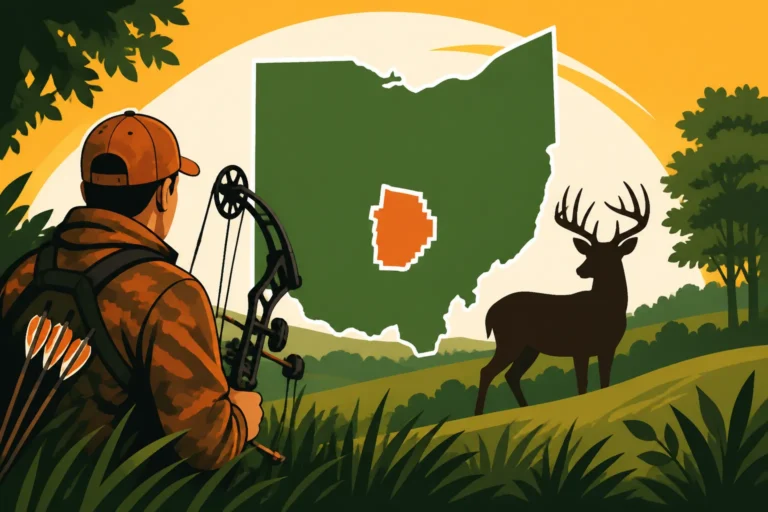
White-tailed Deer: Deer hunting is perhaps the most popular pursuit at Clermont County Wildlife Area. The diverse habitat of mixed timber, brushy fields, and creek bottoms provides excellent cover and food sources for White-Tailed Deer Across Ohio. Hunters can pursue deer during the extensive archery season, which includes the critical rut periods, and also during the two-weekend gun season and the late muzzleloader season. Archery hunters often find success setting up treestands or ground blinds along pinch points, transition areas between cover and food, or near creek crossings. During the gun seasons, deer drives can be effective in some of the larger blocks of timber, though individual still-hunting or stand hunting is also very common. Don't underestimate the deer numbers here; despite the proximity to populated areas, deer thrive in these types of fragmented landscapes.
Wild Turkeys: Spring turkey hunting can be quite good at Clermont County Wildlife Area. The mixture of mature hardwoods for roosting and open fields for strutting provides ideal turkey habitat. If you're looking to chase some gobblers, this area can certainly deliver. Fall turkey hunting is also permitted here, usually with shotguns only, which involves different tactics like breaking up flocks and calling them back in. For more general information on Wild Turkeys in Ohio and their habits, there are plenty of resources available.
Small Game: Clermont County Wildlife Area is a prime spot for Ohio Small Game and Upland Bird Seasons. Squirrel hunting in the oak and hickory groves is popular, especially early in the season before the leaves fully drop. Rabbit hunting in the dense fencerows and briar thickets can be fantastic, particularly after a fresh snow. While not typically a pheasant stronghold, occasional pheasants might be encountered, especially if the area has received supplementary stocking. Hunters with beagles for rabbits or squirrel dogs for squirrels will find plenty of ground to cover.
Special Considerations and Area-Specific Rules
Like all Ohio Wildlife Areas, Clermont County has specific regulations beyond the statewide hunting laws. These are generally related to safety and wildlife management within the area itself.
- Blaze Orange Requirements: During specific gun seasons (deer, some small game periods), blaze orange or blaze pink requirements are strictly enforced. Always check the current regulations for the specific dates and minimum square inches required. This is paramount for hunter safety, especially when multiple hunters are in the woods.
- Legal Firearms: Ohio has specific rules regarding Ohio Legal Firearms for Deer Hunting. For gun seasons, this typically includes shotguns firing slugs and rifles chambered in straight-wall cartridges. The rise of Ohio Straight-Wall Cartridge Rules has certainly changed deer hunting, allowing for more precise shooting than traditional shotguns. Always ensure your firearm and ammunition comply with state regulations. Muzzleloaders have their own season and rules as well.
- Tree Stands and Ground Blinds: While permitted, there are usually specific rules about leaving stands or blinds unattended on public land, and limitations on how they can be attached to trees (e.g., no damage to trees). Always remove all equipment at the end of the season or daily hunt if required. Ground Blind Rules on Ohio Wildlife Areas and Treestand Rules on Ohio Public Land are important to review.
- ATVs and Vehicles: Generally, motorized vehicles, including ATVs, are restricted to designated parking areas and established roads. Do not expect to drive an ATV into the hunting area. This is a walk-in experience for the most part, preserving the tranquility and challenge of the hunt.
- Check-In/Out: Some Ohio Wildlife Areas may have voluntary or mandatory check-in/out procedures or require permits for certain activities. While not typically the case for general hunting at Clermont, always verify if any special permits or check-ins are required for specific hunt periods or controlled hunts if they are implemented.
Navigating Access and Entry Points
The biggest challenge with many public hunting areas, especially smaller ones like Clermont County Wildlife Area, isn't finding game, but finding good, unpressured access. Knowing the general lay of the land and where to enter can make a huge difference in your hunting success and overall experience.
Main Access Points and Parking
Clermont County Wildlife Area has several designated parking areas and pull-offs scattered along the roads that border it. These are usually clearly marked with ODNR signs. A quick look at a detailed map (like those offered by onX Hunt or even the ODNR’s own online maps) will show you these access points.
- Designated Parking Lots: These are often gravel lots, sometimes with informational kiosks or maps. They can fill up quickly during peak times, especially during the Ohio Regular Gun Season First Weekend or opening day of archery season. Arriving early is always a good strategy to secure a spot and beat the rush.
- Roadside Pull-offs: In some sections, you might find informal pull-offs where you can safely park your vehicle off the main road. Be mindful of traffic and ensure your vehicle is completely off the pavement and not blocking any access points or private drives. These can sometimes lead to less-used entry points, which can be a real advantage.
It's crucial to scout these access points beforehand, even if just by looking at aerial imagery online. Sometimes, what looks like a good access point on a map might be a heavily used, worn-out trail that leads to the most pressured spots. Other times, a more obscure pull-off could lead to a fantastic, rarely hunted section of the property.
Terrain Challenges and Travel
Once you've parked, the real work begins. Clermont County Wildlife Area, while not mountainous, presents its own set of terrain challenges that require proper preparation.
- Upland Walking: Most of your travel will be on foot. Expect to walk through wooded areas, across open fields, and through thick brush. The rolling topography means you’ll be going up and down hills frequently. This might not sound like much, but after a few miles with hunting gear, it adds up.
- Creek Crossings: Numerous small creeks and drainages cut through the property. Depending on recent rainfall, these can range from easily stepped-over trickles to wider, muddier crossings that require careful navigation or waterproof boots. Plan for wet feet if you don't have good waterproof footwear, or if you don't plan your route strategically.
- Muddy Conditions: Ohio weather is unpredictable, and Clermont County is no stranger to rain. Muddy trails and soft ground are common, especially in spring and fall. Good, supportive, waterproof boots with aggressive tread are essential.
- Thick Cover: While great for game, the dense underbrush, briar patches, and thickets can be tough to move through quietly. Wearing durable brush pants or chaps can save your legs a lot of scratches and discomfort. Pushing through these areas might be necessary to get to less-pressured spots, but it requires patience and stealth.
Prepare for longer walks than you might anticipate. The hunters who are willing to put in the extra effort to walk past the initial easy-access zones are often the ones who find the less disturbed pockets of game.
Strategies for Success at Clermont County
Hunting Clermont County Wildlife Area, like any public land, demands a different approach than hunting private, managed ground. It’s about leveraging available tools, understanding animal behavior under pressure, and having a good dose of persistence. Success here often boils down to preparation, stealth, and smart decision-making.
Scouting and Mapping Tools
Effective scouting is your most potent weapon, and it starts long before you ever step foot in the woods with your bow or gun. For public land like Clermont County, every advantage helps.
- Pre-Season Scouting: This is non-negotiable. Spend time walking the property during the off-season. Look for old rubs, scrapes, bedding areas, natural funnels created by topography, and water sources. Identify trails that deer are using and assess the quality of available food sources like mast trees or remaining agricultural crops on adjacent private land. Early spring, when vegetation is still sparse, is an excellent time to cover ground and really see the contours of the land. Scouting Ohio Public Land Before Season delves deeper into these crucial techniques.
- Mapping Applications: Digital mapping tools are an absolute game-changer for public land hunters. Services like onX Hunt provide detailed satellite imagery, topographical maps, and property line overlays that are invaluable. With onX Hunt, you can instantly see if you're on public land, mark potential stand locations, map out silent entry and exit routes, and identify hidden pockets of cover that other hunters might overlook. It allows you to visualize the terrain without having to physically walk every inch first. Similarly, platforms like GoHunt can provide access to mapping and sometimes even harvest data, helping you understand where deer activity might be concentrated based on historical trends, although public land data can be less specific than private.
- ODNR Resources: Don’t forget the official sources! The Ohio Department of Natural Resources (ODNR) provides maps and information for all its Ohio Wildlife Areas, often available online. These maps can give you a solid overview of the property boundaries and major features. Cross-referencing these with a more detailed app like onX Hunt gives you the best of both worlds.
Stand Placement and Still-Hunting Tactics
Once you've done your scouting homework, it's time to apply that knowledge to your hunting strategy. Clermont County offers opportunities for both stand hunting and more mobile tactics.
- Reading the Land: Look for natural funnels like saddles between hills, narrow strips of timber connecting larger woodlots, or pinch points along creek bottoms. These are natural travel corridors for deer. Identify bedding areas in thick cover and likely feeding areas (oak ridges, old fields with browse). Your stand placement should intercept deer moving between these zones. Even though Clermont is not in Appalachia, many of the principles of Reading a Ridge for Southeast Ohio Deer still apply when looking for similar terrain features.
- Treestands vs. Ground Blinds: Both have their place. Treestands offer a wider field of view and help with scent dispersion, but they can be tricky to set up quietly on public land, especially if you have to pack in climbing sticks. Treestand Rules on Ohio Public Land are important to follow. Ground blinds, on the other hand, are great for concealment in thick cover or along field edges, allowing for more comfortable, longer sits. Just be sure to check Ground Blind Rules on Ohio Wildlife Areas regarding their use. Consider using natural cover to your advantage regardless of your chosen setup.
- Still-Hunting: Don't be afraid to leave your stand and actively hunt. Still-hunting, moving slowly and deliberately through the woods, stopping often to scan and listen, can be highly effective in areas with varied cover. It allows you to adapt to deer movement and cover more ground, especially when pressured deer aren't moving much during daylight. Focus on areas with good visibility and quiet footing, and always be aware of the wind.
Dealing with Hunting Pressure
Let's be realistic: Clermont County Wildlife Area is public land located near a major population center. It will see hunting pressure, especially on weekends and during prime seasons. However, this doesn't mean success is impossible; it just means you need to be smart about it.
- Walk Further, Hunt Deeper: This is the golden rule of public land hunting. Most hunters won't venture more than a quarter or half-mile from their vehicle. If you're willing to walk a mile or more, especially into areas with challenging terrain or thick cover, you significantly increase your chances of finding less-pressured animals. These deer learn quickly where the safe zones are. Finding Ground That Sees Fewer Hunters often involves literally walking past where others stop.
- Hunt Mid-Week: If your schedule allows, hunting on weekdays will almost always be less crowded than weekends. The woods are quieter, and deer patterns are less disturbed.
- Hunt the "Off" Times: While everyone wants to be in their stand at dawn and dusk, sometimes the middle of the day can be surprisingly productive on pressured land, as deer might be moving quietly between bedding areas or dodging other hunters.
- Stealth and Scent Control: On public land, every little bit of stealth helps. Wear quiet clothing, move slowly, and pay meticulous attention to scent control. Deer on pressured land are incredibly wary, and the slightest mistake can send them packing. Always play the wind.
- Adapt and Be Flexible: Your initial plan might not work due to pressure or unexpected deer movement. Be ready to adapt. If your chosen spot is overrun, have a backup plan or be willing to move to a completely different section of the property.
By understanding the unique aspects of Clermont County Wildlife Area, employing smart scouting and hunting tactics, and realistically addressing the challenges of public land hunting, you can significantly increase your chances of a successful and enjoyable experience in this valuable southwestern Ohio hunting resource.
Clermont County Wildlife Area Overview
| Feature | Description |
|---|---|
| Location | Southwestern Ohio, near Batavia, Clermont County |
| Total Area | Varies, generally hundreds of acres (check ODNR for current exact acreage) |
| Primary Habitat | Mixed deciduous forests, brushy old fields, creek bottoms, some wetlands |
| Major Game Species | White-tailed Deer, Wild Turkey, Squirrel, Rabbit, various furbearers |
| Typical Terrain | Rolling hills, small drainages, moderate elevation changes, thick cover in places |
| Access Type | Primarily walk-in, designated parking areas |
| Management | Ohio Department of Natural Resources (ODNR) Division of Wildlife |
| Notable Feature | Proximity to East Fork Little Miami River drainage influences habitat and topography |
Disclaimer
This article is for general informational purposes only and does not constitute professional advice. Laws, prices and regulations vary by location and change over time. Consult a qualified professional for guidance on your specific situation.