Fairfield County Public Hunting Access
Finding quality public hunting access in Ohio can feel like a daunting task, especially when you're looking at counties that aren't typically known for vast expanses of state or federal forest. Fairfield County is a perfect example of this challenge; it's a mix of agriculture, suburban sprawl, and smaller woodlots, leaving many hunters wondering if there's even worthwhile public ground to explore. But don't despair! This guide is going to walk you through the realities of hunting public land in Fairfield County, highlighting the specific areas available and, more importantly, the tactical approaches that can help you find success even in these often-pressured, smaller tracts.
Understanding the Fairfield County Hunting Landscape
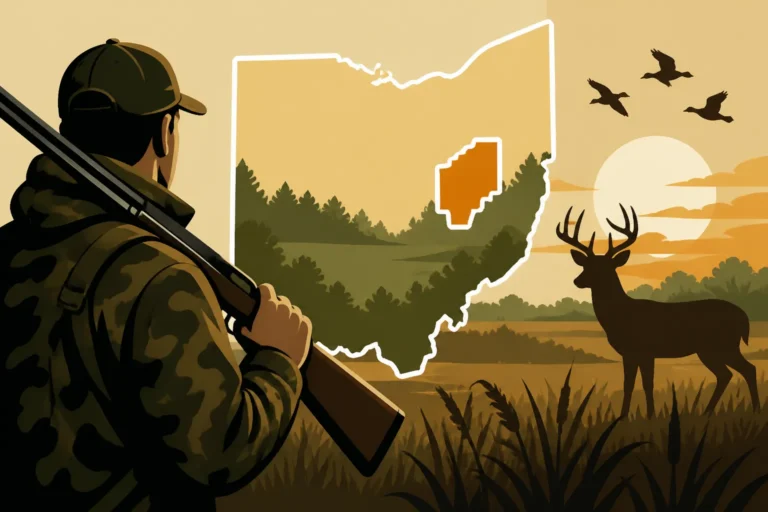
Fairfield County, nestled in south-central Ohio, presents a unique set of challenges and opportunities for the public land hunter. Unlike the sprawling timber tracts of Southeast Ohio or the expansive wetlands of the Lake Erie marsh region, Fairfield County is characterized by a blend of rolling farmlands, small to medium-sized woodlots, and increasing residential development. This means that public hunting opportunities tend to be smaller, more fragmented, and often surrounded by private land.
The first thing you'll notice when looking at a map of Fairfield County is that "big woods" are not the dominant feature. Instead, you'll see a patchwork quilt of cornfields, bean fields, pastures, and scattered timber blocks. This landscape, while excellent for deer, turkey, and small game on private land, translates into limited contiguous public access. The frustration for many hunters is that they know the game is there, but finding a place to ethically and legally pursue it can be a real head-scratcher. You're not going to find 5,000-acre blocks to get lost in here; instead, you'll be looking at smaller wildlife areas, river access points, or perhaps some specific forestry-managed parcels. This environment demands a different kind of hunting strategy – one focused on precision, thorough scouting, and a deep understanding of game movement within fragmented cover.
Despite these challenges, Fairfield County is still home to healthy populations of white-tailed deer, wild turkeys, and a variety of small game like squirrels and rabbits. The rich agricultural base provides ample food, and even smaller woodlots can hold significant numbers of animals, especially if they offer good bedding cover or travel corridors. The key to unlocking success here isn't about finding untouched wilderness, but rather about identifying overlooked pockets, understanding how deer and turkeys use limited cover, and adapting your tactics to highly visible and often pressured environments. It means being more observant, more patient, and sometimes, a lot more mobile than you might be in larger, more remote hunting grounds.
Key Public Hunting Areas and Their Unique Traits
When we talk about public hunting access directly within Fairfield County, the list isn't incredibly long, but there are definitely spots worth your attention. These areas are typically managed by the Ohio Department of Natural Resources (ODNR) Division of Wildlife and offer specific opportunities if you know how to approach them.
Hargus Lake Wildlife Area
One of the most notable public hunting areas within Fairfield County is the Hargus Lake Wildlife Area. Located just north of Circleville, this area encompasses Hargus Lake itself and the surrounding lands. While the lake is popular for fishing and boating, the land around it offers some hunting opportunities, primarily for deer, turkey, and waterfowl. The terrain here varies, with open fields, brushy edges, and blocks of mature timber, particularly along the creek bottoms that feed into the lake.
Hunting Hargus Lake requires a good understanding of its layout and how game uses it. The proximity to water means deer and turkeys often use the riparian corridors for travel and feeding. Waterfowl hunting can be productive on the lake itself, but you'll need to be mindful of designated zones and public access points, often requiring a boat or waders to effectively reach prime locations. For deer and turkey, focus on the timbered ridges and ravines that feed into the lake, as these can provide excellent cover and travel routes between feeding areas. Scouting is paramount here, as pressure can be high, especially during opening weekends. You'll need to pinpoint those less-traveled spots that offer sanctuary.
Smaller, Unnamed Public Access Points
Beyond specific named wildlife areas, Fairfield County might also have smaller, less obvious public access points. These could be small ODNR-leased properties, public easements along rivers like the Hocking River or smaller creeks, or even tiny disconnected woodlots managed for public use. These often aren't marked as prominently as larger wildlife areas, which can be a double-edged sword: less pressure, but also harder to find and verify.
This is where tools like onX Hunt really shine. You can use their mapping features to identify small parcels of public land that might not appear on traditional maps. By overlaying property boundaries with aerial imagery, you can spot those little green or yellow slivers that might offer an overlooked opportunity. These smaller tracts might only be a few acres, but if they connect to larger blocks of private timber, or sit along a critical travel corridor, they can be absolute gems. The challenge is that they often require intense boots-on-the-ground scouting to confirm access, identify game sign, and assess potential hunting pressure from neighboring private lands. Don't be afraid to walk every inch of these small areas; a detailed understanding of the cover, food sources, and topography is crucial.
Strategies for Success on Fairfield County Public Ground
Hunting smaller, often pressured public lands in Fairfield County demands a different approach than hunting vast, remote wilderness. You need to be smart, adaptable, and willing to put in the work.
Intensive Pre-Season Scouting and Digital Mapping
Given the fragmented nature of public access, pre-season scouting is not just recommended; it's absolutely essential. Forget driving by and getting a general feel for the land; you need to walk every inch, looking for specific signs. Start with digital tools, because you can cover a lot of ground from your couch. Using platforms like onX Hunt, you can zoom in on potential bedding areas, identify pinch points, funnels between woodlots, and water sources. Look for subtle changes in elevation, thicker cover that offers sanctuary, or even old fencelines that deer might follow.
Once you have some areas identified digitally, hit the woods. Focus on finding fresh rubs, scrapes, and well-used trails. Pay close attention to what the deer are eating – are there acorn crops, browse lines, or remnants of agricultural crops? Understanding these patterns will give you a significant edge. Because these areas are smaller, finding even a single, isolated white oak dropping acorns can be a magnet for deer. Remember, game animals in these areas are highly sensitive to human presence, so consider Scouting Ohio Public Land Before Season during the late winter or early spring when foliage is down, and you can see sign clearly without disturbing the deer right before the season.
Dealing with Hunting Pressure and Finding Seclusion
Let's be realistic: public lands in counties like Fairfield often see significant hunting pressure, especially during the peak of archery season or the opening days of gun season. This pressure can push deer into the thickest, nastiest cover, or even off public land entirely during daylight hours. Your strategy needs to account for this.
One effective tactic is to hunt the fringes. Instead of trying to push into the heart of a small public woodlot where everyone else is, identify where deer might escape to when pressured. Often, this means hunting the edges closest to private land sanctuaries, or finding deep, forgotten pockets of briars or swamps within the public parcel itself. Finding Ground Others Walk Past is key here. Think about areas that are difficult to access, perhaps requiring a longer walk, crossing a ditch, or navigating dense brush. Hunters often take the path of least resistance, so by going where others won't, you increase your chances of finding an unpressured animal. Consider using a ground blind or a mobile treestand setup, especially if you anticipate having to adjust based on where the pressure pushes the deer.
Another approach is to adjust your hunting times. While morning and evening are generally productive, midday hunting can be incredibly effective on pressured public land. Deer pushed from their beds early in the morning might eventually filter back into cover later in the day when most hunters have left their stands for lunch. This requires patience and a willingness to sit longer, but it can pay off significantly.
Game-Specific Tactics for Fairfield County
The primary game species you'll encounter on Fairfield County public land are deer, turkey, and small game. Each requires a slightly different approach.
For deer, understand that they will be primarily nocturnal or crepuscular, especially on pressured ground. Focus your efforts on catching them during legal shooting hours as they move between bedding and feeding areas. Small funnels, creek crossings, and subtle saddles on ridges can be high-percentage spots. Pay attention to wind and thermals, which are critical in these often-varied terrains. If you're Hunting the Rut in Early November, look for cruising bucks using any available cover to scent-check for does. Consider Rattling and Grunting in Ohio sparingly, as pressured deer can often be call-shy, but an aggressive buck might still respond.
Wild turkeys are also present and can offer exciting spring opportunities. While they might roost on private land, they often fly down onto public tracts to feed or strut. Early morning scouting for roost trees and then setting up well before fly-down is a classic strategy. Run-and-Gun Turkey Tactics on Public Land can also be effective if you're not getting a response in one spot. Be prepared to cover ground and call aggressively, but then go quiet and let curiosity bring a gobbler in. Focus on ridge tops, open woodlots, and field edges within the public area.
For squirrels and rabbits, the smaller, fragmented woodlots and fencerows can be ideal. Squirrels will be found in mature timber, especially where oaks and hickories are producing mast. Focus on Squirrel Hunting Ohio Oak Ridges or finding small groves of nut trees. For rabbits, thick fencerows, briar patches, and brushy cover along field edges are prime habitat. Rabbit Hunting Thick Ohio Fencerows with a good dog can be very productive, or you can still-hunt these areas, slowly moving and watching for movement.
Navigating Regulations and Maximizing Your Season
Understanding Ohio's hunting regulations is crucial, especially when hunting on public land where rules can sometimes have specific nuances. Always consult the current Ohio hunting regulations manual before heading afield.
Licenses, Permits, and Checking Game
To hunt any public land in Ohio, you'll need a valid Ohio hunting license and the appropriate permits for the game you pursue (e.g., deer permit, turkey permit). Ohio Hunting Licenses and What They Cost will vary based on residency and age. You can usually purchase these online or from licensed vendors.
After harvesting an animal, especially deer or turkey, you are required to check it in through the Ohio Department of Natural Resources (ODNR) online check-in system or by phone. This is a critical step in Ohio Deer Checking and Reporting Rules that helps the state manage wildlife populations. Make sure you understand the deadlines and process, as failure to check in game can result in penalties. Always carry proof of your license and permits, whether a physical copy or on your phone using the state's official app.
Public Land Specific Rules
While many regulations are statewide, some public areas might have specific rules regarding things like ATV use, camping, or specific hunting methods. Always check the ODNR website for the specific wildlife area you plan to hunt. General rules apply on most public lands, such as no permanent treestands (portable stands must be removed daily or within a certain timeframe), and no baiting. It's also vital to understand Ohio Blaze Orange Requirements during firearm seasons, even if you are archery hunting.
Table of Public Land Hunting Considerations in Fairfield County
To give you a clearer picture, here's a quick comparison of factors to consider when hunting different types of public access in Fairfield County:
| Factor | Hargus Lake Wildlife Area | Smaller, Unnamed Public Tracts |
|---|---|---|
| Typical Size | Medium (hundreds of acres) | Small (tens of acres or less) |
| Habitat | Mix of timber, fields, brush, water | Woodlots, fencerows, creek bottoms |
| Primary Game | Deer, Turkey, Waterfowl, Small Game | Deer, Turkey, Small Game |
| Hunting Pressure | Moderate to High, especially on weekends | Variable, can be low if hard to find |
| Access | Designated parking areas, boat ramps | Often limited or informal |
| Scouting Needed | High, to find unpressured pockets | Very High, to confirm boundaries & sign |
| Tactics | Adapt to pressure, utilize varied cover | Micro-scouting, mobile stands |
| Digital Map Use | Essential for navigating large area | Critical for finding boundaries |
Hunting in Fairfield County's public areas isn't about finding an easy hunt. It's about embracing the challenge, honing your scouting skills, and outsmarting animals that live in close proximity to humans. It’s about being diligent with your research, perhaps using platforms like GoHunt for broader hunting insights, but especially relying on tools like onX Hunt for hyper-local intelligence. With careful planning and a realistic approach, you can absolutely find success and enjoy some fantastic hunting opportunities in this diverse corner of Ohio.
Disclaimer
This article is for general informational purposes only and does not constitute professional advice. Laws, prices and regulations vary by location and change over time. Consult a qualified professional for guidance on your specific situation.