Grand River Wildlife Area Hunting
Finding quality public hunting land in Ohio, especially in areas that aren't deep in the Appalachian foothills, can sometimes feel like searching for a needle in a haystack. Many hunters get discouraged by crowded state forests or small, heavily pressured tracts. But don't despair! This guide is here to walk you through everything you need to know about hunting the Grand River Wildlife Area, a gem in northeast Ohio that offers diverse opportunities for deer, waterfowl, small game, and even turkey. We'll cover what makes this area unique, how to navigate its vast landscape, and the best strategies to make your hunt a success.
An Overview of Grand River Wildlife Area
The Grand River Wildlife Area, nestled in Ashtabula and Trumbull counties, is a sprawling landscape managed by the Ohio Department of Natural Resources (ODNR). It's a fantastic example of Ohio's commitment to providing diverse outdoor recreation, covering over 7,000 acres. Unlike some of the dense, steep timber found in the southern part of the state, Grand River offers a mix of habitats, making it incredibly versatile for different types of hunting pursuits. It truly is a significant parcel of public ground, especially when you consider its proximity to more populated areas.
Location and Landscape Features
This wildlife area is primarily characterized by its wetlands, interspersed with large tracts of woodland, old fields, and agricultural plots. The Grand River itself winds through the property, creating oxbows, backwaters, and marshy areas that are prime waterfowl habitat. You’ll find bottomland hardwoods along the river, transitioning into more mixed forests and old-field successional growth further away. This blend of environments is what makes Grand River so special; it’s not just one thing, but a tapestry of different ecosystems that support a wide array of game.
The terrain is generally flat to gently rolling, which makes for easier walking compared to the steep climbs of southern Ohio. However, the wetlands can be challenging, particularly after heavy rains or during spring thaws. Expect mud, standing water, and dense cattails in many sections. The open fields are often managed for wildlife, planted with grains like corn or sunflowers that provide crucial food and cover, especially during the colder months. Understanding this mix of open water, marsh, dense cover, and food plots is key to unraveling the area's hunting potential.
Target Species and Habitat Diversity
Grand River Wildlife Area supports a healthy population of several game species, making it a popular destination for various hunting seasons. White-tailed deer are abundant, thriving in the mix of cover and food sources. The wetlands and associated agricultural fields also attract a significant number of migratory waterfowl, including various duck species and Canada geese. You'll find good opportunities for small game like rabbits and squirrels in the brushy edges and mature timber. Turkeys are also present, often found in the larger woodland blocks, especially those bordering private agricultural land.
The diversity of habitats directly translates to the diversity of hunting experiences available. You could spend a morning in a treestand overlooking a timber edge for deer, and then shift gears in the afternoon to jump-shoot ducks along a backwater slough. The managed fields are particularly attractive to deer and upland birds, while the dense marsh provides sanctuary for waterfowl. This variety means that hunters can often pursue multiple species within the same general area, making Grand River a truly dynamic place to spend time afield. You can find more general information about Ohio Small Game and Upland Bird Seasons and Ohio Waterfowl Hunting on Lake Erie and Inland in our other articles.
Navigating the Grand River Wildlife Area
Exploring a large public area like Grand River can be daunting at first glance. There are numerous access points, parking lots, and trails, but also vast sections of unmanaged land that require careful navigation. Knowing how to get in, get around, and understand the rules is crucial for a safe and successful hunt.
Access Points and Parking
Grand River Wildlife Area has multiple designated parking areas, many of which are clearly marked along the perimeter roads. These can be found off main routes like US-322 and various county and township roads that dissect the property. It's always a good idea to scout these access points beforehand, either by driving through or by using mapping applications. Some parking areas lead directly to trails, while others are simply pull-offs along a field edge, giving you immediate access to a specific habitat type.
During peak seasons, especially the opening weekends of deer or waterfowl season, these parking lots can fill up quickly. Arriving early is often the best strategy to secure a spot and get to your desired hunting location before other hunters. Remember that parking is generally restricted to designated areas; do not block gates or private drives, and be mindful of where you leave your vehicle. Public land etiquette starts even before you step out of your truck.
Using Mapping Tools for Success
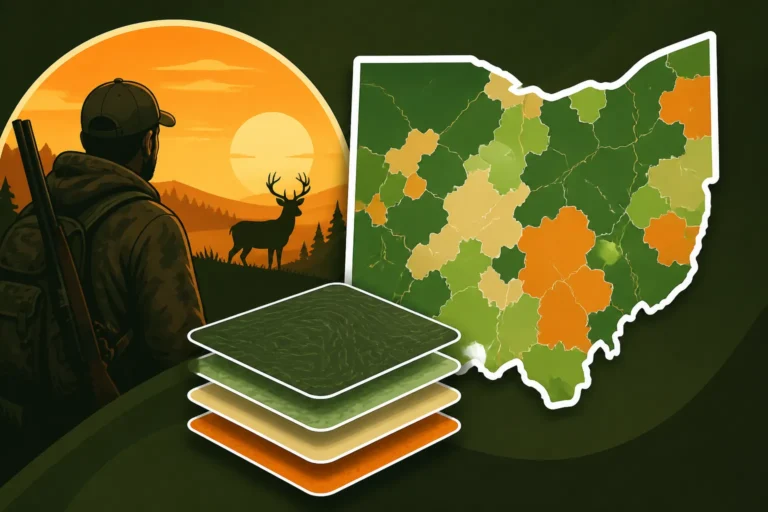
In today's hunting world, using a digital mapping tool is almost non-negotiable, especially on large, complex public lands like Grand River. Services like onX Hunt and GoHunt are incredibly valuable for navigating the area, identifying property boundaries, and pinpointing key habitat features. You can download maps for offline use, which is a lifesaver in areas with spotty cell service—and Grand River definitely has some of those.
These apps allow you to see clearly marked public land boundaries, often overlaying satellite imagery that reveals timber types, marsh edges, and agricultural fields. You can mark your access points, potential stand locations, and even track your movements, making it easier to get back to your vehicle after dark. Using the aerial view, you can identify natural funnels between woodlots, transition zones where deer might travel, or potential roost trees for turkeys. For example, by zooming in on a specific section of Grand River, an onX Hunt user can easily see the difference between a dense cattail marsh and a patch of dry upland timber, guiding their scouting and hunting efforts more effectively. These tools are indispensable for Scouting Ohio Public Land Before Season and for understanding the intricate lay of the land without having to walk every inch first.
Understanding Area-Specific Regulations
Like all Ohio Wildlife Areas, Grand River has specific regulations that hunters must follow in addition to statewide rules. These often pertain to vehicle access, use of blinds, and sometimes even the types of firearms or ammunition allowed in certain sections. For instance, some areas might have restrictions on motorized vehicles, requiring foot traffic only, or limit the size and permanence of treestands. Always check the official ODNR website or the signage at the wildlife area entrance for the most current rules.
A common regulation on wildlife areas is related to treestand use. While generally permitted, you often cannot leave stands up indefinitely, and they must be clearly marked with your name and address or an ODNR customer ID number. Treestand Rules on Ohio Public Land are in place for safety and to ensure fair use. Similarly, if you plan to use a ground blind, be aware that there might be specific guidelines for placement and construction, as detailed in our guide on Ground Blind Rules on Ohio Wildlife Areas. Ignorance of the rules is never an excuse, so do your homework before you head out.
Hunting Strategies for Grand River
With its diverse landscape, Grand River Wildlife Area offers a variety of hunting opportunities. Tailoring your strategy to the specific species and habitat you're targeting will significantly increase your chances of success.
Deer Hunting Tactics
Deer hunting at Grand River can be incredibly rewarding, but it often requires a different approach than hunting dense, mature timber in the southern hills. Here, deer will often utilize the thick cover of the marshes and dense brushy areas for bedding, moving out into the agricultural fields or timber edges to feed. Look for pinch points where different habitat types converge, such as where a narrow strip of woods meets a marsh and a cultivated field. These natural funnels can be excellent places to intercept deer moving between bedding and feeding areas.
During the archery season, focusing on the edges of standing crops or areas with good mast production within the woodlands can be effective. Bowhunting Ohio's Long Archery Season can offer you a lot of time to find the right spot. As the season progresses and the weather turns colder, deer will concentrate on remaining food sources. Consider areas with dense thermal cover in the wetlands that also offer easy access to nearby food plots. During Ohio's gun seasons, the sheer size of Grand River means that deer drives can be effective, particularly with a group of hunters working through a block of timber or a large marshy island, pushing deer towards standers. Remember to always observe Ohio's Two-Weekend Gun Deer Season regulations and safety protocols.
Waterfowl and Upland Bird Opportunities
Grand River Wildlife Area is a prime destination for waterfowl hunters. The intricate network of ditches, ponds, river oxbows, and managed wetlands creates ideal habitat for ducks and geese. Setting up decoys in a marshy inlet or along a stretch of open water can be very productive. Be prepared to deal with mud and cold water; good waders are essential. Waders for Ohio Marsh Hunting are not just recommended, they're a necessity here. Accessing some of the more remote marsh areas might require a kayak or canoe, but always check for specific watercraft regulations.
For upland birds, Grand River offers opportunities for pheasants (often stocked in specific areas, so check ODNR releases) and native cottontails. The old fields, fencerows, and brushy edges provide excellent cover for rabbits. Hunting with a good bird dog can be incredibly effective for flushing pheasants and rabbits from dense cover. For those without dogs, systematic still-hunting through brush piles and thickets can yield results. Look for areas with a mix of tall grasses, shrubs, and scattered trees – classic rabbit and pheasant country.
Small Game and Furbearer Pursuits
Beyond deer and waterfowl, Grand River is a great place to pursue squirrels, especially in the mature oak and hickory stands found along the river bottomlands and higher ground. Early season squirrel hunting can be a relaxed way to enjoy the woods and scout for deer sign. Focus on areas with abundant nut crops. For information on when these seasons open, check out Ohio Squirrel Season Opening Day.
The area is also open for furbearer hunting and trapping, including coyotes, fox, and raccoons. The mix of open fields, timber, and water attracts these animals. Calling coyotes in the open field areas, especially in winter, can be a thrilling experience. For raccoons, still-hunting timber with a good light or working with hounds after dark can be productive. Always be aware of Ohio's specific regulations for night hunting and trapping seasons.
Preparing for Your Hunt
A successful and enjoyable hunting trip to Grand River Wildlife Area, or any public land, hinges on proper preparation. This isn't just about knowing where to go or what to hunt, but about having the right gear, understanding safety, and respecting the environment and other users.
Essential Gear and Safety Considerations
Given the varied terrain and potential for challenging conditions, your gear choices are paramount. Waterproof boots or waders are a must, especially if you plan to venture into the wetlands. Layered clothing is always wise in Ohio, as temperatures can change quickly, particularly in the fall and winter. For deer hunting, carrying a reliable compass or a GPS unit/mapping app like onX Hunt is critical, as it's easy to get turned around in dense cover or featureless marsh. A headlamp or flashlight is also essential for navigating in the dark, both before dawn and after dusk.
Safety should always be your top priority. Familiarize yourself with Ohio Hunter Education Requirements if you're new to hunting, and always follow the rules of firearm safety. During gun seasons, Ohio Blaze Orange Requirements are strictly enforced for obvious reasons; wear plenty of visible orange to ensure you're seen by other hunters. Be aware of your surroundings, especially if you're hunting during an overlap of different seasons (e.g., archery deer and small game). Communicate with anyone hunting with you, and always let someone know where you're going and when you expect to return.
Respecting the Resource and Other Users
Grand River Wildlife Area is a shared resource, and its future depends on respectful use by everyone. Always practice Leave No Trace principles: pack out everything you pack in, including spent shell casings and snack wrappers. Do not litter or damage vegetation unnecessarily. If you use a treestand, remember to remove it within the specified timeframe.
Be courteous to other hunters, hikers, birdwatchers, and anyone else enjoying the area. There might be other hunters in close proximity, especially on weekends. A simple nod or polite greeting goes a long way. If you come across someone already in a spot you intended to hunt, respect their presence and find another location. Public land can get crowded, but by being mindful and respectful, we can all ensure a positive experience and preserve these valuable areas for generations to come. This community ethos is vital for all public land hunting, including on Ohio Wildlife Areas.
| Species | Preferred Habitat at Grand River | Key Hunting Strategies |
|---|---|---|
| White-tailed Deer | Edge habitat (marsh/timber/field), dense brush, bottomland hardwoods, agricultural fields | Still-hunting, stand hunting on travel corridors, deer drives (gun season) |
| Waterfowl (Ducks/Geese) | Managed wetlands, river oxbows, open water, agricultural fields near water | Decoy spreads, jump-shooting, layout blinds |
| Rabbit | Brushy fencerows, old fields, thickets, successional growth | Flushing with dogs, systematic still-hunting through cover |
| Squirrel | Mature oak/hickory stands, river bottomlands, mixed hardwoods | Still-hunting, sit-and-wait near nut trees |
| Turkey | Larger woodland blocks, timber edges near private fields | Roost hunting, calling, run-and-gun tactics |
| Coyote/Fox | Open fields, timber edges, dense cover | Calling (especially winter), spot-and-stalk |
| Raccoon | River bottoms, timber near water, agricultural areas | Night hunting with hounds, still-hunting with lights |
Grand River Wildlife Area truly offers a diverse and challenging hunting experience for those willing to put in the effort. Its unique blend of wetlands and woodlands provides habitat for a variety of game, making it a valuable asset for Ohio hunters. By understanding its landscape, utilizing modern navigation tools, and adhering to regulations and ethical practices, you can enjoy many successful outings in this remarkable public land.
Disclaimer
This article is for general informational purposes only and does not constitute professional advice. Laws, prices and regulations vary by location and change over time. Consult a qualified professional for guidance on your specific situation.