Finding Access Near Cleveland
For hunters living in or around Cleveland, the challenge of finding accessible hunting land can feel like searching for a needle in a very crowded haystack. Between the urban sprawl and a strong preference for private land among landowners, it's easy to get discouraged. This guide is here to cut through that frustration, offering realistic strategies and uncovering the lesser-known opportunities available to hunters in Northeast Ohio.
Understanding the Cleveland Hunting Landscape
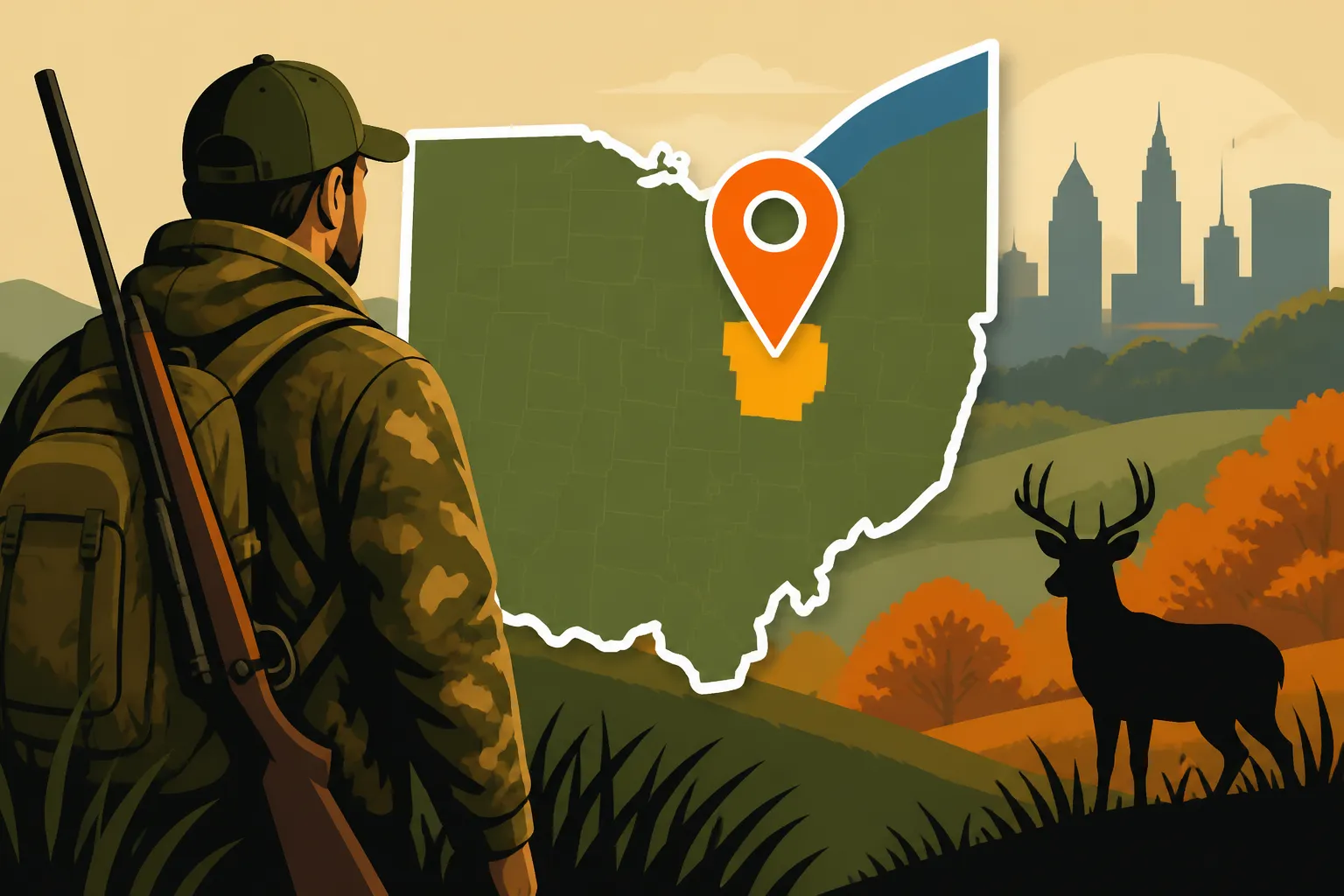
Northeast Ohio, particularly around a major city like Cleveland, presents a unique set of circumstances for hunters. It's not the vast, open country of the western states, nor is it the sprawling public forests you might find further south in Appalachia. Here, the landscape is a patchwork of urban areas, dense suburbs, small woodlots, agricultural fields, and increasingly, protected green spaces that may or may not permit hunting. This reality means traditional hunting approaches often need to be adapted, and patience becomes your most valuable asset.
The Urban-Suburban Challenge
The most obvious hurdle for Cleveland-area hunters is the sheer population density. With homes, businesses, and infrastructure spread across the landscape, finding large, undisturbed tracts of land can seem impossible. This isn't just about physical space; it's also about noise, safety zones, and public perception. Discharging a firearm close to residential areas is strictly regulated, if not outright prohibited, creating logistical nightmares for anyone hoping to hunt within city limits or nearby suburbs. Even archery hunting, while quieter, requires careful consideration of surroundings and property lines, often leading to very small, fragmented huntable areas that require hyper-local knowledge and strict adherence to laws.
Furthermore, many "green spaces" or nature preserves near Cleveland are explicitly designated as non-hunting areas. While they might hold abundant wildlife, their primary purpose is public recreation or conservation where hunting is not permitted. This can be incredibly frustrating, driving hunters to seek opportunities further and further from home, which adds travel time and expense to an already challenging pursuit.
Key Game Species in the Region
Despite the urban environment, Northeast Ohio is home to a surprising array of game species that thrive even in close proximity to people. White-tailed deer are, without a doubt, the flagship species. They adapt incredibly well to suburban environments, often growing quite large due to ample food sources and reduced hunting pressure in some areas. While antler restrictions aren't universally applied in Ohio, hunters often find good quality bucks here, though public land mature bucks are always a challenge.
Beyond deer, hunters can also find strong populations of wild turkey, especially in the more rural fringes, where woodlots meet agricultural fields. Small game, like squirrels and rabbits, are abundant in virtually any woodlot or brushy fencerow, even those surprisingly close to developed areas. Waterfowl hunting can be excellent along Lake Erie and its associated marshes, as well as on larger inland reservoirs and rivers during migration. Ohio also has seasons for furbearers like coyote and raccoon, which are plentiful in farm country and even urban edges. You might be surprised to learn that even mourning doves offer a fast-paced shooting opportunity in late summer and early fall, particularly around harvested agricultural fields. Ohio Deer Season Structure Explained covers when you can pursue these whitetails, and Ohio Small Game and Upland Bird Seasons outlines the opportunities for smaller quarry.
Seasonal Considerations for Cleveland Hunters
The timing of your hunt dramatically impacts your access and success in Northeast Ohio. Early archery season in September and October, for instance, often means navigating dense foliage and warm temperatures, but deer patterns can be predictable around food sources before significant pressure sets in. Later in the season, during the peak of the rut in early November, deer movement increases, but so does hunter activity, especially as you approach public lands. The shotgun and straight-wall rifle season brings intense pressure to public areas, and careful planning for safety and scouting is paramount.
Waterfowl hunting around Lake Erie typically heats up with the fall migration, offering prime opportunities from late October through December, often requiring specialized gear like layout blinds or marsh boats. Small game seasons, like squirrel and rabbit, often begin in late summer or early fall and can extend through winter, providing opportunities when deer seasons are closed or winding down. This spread of seasons means that even if deer hunting proves difficult close to home, there are usually other types of hunting available throughout a significant portion of the year, offering diverse opportunities.
Navigating Public Hunting Opportunities Near Cleveland
While sprawling national forests are a distant dream for Cleveland hunters, Ohio does manage a network of public hunting lands, including wildlife areas and state forests, some of which are within a reasonable drive of the city. These areas vary greatly in size, habitat, and hunting pressure, so understanding their nuances is key to success. Don't expect solitude, especially during peak seasons, but with effort and smart scouting, these public grounds can absolutely yield results.
Smaller State-Managed Properties
The Ohio Department of Natural Resources (ODNR) manages numerous smaller wildlife areas (WAs) across the state. While many of the larger, more well-known WAs are further south or west, several exist within a 1-2 hour drive of Cleveland that offer legitimate hunting opportunities. These might be tracts of timber, old fields being restored to prairie, or wetland complexes. They are often smaller than what many hunters prefer, which can lead to higher pressure, especially on opening weekends or during the gun season. However, these smaller pockets can be diamonds in the rough if you're willing to walk a bit further, hunt mid-week, or target less popular species.
For example, areas like Grand River Wildlife Area or Mosquito Creek Wildlife Area, while a bit of a drive, offer diverse habitats for deer, turkey, and waterfowl. Closer in, you might find smaller, often overlooked parcels that receive less attention. It's crucial to check the specific regulations for each wildlife area, as some might have archery-only zones, special regulations for waterfowl blinds, or unique access points. Using resources like the Ohio HuntFish app or detailed mapping tools like onX Hunt becomes indispensable here, allowing you to identify boundaries, parking areas, and habitat features from your couch before ever stepping foot in the woods. Public Hunting Land in Ohio is a great resource to begin exploring these options.
Controlled Hunts and Special Drawings
For some of the more intensely managed or high-demand public hunting areas, Ohio employs a controlled hunt system. These hunts are often held on state parks, nature preserves, or specific wildlife areas that are otherwise closed to general hunting. They are designed to manage wildlife populations, particularly deer, in areas where traditional hunting methods might be impractical or unsafe due to proximity to development or high recreational use.
Participating in a controlled hunt usually requires applying through a lottery system, and success is far from guaranteed due to high demand. However, if drawn, these hunts often offer exceptional opportunities for quality game, usually with significantly reduced pressure and sometimes even antlerless-only permits to help manage herd numbers. Keep an eye on the ODNR website for application periods, as they are typically held months in advance of the hunting season. While not a year-round solution, a controlled hunt permit can be a fantastic chance to experience high-quality hunting close to urban areas that would otherwise be off-limits.
River and Lake Access for Waterfowl
Cleveland's proximity to Lake Erie is a huge advantage for waterfowl hunters. The Lake Erie marsh zone, stretching along the western basin and into areas like Sandusky Bay, is internationally recognized for its incredible waterfowl hunting. While much of the best marshland is privately owned or part of managed refuges with limited access, there are still public opportunities. ODNR manages several areas in the marsh zone, and some public boat launches allow access to open lake water or river systems that flow into the lake. Ohio Waterfowl Hunting on Lake Erie and Inland delves deeper into these unique opportunities.
Beyond Lake Erie itself, major rivers like the Cuyahoga, Grand, and Ashtabula, as well as many smaller creeks and inland reservoirs, can offer jump-shooting opportunities for ducks and geese. This often involves scouting waterways by boat or on foot, looking for concentrations of birds, and then carefully planning an approach. It's a different style of hunting, requiring mobility and a good understanding of waterfowl behavior and local regulations, but it provides a unique public access avenue for Cleveland-area hunters. Remember to check local regulations concerning firearms discharge zones near water bodies and residential areas.
Exploring State Wildlife Areas and Forests
While Cleveland proper doesn't boast its own vast state forest, within a reasonable drive, you can find larger tracts of public land managed for wildlife and timber. These areas offer a more traditional "woods" hunting experience compared to the smaller, often fragmented parcels closer to the city. Getting to know these larger state wildlife areas and state forests can open up significant opportunities for deer, turkey, and even small game.
Wildlife Areas Further Afield
Expanding your radius a bit will reveal some excellent larger wildlife areas that, while requiring more travel, can offer a more immersive hunting experience with less intense localized pressure than properties right on the city's doorstep. Locations like Killdeer Plains Wildlife Area, while a couple of hours away, offer expansive wetlands, grasslands, and woodlots, primarily known for waterfowl and pheasant hunting, but also holding significant deer and turkey populations. Other areas like Woodbury Wildlife Area or Salt Fork Wildlife Area, while further southeast, provide diverse terrain, from mature timber to reclaimed strip mines, offering a more challenging but potentially more rewarding hunt. Ohio Wildlife Areas offers a broader overview of these critical public resources.
These larger wildlife areas often have well-marked boundaries, designated parking, and sometimes specific rules regarding camping or vehicle use. It's essential to consult the ODNR's maps and regulations for each specific area before heading out. The key to success on these larger tracts is often to hike past the initial easy-access points, exploring the terrain that casual hunters might overlook. This is where a robust mapping application becomes invaluable for identifying access routes, terrain features, and potential bottlenecks that might hold game.
State Forests Within a Drive
Ohio's state forests, while not as vast as national forests, offer substantial public hunting acreage, predominantly concentrated in the southeastern and central parts of the state. While most are a bit of a haul from Cleveland, places like Mohican-Memorial State Forest, just over an hour south, offer a genuine "big woods" experience relatively close to Northeast Ohio. These forests are managed for timber production, recreation, and wildlife, providing a dynamic habitat that benefits deer, turkey, and squirrel.
Hunting in a state forest often means dealing with varied terrain, including steep ravines, dense undergrowth, and logging roads. The challenge is finding deer in these larger, less-predictable environments, which often requires extensive scouting. Look for areas with diverse mast crops, thick bedding cover, and subtle terrain features like saddles or benches that funnel deer movement. Remember, state forests allow hunting during open seasons, but always be aware of other recreational users like hikers, mountain bikers, and horseback riders, especially on weekends. Always check for any temporary closures due to timber operations or other management activities.
Understanding Management Goals
It's important to recognize that state wildlife areas and state forests are managed with different primary objectives, which can impact your hunting experience. Wildlife areas are generally managed with a strong emphasis on wildlife habitat enhancement and public recreation, often including specific projects like food plots, wetland restoration, or brush cutting designed to benefit game species. This can mean higher concentrations of game, but also potentially higher hunter concentrations.
State forests, on the other hand, are often managed with a dual goal of sustainable timber production and public recreation, including hunting. While timber harvests can temporarily displace game, they also create new early successional habitat that benefits deer and other species in the long run. Understanding these management goals helps you predict where game might be and what kind of habitat you'll encounter. For instance, recent clear-cuts in a state forest might be frustrating to walk through initially, but they often become prime bedding and browse areas in subsequent years. Always look for signage or check the ODNR website for information on current management activities that might affect your hunt.
The Power of Private Land Access
For many hunters in Northeast Ohio, securing access to private land is the holy grail. With a significant portion of the region being privately owned, the opportunities here are immense, but they require a different approach than simply showing up at a public access point. Private land often holds less pressured game, offers more flexibility in stand placement, and can lead to long-term hunting relationships. It's not always easy, but the rewards are substantial.
The Art of Knocking on Doors
This traditional method remains one of the most effective ways to gain hunting access. It takes courage, respect, and a good demeanor, but approaching landowners directly can open doors that no mapping app ever could. Start by identifying farms or woodlots near areas you know hold game, or simply drive through rural areas on the fringes of Cleveland that have desirable habitat. Look for signs of good deer or turkey populations – rubs, scrapes, tracks, or birds strutting in fields.
When you approach a landowner, be polite, respectful, and prepared. Have a clear, concise request, explaining what you want to hunt (deer, turkey, small game) and when (archery season, gun season). Offer to help with chores, share your harvest, or assist with nuisance animal control. Emphasize safety and respect for their property. Many landowners are wary of hunters due to past negative experiences, so building trust is paramount. Offer to provide references or proof of hunter education. Remember, a "no" is just a "no" for today; a friendly attitude might lead to a "yes" next year. Getting Private Land Permission in Ohio expands on these crucial tactics.
Leasing and Managed Hunts
For those willing to invest financially, leasing hunting rights is another avenue to private land access. This is particularly common for larger tracts of prime hunting land in more rural counties. Leases can range from short-term agreements for a specific season to multi-year contracts. The cost varies widely based on acreage, game quality, and demand. While this option can be expensive, it provides exclusive access and often the ability to manage the property for wildlife, such as planting food plots or improving habitat.
Beyond traditional leases, some landowners or even outfitters offer managed hunts or pay-to-hunt opportunities. These can range from semi-guided hunts to simple access fees for specific days or weekends. While these options are not for everyone, they can provide a guaranteed hunting experience, often with good success rates, for those who struggle to find free access or don't have the time for extensive scouting. Research reputable providers thoroughly and understand exactly what's included in the fee before committing.
Building Relationships with Landowners
The most successful private land hunters understand that gaining access isn't a one-time transaction; it's about building a lasting relationship. Once you've secured permission, go above and beyond to be a responsible and respectful guest. Always inform the landowner when you plan to hunt, and let them know when you've left. Follow all their rules implicitly, even if they seem minor. Close gates, don't litter, park where instructed, and absolutely avoid disturbing livestock or crops.
Consider sharing venison or wild turkey meat, and offer to help with chores outside of hunting season. Mending fences, clearing brush, or helping with harvest can go a long way. This kind of mutual respect and helpfulness fosters trust and often leads to long-term hunting access for years to come, not just for you but potentially for friends or family members you introduce responsibly. A good relationship with a landowner is priceless in Northeast Ohio.
Leveraging Technology for Hunting Access
In today's hunting world, technology is no longer just a luxury; it's a vital tool, especially when hunting close to populated areas like Cleveland. From mapping applications to online communities, leveraging these resources can dramatically improve your chances of finding and successfully hunting accessible ground. They can help you scout from home, understand property boundaries, and even connect with fellow hunters.
Mapping Apps: Your Digital Scout
Tools like onX Hunt and GoHunt have revolutionized how hunters approach scouting and navigation. These apps, available on smartphones and computers, layer detailed aerial imagery with property ownership information, public/private land boundaries, and topographic maps. For Cleveland-area hunters, this is an absolute game-changer. You can identify small, overlooked public parcels, trace property lines to avoid trespassing, and pinpoint potential access points, all without setting foot outside your house.
Think about it: you can zoom in on a seemingly small patch of woods, see that it connects to a larger state-owned tract, identify a potential parking area, and even mark thick cover or natural funnels that might hold deer. When approaching private landowners, having a map that clearly shows their property boundaries and your intended hunting area can demonstrate responsibility and earn trust. Many of these apps also allow you to save offline maps, which is crucial in areas with spotty cell service, ensuring you always know where you are. Scouting With the Ohio HuntFish App is another excellent digital tool for understanding public land opportunities and regulations.
Online Resources and Community Forums
The internet offers a wealth of information for finding hunting access. The Ohio Department of Natural Resources (ODNR) website is a primary resource, providing official maps of wildlife areas and state forests, season dates, regulations, and information on controlled hunts. This is your authoritative source for all legal aspects of hunting in Ohio. Beyond official channels, numerous hunting forums and social media groups dedicated to Ohio hunting exist. These communities can be invaluable for learning about local hunting conditions, sharing tips (though specifics about prime spots are rarely divulged), and even finding partners for hunts or leases.
Be aware that information on public forums can sometimes be inaccurate or outdated, so always cross-reference with official ODNR sources. However, these platforms can connect you with experienced local hunters who understand the unique challenges of hunting around Cleveland and might offer advice on specific areas or approaches. They can also be a great place to ask questions about local nuances, like Ohio Legal Shooting Hours or specific blaze orange requirements in certain areas.
The Ohio HuntFish App's Utility
While there are many excellent third-party mapping solutions, the official Ohio HuntFish app from the ODNR is an essential tool for every Ohio hunter. It's not just for buying licenses and checking game; it's also a powerful mapping tool. The app provides up-to-date information on public hunting lands, including wildlife area boundaries, state forest access points, and specific regulations for each site. It integrates with your phone's GPS, showing your exact location relative to public land boundaries.
This app is particularly useful for quickly verifying if a small, isolated woodlot you're scouting is indeed public, or for understanding the nuances of a larger wildlife area. It often includes details about specific hunting opportunities, such as areas designated for archery-only or zones with special waterfowl rules. Using it in conjunction with other robust mapping applications allows you to combine the most detailed land data with the most current regulatory information directly from the source, making it an indispensable part of your hunting kit in the Cleveland area.
Ethical Considerations and Local Respect
Hunting near a major metropolitan area like Cleveland carries a greater responsibility for ethical conduct and respecting local communities. With more eyes on hunters and often less public understanding of hunting, every action reflects on the entire hunting community. Being a good steward of the land and a responsible ambassador for hunting is not just good practice; it's essential for maintaining access and fostering positive relationships.
Minimizing Impact and Respecting Neighbors
When hunting on small public parcels or private land near residences, minimizing your impact is paramount. This means being discreet, parking responsibly, and always being aware of your surroundings. Avoid unnecessarily loud calls or actions that might disturb neighbors, especially early in the morning or late in the evening. If you harvest an animal, retrieve it as efficiently and respectfully as possible, avoiding dragging it through residential yards or leaving it exposed in public view.
Respect for the land itself is also crucial. Pack out everything you pack in, and perhaps even pick up some litter left by others. Leave no trace of your presence beyond your footprints. If you're hunting private land, go above and beyond to protect the landowner's property. Avoid damaging fences, closing gates behind you, and never drive vehicles off designated paths without explicit permission. Your actions directly influence how landowners and non-hunting residents perceive hunters, and a positive impression can preserve access for everyone.
Safety First in Populated Areas
Hunter safety is always important, but it takes on an even greater significance when hunting close to urban or suburban areas. You must know and strictly adhere to all legal shooting hours and firearm discharge setbacks from buildings and roads. Ohio Blaze Orange Requirements are designed to increase visibility and safety, so always wear the required amount, even if you feel it impacts concealment slightly. If hunting archery, understand the safe zones of fire and know exactly what is beyond your target.
Using a ground blind can be an excellent option for bowhunters in these areas, as it can help contain an arrow's trajectory and provide a visual barrier, reducing the perception of a hunter being "exposed." Always identify your target clearly and be absolutely certain of your backdrop. The consequences of an accidental discharge or a missed shot are far greater when hunting near homes or public trails. If you have any doubt about a shot, don't take it.
Supporting Conservation Efforts
Ultimately, hunting access and healthy wildlife populations depend on robust conservation efforts. As a hunter in Ohio, you play a critical role in supporting these initiatives. This includes purchasing your hunting licenses and permits, as the funds generated directly support the ODNR's wildlife management programs, habitat acquisition, and public land maintenance. It's a direct investment in the future of your sport.
Beyond financial contributions, consider volunteering for conservation projects on local wildlife areas or nature preserves. Participate in public meetings regarding wildlife management decisions. Educate non-hunters about the role of hunting in conservation and demonstrate responsible hunting practices. By actively engaging in and supporting conservation, you help ensure that there will be accessible land and abundant wildlife for future generations of Cleveland-area hunters. Understanding Ohio Hunter Education Requirements is the first step in this responsible journey.
Table: Public Hunting Land Types Near Cleveland
Here's a quick look at the types of public hunting opportunities you might find within a few hours' drive of Cleveland, and what to expect from each:
| Land Type | Typical Size | Primary Game Species | Hunter Pressure | Best for | Key Considerations |
|---|---|---|---|---|---|
| State Wildlife Areas | Small to Medium (100-5000+ acres) | Deer, Turkey, Waterfowl, Small Game | Moderate to High | Diverse Hunting | Specific area rules, habitat varies greatly |
| State Forests | Medium to Large (5000+ acres) | Deer, Turkey, Squirrel | Low to Moderate | Big Woods Experience | Rougher terrain, shared with other recreation |
| Controlled Hunts | Varies (often specific sections of parks/preserves) | Deer, sometimes Turkey | Very Low | Quality, Managed Hunt | Lottery application, specific dates and rules |
| River/Lake Access | Linear/Open Water | Waterfowl, sometimes Small Game | Moderate | Mobile Hunting | Boat required for many spots, discharge zones critical |
Disclaimer: This article is for general informational purposes only and does not constitute professional advice. Laws, prices and regulations vary by location and change over time. Consult a qualified professional for guidance on your specific situation.