Where Ohio Turkeys Are Densest
If you've spent frustrating hours calling into what felt like an empty Ohio woods, you're certainly not alone. Finding where the wild turkeys are actually densest can feel like chasing a phantom, especially with populations ebbing and flowing in different regions. This guide is all about cutting through that uncertainty, helping you pinpoint the areas in Ohio where you're most likely to hear that thunderous gobble and get into the action. We're going to dive into the prime habitats, historical influences, and practical tips to put you where the birds are thriving.
Understanding Ohio's Turkey Population Landscape
It’s easy to forget that Ohio's robust wild turkey population wasn't always this way. For a long stretch, these magnificent birds were completely absent from the state, having been extirpated through habitat loss and unregulated hunting practices. The incredible comeback story of the wild turkey in Ohio is a testament to dedicated conservation efforts and thoughtful restocking programs, which began in earnest decades ago. This history actually plays a huge role in understanding where you'll find the densest concentrations of birds today.
Initially, efforts focused on releasing wild-trapped turkeys into suitable, often rugged, forested habitats. These birds, naturally wary and adapted to survival, quickly established new breeding populations. The success of this program spread from these initial strongholds, primarily in the unglaciated, heavily forested regions of southeastern Ohio. Over time, as those populations grew and expanded, birds moved into more fragmented habitats, including the agricultural landscapes of central and western Ohio. Understanding this journey is key to grasping why some areas simply hold more birds than others. You can learn more about How Turkeys Were Restored to Ohio to appreciate the journey these birds have made.
The Role of Habitat in Population Density
The fundamental truth about turkey density, or any wildlife for that matter, is that it directly correlates with quality habitat. Turkeys need a specific blend of elements to truly thrive: mature timber for roosting, open understory for foraging, dense cover for nesting and brood-rearing, and reliable water sources. When all these components align in a relatively undisturbed area, turkey numbers can explode.
In Ohio, this ideal habitat often means vast tracts of mature hardwood forests, particularly those dominated by oak and hickory trees that provide crucial mast crops like acorns, a primary food source. Areas with a diverse age structure of timber, from young clear-cuts offering dense nesting cover to towering old-growth for secure roosts, are gold mines. On top of that, access to agricultural fields, especially those with corn or soybeans, can provide an additional food buffet, particularly in the fall and winter, boosting winter survival and overall population health. Hunters often analyze Poult-to-Hen Ratios and What They Mean to gauge future turkey populations, which are tied directly to these habitat conditions.
Historical Influences on Current Distribution
The success of those initial restoration efforts in the 1950s and 60s largely dictated the patterns we see today. The wild-trapped birds released back then primarily came from healthy populations in states like Missouri and West Virginia, and they were released into Ohio's most remote and rugged areas – places like Wayne National Forest and Shawnee State Forest. These areas offered the best chance of survival and natural expansion.
As these populations flourished, they started to "spill over" into adjacent counties and eventually into more developed agricultural regions. However, the core, most consistently dense populations often remain in those initial release zones and their immediate surroundings. These areas have had the longest time for populations to mature, establish strong breeding traditions, and colonize every nook and cranny of suitable habitat. This doesn't mean you can't find turkeys elsewhere, but rather that the odds of encountering a higher number of birds are historically stacked in favor of these traditional strongholds.
Geographic Hotbeds: Where Turkeys Thrive Today
When you talk about turkey hunting in Ohio, certain regions consistently rise to the top for sheer bird density. These aren't secrets, but they are areas where the habitat, land use, and historical factors have converged to create truly excellent turkey country. It’s where your odds of hearing a morning gobble are significantly higher.
Southeastern Ohio: The Appalachian Stronghold
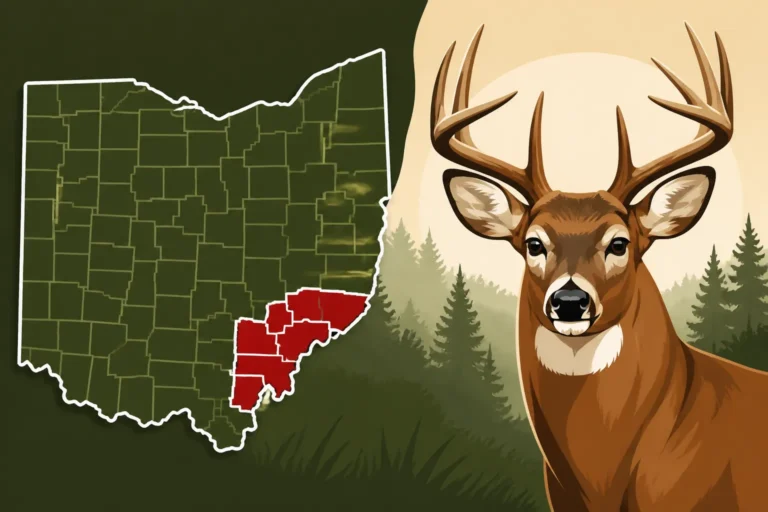
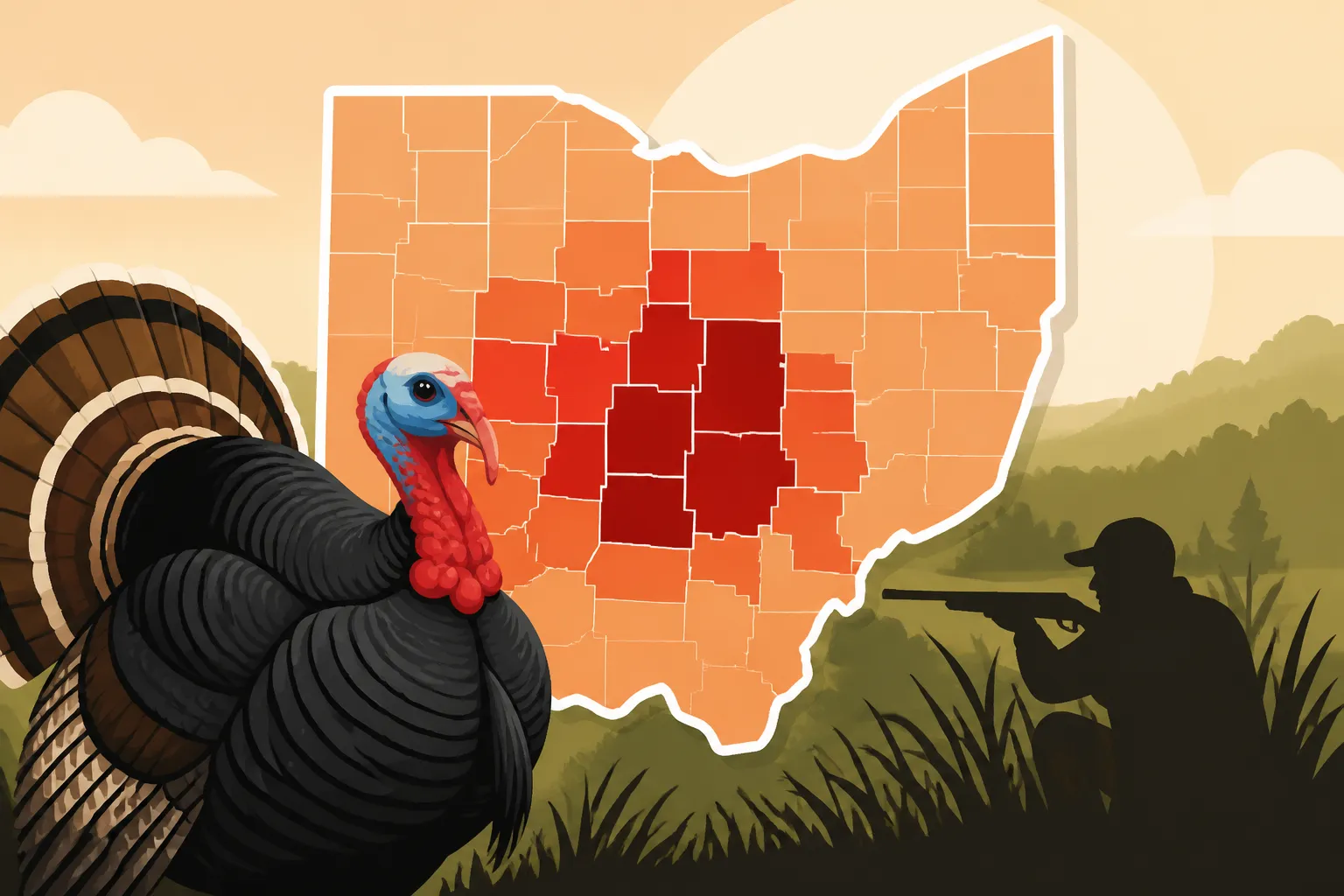
Without a doubt, the unglaciated, Appalachian foothills of southeastern Ohio are the historical and current epicenter of wild turkey density. Counties in this region, such as Athens, Gallia, Hocking, Jackson, Lawrence, Meigs, Monroe, Noble, Perry, Scioto, Vinton, and Washington, are consistently some of the Best Ohio Counties for Turkeys. This rugged landscape offers thousands of acres of contiguous hardwood forest, deep ravines, mature ridge tops, and a lower human population density compared to other parts of the state.
The sheer amount of unbroken habitat, particularly within large public land blocks like Wayne National Forest or Zaleski State Forest, provides ample room for turkeys to roam, nest, and roost without constant disturbance. Here, you'll find the classic turkey setup: massive oaks and hickories on the ridges providing food, dense undergrowth in the hollows for cover, and plenty of places for birds to Where Ohio Gobblers Roost high in the trees. The expansive nature of these woods means that while you might walk further, you often find less pressured birds, leading to more responsive gobblers and a higher chance of encountering multiple flocks throughout the day. It’s prime country for Hunting Southeast Ohio Appalachian Foothills.
Southern Ohio: River Valley Riches
Beyond the deep Appalachian core, the counties bordering the Ohio River and those immediately north of them also hold significant turkey populations. Areas like Adams, Brown, Clermont, and Highland counties, while perhaps having a more mixed landscape of forests and agriculture, still boast excellent turkey numbers. The Ohio River Valley provides fertile ground and often includes expansive timbered river bottoms and bluff systems that are ideal for turkeys.
Here, the birds might use agricultural fields more frequently for feeding, especially during the fall and winter, but they rely heavily on the nearby timbered hills and ravines for roosting and security. The interface between these food-rich fields and dense timber provides fantastic opportunities. This blend means that while you might not have the unbroken wilderness of the deep southeast, you often find concentrated pockets of birds utilizing specific habitat features, making scouting and pattern recognition even more crucial.
Northwest Ohio: Farm Country Pockets
While the classic image of turkey hunting might be the deep woods, don't overlook the agricultural powerhouses of northwest Ohio. Although generally less dense than the Appalachian region, counties here, particularly those with significant woodlots, creek bottoms, and riparian corridors, can hold surprising numbers of birds. Places like Defiance, Fulton, Henry, Lucas, and Williams counties, which are often thought of for Hunting Northwest Ohio Farm Country deer, also have pockets of turkeys.
The key here is finding those isolated woodlots, fencerows, and riverine habitats that break up the vast expanse of farmland. Turkeys use these linear features as travel corridors and crucial roosting and nesting cover. They feed heavily in the surrounding crop fields, especially after harvest, but retreat to these timbered islands for safety. Hunting these areas often requires different tactics, like focusing on Turkey Tactics for Farmland Field Edges and being ready to move quickly. While the overall density might be lower, finding a specific property with the right mix of habitat can yield excellent results. Tools like GoHunt can be incredibly helpful for identifying these fragmented habitat zones, letting you overlay property boundaries with satellite imagery to spot promising woodlots and creek lines.
How to Find Your Own Turkey Hotspot
Knowing the general regions is one thing, but pinpointing a specific patch of woods where turkeys are consistently active requires effort and a bit of hunter's intuition. It's about translating broad regional knowledge into boots-on-the-ground (or eyes-on-the-map) scouting.
Pre-Season Scouting: Your Best Ally
There’s no substitute for good old-fashioned pre-season scouting. This isn't just about looking for birds; it's about understanding their habits and patterns before you ever carry a shotgun. Get out into the woods you intend to hunt several weeks or even months before the season opens.
Look for physical signs: turkey droppings (often found in roosting areas or feeding spots), feather piles, dusting bowls (shallow depressions where turkeys dust themselves), and tracks in soft mud or snow. Pay close attention to ridge tops and benches that are littered with oak and hickory trees, as these are prime feeding areas when mast crops are present. Finding areas with significant scratch marks in the leaves is a strong indicator of recent turkey activity. Don't forget to visit public lands and look for historical sign. Scouting Ohio Public Land Before Season is crucial for learning the lay of the land and identifying key areas before opening day pressure hits.
Listening for Roosting Birds
One of the most effective ways to locate dense turkey populations is to listen for roosting birds. Turkeys typically fly up into tall trees to roost an hour or so before dark and fly down around legal shooting light in the morning. Being in the woods at these times, especially in those prime southeastern Ohio habitats, can be incredibly revealing.
Drive or walk quietly through your chosen area just before sunset or before dawn. Listen for their distinctive "tree calls" as they settle in or wake up, and of course, for the unmistakable gobble. Often, hearing one gobble can lead you to another, and another, revealing a concentration of birds you might not have known existed. It's a great strategy for pinpointing exact locations within those larger "hotbed" regions. Modern mapping applications, like those available through GoHunt, can help you mark these precise locations, allowing you to build a detailed understanding of turkey movements on specific properties.
Utilizing Technology and Mapping Tools
In today's hunting world, technology can significantly enhance your scouting efforts. Satellite imagery, topographical maps, and dedicated hunting apps can help you identify promising habitats from the comfort of your home. Look for areas with:
- Diverse Timber: Identify mature hardwood stands, especially those near water sources or food plots.
- Edge Habitat: Turkeys love transition zones – where woods meet fields, or where thickets meet more open timber.
- Topo Features: Ridge saddles, benches, and draws can act as travel corridors for turkeys.
- Access Points: Note logging roads, old trails, or creek beds that might offer quiet access.
Overlaying public land boundaries with satellite imagery can reveal overlooked corners of state forests or wildlife areas. For private land, these tools can also help you understand the landscape and identify potential landowner contacts for asking permission. Once you've identified promising areas, this is where you can start applying specific strategies like Run-and-Gun Turkey Tactics on Public Land or setting up in key spots.
Ohio Turkey Density Zones Typical Habitat Turkey Characteristics Hunting Considerations
:
We've all been there: You wake up before the sun, shiver into your camouflage, and creep into the woods with high hopes of hearing a thunderous gobble, only to be met with… silence. It's frustrating to invest that time and energy and feel like you're in a turkey desert. If you've been wondering where Ohio's wild turkeys are actually densest and how you can increase your chances of finding them, you're in the right place. This guide will help you understand the dynamics of Ohio's turkey populations and point you towards the most productive hunting grounds, so you can spend less time guessing and more time calling.
Ohio’s Turkey Population: A Story of Resurgence and Distribution
It’s truly remarkable to think that at one point, wild turkeys were completely gone from Ohio. Due to rampant habitat destruction and unregulated hunting in the 19th and early 20th centuries, Ohio became completely devoid of its native wild turkey population. The birds were extirpated from the state, a stark reminder of how quickly wildlife populations can disappear without careful management. But thankfully, the story doesn't end there. The incredible comeback of the wild turkey is one of Ohio's most celebrated conservation success stories, starting with strategic reintroduction efforts decades ago. These historical movements of birds have profoundly shaped where we find the densest concentrations of turkeys today.
The initial reintroductions, primarily utilizing wild-trapped turkeys from states with healthy populations, began in the 1950s and picked up pace through the 70s and 80s. These releases were strategically placed in the most rugged, heavily forested areas of southern and southeastern Ohio – places that offered the best chance for the birds to establish themselves without immediate human pressure. These early strongholds became the nuclei from which turkey populations expanded, naturally spreading into adjacent counties and adapting to more diverse habitats. This methodical expansion is why you'll still find the highest densities and often the most consistent turkey activity in these foundational regions. You can delve deeper into How Turkeys Were Restored to Ohio to appreciate the monumental effort it took.
Why Some Areas Hold More Birds Than Others
The underlying reason for varying turkey densities across Ohio boils down to habitat quality and quantity. Wild turkeys are particular creatures, and they require a specific suite of resources to thrive and reproduce successfully. When you find a place with high turkey numbers, you can bet it's because that location provides everything they need in abundance.
Firstly, turkeys need vast tracts of mature timber, especially hard mast producers like oak and hickory. These trees drop acorns and other nuts, which are crucial food sources, particularly during fall and winter. Areas with a diverse forest structure, including young clear-cuts or regenerating areas that provide dense cover for nesting hens and poults, are also vital. This dense understory protects vulnerable young birds from predators and adverse weather. Finally, reliable water sources and relatively undisturbed conditions complete the picture. In areas where these elements are consistently present and interconnected, turkey populations will naturally be higher. Conversely, highly fragmented landscapes with limited large timber blocks or extensive development tend to have lower, more scattered turkey numbers, making consistent success more challenging.
The Impact of Land Use and Agriculture
While big timber is paramount, agricultural land plays a surprisingly significant role in boosting turkey populations, especially in certain regions. In areas with a mix of large woodlots and expansive farm fields, turkeys often benefit from the abundant food sources available in corn, soybean, and wheat fields, particularly after harvest. These fields offer easy foraging opportunities, supplementing their natural diet of insects, seeds, and mast.
However, this doesn't mean farm country automatically equals high density. The key is the proximity of these agricultural food sources to secure, mature timber for roosting and nesting. Turkeys will travel to feed in fields, but they need to retreat to the safety of dense woods for the night and for critical nesting periods. So, areas with large, connected woodlots interspersed with ag fields can be incredibly productive, often seeing concentrations of birds that utilize both habitats. Understanding this interplay between forest and farm is crucial, as it dictates how birds use the landscape and where you'll likely find them.
Pinpointing Ohio's Turkey Hotbeds: Regional Deep Dive
While turkeys are now found in all 88 Ohio counties, some regions consistently boast significantly higher densities, offering hunters the best odds for a successful spring hunt. These are the areas where the habitat, historical context, and current land use align perfectly for the eastern wild turkey.
The Southeastern Appalachian Stronghold
When we talk about the densest turkey populations in Ohio, the unglaciated, rugged terrain of the southeastern Appalachian foothills immediately comes to mind. This region is the undisputed king of Ohio turkey hunting. Counties like Athens, Gallia, Hocking, Jackson, Lawrence, Meigs, Monroe, Noble, Perry, Scioto, Vinton, and Washington consistently report some of the highest turkey harvests and population densities year after year. For specific insights into these top-performing regions, check out Best Ohio Counties for Turkeys.
What makes this area so special? It's primarily the vast, contiguous blocks of mature hardwood forests. Think thousands upon thousands of acres of oak and hickory trees that carpet the rolling hills and deep ravines. This landscape provides everything a turkey needs: abundant mast crops for food, towering trees for secure Where Ohio Gobblers Roost, and dense undergrowth in the hollows and regenerating clear-cuts for nesting and brooding cover. The extensive public land holdings, such as Wayne National Forest, Zaleski State Forest, and Tar Hollow State Forest, mean there's ample room for turkeys to live and breed with less consistent human disturbance. While hunting in these areas can be physically demanding, requiring you to navigate steep inclines and thick cover, the reward is often a higher concentration of vocal, less pressured birds. For a successful hunt in these challenging terrains, familiarizing yourself with Hunting Southeast Ohio Appalachian Foothills tactics is highly recommended.
The Southern Ohio River Valley Counties
Just to the west and north of the deep Appalachian core, the counties bordering the Ohio River and their immediate neighbors also offer fantastic turkey hunting. This includes counties like Adams, Brown, Clermont, and Highland. While these areas might feature a more fragmented mix of forest and agriculture compared to the pure wilderness of the southeast, they still contain extensive timbered river bottoms, steep bluffs, and significant blocks of private woods.
In these southern Ohio counties, turkeys often benefit from the rich agricultural resources, feeding heavily in corn and soybean fields. However, their reliance on the nearby timbered hillsides and riverine corridors for roosting and security creates concentrated pockets of birds. Hunters in these regions often find success by focusing on the edges where these two habitat types meet, understanding that turkeys will move between feeding areas and their secure roosting grounds. The terrain can still be challenging, but the blend of food and cover makes for excellent hunting opportunities.
Woodlot and Farmland Pockets in Central and Western Ohio
While the overall turkey density might not rival the southeast, specific areas in central and western Ohio, particularly those with significant woodlots, riparian corridors, and less intense agricultural pressure, can still hold surprisingly good turkey numbers. These aren't the broad, sprawling populations of the Appalachians, but rather concentrated pockets where the habitat allows.
For instance, counties with larger state wildlife areas or state parks that allow hunting, as well as areas along major river systems (like the Scioto, Muskingum, or Maumee), often provide enough contiguous timber and diverse habitat to support healthy turkey populations. In these regions, turkeys adapt to a more fragmented landscape, using fencerows, small woodlots, and creek bottoms as crucial travel corridors and cover. They'll often feed in surrounding agricultural fields, making them more visible and predictable during certain times of the day. Hunters looking to tackle these unique areas should study tactics like Turkey Tactics for Farmland Field Edges to maximize their chances. Successfully hunting these areas often requires extensive scouting and gaining private land access, as public land options might be smaller and more pressured.
Hunting the Densest Areas: Strategies and Tools
Knowing where the turkeys are densest is just the first step; knowing how to effectively hunt those areas is where the real challenge lies. Even in a turkey hotspot, these birds are smart, wary, and often require persistence and proper strategy.
The Importance of Pre-Season Reconnaissance
You wouldn't walk into a final exam without studying, and you shouldn't walk into a dense turkey woods without scouting. Pre-season reconnaissance is arguably your most critical tool. Weeks, or even months, before the season opens, dedicate time to hiking your chosen areas. This isn't just about looking for birds; it's about understanding their patterns, travel routes, and preferred hangouts.
Look for physical evidence of turkey activity: droppings, shed feathers, dusting bowls (shallow depressions where turkeys dust themselves), and distinct scratch marks in leaf litter from foraging. Pay close attention to ridge lines, saddles, and benches that contain abundant oak and hickory trees, as these are primary food sources. Identify potential roosting areas – often the tallest trees on a ridge or overlooking a valley. Note any water sources, as turkeys need to drink. Learning Scouting Ohio Public Land Before Season will give you a significant edge, helping you map out potential ambush points and calling setups long before opening day.
Using Technology to Your Advantage
In today's hunting world, technology offers powerful tools to refine your scouting and strategy. Online mapping platforms and dedicated hunting apps can provide invaluable intelligence. Use satellite imagery to identify different timber types, pinpoint clearings, and locate water sources. Topographical maps will reveal elevation changes, ridges, and hollows that turkeys often use as travel corridors.
Apps like GoHunt can be exceptionally useful. With GoHunt, you can layer public and private land boundaries over detailed satellite photos, helping you identify overlooked corners of public land or potential private land access opportunities. You can mark potential roost trees, feeding areas, and travel routes, creating a detailed digital map of your hunting spot. This kind of pre-hunt analysis, combined with boots-on-the-ground scouting, allows you to enter the woods with a well-informed plan, rather than just wandering aimlessly. It also helps you visualize access points and potential routes for Run-and-Gun Turkey Tactics on Public Land, if that's your preferred method.
Master the Art of Calling and Listening
Even in the densest turkey areas, calling properly is essential. You'll need a repertoire of calls – from soft yelps and clucks to aggressive cutts and cackles – to draw in a wary gobbler. Different situations call for different sounds, and knowing when to be subtle versus when to be bold comes with experience. Having a variety of Turkey Calls Worth Carrying in Ohio is always a good idea, as some days birds will respond to slate, other days a box, and sometimes only a mouth call will do the trick.
Equally important to calling is listening. Often, in areas of high turkey density, a gobbler will reveal himself long before you ever make a sound. Be present in the woods, listen for natural turkey sounds, distant gobblers, or even the subtle sounds of turkeys scratching in the leaves. Roosting birds, especially around dawn and dusk, are often the most vocal. By listening intently, you can pinpoint their location and plan your approach, giving you a significant advantage in these high-traffic turkey zones.
Ohio Turkey Season Structure and Best Times
Understanding Ohio's turkey season structure and the nuances of turkey behavior throughout the spring is crucial for success, even in dense areas. Ohio typically divides its spring turkey season into different zones, usually a South Zone and a Northeast Zone, with slightly staggered opening dates. Familiarizing yourself with the Ohio spring turkey season structure will ensure you're hunting legally and at the right time.
Generally, the first week or two of the season often presents the most active gobbling, as birds are fresh and less pressured. However, high-density areas can also mean more hunters, so early season crowds can be a factor, especially on public land. Don't overlook the later weeks of the season, though. While gobbling might decrease, hens often begin nesting, leaving gobblers more inclined to respond to calls as they search for receptive mates. Persistence throughout the entire season, adapting your tactics, and knowing when to use aggressive calls versus subtle hen talk, can lead to success even when the woods seem quieter.
Disclaimer
This article is for general informational purposes only and does not constitute professional advice. Laws, prices and regulations vary by location and change over time. Consult a qualified professional for guidance on your specific situation.