Ohio Carcass Movement Restrictions
It's incredibly frustrating to finally get that big Ohio buck or a handful of plump pheasants, only to be met with a maze of regulations about what you can and can't do with your harvest once you've checked it. The last thing any hunter wants is to accidentally break a rule designed to protect our wildlife, especially when those rules are constantly evolving. This guide is here to untangle the complexities of Ohio's carcass movement restrictions, helping you understand the 'why' behind the rules and how to confidently handle your game.
Understanding Why Carcass Movement Restrictions Exist
Hunting isn't just about the chase; it's also about being a responsible steward of our natural resources. When it comes to managing game, particularly deer, states like Ohio have a massive responsibility to protect the health of their wildlife populations. Carcass movement restrictions might seem like an extra layer of bureaucracy, but they are a critical tool in the ongoing battle against devastating wildlife diseases. Imagine putting in all that time and effort scouting, preparing your gear, and finally getting your shot, only to find out you can't take your prize home due to a technicality. It stings, but these rules are in place for a very good reason.
The Threat of Chronic Wasting Disease (CWD)
Chronic Wasting Disease, or CWD, is a neurological disease that affects cervids like deer, elk, and moose. It's often referred to as a "zombie deer disease" because of the horrific symptoms it causes, though it's important to remember that it's not a zombie virus for humans. CWD is always fatal for infected animals and there's currently no cure. What makes it particularly terrifying for wildlife managers and hunters alike is its persistence: the infectious prions (misfolded proteins) that cause CWD can linger in the environment, like in soil or vegetation, for years. This means an infected carcass, even just parts of it, could contaminate a new area and potentially infect more deer. Ohio, like many states, is working hard to contain this threat. You can read more about how CWD reached Wyandot County to understand the history of this issue in the state.
Preventing Disease Spread Beyond Affected Zones
The primary goal of carcass movement restrictions is to prevent the geographical spread of CWD. If a deer tests positive for CWD in a specific county, moving that deer's carcass, especially its brain and spinal cord, to an unaffected county could inadvertently introduce the disease to a new, healthy population. This isn't just about deer; the long-term ecological impact could be significant, affecting everything from predator populations to local ecosystems. It's about protecting the future of hunting and the health of the entire ecosystem. Hunters often travel great distances within Ohio, from the Appalachian foothills to the rich farmlands of the northwest, and these regulations are crucial to ensuring that a successful hunt in one area doesn't inadvertently jeopardize another.
Ohio's Proactive Approach to Wildlife Health
Ohio has been very proactive in monitoring and managing CWD. The Ohio Department of Natural Resources (ODNR) implements surveillance efforts, including mandatory CWD testing in certain areas, to track the disease and respond quickly. These carcass movement rules are a direct extension of that proactive approach. By limiting the movement of high-risk parts, Ohio aims to create a barrier, or at least slow the progression, of CWD across the state. It’s a challenging balancing act: respecting the traditions and practicalities of hunting while safeguarding the long-term health of the herd. Staying informed about the latest updates from the ODNR is key, and tools like the GoHunt app can be incredibly useful for quickly checking current regulations based on your location.
The Ohio Chronic Wasting Disease Surveillance Area (DSA)
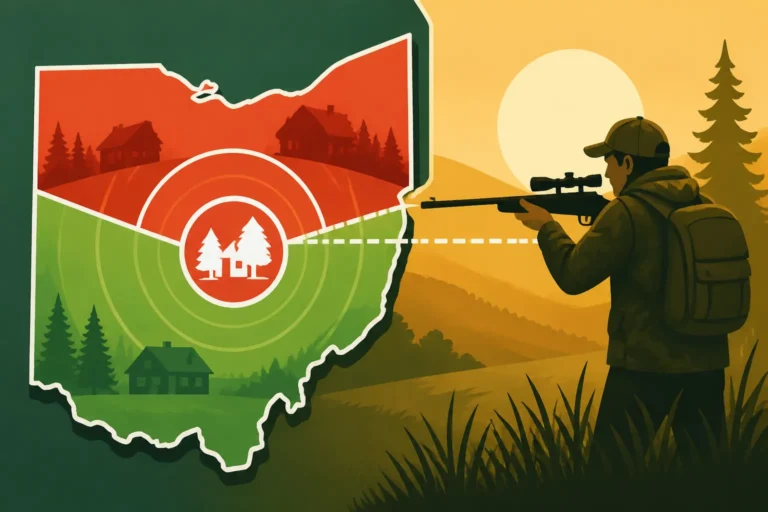
The concept of a Chronic Wasting Disease Surveillance Area (DSA) is central to Ohio's carcass movement restrictions. This isn't a suggestion; it's a designated zone where specific rules apply to help monitor and contain CWD. If you plan to hunt anywhere in Ohio, especially for deer, you absolutely need to know if your hunting grounds fall within a DSA. Ignorance of these boundaries is not an excuse, and violating the rules can lead to fines and penalties.
Identifying the DSA Counties and Their Boundaries
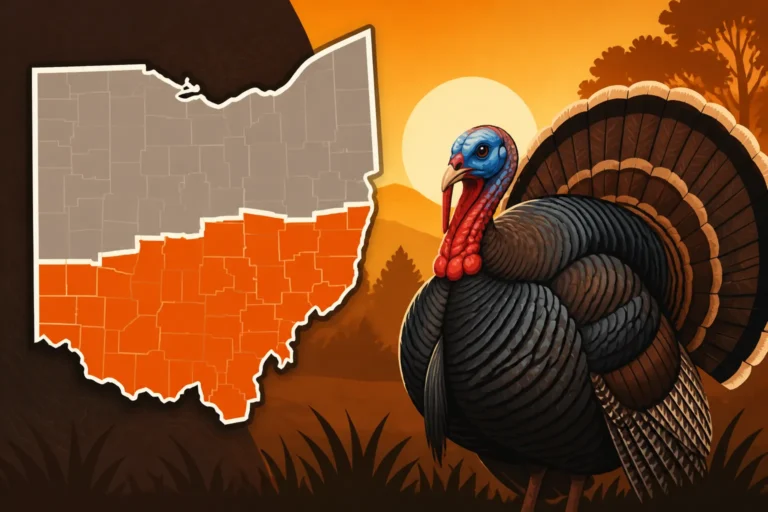
Currently, Ohio's primary DSA is centered around Wyandot County, extending into several surrounding counties. As of my last check, the DSA includes Wyandot, Marion, Hardin, and parts of Crawford, Logan, and Union counties, though these boundaries can change based on surveillance results. It’s vital to check the most current ODNR map before you head out. These counties are under heightened scrutiny because this is where confirmed CWD cases have been found. The ODNR provides detailed maps online, and it's always a good idea to cross-reference with official sources. Understanding which counties sit inside the Ohio DSA is step one for any hunter in that region.
When you're planning a hunt, especially if you're venturing into areas you're not intimately familiar with, utilizing mapping tools can be a game-changer. Services like GoHunt often integrate state hunting regulations and CWD zones directly into their digital maps, offering an invaluable visual aid for hunters. This allows you to clearly see if your chosen public land, like a patch of Killdeer Plains Wildlife Area near the DSA, or private permission lies within a restricted zone. This proactive check can save a lot of headaches later.
Specific Rules for Deer Harvested Within the DSA
If you're lucky enough to harvest a deer within the DSA, there are very specific rules you must follow regarding how you handle and transport that animal. The general principle is to remove all high-risk carcass parts (those most likely to contain CWD prions) before leaving the DSA. This means the brain, spinal cord, eyes, spleen, and lymph nodes. You cannot transport a whole deer carcass out of a DSA, nor can you move the head with the brain still intact, or the spinal column.
This might mean field dressing your deer more thoroughly than usual right there in the woods, or taking it to a designated CWD sampling station or a local processor within the DSA itself. Many hunters find themselves adapting their usual routine, opting to bone out their deer in the field to minimize what they need to transport. It adds a bit more work, but it's a small price to pay to help protect the overall deer herd and ensure the future of hunting in Ohio.
Mandatory Testing Requirements and Carcass Handling
Within the DSA, and sometimes in adjacent counties during specific periods, mandatory CWD testing may be required for harvested deer. This often coincides with opening weekends of gun season or specific youth hunts. During these mandatory testing windows, hunters are required to submit the head of their harvested deer, with at least 4-6 inches of neck attached, at an official CWD sampling station. These stations can be manned check stations or self-serve kiosks, and the ODNR provides lists of locations online. Knowing the mandatory testing windows in the DSA is crucial if you're hunting during those times.
Once submitted, hunters receive a receipt, and they can usually track their test results online. While waiting for results, hunters are typically allowed to process their deer, but it’s always wise to follow the "bone-out" rule if you plan to transport meat outside the DSA, just in case. If a deer tests positive, the ODNR will contact the hunter with further instructions, which usually involve proper disposal of the carcass and a recommendation not to consume the meat. Handling venison from a DSA county safely is paramount, even if it tests negative.
What You CAN and CANNOT Move Out of the DSA
Understanding the specifics of what parts of a deer carcass can and cannot leave a CWD Surveillance Area is where many hunters get tripped up. It's not about prohibiting the entire deer; it's about targeting the parts most likely to harbor the CWD prions. This means you still get to take home your venison, but you might need to adjust your processing methods. The rules are designed to be as practical as possible for hunters while still fulfilling their primary public health goal.
Legally Permitted Parts for Transport
The good news is that most of the parts hunters are primarily interested in are generally permitted for transport out of the DSA, provided they are properly prepared. These include:
- Deboned Meat: This is the safest and most commonly transported form. All muscle tissue that has been completely removed from the bone is acceptable. This ensures no spinal cord or other high-risk tissue is present.
- Antlers or Clean Skull Plates: If you want to keep your trophy, the antlers can be taken, as can the skull plate (the part of the skull where the antlers attach), as long as all brain matter and soft tissue have been thoroughly removed and it’s clean and dry. Many hunters opt to have their taxidermist within the DSA handle the initial cleaning.
- Hides/Capes: Hides and capes (the skin for shoulder mounts) are generally allowed, provided all head and spinal column material has been removed. They should also be free of any visible tissue or bodily fluids.
- Clean Bones (e.g., Femurs for soup stock): Bones that are completely free of meat and other tissue, essentially bleached or thoroughly cleaned, are usually permitted.
- Teeth: Individual teeth, often taken for aging deer, are also fine.
The emphasis here is on "clean" and "removed from high-risk tissue." This requires a bit more meticulousness than simply throwing a deer into the back of your truck. If you're unsure, it's always better to over-prepare and remove more tissue than necessary.
Prohibited Carcass Components and Risks
Conversely, several parts are strictly prohibited from being moved out of the DSA because they are considered high-risk for containing CWD prions. Transporting these items outside the designated zone is a violation of Ohio law. These prohibited components include:
- Whole Carcasses: You cannot transport a whole, intact deer carcass out of the DSA. This is the most critical rule to remember.
- Heads with Brain Matter: A deer head with the brain still inside is prohibited. This is why hunters wanting to keep a skull for a Euro mount must either process it extensively (boil/pressure wash) within the DSA to remove all brain tissue, or leave it with a taxidermist located inside the DSA.
- Spinal Columns/Backbones: The backbone is a significant risk component because it contains the spinal cord. This is why boning out a deer in the field is a common strategy.
- Internal Organs (especially Spleen, Lymph Nodes): While not all organs are equally risky, the spleen and lymph nodes are particularly concerning. For simplicity and safety, it's best practice to dispose of all internal organs (guts) at the harvest site, or at least within the DSA, where they cannot spread the disease to new areas.
The core message is to leave anything that could harbor the CWD prion within the infected area. This includes anything that typically would be discarded anyway, like the gut pile, but also trophy parts if not properly cleaned.
Processing Your Deer Within or Near the DSA
Given these restrictions, planning for post-harvest processing becomes a key part of hunting in or near a DSA. You have a few main options, and choosing the right one can save you significant trouble.
- Field Processing (Bone-Out): Many experienced hunters in DSA counties choose to completely bone out their deer in the field. This involves removing all muscle tissue from the bone, leaving the skeletal structure, head, and entrails at the harvest site or disposing of them properly within the DSA. This technique minimizes the weight you have to carry out and ensures you're only transporting legal, deboned meat. It's a skill worth learning for anyone hunting these areas.
- Utilize Local Processors: A great option is to take your whole deer to a licensed butcher or deer processor located within the DSA. These businesses are aware of the regulations and can properly process your deer, ensuring that only legal parts (deboned meat, clean skull plates, etc.) are prepared for transport out of the zone. They handle the disposal of high-risk parts in accordance with ODNR guidelines. Using a local processor also supports local businesses.
- Taxidermists in the DSA: Similarly, if you plan to get a trophy mount, finding a taxidermist within the DSA is highly recommended. They can handle the caping and skull cleaning in compliance with regulations, allowing you to take home a finished, CWD-safe trophy. If you choose to bring the skull plate out, ensure it's spotless and all brain tissue is removed. Learning how to submit a deer head at a sampling kiosk is also a good skill to have for testing.
Best Practices for Hunters in and Around the DSA
Hunting in areas with CWD surveillance and carcass movement restrictions requires a bit more thought and preparation than simply grabbing your gear and heading out. It's about being informed, responsible, and having a solid plan in place for every step of your hunt, from scouting to processing. Adopting these best practices not only helps you stay within the law but also contributes to the health of Ohio's deer herd.
Planning Your Hunt and Post-Harvest Strategy
Preparation is paramount when hunting in or near a DSA. Before you even set foot in the woods, use resources like the ODNR website or the GoHunt mapping tool to verify the current DSA boundaries. Knowing if you're in a CWD-affected county will dictate your strategy.
- Pre-Scout for Processors and Taxidermists: Before opening day, identify licensed deer processors and taxidermists within the DSA. Get their contact information, hours of operation, and understand their CWD protocols. This prevents a mad scramble if you harvest a deer. You can even call ahead to confirm their ability to process deer from a CWD zone.
- Pack Necessary Tools: If you plan to field process, make sure your pack includes a sharp, reliable knife, game bags, and perhaps a bone saw. Having a sturdy tarp or ground cover can also make field dressing and boning out much cleaner and easier.
- Understand Mandatory Check-In Points: Be aware of any mandatory check-in dates or locations within the DSA, especially during peak hunting seasons like the two-weekend gun deer season. You might need to adjust your plans to ensure you can submit your deer for testing if required. Understanding mandatory testing on statewide gun opening weekend is critical for many hunters.
- Plan Your Travel: Think about your route out of the DSA. If you've harvested a deer, you'll need to ensure you're only transporting legal parts before crossing the boundary. This might mean extra time spent processing in the field or at a local facility.
Utilizing Local Processors and Taxidermists
Supporting local businesses within the DSA is a win-win for everyone involved. These local experts are typically well-versed in the latest CWD regulations and can ensure your harvest is handled correctly.
- Deer Processors: A reputable deer processor within the DSA will know exactly how to handle a CWD-risk deer. They'll remove and properly dispose of all prohibited parts, leaving you with only deboned, CWD-safe venison. This takes the guesswork and the messy field work out of your hands, making your post-hunt experience much smoother. They can even advise on the best ways to prepare your meat.
- Taxidermists: If you're pursuing a trophy buck, finding a taxidermist in the DSA is your best bet for compliance. They can cape out your deer and properly clean the skull plate, ensuring all brain and spinal tissue are removed before preparing it for your mount. This means you won't have to worry about accidentally violating carcass movement rules when transporting your trophy home. They might also be able to assist with submitting trophy heads for official scoring, if that's something you're interested in for Ohio's Deer Record Book.
Maintaining Hygiene and Preventing Cross-Contamination
Even if you're meticulously following all the rules, maintaining strict hygiene is crucial to further minimize any potential CWD spread.
- Clean Your Tools: Thoroughly clean all knives, saws, and other processing tools with soap and water, and consider disinfecting them with a bleach solution (1 part bleach to 10 parts water) after processing any deer, especially those from a DSA. This prevents any potential prions from being transferred to other animals or even your next deer.
- Vehicle Cleaning: If you transport a whole deer (within the DSA for processing), ensure you thoroughly clean and disinfect the bed of your truck or cargo area. Any blood, fluid, or tissue left behind could pose a risk.
- Proper Waste Disposal: Dispose of all prohibited carcass parts and processing waste in designated landfills or through an approved waste disposal service within the DSA. Do not discard them in non-approved areas, as this could contribute to environmental contamination.
- Personal Hygiene: Always practice good personal hygiene, washing hands thoroughly after handling any deer carcass. While CWD is not known to be transmissible to humans, caution is always warranted.
By taking these extra steps, you're not just complying with regulations; you're actively participating in the broader effort to protect Ohio's deer herd from CWD.
Beyond Deer: Other Game and Interstate Movement
While deer and CWD are often the focus of carcass movement discussions, it’s important to remember that regulations can apply to other species or when crossing state lines. The world of hunting regulations is always in motion, and staying updated isn't just a good idea, it's a necessity. Hunters who are pursuing other game species or planning trips outside of Ohio need to be just as diligent.
Carcass Rules for Other Ohio Game Species
For most other game animals in Ohio, such as wild turkeys, squirrels, rabbits, or waterfowl, carcass movement restrictions are typically far less stringent than those for deer. There isn't a widespread, analogous disease like CWD impacting these species that would necessitate similar extreme measures.
- Small Game: For species like squirrels and rabbits, you can generally transport the whole carcass within Ohio. The main requirements revolve around proper tagging and possession limits. For example, when squirrel hunting Ohio oak ridges, you can take your full bag home without worry.
- Wild Turkey: Similarly, a harvested wild turkey can usually be transported whole, provided it has been properly checked and tagged immediately after harvest, as per Ohio's checking and reporting rules. The emphasis is on immediate tagging to prevent illegal harvests. The Ohio DNR focuses on monitoring things like poult-to-hen ratios and nest predation for turkey health.
- Waterfowl and Upland Birds: For ducks, geese, pheasants, and other migratory or upland birds, federal and state regulations primarily focus on bag limits, species identification, and federal migratory bird certification. Carcass movement isn't typically restricted beyond ensuring you're not transporting more than your legal limit.
- Furbearers: For furbearers like raccoons, coyotes, or foxes, the rules often revolve around trapping licenses, season dates, and reporting requirements. Carcass movement is generally unrestricted once legally harvested. However, reporting a sick animal in Ohio is always a good practice, regardless of species.
Despite the relative lack of specific carcass movement restrictions for these species, common sense and ethical hunting practices always prevail. If an animal appears sick or diseased, it's always best not to consume the meat and to contact the ODNR for guidance on disposal.
Transporting Game Across State Lines
This is where things can get incredibly complex and often catch hunters off guard. Interstate game transport is governed not only by Ohio's laws but also by the laws of the state you're traveling to, and any states you pass through. It is absolutely critical to check the regulations of all states involved before you attempt to transport any game across state lines.
- Deer (especially from CWD Zones): Transporting deer, especially from an Ohio DSA, into another state is highly regulated. Most states have their own CWD programs and will prohibit the entry of high-risk carcass parts from any CWD-affected area, regardless of whether that area is in Ohio or elsewhere. You will almost certainly be limited to deboned meat, clean skull plates, and finished taxidermy mounts. Some states may even have stricter rules, so always verify.
- Other Game: For other species, restrictions are usually less severe, but still exist. Some states might have specific rules for migratory birds or furbearers. Always double-check. For example, if you're taking your harvest from Ohio home to Pennsylvania, you'd need to consult Pennsylvania's game commission regulations.
- Federal Regulations: For migratory birds (ducks, geese, doves, woodcock), federal regulations, in addition to state laws, often apply, especially regarding tagging, species identification, and methods of transport. A federal duck stamp and HIP certification are required for hunting migratory birds in Ohio, and similar requirements might exist for transport to other states.
A useful tool like GoHunt, which often covers regulations for multiple states, can be a great starting point for researching interstate rules. But always back it up with a direct check of the official wildlife agency websites for each state involved.
Staying Informed About Evolving Regulations
Hunting regulations are not static; they change annually, and sometimes even mid-season, in response to wildlife health concerns, population trends, and new scientific data. CWD is a prime example of a dynamic situation that leads to evolving rules.
- Annual Digest: The Ohio DNR publishes an annual Hunting and Trapping Regulations Digest. Always get the latest copy, whether digital or physical, and read it thoroughly before each season.
- ODNR Website & Alerts: The ODNR website is the official source for all regulations and critical updates. Sign up for their email alerts or follow their social media channels to get real-time information, especially regarding CWD or other wildlife disease outbreaks.
- Hunting Forums and Communities: While not official sources, active hunting forums and local groups can be good places to hear about updates and ask questions from experienced local hunters. Just be sure to always verify any information you receive against official ODNR sources.
- Mapping Apps: As mentioned earlier, apps like GoHunt can often provide current regulation overlays directly on their maps, which is incredibly convenient for on-the-go reference.
By staying proactive and informed, you can ensure that your hunting adventures in Ohio remain enjoyable, ethical, and fully compliant with all state and federal regulations. This way, the legacy of hunting can continue to thrive for generations to come.
Ohio Carcass Movement Restrictions: At a Glance
Navigating the rules around transporting deer carcasses in Ohio, especially concerning the CWD Surveillance Area (DSA), can be a lot to remember. Here's a quick reference table to help clarify what you can and cannot move out of a designated DSA. Remember, these rules are in place to prevent the spread of Chronic Wasting Disease and protect Ohio's deer herd.
| Carcass Part | Permitted for Movement Out of DSA? | Important Conditions/Notes |
|---|---|---|
| Whole Carcass (unprocessed) | NO | Must be processed within the DSA before transport. |
| Deboned Meat | YES | All muscle tissue completely removed from the bone. |
| Antlers (clean) | YES | Must be free of all visible brain tissue and soft tissue. |
| Clean Skull Plate | YES | Skull plate (antler base) with antlers attached, thoroughly cleaned of all brain matter and tissue. |
| Hides/Capes (clean) | YES | Free of head and spinal column material, no visible tissue/fluids. |
| Clean Bones | YES | Completely free of meat, tissue, and fluids (e.g., bleached/processed). |
| Teeth | YES | Individual teeth are permitted. |
| Heads with Brain Matter (unprocessed) | NO | Brain matter is high-risk. Head must be thoroughly cleaned or left with processor/taxidermist in DSA. |
| Spinal Columns / Backbones | NO | Contains spinal cord; must be left in the DSA. Field boning is key. |
| Internal Organs (especially Spleen, Lymph Nodes) | NO | Best practice to dispose of all internal organs at harvest site or within the DSA. |
Disclaimer:
The information provided in this guide is for general informational purposes only and does not constitute legal advice. Hunting regulations, especially those related to Chronic Wasting Disease, can change frequently. It is the responsibility of every hunter to consult the most current official regulations published by the Ohio Department of Natural Resources (ODNR) and any other relevant state or federal agencies before engaging in hunting activities or transporting game. Always prioritize safety, ethical hunting practices, and compliance with all applicable laws.