When Ohio Gobblers Go Quiet in Late May
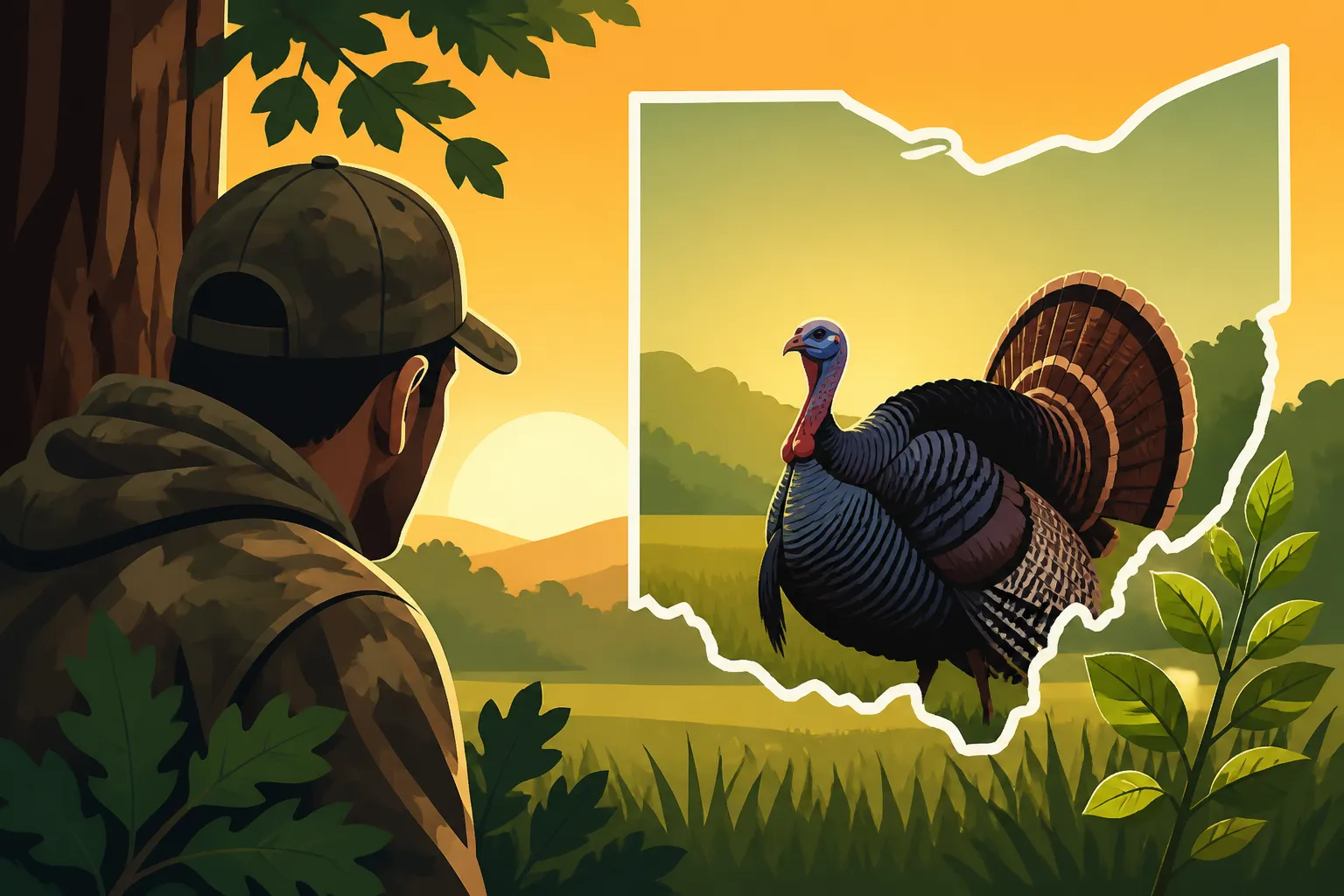
There’s nothing quite as frustrating as the silence of the woods in late May when you're after an Ohio gobbler. After the explosive activity of the early season, it can feel like every bird has vanished, leaving hunters scratching their heads and wondering if they're doing something wrong. This guide is all about understanding why those gobblers suddenly clam up and, more importantly, how you can adapt your approach to find success even when the woods seem empty.
The Late-May Gobbler Silence: Understanding the Shift
By the time late May rolls around in Ohio, the turkey woods can feel like a completely different world compared to the vibrant, boisterous mornings of April. Those loudmouth gobblers that announced their presence from the roost now seem to have taken a vow of silence. This isn't just bad luck; it's a fundamental shift in their behavior driven by biological and environmental factors. Understanding these changes is your first step toward cracking the late-season code.
Post-Breeding Phase and Gobbling Decline
The biggest reason for the silence is that the peak of the breeding season is largely over. In April, gobblers are hot and heavy, constantly trying to locate and breed hens. Their gobbling serves as a powerful advertisement, a challenge to other males, and a beacon for receptive females. It’s a high-stakes game of competition and procreation, and gobbling is their main tool.
By late May, many hens are already bred and sitting on nests. They’ve moved from actively seeking gobblers to incubating clutches of eggs. This means the primary motivation for a gobbler to announce his presence with booming calls has significantly diminished. He might still have a residual urge, especially if he hasn't successfully bred many hens, but the intense, all-consuming need to gobble constantly just isn't there anymore. He might still be with a few "late-breeding" hens, but the widespread chorus you heard weeks ago is gone.
What you're left with is a bird that might only gobble a handful of times in the morning, if at all, and usually only in response to a very close, convincing call or a loud shock gobble opportunity. This makes locating them incredibly difficult, forcing hunters to rely on more subtle clues and a different set of strategies. It's a frustrating shift, but a natural one in the turkey's annual cycle.
Changing Daily Routines and Habitat Use
Not only are gobblers less vocal, but their daily routines and preferred habitats also change dramatically as the season progresses into late May. Early season, it’s common to see gobblers strutting in open fields, showing off for hens. They might spend a significant portion of their morning in these visible areas.
As temperatures rise and foliage becomes denser, these birds start seeking shade, water sources, and areas rich in insects. Creek bottoms, mature timber with a good canopy, and areas with lush, green vegetation become more attractive. They'll also spend more time feeding on protein-rich bugs like grasshoppers and cicadas, which are becoming more prevalent. This shift means the places you found them in April might be completely devoid of birds by late May.
They become more elusive, moving through thick cover, spending less time in the wide open, and generally making themselves harder to spot or hear. It feels like they vanish, but they’re just adapting to the changing season and the availability of resources. This requires hunters to abandon their early-season assumptions and start scouting for new patterns.
Adapting Your Tactics for Quiet Birds
Hunting turkeys that aren't gobbling is a completely different ballgame. You can't rely on their vocalizations to guide your movements or confirm their presence. Instead, you need to shift your approach, becoming a more subtle, patient, and observant hunter. This is where many hunters get frustrated, sticking to tactics that worked earlier in the spring but are now proving fruitless.
The Art of Soft Calling and Patience
When gobblers are quiet and wary, aggressive calling often does more harm than good. Blasting out loud cutts and excited yelps at a bird that's already feeling the pressure of weeks of hunting is a quick way to send him packing in the opposite direction. Instead, think subtle, inquisitive, and realistic. Your goal isn't to shock a gobble, but to pique a bird's curiosity just enough for him to investigate.
Focus on soft yelps, clucks, and purrs. Use a diaphragm call for hands-free convenience, allowing you to keep your shotgun up and ready, or a quiet slate call for realistic tones. Mimic a lonesome hen subtly moving through the woods. Don't call constantly; instead, call once every 15-20 minutes, or even longer, and then listen intently. This is where patience truly pays off. Sometimes, a quiet gobbler will slowly, cautiously make his way towards you, only to be spooked by an impatient hunter calling too much or moving too soon.
When you're trying to locate a bird that isn't talking, it’s a lot like solving a puzzle with limited clues. Planning your hunt using mapping tools like GoHunt can help you identify potential ambush points and dense cover where soft calling might work best. These areas might be saddles between ridges, creek crossings, or areas of thicker timber where a quiet bird feels secure enough to investigate a subtle sound. Remember, a soft, well-timed call can be far more effective than a barrage of aggressive noise.
The Run-and-Gun Versus Sit-and-Wait Debate
The choice between run-and-gun tactics and a more static sit-and-wait approach becomes particularly critical in late May. Both have their merits, but knowing when and where to employ each is key.
The run-and-gun strategy involves covering a lot of ground, stopping frequently to call, and moving on if you don’t get a response. This can be effective on large public tracts, such as sections of Wayne National Forest or Shawnee State Forest, where you need to locate sparse, quiet birds. The idea is to cover enough territory that you eventually stumble upon a gobbler or provoke a weak, distant gobble that gives away his general location. If you’re lucky, a loud crow call or owl hoot might elicit a shock gobble from a silent bird, telling you where to concentrate your efforts. Run-and-Gun Turkey Tactics on Public Land offers more details on this dynamic strategy.
Conversely, the sit-and-wait approach is best when you have a good idea of a gobbler’s general area or his preferred travel corridors. If you’ve done your scouting and found fresh sign—droppings, strut marks, dust bowls—near a consistent food source or roosting area, setting up and waiting him out can be deadly. Position yourself strategically along a ridge line or near a water source, get comfortable, and commit to a long sit. You might be waiting for an hour or more for a quiet bird to simply materialize. This tactic often works well in areas of diverse habitat where birds transition between feeding and loafing areas, especially later in the morning.
Decoy Strategies for Wary Birds
Decoys, which can be absolute magic in early April, need a thoughtful adjustment for the late season. The full-strut gobbler decoy that drew aggressive birds running across fields might now intimidate wary, pressured gobblers, or simply be ignored by birds focused on other priorities.
Less is often more when it comes to late-May decoys. A single, submissive hen decoy, or perhaps a jake and a hen pair, often works better. The key is to convey a sense of calm and naturalness. A lone hen feeding or a jake subtly observing suggests that the area is safe and attractive, which can appeal to a gobbler that isn’t in a highly competitive breeding mindset. Place your decoy in a spot where it’s visible but not overly exposed, allowing the gobbler to approach cautiously.
Consider using a lightweight, collapsible foam or fabric decoy that’s easy to pack and deploy quickly. Placement is paramount: put the decoy out in front of your position, at a distance you’re comfortable shooting, and slightly offset to draw the bird’s attention away from your actual setup. Remember, late-season birds are often hyper-vigilant, so any movement from you or an unnatural-looking decoy can send them packing. Focus on realism and subtlety. Learn more about effective decoy use by checking out Decoy Placement for Pressured Birds.
Finding Late-Season Gobbler Hideouts
When the woods fall silent, you can't just hunt ears; you have to hunt feet and eyes. This means a serious commitment to scouting, paying attention to subtle signs, and understanding how turkeys adjust their movements to the changing landscape and rising temperatures of late May.
Scouting New Areas and Changing Habitat
Forget those wide-open ag fields that were magnets for strutting gobblers in April. By late May, especially on hotter days, turkeys move to different parts of their home range. Your scouting efforts should now focus on identifying these new hideouts. Look for shady creek bottoms, dense stands of timber, and areas with lush, green vegetation. Turkeys, particularly gobblers, will seek out cooler temperatures and areas where they can easily find protein-rich insects.
Recent timber cuts or areas with new growth can be goldmines, as they offer both cover and a buffet of bugs. Walk logging roads and old trails, looking for fresh droppings, dust bowls (areas where turkeys dust themselves to remove parasites), and strut marks. The presence of these fresh signs tells you birds are actively using the area, even if they aren't gobbling. Consider using advanced mapping platforms like GoHunt that provide detailed satellite imagery and topographical maps. These tools are invaluable for identifying transitional habitats, water sources, and dense cover before you even step foot in the woods, saving you precious time and effort. While the birds might have left the wide-open farmland, you can still find good birds around the edges of fields by reading the signs, as discussed in Turkey Tactics for Farmland Field Edges.
Listening for the Unexpected
Just because a gobbler isn't booming from the roost doesn't mean he's entirely silent. In late May, you might need to broaden your auditory search. While you might not hear a string of shock gobbling, listen for subtle clues: soft clucks, purrs, or even the distinct sound of wing beats if a bird is flying down from its roost.
Sometimes, a gobbler might only respond to non-turkey sounds. A loud owl hoot or a crow call, even in the middle of the day, can sometimes elicit a "courtesy gobble" from a quiet bird, just enough to give away his general location. Don't be afraid to try these locator calls, but be prepared for little to no response. Even a faint, distant gobble, barely audible, tells you a bird is in the area and where to focus your efforts. These small clues become critical when the woods are quiet. Learn more about locating birds by checking out Where Ohio Gobblers Roost.
Understanding Food Sources and Water
As the season progresses, a gobbler's diet and hydration needs shift. While they'll still forage for seeds and greens, there's a definite emphasis on insects. Grasshoppers, crickets, and cicadas become significant food sources, especially as the summer insect population booms. Lush, green fields, creek bottoms, and areas with disturbed soil (like timber cuts) often harbor these protein-rich meals.
Water is also increasingly important as temperatures climb. Gobblers will frequent natural springs, creek beds, and puddles, especially during the hotter parts of the day. Identifying these critical resources on a map or through scouting can lead you to where birds are spending their time. Setting up near a reliable water source or a consistently used feeding area, especially in the afternoon, can be a highly effective late-season tactic. These birds are often more vulnerable when they are focused on basic survival needs rather than breeding.
| Aspect | Early Season (April) | Late Season (Late May) |
|---|---|---|
| Gobbling Activity | Frequent, loud, often from the roost and throughout morning | Infrequent, soft, often just a few times, or only shock-gobbles |
| Primary Motivation | Breeding, attracting hens, dominance | Feeding, resting, seeking shade/water, some breeding |
| Preferred Habitat | Open fields, strut zones, areas with receptive hens | Dense cover, creek bottoms, shady timber, insect-rich areas |
| Calling Strategy | Aggressive, loud cutts, excited yelps to provoke response | Soft clucks, purrs, subtle yelps, patience |
| Decoy Strategy | Full strut gobbler, multiple hens | Single submissive hen, jake/hen combo, realistic |
| Movement | Often visible in open, predictable | Elusive, through thick cover, less predictable |
Gear and Mindset for Late-May Success
Late-season turkey hunting isn't just about changing your calls and scouting locations; it's also about adjusting your gear and, perhaps most importantly, your mental approach. The early season's fast-paced, high-adrenaline hunts give way to a slower, more deliberate, and often more challenging grind.
Essential Gear for the Longer Haul
Your gear choices can significantly impact your comfort and effectiveness during a late-May hunt. First and foremost, a comfortable turkey vest with a good, thick seat cushion is a must. You'll be spending a lot more time sitting and waiting, so comfort is key. Look for vests with ample pockets to organize your calls, ammo, and other essentials. A quality vest, like those you might see recommended on GoHunt's gear reviews, can make a huge difference in your endurance. Consider a vest with an integrated kickstand seat, as detailed in Turkey Vests With a Kickstand Seat.
Beyond the vest, a good pair of friction calls (slate or glass) is crucial for those soft, realistic hen sounds. Pair that with a few reliable diaphragm calls for hands-free operation when a gobbler finally commits. Don't forget your binoculars; these become invaluable for spotting silent birds moving through cover. Bugs can be a real nuisance in late May, so pack a Thermacell or a good insect repellent. Finally, bring plenty of water, as temperatures can climb quickly, and lightweight rain gear for those pop-up afternoon showers that are common this time of year in Ohio.
The Mental Game: Patience and Persistence
This is arguably the most critical component of late-season turkey hunting: your mindset. It’s incredibly easy to get discouraged when the woods are quiet, you've walked miles without hearing a gobble, and your calls go unanswered. You might start questioning your skills, your spots, or even if there are any birds left. This is where patience and persistence truly shine.
Understand that success in late May often comes from grinding it out. It might mean sitting for hours in a spot you have a good feeling about, making minimal calls, and just waiting. It means walking extra miles to check "just one more ridge" or "one more creek bottom." It means staying positive and committed, even when every fiber of your being wants to pack it up and head home. The birds that are harvested this late in the season are often the result of sheer determination and a refusal to give up.
Remember, the reward for this kind of hunting is immense. When that quiet gobbler finally appears, having committed to your subtle setup, the satisfaction is profound. It's a testament to your adaptability and grit. Resources like GoHunt can help you visualize the terrain and potential holding areas, boosting your confidence in your chosen location even when the woods remain stubbornly silent. Embrace the challenge, and you might just find that late-season success is the most rewarding of all.
Disclaimer
Please ensure you are familiar with and adhere to all current Ohio hunting regulations, seasons, and licensing requirements as set forth by the Ohio Department of Natural Resources (ODNR). Hunting is a privilege that comes with significant responsibilities regarding safety, ethics, and conservation. This guide is for informational purposes only and does not supersede official hunting regulations. Always prioritize safety and respect for wildlife and private property.