Finding a Self-Serve CWD Sampling Kiosk
Hunting in Ohio brings a unique thrill, but nothing can throw a wrench in your post-harvest plans quite like the added stress of Chronic Wasting Disease (CWD) testing requirements. You've worked hard for your deer, and the last thing you need is to be scrambling to find a testing site, especially after a long day in the field or when battling the elements. This guide is here to walk you through the ins and outs of locating and utilizing Ohio's self-serve CWD sampling kiosks, making that mandatory step as smooth as possible.
Understanding the Need for CWD Sampling
Let's be honest, CWD testing can feel like just another hoop to jump through, an extra layer of bureaucracy when all you want to do is get your venison processed. But as frustrating as it might seem in the moment, understanding why these kiosks exist and why your participation is so crucial can help ease some of that burden.
Why CWD Testing Matters to Hunters
Chronic Wasting Disease is a serious, fatal neurological disease that affects cervids, including white-tailed deer, elk, and moose. It's caused by abnormal proteins called prions, and once an animal is infected, there's no cure. What makes CWD so concerning for us hunters, and for the health of Ohio's deer herd, is its persistence in the environment and its potential to spread. While there's currently no evidence of CWD transmitting to humans, the scientific community is still learning about it, and caution is always the best approach. By submitting deer for testing, you're not just complying with a rule; you're actively helping the Ohio Department of Natural Resources (ODNR) monitor the disease's spread, identify hot spots, and implement management strategies that protect the future of Ohio's deer population. Imagine a future where CWD is rampant – that's a future none of us want, and your effort at the kiosk directly helps prevent it.
Ohio's Disease Surveillance Area (DSA) and Mandatory Testing
The most important thing to wrap your head around is Ohio's Disease Surveillance Area (DSA). This isn't a statewide blanket rule; it's a specific set of counties where CWD has been detected or where the risk of spread is highest. If you've hunted in counties like Wyandot, Marion, Hardin, or others that make up the current DSA, you know the drill. For those hunting within this zone, mandatory CWD testing windows are in effect, particularly during key periods like the early gun season in the DSA and the statewide gun opening weekend. It's a critical measure to understand the prevalence and geographic spread of the disease. The ODNR provides detailed information on which counties sit inside the Ohio DSA, and it’s vital to check these boundaries before you head afield. Carcass movement restrictions are also a big part of the CWD management plan, aiming to prevent the transport of potentially infected animal parts out of the DSA, which could inadvertently spread the disease to unaffected areas.
Locating Ohio's Self-Serve CWD Kiosks
You've got your deer, you've checked the regulations, and you know you're in a mandatory testing area. Now what? The next step is finding one of those elusive self-serve CWD sampling kiosks. It can feel like a scavenger hunt, especially if it's your first time or if you're in an unfamiliar part of the state. But with a little preparation, you can pinpoint these locations without driving around aimlessly.
Utilizing Online Resources for Kiosk Locations
The absolute best place to start your search for an Ohio CWD sampling station location is always the official Ohio Department of Natural Resources (ODNR) website. They maintain an updated list and often an interactive map specifically detailing kiosk locations within the DSA. Seriously, bookmark this page! When you’re looking at the map, don't just note the town; zoom in and look for specific addresses or landmarks. Sometimes the kiosk might be at a local wildlife area headquarters, a state park, or even a regional office. Many hunters also rely on advanced mapping applications like GoHunt, which often integrate ODNR data and can show public land boundaries, parcel lines, and sometimes even points of interest like CWD kiosks. These apps can be a lifesaver when you're out of cell service range or need to quickly reference a location while still in the field. Before hunting season even begins, take some time to scout potential kiosk locations near your hunting spots on the ODNR map or through your preferred hunting app. Knowing where you're headed before you've got a deer in the truck can save you a ton of stress and valuable time.
Physical Markers and What to Look For
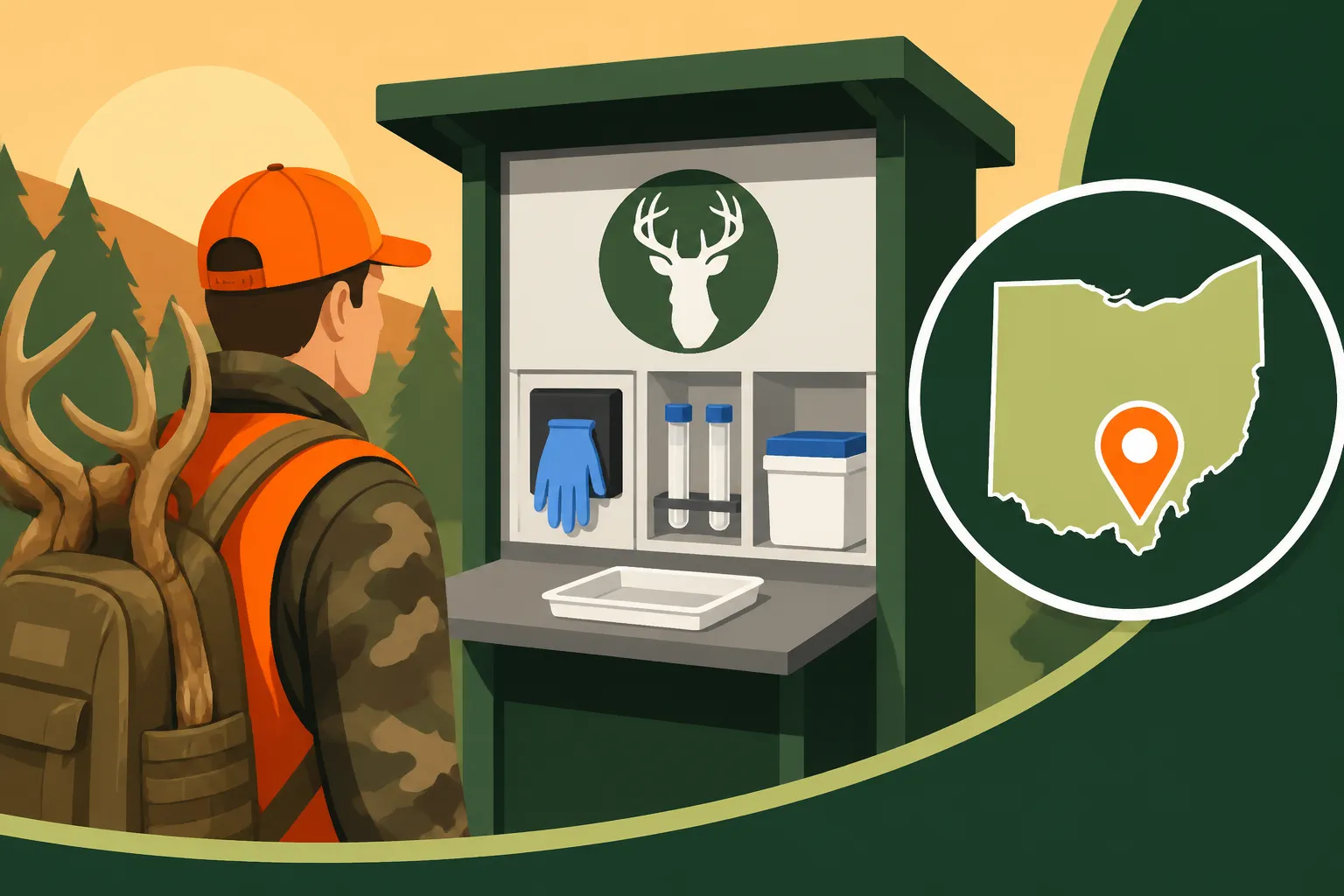
So you've got a potential address. Now, what does a CWD kiosk actually look like? You're generally looking for an outdoor drop-off point, often resembling a small shed or a sturdy wooden box structure. They are typically well-marked with clear signage from the ODNR, explicitly stating "CWD Sampling Station" or "Deer Head Drop-Off." These signs are usually bright and easy to spot, especially in rural areas where they are often situated. You'll commonly find them at major access points to public hunting land, such as wildlife area parking lots, state forest entrances, or occasionally at deer processors that participate in the program. Sometimes they might be set up at a local bait shop or general store in a smaller community that has a high volume of hunters. Inside or next to the kiosk, you'll find instructions, submission forms, plastic bags, and sometimes even basic tools like gloves. It's designed to be self-explanatory, but knowing what to expect can make the process much smoother.
The Self-Serve Sampling Process: A Step-by-Step Guide
Once you've successfully located a self-serve kiosk, the actual submission process for submitting a deer head at a sampling kiosk is relatively straightforward. However, doing it correctly ensures your sample is viable and contributes effectively to the CWD surveillance efforts. Rushing or making a mistake here could mean your effort was for naught, and nobody wants that.
Preparing Your Sample
The most critical part of the process is preparing your deer's head correctly. The ODNR needs specific lymph nodes from the deer's head to test for CWD. This typically means you'll need to remove the head and about 4-6 inches of neck from the harvested deer. Some hunters opt to quarter their deer in the field and only bring out the head, especially when hunting deep in areas like Wayne National Forest or Shawnee State Forest. You'll want to place the head in the provided plastic bag, ensuring it's sealed to prevent leakage and contamination. While you might be tempted to just toss the whole head in, remember that proper bagging helps maintain the integrity of the sample and keeps the kiosk clean for others. Make sure the head is in a condition that allows for easy extraction of the necessary tissue – frozen heads can sometimes delay the process if the tissues are too rigid to sample immediately.
Completing the Submission
Next, you'll need to fill out the information tag or form found inside the kiosk. This is where accuracy truly matters. You'll typically need to provide your name, contact information, hunting license number, the date of harvest, the county and township of harvest, and the species (deer). This data is crucial for the ODNR to track where CWD is found and to contact you with results. Attach the completed tag securely to the bag containing the deer head. Double-check that all required fields are filled out. Once the form is complete and attached, place the bagged and tagged deer head into the designated receptacle within the kiosk. These receptacles are usually clearly marked and designed to protect the samples until ODNR staff can collect them. If the kiosk is full, which can happen during peak gun season weekends, it's a real frustration. In this scenario, you might need to find an alternative kiosk or, if permitted by the ODNR, store the head safely until space becomes available.
What Happens After Submission
After you've dropped off your sample, the waiting game begins. ODNR staff will regularly collect the submitted heads from the kiosks. They then transport these samples to a veterinary diagnostic lab, often the one associated with The Ohio State University, for testing. The lab extracts the necessary lymph node tissue and runs diagnostic tests. The time it takes to get Ohio CWD results can vary depending on the volume of samples and the time of year, but generally, you can expect to hear back within a few weeks. If your deer tests positive for CWD, the ODNR will contact you directly to inform you of the results and provide guidance on what steps to take next, including proper disposal of the carcass and handling venison from a DSA county safely. This is also a good reminder to always make sure your contact information on the submission form is accurate and up-to-date.
Tips for a Smooth CWD Kiosk Experience
Let's face it, hunting should be enjoyable, and dealing with regulations can sometimes feel like a chore. However, a little foresight when it comes to CWD kiosks can save you a lot of grief. Being prepared is half the battle, especially when you're battling the elements or trying to beat the clock.
Planning Ahead and Cold Weather Considerations
The best advice for using CWD kiosks is to plan ahead. Before you even head out for your hunt, know your hunting zone's CWD status. Is it in the DSA? Are there mandatory testing dates during your hunt? Consult the ODNR map or a reliable mapping platform like GoHunt to locate the closest kiosks to your hunting grounds and even a backup or two. Nothing is worse than getting a deer and then realizing the closest kiosk is a 45-minute drive in the wrong direction.
During colder weather, especially during the Ohio muzzleloader season tactics or late archery season that runs into February, you might be thinking about how to keep your venison from freezing. However, the deer head itself is quite resilient. The main concern isn't the head freezing, but rather managing the mess in your vehicle and ensuring the sample isn't degraded. If you anticipate extremely cold temperatures, consider wrapping the bagged head in an extra plastic bag and even a tarp to protect your vehicle's interior. You also want to ensure the sample doesn't spoil in warmer temperatures, so if it's an unusually warm November or December day, get that head to a kiosk or cooler quickly. Always have some hand wipes or sanitizer in your truck; after handling a deer head, you’ll be glad you did.
Common Challenges and How to Overcome Them
Hunters frequently encounter a few challenges when dealing with CWD kiosks. One of the most common is arriving at a kiosk only to find it's full. This happens, particularly on the opening weekend tactics for Ohio gun season when deer harvest numbers peak. If this occurs, resist the urge to just leave your deer head next to the overflowing kiosk; this creates a biohazard and could lead to fines. Instead, check the ODNR website or your GoHunt app for alternative CWD sampling station locations nearby. You might have to drive a bit further, but it’s better than violating regulations. Another challenge can be finding the kiosk empty of forms or bags. This is rare but can happen. Always try to carry a few extra large, durable plastic bags and maybe print a generic CWD submission form from the ODNR website beforehand, just in case. Having a pen that works in cold weather is also a small but crucial detail many overlook.
Here's a quick checklist for your CWD kiosk visit:
| Item | Purpose | Notes |
|---|---|---|
| Deer Head | Essential for CWD testing | ~4-6 inches of neck attached |
| Plastic Bags (large) | For bagging the deer head securely | Kiosks usually provide them, but bring extra |
| Pen (works in cold) | To fill out the submission form | Essential for accurate data |
| Submission Form | Provides critical harvest information | Often at kiosk, print a backup from ODNR |
| Hunting License | For your license number on the form | Digital copy on phone or physical card |
| Hand Sanitizer/Wipes | For post-submission cleanup | You'll appreciate it! |
| Tarp/Container | To protect vehicle interior during transport | Especially important for messy or warm samples |
| Mapping App (e.g., GoHunt) | For locating primary & backup kiosks | Verify kiosk locations before you hunt |
Remember, your participation in CWD testing is a vital part of conservation in Ohio. It's about protecting the wildlife we love to pursue, ensuring healthy herds for generations to come.
Disclaimer
Please note that hunting regulations, seasons, and CWD testing protocols can change. Always consult the most current Ohio Department of Natural Resources (ODNR) hunting regulations and official website for the latest and most accurate information before heading afield. This guide is for informational purposes only and does not supersede official state regulations.