Squirrel Hunting Ohio Hickory Groves
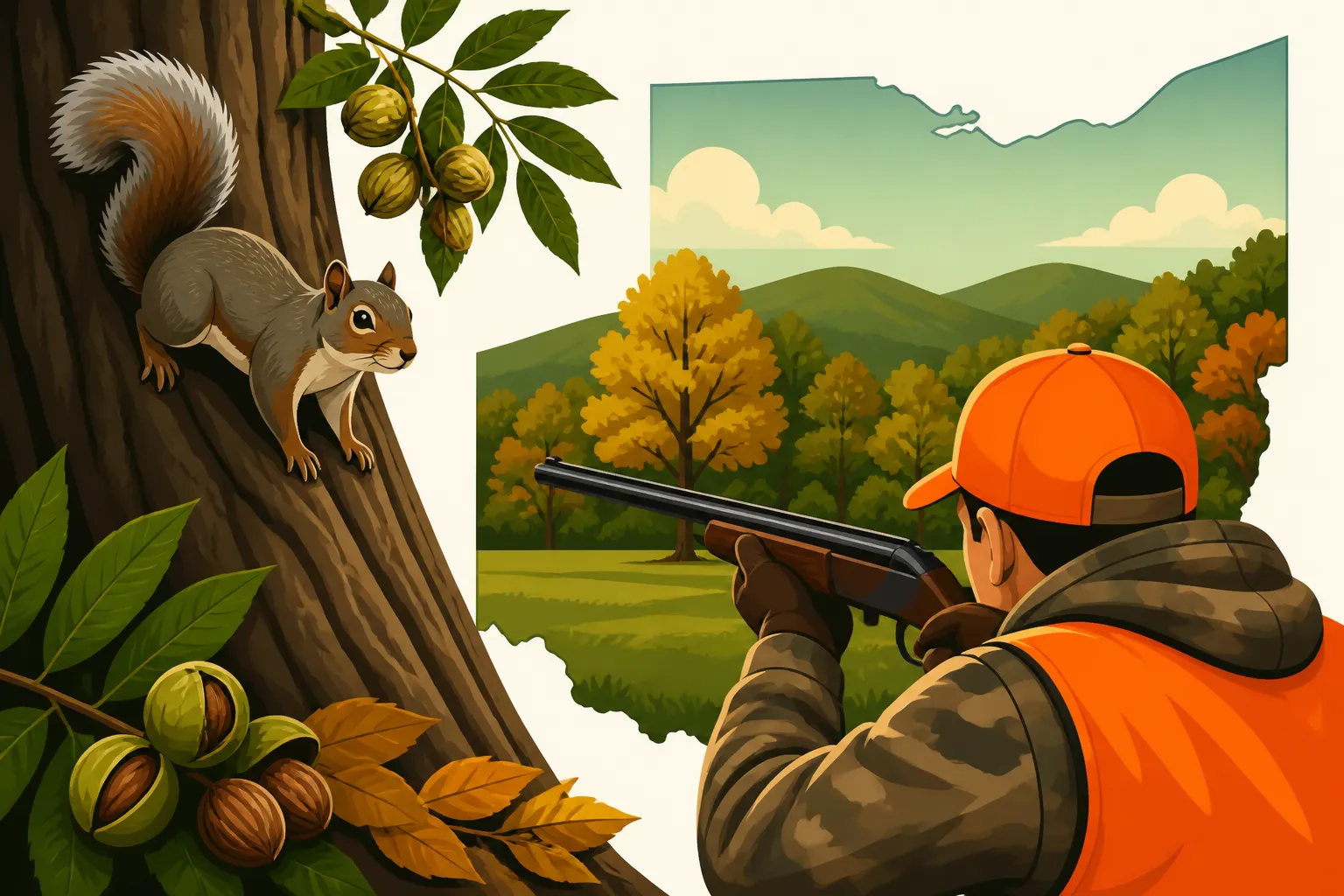
There’s nothing quite like the crisp air of an early fall morning, the woods just beginning to awaken, and the distinct chatter of a squirrel announcing your presence. For many Ohio hunters, squirrel season is the perfect way to knock the dust off the hunting gear, scout for deer sign, and put some tasty meat in the freezer. Yet, finding consistently productive spots can be a real head-scratcher, especially if you’re new to hunting public land or trying to move beyond just “any woods.” This guide is all about honing in on one of Ohio’s most underrated hotspots for squirrel hunting: the humble, yet incredibly fruitful, hickory grove.
The Irresistible Allure of Ohio Hickory Groves for Squirrels
When it comes to putting squirrels on the ground, understanding their diet and habitat preferences is paramount. And in Ohio, few things draw squirrels like a mature stand of hickory trees. These aren't just any trees; they're the grocery store, the community center, and often the safe haven for these bushy-tailed dynamos.
Why Hickory is King for Squirrel Foraging
Hickories, particularly shagbark and mockernut varieties, produce nuts that are absolutely irresistible to both gray and fox squirrels. These nuts are high in fat and protein, providing the perfect energy source for squirrels bulking up before winter. Unlike acorns, which can sometimes be spotty in production or less preferred by squirrels in certain areas, hickory nuts are a consistent favorite. When a hickory stand starts dropping its bounty, it's like a magnet for every squirrel in the vicinity.
You'll often find squirrels "cutting" nuts – sitting on a limb, shelling the nut, and letting the husks rain down. This creates a distinct litter on the forest floor, a tell-tale sign of heavy squirrel activity. Finding these "cutting piles" beneath a productive hickory tree is like striking gold. It tells you exactly where squirrels are spending their time eating, and often, where they might be bedding or traveling to. It's not just about the food source; the rough bark of a shagbark hickory also provides excellent grip and camouflage for squirrels, allowing them to move quickly and often undetected through the canopy.
Identifying Productive Hickory Stands
The first step to success is knowing how to spot these prime locations. Ohio boasts a good number of hardwoods, and while oaks are prevalent, don’t overlook the hickories. You can start by studying topographical maps or aerial imagery. Look for areas on public hunting lands like those managed by the Ohio Department of Natural Resources, often referred to as Ohio Wildlife Areas. These maps can often help distinguish different timber types, though ground-truthing is always best. Large blocks of mature timber, especially on slopes or along creek bottoms, are often good candidates for hickory concentration.
Once you’re in the woods, look for the distinctive bark patterns. Shagbark hickories are famous for their long, peeling strips of bark, making them easy to identify, even from a distance. Mockernut hickories have tighter, ridged bark but can be identified by their larger nuts with thick husks. Beyond just identifying the tree, you want to find productive trees. Look for trees with a good canopy, healthy leaves, and signs of nut production. During late summer and early fall, you can often see the green nuts still on the branches, or even better, find fresh cuttings on the ground. A strong mast crop in a hickory grove is a sure sign that squirrels will be frequenting the area, creating an excellent opportunity for hunting.
Essential Scouting and Timing for Hickory Hunting
Successful squirrel hunting in Ohio's hickory groves isn't just about showing up with a gun; it's about preparation and understanding the rhythm of the woods. Just like deer hunting, a little scouting goes a long way, and timing can make all the difference.
Pre-Season Reconnaissance: Reading the Mast Crop
Before Ohio Squirrel Season Opening Day rolls around, take some time to walk the woods. This is where your pre-season scouting pays off dividends. Start in late August or early September. The goal is to identify which hickory trees are actually producing nuts and where the squirrels are concentrating their efforts. Squirrels are creatures of habit, and they'll gravitate towards the most abundant and easily accessible food sources.
Walk through potential hickory groves, looking for those tell-tale cuttings on the forest floor. These are the discarded nut shells that squirrels leave behind after a meal. The fresher the cuttings, the more active the spot. If you find multiple piles under several trees, you've hit a jackpot. Pay attention to the type of nuts present; if there's a heavy hickory mast, squirrels will be there. You can also use tools like the GoHunt app or other mapping software to identify potential timber types and elevation changes that favor hickory growth. These digital tools are fantastic for pinpointing promising areas on public land before you even set foot in the woods, helping you plan your entry routes and potential stand locations. Remember to also look for active squirrel nests (dreys) in the canopy; while they don't guarantee current presence, they indicate historical use and good cover.
Optimal Hunting Times and Conditions
Squirrels are most active during the early morning and late afternoon hours. Just like deer, they'll often feed heavily at dawn, then take a break during the midday, and return for another feeding frenzy before dusk. The first few hours after sunrise are often the most productive, as squirrels emerge from their nests to feed. If the weather is cool and crisp, they might stay active a bit longer into the morning.
Cloudy, overcast days, especially those following a night of rain, can also be fantastic. The damp ground helps muffle your footsteps, allowing for quieter stalks, and the reduced sunlight can encourage squirrels to be out longer. Conversely, extremely hot, sunny days tend to push squirrels into their nests or into the deep shade, reducing their activity. High winds can also be challenging, making it harder to hear squirrels rustling in the leaves or cutting nuts, and causing trees to sway, making target acquisition difficult. Always check the weather forecast and plan your hunts around these optimal conditions for the best chance at success. For more general information on season dates and regulations, you'll want to review the Ohio Small Game and Upland Bird Seasons details.
Proven Tactics for Hunting Hickory-Loving Squirrels
Once you've scouted your hickory groves and identified the best times to hunt, it's time to put boots on the ground. There are primarily two effective strategies for hunting squirrels in these environments: still-hunting/stalking and setting up an ambush. Both have their merits and can be incredibly effective depending on the situation and your hunting style.
Still-Hunting and Stalking the Groves
Still-hunting is perhaps the most active and rewarding way to pursue squirrels in hickory groves. This method involves moving slowly and deliberately through the woods, stopping frequently to scan and listen. The key is to move at a snail's pace, taking only a few steps, then pausing for several minutes, scanning the trees and forest floor with your eyes and ears. Look for any movement in the branches, listen for the tell-tale scratch of claws on bark, or the gentle pitter-patter of nut fragments hitting the leaves.
Focus your efforts around the areas you identified during scouting where you found abundant fresh cuttings. As you slowly move from tree to tree, glass the canopy carefully. Squirrels are masters of camouflage, and they can sit perfectly still, blending seamlessly with the bark. A good pair of binoculars (even a compact 8x) can be invaluable here. When you spot a squirrel, try to get a clear, ethical shot. If it's on the ground, approach slowly and cautiously, using trees and brush for cover. If it's in a tree, try to maneuver for a broadside or head shot. This method is particularly effective on quiet, windless mornings when your footsteps are less likely to give you away, and you can really focus on sound. The ability to How Early Season Squirrels Give Themselves Away is crucial here; listening for their chattering, barking, and the sound of falling nut fragments will guide your path.
Setting Up and Waiting Game
Sometimes, the best strategy is to let the squirrels come to you. This "sit and wait" approach can be incredibly effective, especially in a particularly active hickory grove. Find a comfortable spot with good visibility of several productive hickory trees, ideally downwind of where you expect the squirrels to be. A small folding stool or a comfortable log can make a world of difference for a longer sit.
Once you’re settled, remain as still and quiet as possible. Let the woods settle around you. After 10-15 minutes, squirrels that were spooked by your entry will often resume their activity. Watch the tree trunks for movement, and pay close attention to the ground around the base of the trees. You'll often see squirrels scampering along the forest floor, gathering nuts, or climbing up to feed. This method works well if you've identified a specific "honey hole" with exceptionally high activity, perhaps a cluster of old-growth hickories laden with nuts. It's also a great tactic for hunters who prefer a more patient approach or are hunting with a .22 rifle, which requires a steadier shot. Many seasoned hunters enjoy the tranquility of this method, allowing them to observe other wildlife while waiting for their quarry. For those hunting in the rugged terrain of southeastern Ohio, understanding how to effectively position yourself in relation to terrain features, much like you would for deer, can be beneficial, perhaps even thinking about Reading Cuttings Under an Oak and applying those principles to hickory.
Gear and Considerations for a Successful Hunt
Having the right equipment can significantly enhance your squirrel hunting experience and increase your chances of success. From your choice of firearm to your clothing and field care, a little planning goes a long way.
Recommended Firearms and Ammunition
For squirrel hunting in Ohio's hickory groves, simplicity and accuracy are key. The two most popular choices are a .22 caliber rifle or a small-gauge shotgun.
A .22 caliber rifle is a classic for a reason. It's quiet, accurate, and ammunition is inexpensive. For ethical hunting, a headshot is preferred, which can be challenging but rewarding. A .22 also makes less noise, disturbing the woods less, potentially allowing for multiple shots in an area if you're patient. Hollow point ammunition in a .22 can be effective, but standard round-nose lead bullets are usually sufficient for squirrels and cause less meat damage. Brands like CCI or Federal offer reliable .22 LR options. When using a .22, consider a rifle with a scope for increased precision, especially when squirrels are high in the canopy. However, a good set of open sights is also perfectly effective for closer shots.
A shotgun (typically a .410, 20-gauge, or even 12-gauge with light loads) offers a wider pattern, making it easier to hit fast-moving squirrels or those partially obscured by branches. This is a great choice for hunters who prefer a more dynamic hunt or are still developing their shooting skills. Use light loads, such as #6 or #7.5 shot, which are effective at squirrel ranges without excessive pelt damage. Be mindful of shot spread, especially on public land, to ensure safety. For those just starting out, a 20-gauge offers a good balance of light recoil and effective range.
When it comes to carrying your gear, a simple game vest or a small backpack works wonders. This allows you to carry your ammunition, a water bottle, a small first-aid kit, and of course, your harvested squirrels. Before heading out, make sure you've confirmed your Ohio Hunter Education Requirements are up to date.
Field Care and Regulations Specific to Ohio Squirrels
Once you’ve successfully harvested a squirrel, proper field care is essential to ensure the meat is good for the table. Squirrels are small animals, and they cool down quickly. In cooler weather, you can often carry them whole for a short period. However, on warmer days, it’s best to gut and skin them as soon as possible. This prevents spoilage and makes the cleaning process much easier when you get home. Many hunters carry a small knife and a few plastic bags for this purpose.
Understanding Ohio's specific regulations for squirrel hunting is crucial. Always consult the current Ohio Department of Natural Resources (ODNR) hunting regulations for season dates, bag limits, and any specific rules for the area you are hunting. For instance, some wildlife areas or state forests might have additional restrictions. While Ohio's overall squirrel population is robust, understanding the local conditions, and perhaps even checking reports on Ohio Squirrel Harvest Numbers can give you insights into current trends. Tools like the Using the Ohio HuntFish Map Tool provided by ODNR are excellent for looking up specific rules for different public lands and for ensuring you're within legal boundaries. Remember to always respect private property lines, even if you’re only retrieving game, and carry your hunting license with you at all times.
Maximizing Your Success in Ohio's Hickory Havens
Beyond the core tactics and gear, there are several nuances that can truly elevate your squirrel hunting game in Ohio’s hickory groves. These often come down to experience, observation, and adaptability.
Reading the Woods Beyond Just Cuttings
While fresh cuttings are a golden indicator, truly successful squirrel hunters learn to read the entire environment. Look up into the canopy: are there clusters of leaves (dreys) that might be active squirrel nests? These provide shelter and often indicate where squirrels will return after feeding. Also, observe the smaller branches. Often, you'll see where squirrels have chewed on bark or smaller twigs, not for food, but perhaps for sharpening teeth or accessing sap. This, combined with tracks on the ground after a light rain or snow, creates a fuller picture of squirrel movement patterns.
Furthermore, consider the presence of other wildlife. While hunting squirrels, you’re also doing valuable scouting for other species. Pay attention to deer tracks, rub lines, or scrapes. You might even spot Coyotes and Predators in Ohio moving through, which could impact squirrel behavior. The more you observe, the better you'll understand the intricate ecosystem of the Ohio hardwoods. This holistic approach makes every hunting trip a learning experience, not just a harvest opportunity.
Adapting to Hunting Pressure
Ohio's public lands, particularly popular Ohio Wildlife Areas, can see considerable hunting pressure, especially on opening weekends. Squirrels, being intelligent and alert, quickly become wary. If you find your chosen hickory grove is unusually quiet or squirrels are extremely skittish, it might be due to pressure.
In such cases, adapting your strategy is key. Instead of still-hunting slowly, you might try finding a less-traveled section of the grove, or pushing deeper into areas that other hunters might avoid. Patience becomes even more critical. Consider sitting longer in a single spot, letting the woods calm down around you. Sometimes, simply waiting out the initial rush and hunting later in the day, or on weekdays, can make a huge difference. Squirrels that have been pressured often become nocturnal or semi-nocturnal, feeding less during the peak daylight hours. If you're encountering highly pressured squirrels, employing calling techniques, such as a bark or distress call, might pique their curiosity, though this is often more effective with less wary animals. Exploring different areas, perhaps even venturing into areas known for Best Ohio Counties for Squirrel Hunting that might be a bit further off the beaten path, can also help you find less pressured game.
Learning the Language of Squirrels
Believe it or not, squirrels have a language, and learning to interpret it can give you a significant advantage. Their barks, chirps, and tail flicking all mean something. A sharp, repetitive bark often signals alarm, indicating they've seen you or another predator. A softer, more contented chatter usually means they are unaware of your presence and are simply communicating or feeding.
If you hear constant chattering from a specific area, it’s a good sign that squirrels are active and feeding there. If you spook a squirrel and it barks furiously, try to identify its exact location. Often, they will climb to a certain height and then freeze. If you remain still and quiet for a few minutes, they might peek out or resume movement, giving you a second chance. Sometimes, imitating a squirrel's chatter or even a soft "kissing" sound with your mouth can draw a curious squirrel closer or cause it to reveal its position. Mastering this aspect of the hunt adds another layer of engagement and skill, transforming a simple walk in the woods into a true conversation with nature.
Disclaimer
Hunting is an inherently dangerous activity. Always prioritize safety, understand and follow all Ohio hunting regulations, and handle firearms responsibly. This guide is for informational purposes only and does not substitute for proper hunter education or professional guidance.