National Forest Camping Near Your Stand
There's a special kind of freedom that comes with hunting Ohio's vast public lands, especially places like Wayne National Forest, but it often brings the frustrating reality of long drives, early alarms, and late nights spent commuting. What if you could wake up with the deer, ready to slip into your stand just minutes before legal light? This guide is all about embracing the unique advantage of camping right near your hunting stand, detailing the how-to, the rules, and the practical considerations for an immersive, efficient Ohio hunting experience.
The Undeniable Appeal of Camping Near Your Hunting Stand
Let's be real, the alarm clock going off at 3:30 AM is a hunter's curse. You stumble out of bed, gulp down some lukewarm coffee, throw on layers in the dark, and then hit the road for an hour or more, all while trying to stay quiet and not forget anything. By the time you reach your trailhead, you're already feeling the grind. This is where the magic of camping near your stand truly shines, offering a distinct advantage that goes beyond mere convenience.
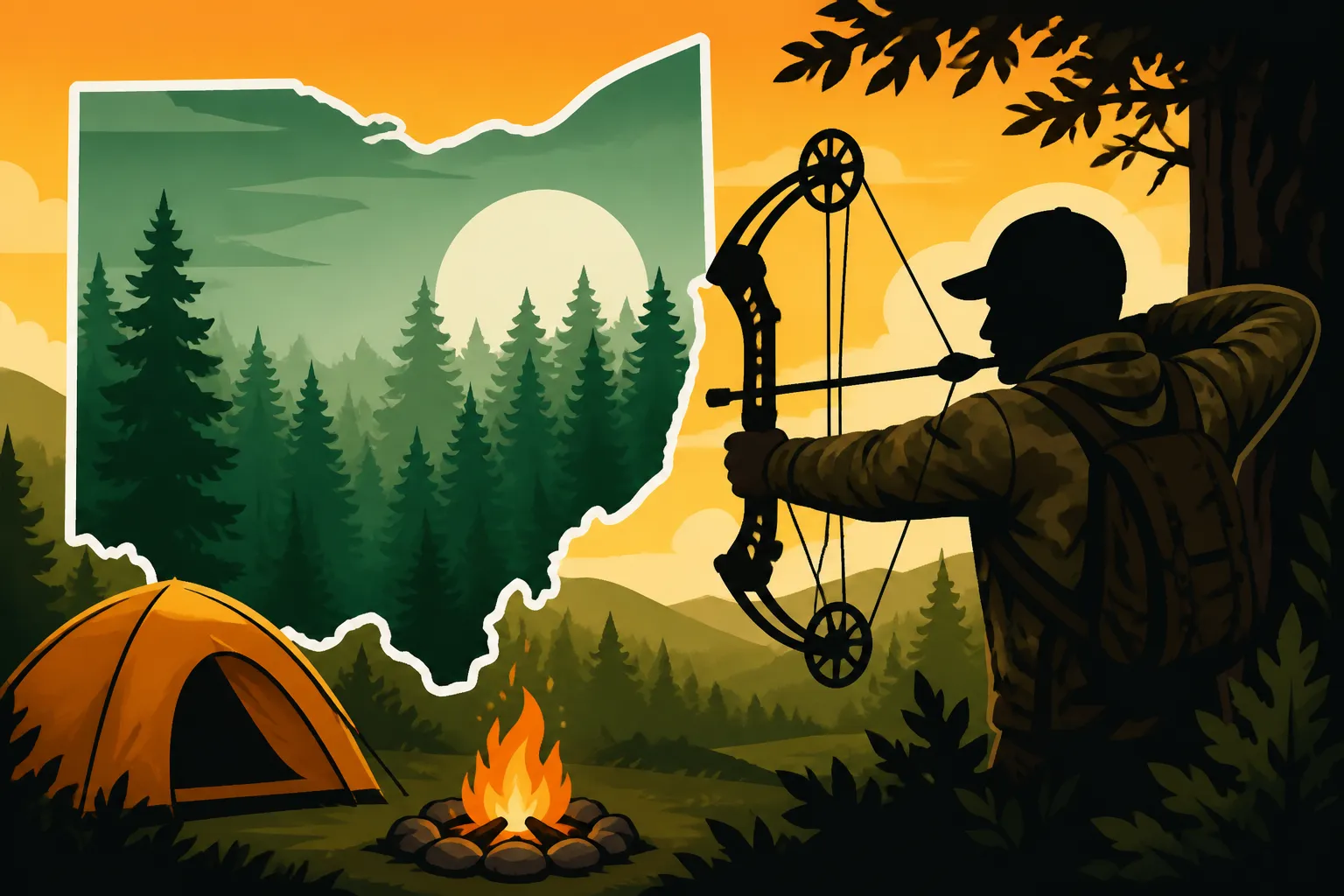
Imagine waking up to the sounds of the forest, the rustle of leaves, maybe a distant hoot owl, rather than the drone of traffic. Your stand is a mere whisper away, perhaps a 15-minute walk in the pre-dawn darkness, allowing you to settle in long before the first hint of shooting light. This proximity isn't just about saving time; it's about reducing scent contamination from a vehicle, minimizing disturbance to the area, and maximizing your time actually hunting. When you're camping close, you're already immersed in the environment, your senses attuned to the woods in a way that's hard to achieve after a long drive. It allows for a more relaxed, yet focused, approach to your morning and evening sits.
Maximizing Time and Minimizing Disturbance
The biggest frustration for many public land hunters is the sheer amount of time lost to travel. Whether it's driving to a distant wildlife area or just hiking a long way back into Wayne National Forest Hunting, every minute counts. By setting up a base camp within easy walking distance of your chosen stand location, you drastically cut down on that wasted time. This means you can be in your stand earlier, giving the woods time to settle after your approach, and stay later, allowing the evening movement to truly unfold before you need to pack up.
Think about it: during the peak of the rut in early November, you want every possible second in your stand. Being able to walk 500 yards to your setup versus driving 45 minutes and hiking a mile translates into more time observing deer behavior and less time worrying about the trek back to the truck after dark. Plus, those long walks in and out from a distant parking area mean you're bumping deer, leaving scent, and generally disturbing the very area you're trying to hunt. A short, stealthy walk from a nearby camp minimizes this impact, helping to keep your hunting grounds less pressured.
The Mental Edge of Immersion
Beyond the practical benefits, there's a significant mental advantage to living closer to your hunting grounds. When you're sleeping in the woods, cooking your meals outdoors, and experiencing the environment continuously, you become more connected to it. You pick up on subtle changes in the weather, the patterns of wildlife activity, and the sounds of the forest in a way that's impossible when you're just visiting for a few hours. This immersion builds confidence and patience, crucial elements for successful hunting.
It can also lead to discovering new sign or understanding deer movement that you might otherwise miss. You might hear a gobble at dawn from your tent, indicating turkeys are roosted closer than you thought, or spot a fresh rub line on your short walk to the stand. This continuous presence fosters a deeper understanding of your hunting area, turning a quick hunting trip into a truly integrated outdoor experience. It makes you feel like less of an intruder and more a part of the landscape.
Understanding Wayne National Forest Camping Regulations
While the idea of camping near your stand is appealing, it's absolutely crucial to understand the rules and regulations, especially when you're dealing with federal land like Wayne National Forest. This isn't your backyard, and there are specific guidelines in place to protect the forest, its wildlife, and fellow recreationists. Ignoring these can lead to fines, eviction, or even permanent bans, not to mention impacting the resource for everyone else. Always remember, the privilege of hunting and camping on public land comes with the responsibility of adhering to the rules.
Wayne National Forest primarily offers "dispersed camping," which means you can set up camp almost anywhere within the forest, as long as you're not in a developed recreation area or within a certain distance of specific features like roads, trails, or water sources. However, there are also designated campgrounds if you prefer more amenities. For hunters, dispersed camping is usually the more attractive option, allowing you to get truly off the beaten path and closer to prime hunting spots.
Dispersed Camping Guidelines and Limitations
When planning your dispersed camping adventure in Wayne National Forest, there are several key rules to keep in mind. Generally, you need to be at least 300 feet (about 100 yards) from any road, trail, or water source. This helps protect natural areas and ensures access for others. You also shouldn't camp within 200 feet of a developed recreation site, private property, or active timber sale areas. While using an app like onX Hunt can be invaluable for finding suitable dispersed camping spots and understanding property lines, always double-check with the forest service website or a ranger if you're unsure about a specific area.
Fires are usually permitted in dispersed areas, but always check current fire restrictions, especially during dry periods. If you do have a campfire, keep it small, contained, and completely extinguished before leaving. The "Leave No Trace" principles are paramount: pack out everything you pack in, including all trash and food scraps. Dig a cathole for human waste at least 200 feet from water sources, trails, and campsites, and bury it properly. Remember, leaving a clean camp behind is a sign of respect for the land and for future users.
| Aspect of Camping | Dispersed Camping (Typical Hunter Preference) | Developed Campground (Less Common for "Near Stand") |
|---|---|---|
| Location | Almost anywhere, 300ft from roads/water/trails | Designated sites with specific numbered spots |
| Amenities | None (no water, restrooms, picnic tables) | Vault toilets, potable water, picnic tables, fire rings |
| Cost | Free | Varies, often a nightly fee |
| Privacy | High, can be secluded | Low, close to other campers |
| Vehicle Access | Limited, often walk-in after a certain point | Direct vehicle access to campsite |
| Fire Rules | Permitted if no restrictions, build small | Designated fire rings only |
| Reservation | Not required, first-come, first-served | Often required or recommended |
| Impact | High potential if LNT not followed | Managed for higher impact |
Firewood, Food Storage, and Wildlife Encounters
Beyond camping location, other regulations apply to your stay. Firewood rules can vary; sometimes, you can collect dead and downed wood for personal use, but often you cannot cut standing trees, even dead ones. Always check current local policies. When it comes to food, secure it properly to prevent attracting wildlife. This means using bear bags suspended from trees, bear canisters, or locking it in your vehicle. Even if Ohio doesn't have a large bear population, raccoons, opossums, and other critters are always eager to raid an unsecured food source. Raccoon Hunting at Night in Ohio is a popular pastime, but you don't want them in your camp!
Water is another critical consideration. Wayne National Forest often has springs and creeks, but never drink untreated surface water. Always filter, boil, or chemically treat any water you intend to consume. Failing to do so can lead to serious gastrointestinal issues that will quickly ruin your hunt. Remember, your personal safety and health are paramount, especially when you're miles from immediate help. Packing a reliable water filter is a non-negotiable for a backcountry hunt.
Setting Up a Stealthy Camp for the Ultimate Hunting Advantage
The whole point of camping near your stand is to gain an advantage, and that means your camp needs to be as discreet and low-impact as possible. This isn't a family car camping trip with a huge tent, loud music, and a blazing bonfire. This is a minimalist operation designed to keep you hidden and your scent profile low, ensuring you don't spook the very deer you're trying to hunt.
When choosing a spot, think about more than just proximity. Consider terrain, wind, and water sources. A small, secluded flat area on a ridge, slightly downwind from your stand location, can be ideal. Avoid setting up camp in a major travel corridor or on top of a prominent ridge where your silhouette might be seen. Reading a Ridge for Southeast Ohio Deer involves understanding these subtle movements, and your camp shouldn't interfere.
Strategic Camp Placement and Scent Control
Your camp's location should be chosen with the wind in mind, just like your treestand. Ideally, your camp should be positioned so that any lingering human scent is blown away from your primary hunting area. Setting up slightly downwind of your stand, or even completely crosswind, can make a huge difference. Also, consider areas that offer natural cover – thick brush, a cluster of pines, or a depression in the terrain – to break up your outline and hide your shelter. The less visible your camp is, the less likely it is to be disturbed by other hunters or spook wildlife.
Scent control extends beyond your hunting clothes; it needs to be applied to your entire camp. Avoid strong-smelling foods like bacon or overly fragrant soaps. If you need to cook, do it downwind and as far from your stand as practical. Store your trash in airtight bags and pack it out promptly. Even small things, like the type of bug spray you use, can leave a lasting scent. The goal is to be a ghost in the woods, leaving as little trace as possible before, during, and after your hunt. Many hunters even keep their hunting clothes separate from their camp clothes, only putting on hunting attire right before heading to the stand.
Minimalist Shelter and Camp Routines
For this style of hunting, a minimalist shelter is your best friend. Forget the sprawling canvas tent; think small, lightweight backpacking tents, hammocks with tarps, or even a simple bivy sack. The quicker you can set it up and tear it down, and the less visual impact it has, the better. Your camp should be a place to sleep and re-energize, not a sprawling base of operations.
Your daily routine also needs to be optimized for stealth. Wake up quietly, prepare your coffee or a quick bite with minimal noise, and slip out of camp well before daylight. During the day, if you return to camp, do so cautiously, using a different entry/exit route than your main hunting path if possible. When walking out after dark, use a headlamp with a red light option to preserve your night vision and minimize disturbance to the woods. Headlamps for Walking Out After Dark are crucial, but using them intelligently is key. The less light and noise you generate, the more you maintain the integrity of your hunting area.
Essential Gear for a Hunt-From-Camp Experience
Packing for a hunt-from-camp scenario is a delicate balance. You need enough gear to be comfortable, safe, and efficient, but not so much that you're burdened by weight or bulk. Every item should serve a purpose, especially when you might be hiking a fair distance to your camp spot. This is where the principles of backpacking merge with hunting strategy.
Think compact, multi-functional, and durable. You'll be relying on this gear for several days, possibly in challenging Ohio weather, so quality matters. This isn't just about surviving; it's about thriving in the woods, allowing you to focus on the hunt itself. From shelter to navigation, every piece of gear contributes to your success and safety.
Lightweight Shelters and Sleep Systems
Your shelter and sleep system are the cornerstones of a comfortable camp. A lightweight tent, hammock, or bivy sack that can withstand rain, wind, and whatever Ohio's weather throws at you is paramount. Look for models designed for backpacking, as they prioritize weight and packability. Pairing this with a suitable sleeping bag and sleeping pad is crucial for a good night's rest.
Consider the temperature rating of your sleeping bag carefully, leaning towards something that can handle colder nights than you anticipate, especially in late archery or early gun seasons. A good sleeping pad isn't just about comfort; it provides critical insulation from the cold ground. If you're using a hammock, an underquilt is often more effective for insulation than simply placing a sleeping pad inside the hammock. Don't skimp on these items; a miserable night's sleep will directly impact your focus and stamina the next day.
Navigation, Safety, and Communication
Even if you know your hunting area well, carrying reliable navigation tools is non-negotiable. A GPS unit or a smartphone with a robust hunting app like onX Hunt is essential. These tools allow you to pinpoint your stand location, mark your camp, navigate trails, and most importantly, find your way back to safety, even in the dark or inclement weather. Always download offline maps before you go, as cell service can be spotty in places like Wayne National Forest.
Beyond navigation, a comprehensive first-aid kit is crucial. Minor cuts, blisters, or sprains can quickly become major problems miles from the nearest road. First Aid Kits for Remote Wayne Forest Ground should be tailored to handle typical hunting injuries. Also, consider a personal locator beacon (PLB) or satellite messenger, especially if you're hunting alone in remote areas. These devices can summon help in an emergency, even without cell service. Finally, a portable power bank for charging your phone or other electronics will ensure your communication and navigation tools stay functional.
Cooking, Water, and Sustenance
A reliable way to cook and purify water is essential. A small, lightweight backpacking stove and fuel are perfect for heating water for coffee or preparing freeze-dried meals. These meals are a hunter's best friend in camp – they're lightweight, calorie-dense, and require minimal cleanup. Keep your cooking simple and efficient.
For water, a quality water filter or purification tablets are non-negotiable. Even seemingly clean mountain streams can harbor unseen bacteria and parasites. Staying hydrated is critical for performance and safety, so always have a plan for sourcing and treating water. Carrying a hydration bladder in your pack allows for easy access to water throughout the day, both in camp and on the stand. When planning your meals, don't forget high-energy snacks for your stand time, keeping you fueled and alert during those long hours waiting for an Ohio whitetail.
Disclaimer
This article is for general informational purposes only and does not constitute professional advice. Laws, prices and regulations vary by location and change over time. Consult a qualified professional for guidance on your specific situation.